Why the St. Maarten Damage Matters: A 2026 Perspective on Resilience and Recovery
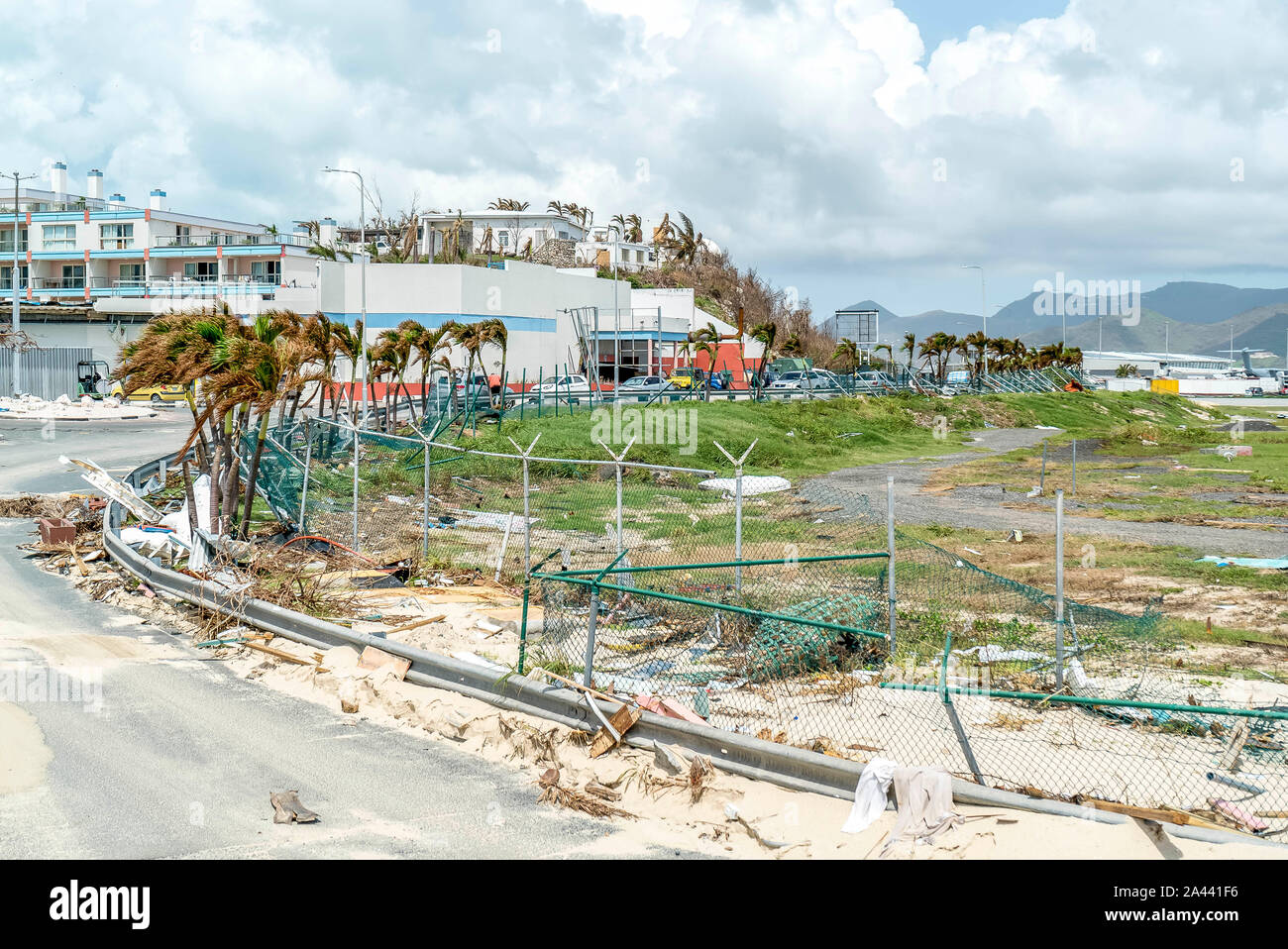
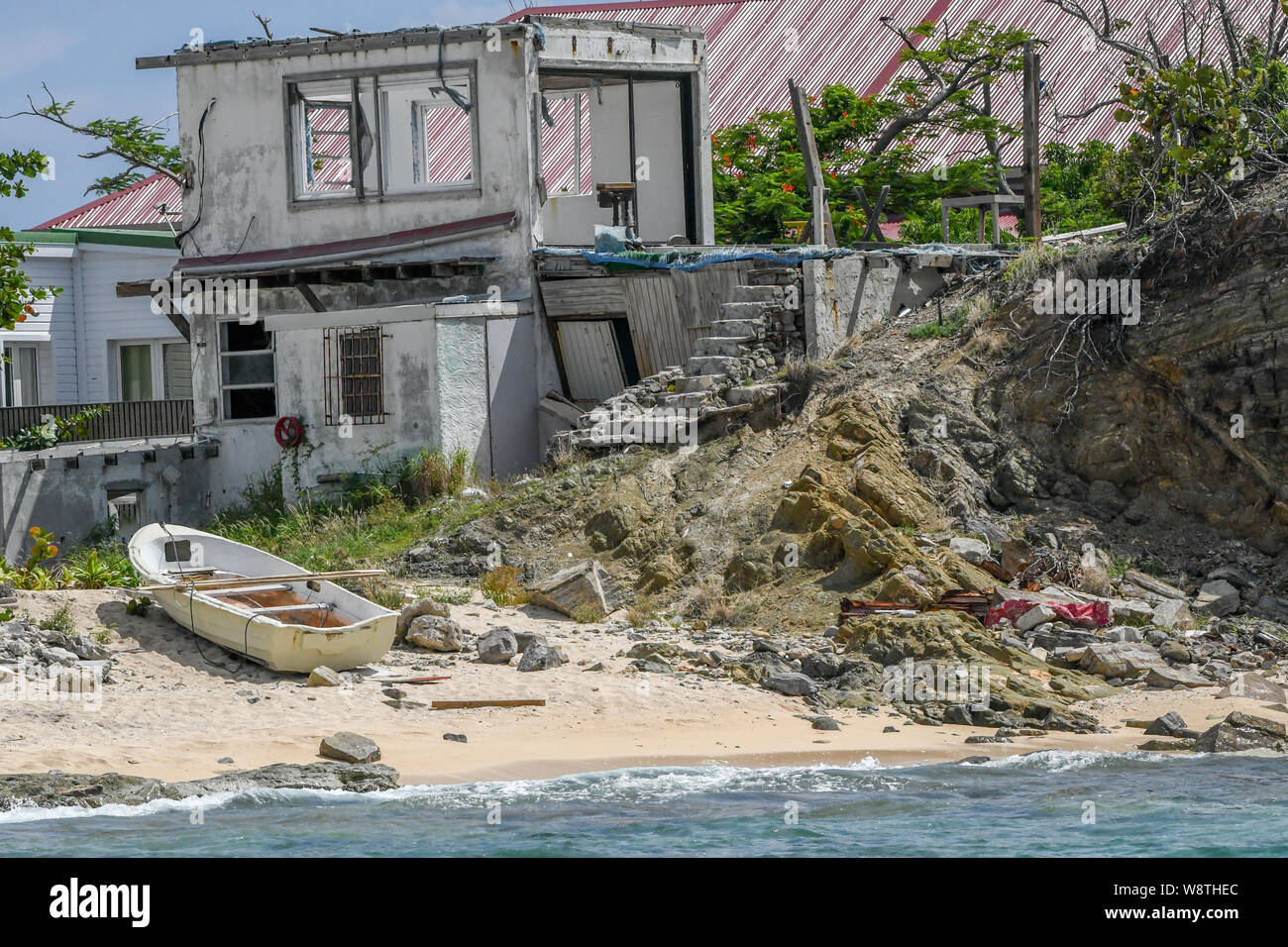
The damage sustained by St. Maarten—particularly following the catastrophic 2017 hurricane season—matters because the island serves as the primary logistical and economic engine for the North-Eastern Caribbean. As a dual-governed terri...
The damage sustained by St. Maarten—particularly following the catastrophic 2017 hurricane season—matters because the island serves as the primary logistical and economic engine for the North-Eastern Caribbean. As a dual-governed territory and a central aviation and maritime hub, the status of its infrastructure directly dictates the economic stability, food security, and disaster-response capabilities of several neighboring islands.
Contents
The Strategic Role of St. Maarten in the Caribbean
St. Maarten is not merely a vacation destination; it is a critical node in the global supply chain and regional travel network. To understand why damage to this specific island carries such heavy weight, one must look at its geographical and functional position. Divided between the Dutch side (Sint Maarten) and the French side (Saint-Martin), the island provides a unique administrative and economic bridge between European standards and Caribbean realities.
The Hub Concept: Princess Juliana International Airport (SXM)
Princess Juliana International Airport (SXM) serves as the "gateway" for the surrounding islands, including Anguilla, St. Barthélemy, Saba, and St. Eustatius. When SXM suffers structural damage, the "spoke" islands lose their primary connection to international markets.
In the years leading up to 2026, the reconstruction of SXM has been a focal point of regional stability. The damage mattered because it halted the flow of specialized medical supplies, high-value perishables, and, most importantly, the tourism revenue that accounts for over 80% of the local GDP. The transition from the temporary arrival and departure halls used in the late 2010s to the fully modernized, hurricane-resistant terminal completed in recent years represents a shift from "recovery" to "future-proofing."
Port St. Maarten and the Cruise Industry
Port St. Maarten is one of the most significant cruise ports in the world. Damage to the pier infrastructure or the dredging of the harbor doesn't just impact St. Maarten; it forces global cruise lines to reroute entire itineraries. Because the island can accommodate the largest "Oasis-class" vessels, its operational status determines whether 1.5 to 2 million passengers per year can access the Eastern Caribbean circuit. The loss of these berths results in a multi-hundred-million-dollar deficit that ripples through the regional economy, affecting everything from taxi drivers in Philipsburg to boutique owners in Marigot.
Lessons from Hurricane Irma: Why the Scale of Destruction Changed Everything
While St. Maarten has faced many storms, the damage from Hurricane Irma in 2017 was a watershed moment. It revealed that existing building codes and infrastructure designs were insufficient for the "new normal" of Category 5+ events. The damage mattered because it forced a total recalibration of Caribbean architecture and urban planning.
In 2026, we see the results of this shift. The reconstruction of the electrical grid—moving from overhead lines to underground cabling—was a direct response to the total blackout experienced in 2017. This transition was not merely about convenience; it was a matter of life safety. The ability to maintain power for desalination plants and hospitals during and immediately after a storm is the difference between a manageable crisis and a humanitarian disaster.
The Social and Economic Ripple Effects
The damage to housing stock in St. Maarten led to a significant "brain drain." Skilled workers in the hospitality and maritime sectors were forced to relocate when their homes became uninhabitable. This migration highlights why infrastructure damage is a social issue.
- Insurance Volatility: The scale of the damage led to a massive spike in premiums across the Caribbean. St. Maarten served as the "test case" for how international reinsurers would treat island territories moving forward.
- Housing Affordability: The destruction of lower-income housing units and the subsequent "building back better" often resulted in higher costs, creating a gentrification effect that displaced local populations.
- Educational Disruption: Damage to schools and the University of St. Martin interrupted the education of an entire generation, emphasizing that "damage" includes the loss of human capital development time.
Environmental Consequences and the Waste Management Crisis
One often overlooked reason why the damage matters is the environmental toll. The massive amount of debris generated by destroyed buildings and sunken vessels created a waste management crisis that persisted for years.
The "Great Salt Pond" in Philipsburg became the epicenter of this issue. For a long time, the debris mountain was prone to underground fires, releasing toxic smoke into the atmosphere. The 2026 perspective shows that the long-term damage to the island’s ecology—including coral reef siltation from runoff and the loss of mangrove buffers—has made the island more vulnerable to storm surges. The restoration of these natural barriers is now recognized as being as important as the reconstruction of concrete walls.
Resilience Standards and Building Codes
The damage to St. Maarten triggered a legislative overhaul of building codes. In 2026, new structures are required to meet "Miami-Dade" level wind-load certifications. This matters because it sets a regional benchmark. If St. Maarten can successfully implement and enforce these codes, other island nations are more likely to follow suit.
| Sector | Pre-2017 Vulnerability | 2026 Status / Solution |
|---|---|---|
| Power Grid | Mostly overhead; high failure rate. | >90% underground cabling in key zones. |
| Aviation | Terminal glass/roofing susceptible to wind. | Reinforced terminal with impact-resistant materials. |
| Water | Reliance on single-source desalination. | Diversified storage and solar-powered backup systems. |
| Communication | Satellite and microwave link dependence. | Hardened fiber-optic subsea cable landings. |
| Maritime | Limited surge protection for smaller vessels. | Expanded hurricane holes and reinforced pier bollards. |
Why Future Preparedness Still Matters
As we navigate 2026, the damage to St. Maarten serves as a constant reminder of the fragility of island economies. It matters because it has shifted the conversation from "disaster relief" to "disaster risk reduction." The World Bank-managed St. Maarten Reconstruction, Recovery and Resilience Trust Fund (Sint Maarten Trust Fund) became a model for how international aid can be structured to ensure that funds are used for sustainable, long-term improvements rather than quick fixes.
The damage also highlighted the necessity of cross-border cooperation. Because the island is shared by two nations, a disaster on one side inevitably affects the other. The 2017 damage forced the Dutch and French administrations to coordinate more closely on hospital capacity, waste management, and border security, creating a more unified (though still complex) approach to island governance.
Frequently Asked Questions
How did the airport damage affect neighboring islands?
Because Princess Juliana International Airport (SXM) is the regional hub, its closure prevented tourists from reaching Anguilla, St. Barths, and Saba. These smaller islands do not have runways long enough for transatlantic or long-haul jets, meaning their entire economies were effectively strangled until SXM could provide "transit-only" services.
Is St. Maarten fully recovered in 2026?
While the major infrastructure—including the airport terminal and the main harbor—is fully operational and modernized, "recovery" is an ongoing process. Some private residential areas and abandoned hotel sites still show scars. However, the island's capacity to withstand a major storm is significantly higher than it was a decade ago.
Why was the damage to the Great Salt Pond so significant?
The pond has historically been used for landfill. When hurricane debris was added to it, the increased volume led to chemical reactions that caused persistent fires. This was a public health crisis that mattered because it affected the air quality for the capital, Philipsburg, and highlighted the urgent need for a sustainable circular economy and waste-to-energy solutions.
Did the damage change the type of tourism in St. Maarten?
Yes. The damage and subsequent high cost of rebuilding led many properties to move toward luxury or "boutique" offerings. While this increased the average spend per visitor, it also changed the island's market position, making it less accessible to budget travelers than it was in the early 2000s.
How has building technology changed because of the damage?
The shift has been toward "monolithic" concrete pours and the use of reinforced hurricane shutters as standard rather than optional features. Additionally, there is a much greater emphasis on "off-grid" capability, with many new developments including significant solar arrays and independent rainwater harvesting systems to ensure functionality when central services fail.
Practical Recommendations for Travelers and Investors
For those looking to engage with St. Maarten in 2026, whether for business or leisure, it is essential to prioritize resilience-certified locations. When booking accommodations or looking at real estate, verify that the property meets the updated 2026 building codes. For investors, the focus should remain on the "Blue Economy"—sustainable maritime and coastal projects that protect the island’s natural assets while bolstering its infrastructure.
The damage to St. Maarten was a tragedy, but its legacy is a blueprint for Caribbean survival. By understanding why the damage mattered so deeply, we can appreciate the immense engineering and social effort required to maintain this vital Caribbean crossroads.
Image Gallery