Mastering App Store Top Grossing Apps Rankings and Monetization Strategies
App store top grossing apps rankings represent the pinnacle of mobile application financial success, reflecting daily marketplace revenue generated through upfront purchases, subscriptions, and microtransactions on platforms like the A...
App store top grossing apps rankings represent the pinnacle of mobile application financial success, reflecting daily marketplace revenue generated through upfront purchases, subscriptions, and microtransactions on platforms like the Apple App Store and Google Play. Understanding these charts requires analyzing monetization frameworks, user acquisition economics, and long-term retention dynamics.
Contents
Decoding the App Store Top Grossing Charts
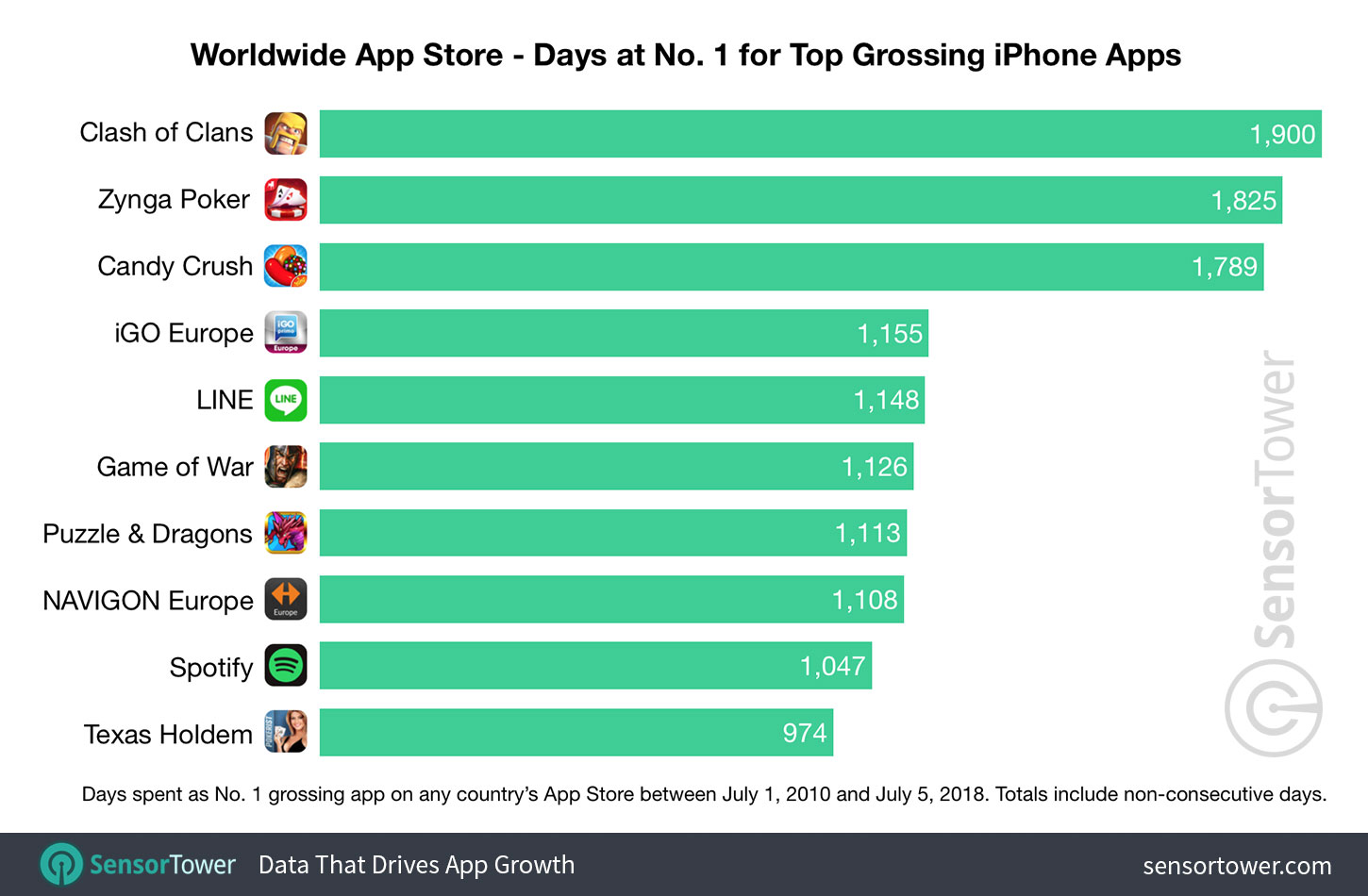
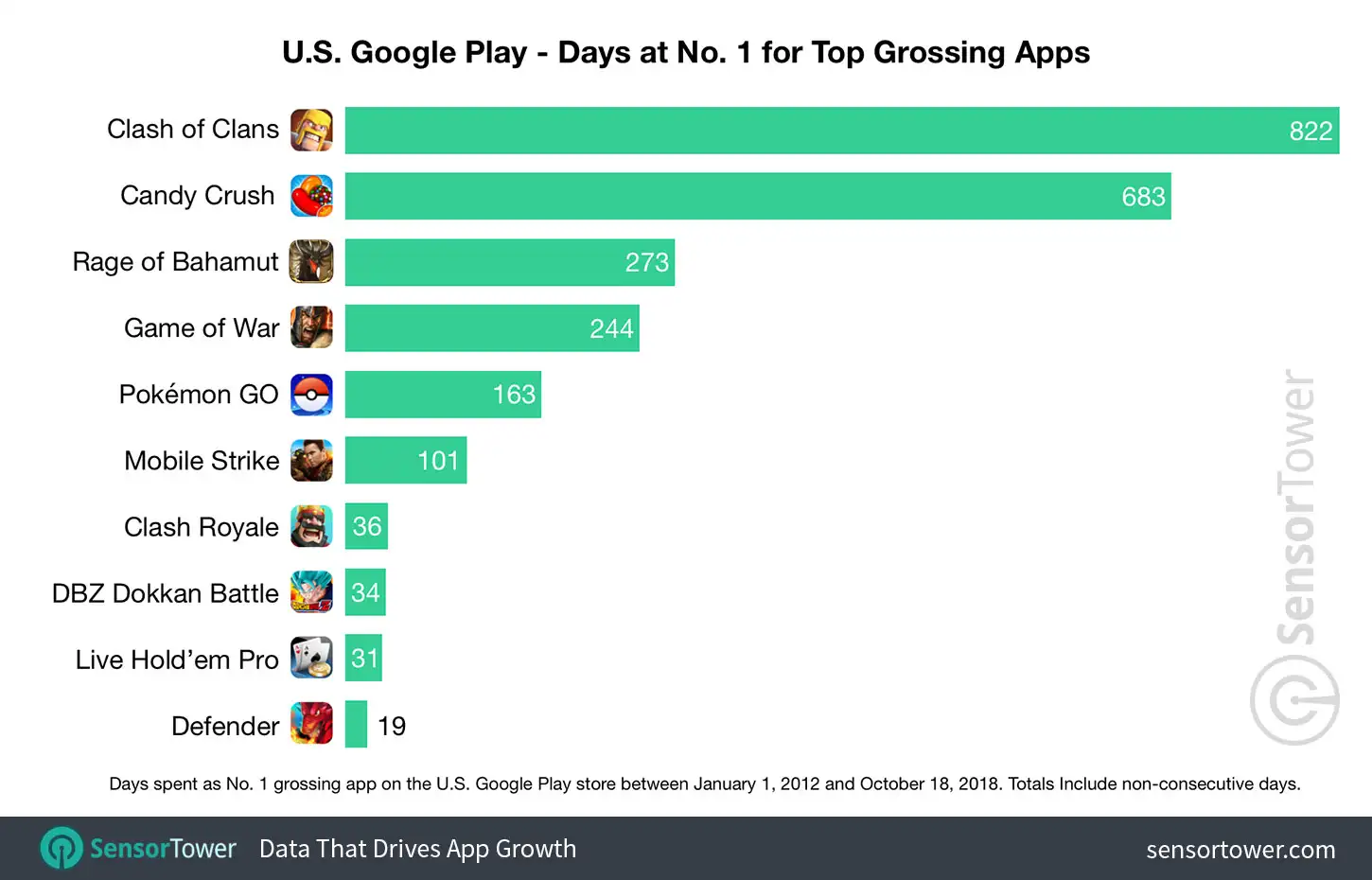
The top grossing charts published by major digital storefronts are driven by real-time transactional data rather than download volume alone. While a utility app or casual game might achieve millions of downloads, it may never break into the top grossing tier if its monetization engine fails to capture consistent, high-value user spending.
Store algorithms calculate these rankings by aggregating gross revenue—total incoming money before platform commissions—across various monetization vectors. These vectors include in-app purchases (IAP), recurring subscriptions, and programmatic ad revenue where applicable. For developers and industry analysts, tracking these lists provides clear visibility into which business models dominate consumer spending habits.
To evaluate marketplace performance effectively, stakeholders look at several core financial metrics that influence a title's position on the charts:
- Average Revenue Per User (ARPU): Measures the monetary value generated by each active user over a specific timeframe, highlighting the efficiency of monetization flows.
- Customer Lifetime Value (LTV): Projects the total net revenue a business can expect from a single customer throughout their entire relationship with the app.
- User Acquisition Cost (UAC): Quantifies the total expense required to acquire a paying user through paid media, influencer partnerships, and organic search optimization.
- Churn Rate: Tracks the percentage of subscribers or active payers who cancel their recurring billing or cease spending within a given billing cycle.
Dominant Business Models Driving High-Revenue Apps
Different application categories rely on distinct structural frameworks to secure top spots on the grossing charts. Understanding these models explains why certain niche applications generate significantly more revenue than consumer software with vastly larger user bases.
Subscription-Based Models (SaaS and Media)
Subscription models dominate productivity, health and fitness, dating, and streaming categories. By securing recurring monthly or annual payments, these apps build predictable, compounding revenue streams. Success in this category depends heavily on offering robust onboarding flows, transparent tier pricing, and clear value propositions that reduce early-stage churn.
Consumable and Non-Consumable Microtransactions
Mobile gaming commands the largest share of top grossing real estate, primarily through microtransactions. Consumable items—such as virtual currency, energy refills, or temporary boosts—are depleted during gameplay and repurchased repeatedly. Non-consumable items, such as permanent character unlocks or ad-removal packages, provide lifetime utility.
Transactional and Marketplace Frameworks
E-commerce, peer-to-peer services, and financial technology apps generate revenue by taking a percentage fee on every transaction processed through their platform. Their placement on grossing charts correlates directly with total marketplace volume and average transaction sizes rather than direct software sales.
Comparative Analysis of App Store Monetization Frameworks
Evaluating the strengths and operational challenges of different monetization approaches helps clarify why publishers choose specific revenue architectures for their products.
| Monetization Model | Primary Target Category | Typical Conversion Rate | Main Operational Risk |
|---|---|---|---|
| Subscription (SaaS/Media) | Productivity, Health, Entertainment | 2% - 5% (Post-trial) | High initial user acquisition costs and mid-term churn |
| Virtual Goods (Consumable) | Mobile Gaming, Social Apps | 1% - 3% (Whale dependent) | Balancing monetization with fair-play perception |
| Transaction Commission | Fintech, E-commerce, Services | Variable by volume | Regulatory compliance and payment gateway fees |
| Freemium with Ad-Integration | Hyper-casual Games, Utilities | < 1% (Direct purchase) | Low ARPU requiring massive scale to remain profitable |
Operational Requirements for Sustaining Top Grossing Status
Reaching the top grossing tier requires a combination of sophisticated marketing campaigns and continuous product optimization. Developers cannot rely solely on initial launch hype to maintain their positions against well-funded competitors.
Effective scaling involves balancing paid user acquisition channels with robust organic visibility. Publishers frequently run App Store Optimization (ASO) campaigns to capture high-intent search traffic while simultaneously executing targeted performance marketing across social networks and programmatic ad exchanges.
Furthermore, data analytics platforms play a critical role in tracking user behavior. By monitoring real-time telemetry, product teams can identify drop-off points in the payment funnel, adjust pricing elasticity, and deploy personalized promotional offers to re-engage lapsed payers.
Step-by-Step Guide to Optimizing App Monetization and Rankings
Achieving sustainable financial growth on modern digital storefronts requires a structured, data-driven operational workflow.
- Define and Segment User Personas: Analyze target demographics to determine willingness-to-pay thresholds, preferred payment methods, and feature requirements.
- Implement Comprehensive Analytics Tracking: Integrate reliable attribution tools to measure funnel conversion rates from initial installation through the final checkout or subscription confirmation.
- Optimize the Paywall and Checkout Flow: Streamline the user interface to minimize friction, support localized currencies, and offer trusted payment gateways like Apple Pay and Google Pay.
- Execute A/B Testing on Pricing Tiers: Test different introductory offers, free trial durations, and annual versus monthly billing discounts to maximize net revenue per user.
- Monitor Store Compliance and Guidelines: Ensure all in-app purchases comply fully with the latest platform billing policies, safety protocols, and privacy mandates to avoid ranking penalties or removal.
Frequently Asked Questions
What determines a spot on the app store top grossing charts?
Top grossing charts are determined by the total revenue generated by an app from in-app purchases, subscriptions, and paid downloads over a rolling time window. Download volume alone does not guarantee a high grossing rank if users do not spend money within the application.
Why do mobile games dominate the top grossing lists?
Mobile games utilize highly optimized consumable microtransaction loops that encourage repeated spending from dedicated players, often referred to as whales, generating significantly higher ARPU than traditional utility apps.
How do app developers track their grossing performance against competitors?
Developers use specialized mobile intelligence and market research platforms to monitor competitor revenue estimates, download trends, keyword rankings, and category shifts in real time.
Are subscription apps more profitable than one-time purchase apps?
Subscription apps generally provide more predictable, recurring revenue streams that support continuous product updates, whereas one-time purchases require constant new user acquisition to sustain business operations.
What is the role of free trials in top grossing subscription apps?
Free trials lower the psychological barrier to entry, allowing users to experience premium features before committing financially, which often results in higher overall conversion rates when paired with automated billing reminders.
Can advertising alone push an app into the top grossing category?
Relying solely on in-app advertising is rarely sufficient for top grossing success unless the app achieves tens of millions of active daily users, given the relatively low eCPMs associated with standard mobile banner and interstitial ads.
Strategic Recommendation for App Publishers
Sustaining a competitive position among top grossing applications demands a dual focus on rigorous product iteration and diversified monetization. Publishers must continuously refine their payment funnels, respect user privacy preferences, and deliver undeniable long-term value to reduce churn and maximize customer lifetime value. To explore advanced analytics strategies or audit your current monetization framework, consult with certified mobile growth specialists and review official platform developer documentation.
Image Gallery