Understanding the Mesa Jail Holding Facility: Procedures and Protocols for 2026
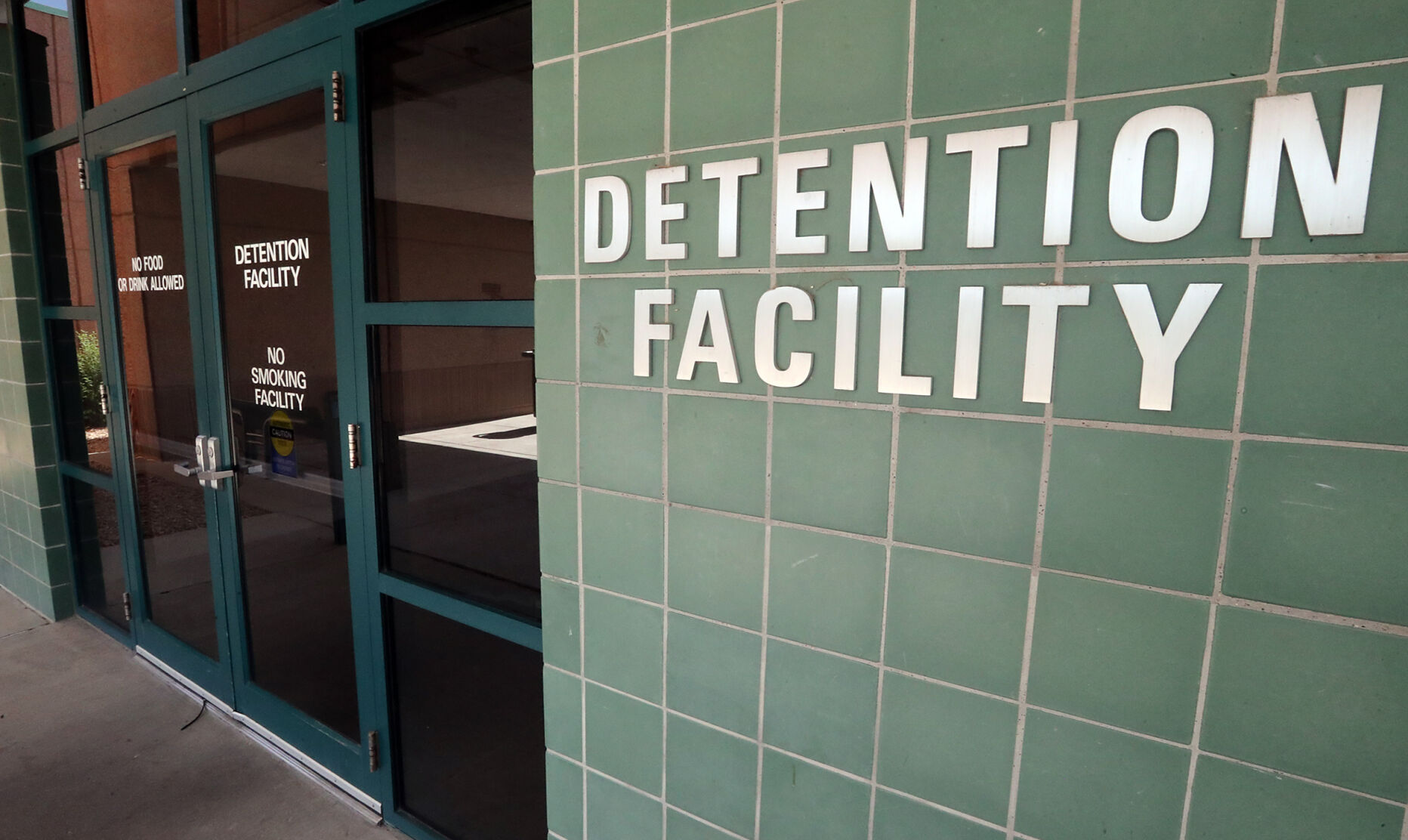
The Mesa jail holding facility refers to the temporary detention operations managed by the Mesa Police Department, primarily functioning as a booking and processing center for individuals arrested within the city limits. This facility...
The Mesa jail holding facility refers to the temporary detention operations managed by the Mesa Police Department, primarily functioning as a booking and processing center for individuals arrested within the city limits. This facility serves as a short-term intake point for arrestees before they are either released, cited, or transferred to the Maricopa County Sheriff’s Office jail system.
Contents
Operational Overview of the Mesa Detention Center
The primary function of the detention facility in Mesa is the intake, identification, and temporary processing of suspects following an arrest. Unlike long-term correctional institutions, this facility is designed for high-turnover occupancy. When an individual is brought to the facility, they undergo a standard series of administrative procedures to verify their identity and the nature of their charges.
In 2026, the Mesa Police Department continues to utilize standardized digital booking systems to ensure that criminal records are accurately reflected in both local and state databases. The holding area is strictly partitioned to separate individuals based on risk assessment, the nature of the alleged offense, and safety protocols.
Institutional Security Mandates
All visitors and detainees are subject to rigorous safety screenings. The facility maintains strict adherence to constitutional standards regarding the treatment of detainees, including the provision of medical screening, access to legal counsel, and the timely processing of release or transfer documentation. Security measures are updated annually to ensure compliance with municipal and state mandates for jail operation.
The Intake and Booking Process
When an individual is transported to the Mesa jail holding facility, the processing sequence is uniform to ensure procedural integrity. Understanding this workflow is critical for families and legal representatives attempting to secure information or initiate release procedures.
- Search and Property Inventory: Officers conduct a thorough search of the detainee. Personal items are cataloged, tagged, and placed in secure storage for the duration of the detainee's stay.
- Biometric Collection: Fingerprinting and mugshot photographs are taken to verify identity through state and federal law enforcement databases.
- Medical and Mental Health Screening: Detainees are asked a series of health-related questions to identify immediate medical needs or suicide risks. This step is a mandatory liability and safety requirement.
- Charge Verification: The arresting officer completes the formal booking paperwork, outlining the charges, the arresting authority, and the status of any warrants.
- Disposition Determination: Based on the charges, the detainee may be released on their own recognizance, assigned a bail amount, or held for transfer to a Maricopa County facility.
Locating a Detainee in the Mesa System
If you are searching for an individual currently in custody, you must distinguish between local police holding and the Maricopa County Sheriff’s Office (MCSO) system. Many individuals arrested in Mesa are transferred to MCSO facilities within 24 to 48 hours.
Digital Search Tools
The Maricopa County Sheriff’s Office maintains an online "Inmate Information" portal. If an individual has been transferred out of the Mesa holding facility, they will appear in the county system. If they are still at the local Mesa location, you may need to contact the Mesa Police Department directly to confirm their status, as temporary holding centers often do not maintain public-facing, real-time inmate rosters.
Data Verification Requirements
When calling or searching for information, ensure you have the following details ready:
- Full legal name of the detainee.
- Date of birth.
- Booking number (if available).
- Approximate time and location of the arrest.
| Process Stage | Responsible Authority | Typical Location |
|---|---|---|
| Initial Arrest | Mesa Police Dept. | Scene of Incident |
| Booking & Intake | Mesa Police Dept. | Mesa Holding Facility |
| Temporary Detention | Mesa Police Dept. | Mesa Holding Facility |
| Long-term Custody | Maricopa County | MCSO Jail Facilities |
Legal Counsel and Visitation Rights
Detainees held at the Mesa facility have a protected right to communicate with legal counsel. In the event of an arrest, the primary objective of the family should be the retention of a criminal defense attorney who is familiar with the municipal court process.
Attorneys typically have access to their clients during the processing phase. If the detainee has been transferred to a county facility, the rules regarding attorney visitation change, and you must adhere to the specific rules of the Maricopa County jail complex. For non-attorney visitors, visitation in short-term holding is generally prohibited due to the transient nature of the population and security risks.
Frequently Asked Questions
Is the Mesa jail holding facility a long-term prison?
No. It is a temporary holding area designed for the intake, booking, and short-term detention of individuals. Once processed, detainees are typically released or transferred to a county jail within a short timeframe.
Can I bail someone out directly at the Mesa facility?
Bail procedures depend on the nature of the charges and whether a judge has set a bond amount. If the individual is eligible for release, the procedure is often handled through the municipal court or the county clerk, depending on the jurisdiction of the charges.
How long can a person be held in a local police holding facility?
Under Arizona law and standard police practices, individuals cannot be held in a local holding facility indefinitely. Most detainees are moved or released within 48 hours, depending on judicial processing times and local department policy.
Are there medical facilities on-site?
Yes, the facility conducts health screenings to ensure basic safety. However, they are not equipped for major medical emergencies; individuals requiring significant medical intervention are typically transported to local hospitals under guard.
How do I contact an attorney if I am the one detained?
Every detainee is provided the opportunity to make phone calls during the booking process. It is highly recommended that you keep the contact information for your legal counsel memorized or written on your person.
Practical Steps for Families
If a family member is held at the facility, patience and organization are required. Do not attempt to travel to the facility to demand information, as this can disrupt operations and result in being turned away by security personnel. Instead:
- Retain Counsel: A private criminal defense attorney can often determine a person's status, the nature of the charges, and the potential for a bond hearing far more efficiently than family members can.
- Monitor Court Records: Use the Maricopa County Superior Court or Mesa Municipal Court public access portals to track any filings related to the case.
- Confirm Transfer: If more than 24 hours have passed, assume the individual may have been transferred to the county system and search the MCSO inmate database.
Image Gallery