Albany Jail Guide: Locating Detainees, Inmate Visitation, and Facility Procedures in 2026
Navigating the processes of the Albany jail system requires understanding specific operational protocols, local jurisdiction boundaries, and legal requirements. Whether you are attempting to locate an individual, arrange visitation, or...
Navigating the processes of the Albany jail system requires understanding specific operational protocols, local jurisdiction boundaries, and legal requirements. Whether you are attempting to locate an individual, arrange visitation, or deposit funds for commissary, knowing the correct facility and communication channels ensures efficient handling of your inquiry.
Contents
Understanding the Albany Jail System and Facility Jurisdiction
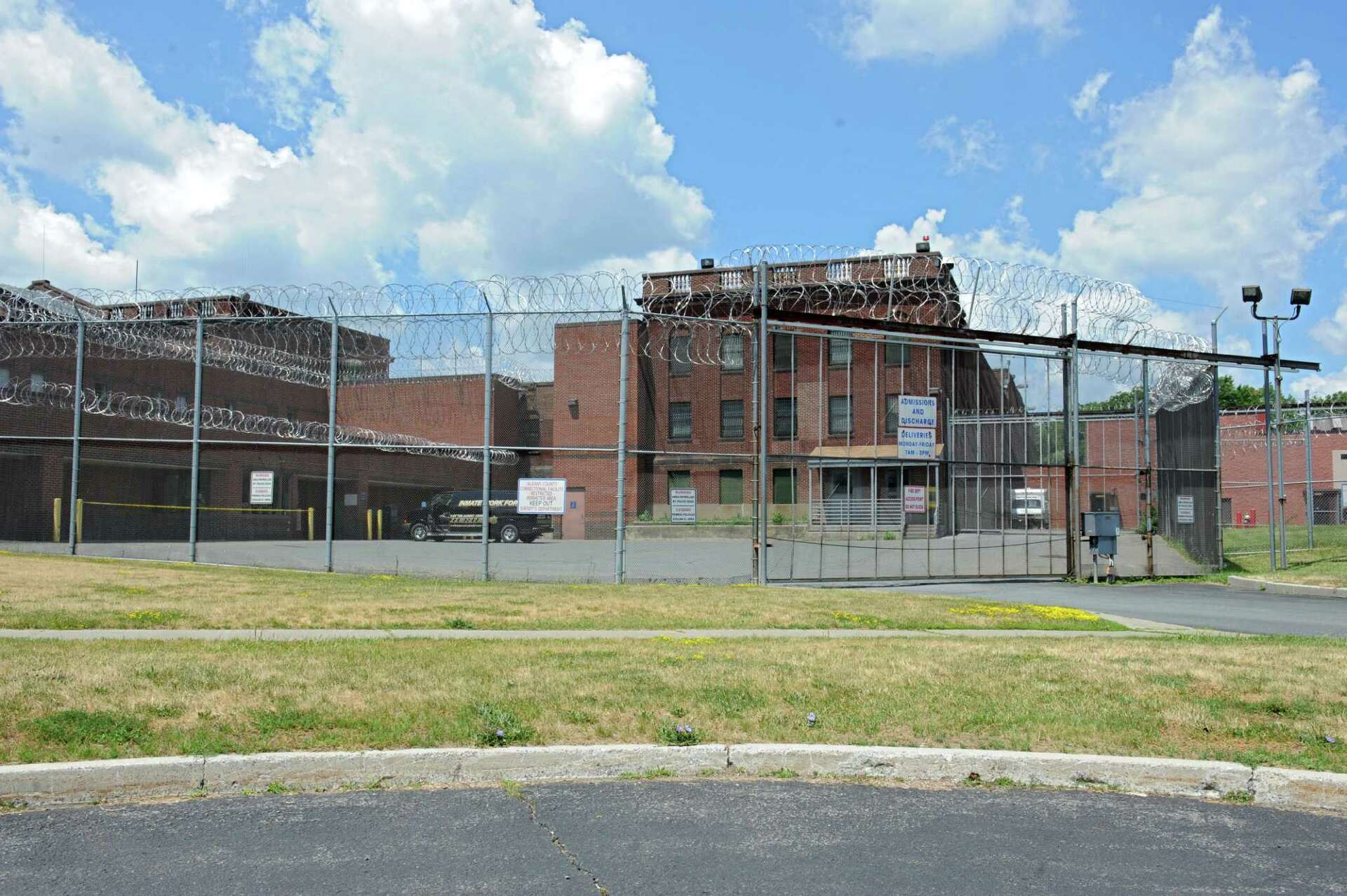
The term "Albany jail" typically refers to local detention facilities serving the city of Albany and surrounding Dougherty County in Georgia, or Albany County in New York. Because this guide focuses on the primary municipal and county detention framework in Albany, Georgia—home to the Dougherty County Jail and related municipal holding areas—it is essential to verify which law enforcement agency holds jurisdiction over the detained individual before attempting contact.
Local law enforcement agencies divide custody responsibilities based on where the arrest occurred and the severity of the charges. Understanding these distinctions prevents wasted trips and streamlines the process of obtaining inmate records or arranging bail.
- Municipal Arrests: Individuals arrested by the Albany Police Department within city limits are generally brought to the local holding facility for initial processing and booking.
- County-Wide Detainees: The Dougherty County Jail handles long-term pre-trial detainees and individuals serving sentences under county jurisdiction.
- State and Federal Inmates: Individuals facing federal charges or state prison sentences are transferred out of local holding facilities to designated state or federal correctional complexes.
How to Locate an Inmate in Albany
Locating an inmate requires having specific identifiers, such as the individual's full legal name, date of birth, or booking number. Publicly accessible rosters and telephone verification services provide immediate status updates on current detainees.
When conducting a search, ensure you have the correct spelling of the inmate's name. Minor discrepancies in spelling can result in unsuccessful database queries. If an online search yields no results, the individual may still be in the process of booking, fingerprinting, and entering data into the tracking system.
Verification Tip: Always Call Ahead Before traveling to any Albany correctional facility for visitation or bond posting, contact the facility directly to confirm the inmate's current housing assignment, as transfers between holding cells and long-term housing units occur frequently.
Inmate Visitation Rules, Schedules, and Identification Requirements
Visitation policies at Albany detention facilities are strictly regulated to maintain facility security and order. Both in-person and video visitation options may be available depending on the specific security classification of the housing unit.
Visitors must adhere to established protocols regarding dress codes, identification, and arrival times. Failure to comply with facility guidelines will result in the immediate cancellation of the visitation session.
- Mandatory Identification: All adult visitors must present a valid, government-issued photo identification card, such as a state driver's license, passport, or military ID.
- Minor Visitors: Minors must be accompanied by a parent or legal guardian at all times and possess appropriate birth certification documentation where required.
- Dress Code Compliance: Revealing clothing, attire with offensive graphics or language, and gang-related symbols are strictly prohibited.
- Contraband Restrictions: Bringing cellular phones, electronic devices, weapons, or unauthorized packages into the visitation area is a criminal offense.
Financial Services: Depositing Commissary and Posting Bond
Inmates require funds for hygiene products, writing materials, and supplemental food items available through the commissary. Additionally, securing the release of an individual awaiting trial involves navigating the bail and bond process.
Facilities utilize third-party financial service providers to manage inmate trust accounts. Deposits can typically be made online, via dedicated kiosks located in facility lobbies, or through designated phone services.
- Cash Bonds: Require the exact bail amount set by the magistrate judge, payable in cash or certified cashier's check.
- Property Bonds: Involve utilizing real estate equity to secure the release amount, requiring formal appraisal and court approval.
- Surety Bonds: Utilizes a licensed bail bonding agency, which typically charges a non-refundable percentage fee (usually 10 to 15 percent) of the total bond amount.
Facility Operations and Comparison of Services
| Service / Feature | Albany Municipal Holding | Dougherty County Jail |
|---|---|---|
| Primary Function | Short-term booking and temporary holding | Long-term pre-trial detention and county sentences |
| Visitation Method | Limited or restricted video visitation | Scheduled on-site and remote video visitation |
| Trust Fund Deposits | Lobby kiosks only | Online portals, phone, and lobby kiosks |
| Jurisdiction | Albany Police Department arrests | County sheriff and regional law enforcement |
Frequently Asked Questions Regarding Albany Detainees
How do I find out if someone is currently in an Albany jail?
You can search the official online jail roster using the inmate's full legal name and date of birth, or call the facility booking desk directly. Online databases update periodically throughout the day to reflect new bookings and releases.
What are the acceptable payment methods for posting bond?
Acceptable payment methods depend on whether you are paying the court directly or using a commercial bail bondsman. Cash, cashier's checks, and licensed surety agents are standard, while personal checks are generally not accepted.
Can I drop off personal clothing or medication for an inmate?
Outside clothing and personal items are generally not accepted, with rare exceptions for court attire ordered by a judge. Necessary medications must be cleared through facility medical staff and delivered via licensed medical channels.
How can I send money to an inmate's commissary account?
Funds can be deposited into an inmate trust account using secure online platforms, automated telephone systems, or physical kiosks located in the public lobby of the detention facility.
What should I do if an inmate has been transferred?
If an inmate is no longer listed in the local jail database, they may have been transferred to a state correctional institution, released on bond, or transported to a court appearance. Contact the facility records division to obtain transfer destination details.
How do I schedule a video visitation session?
Video visitation can usually be scheduled through the approved third-party vendor website utilized by the facility. You will need to create an account, verify your identity, and select an available time slot according to the inmate's housing unit schedule.
Next Steps and Professional Assistance
If you are dealing with a complex legal situation involving an incarcerated individual, consulting a qualified criminal defense attorney or licensed bail bondsman in the Albany area is strongly recommended. Ensure you gather all relevant booking numbers and case details before initiating contact with legal representatives or facility administrators.
Image Gallery