How Much Is a Silver Certificate 1 Bill Worth in 2026
The value of a silver certificate 1 dollar bill typically ranges from $1.50 to over $100, depending primarily on its series year, condition, and the presence of rare serial numbers. While most circulated common bills from the 1935 or 1...
The value of a silver certificate 1 dollar bill typically ranges from $1.50 to over $100, depending primarily on its series year, condition, and the presence of rare serial numbers. While most circulated common bills from the 1935 or 1957 series are worth a modest premium above face value, pristine specimens or those with unique printing errors can command significantly higher prices among collectors in the current 2026 numismatic market.
Contents
Understanding the Historical Context of Silver Certificates
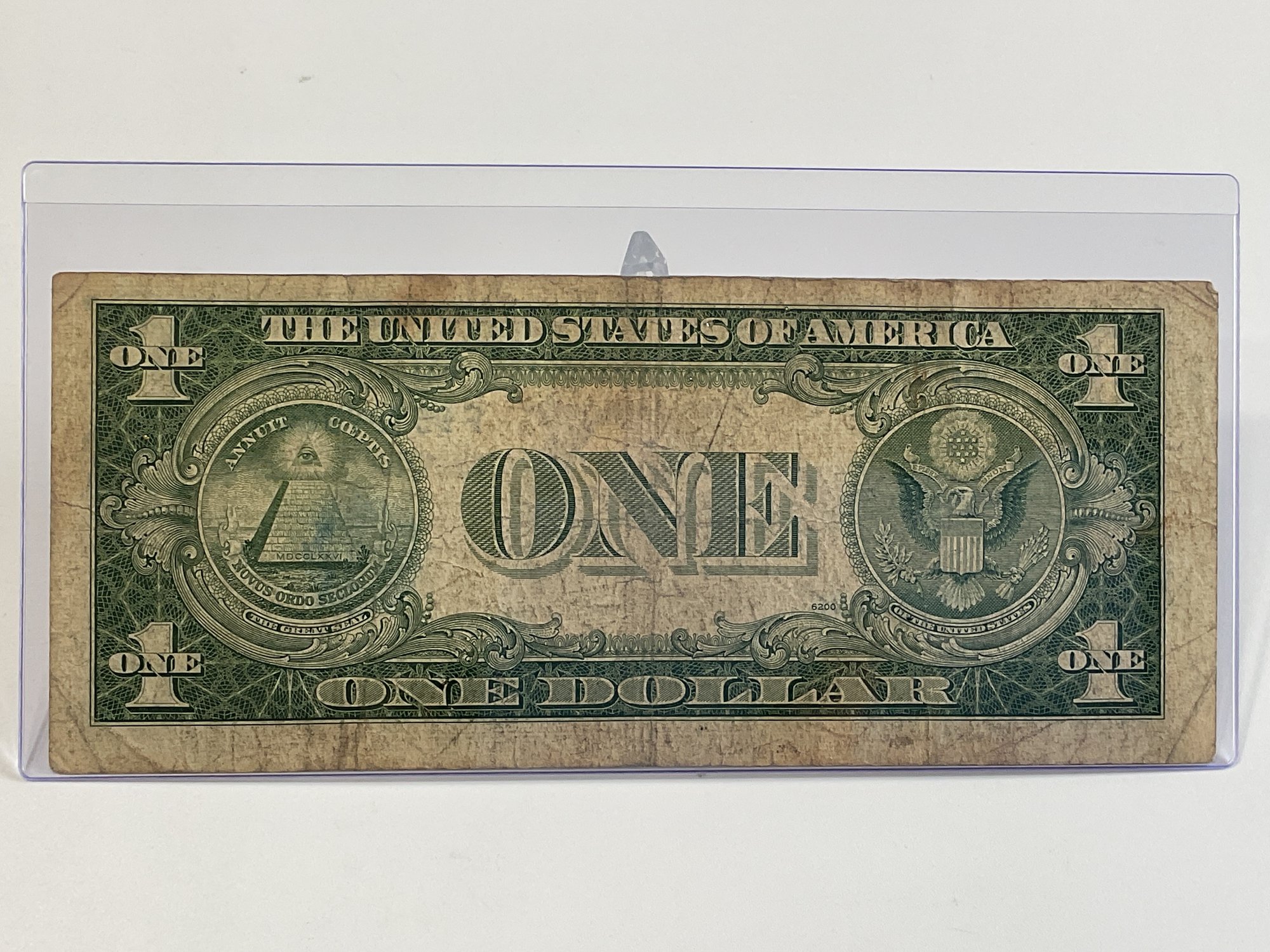
Silver certificates were a form of paper currency issued by the United States government between 1878 and 1964. Unlike modern Federal Reserve Notes, which are backed by the credit of the U.S. government, silver certificates were initially redeemable for their face value in actual silver dollars. By the time production ceased in the mid-1960s, these notes transitioned from being functional currency to becoming highly sought-after collectibles.
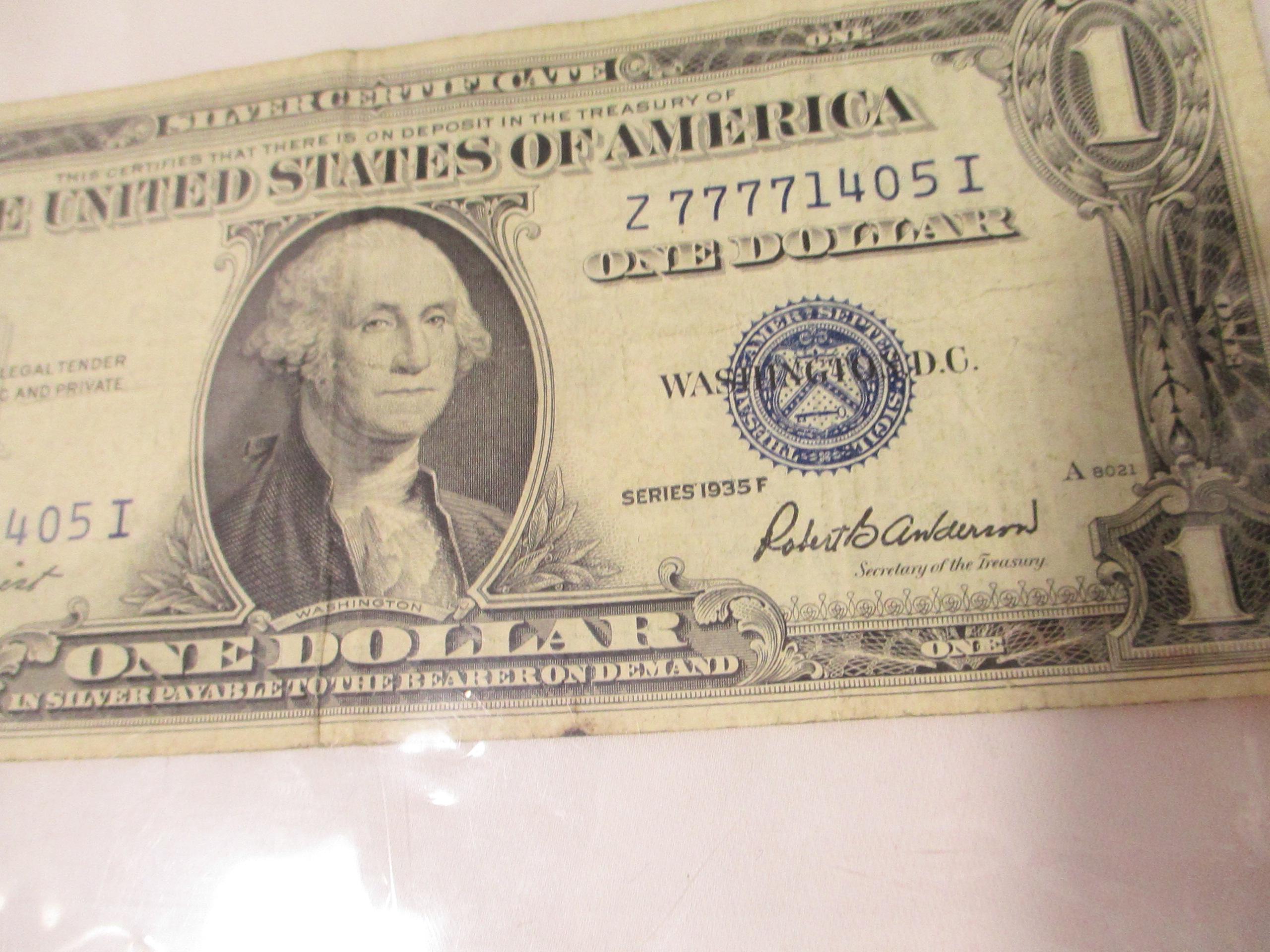
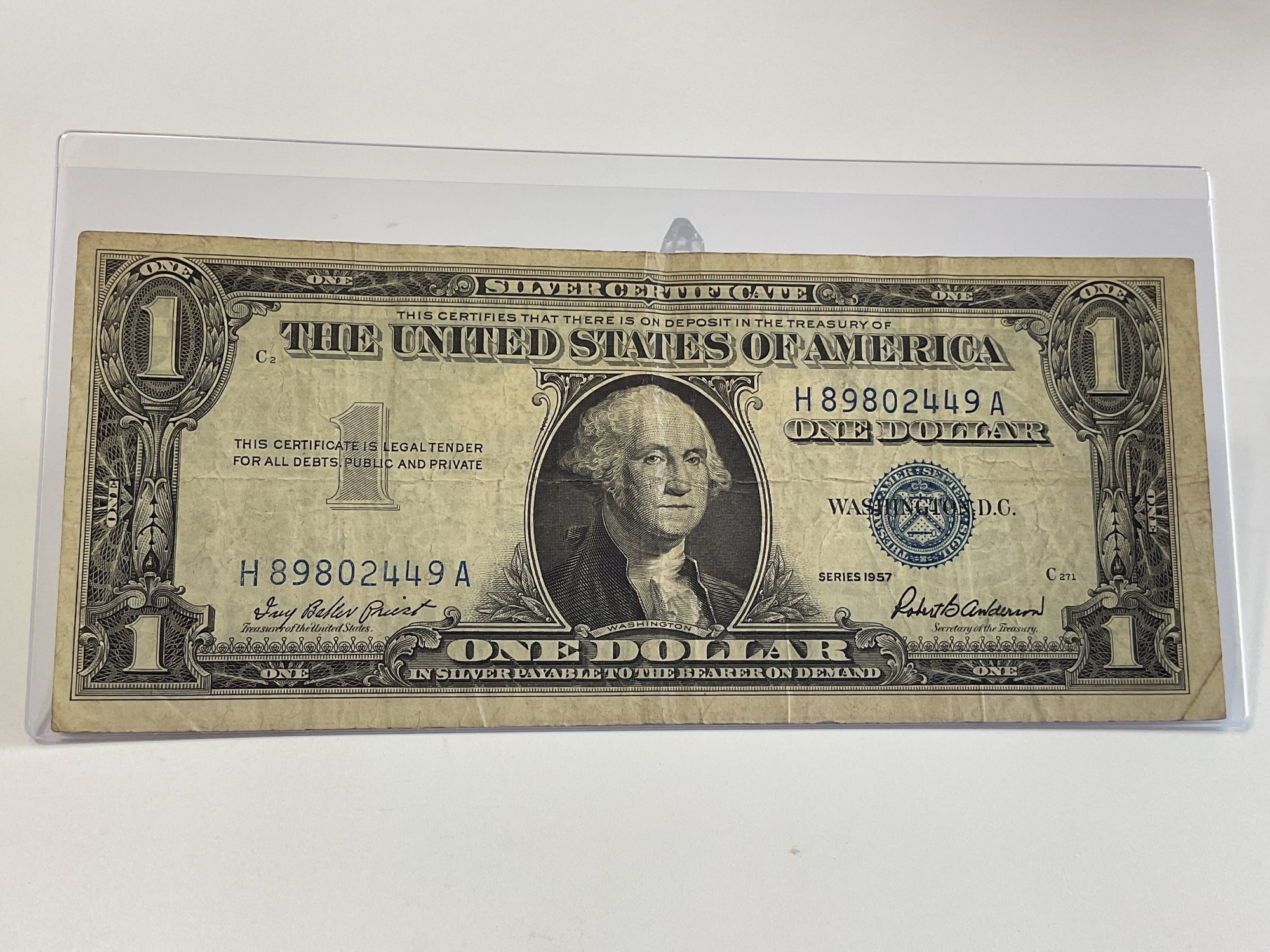
In 2026, the numismatic community classifies these notes based on their series date—often found on the front of the bill—and their specific design characteristics. The most common bills found in collections today are the 1935 and 1957 series "One Dollar Silver Certificates," which feature a blue seal on the right side of the portrait of George Washington.
Key Factors Influencing Market Value
Determining the value of a specific bill requires a professional assessment of several technical variables. Collectors do not simply look at the denomination; they evaluate the physical state of the paper and the scarcity of the series.
- Grade and Condition: This is the most significant factor. A bill that has never been in circulation (often referred to as "Crisp Uncirculated") retains sharp corners and bright colors, which can multiply its value compared to a folded, stained, or torn bill.
- Series Year and Signature Combinations: Certain series years were printed in smaller quantities. Furthermore, the combination of the Treasury Secretary and Treasurer signatures can identify specific print runs that are rarer than others.
- Serial Number Patterns: Collectors often pay premiums for "fancy" serial numbers, such as low numbers (e.g., 00000005), solids (e.g., 77777777), or radars (numbers that read the same forward and backward).
- Star Notes: If the serial number is followed by a small star symbol, it indicates a replacement note used to replace an error bill during the printing process. These are almost always more valuable than standard notes.
Comparative Valuation Guide for 2026
The following table outlines the estimated value ranges for standard circulated vs. uncirculated silver certificate one-dollar bills. Please note that these are market estimates based on current 2026 demand and should be used as a baseline, not a guaranteed appraisal.
| Series Type | Circulated Condition | Crisp Uncirculated (UNC) | Notable Features |
|---|---|---|---|
| 1935 (A-H Series) | $1.50 – $3.00 | $10 – $25 | Standard issue, common |
| 1957 (Series) | $1.50 – $2.50 | $5 – $15 | Very common, large supply |
| 1935 "Hawaii" Overprint | $25 – $75 | $150 – $400+ | Brown seal, WWII era |
| 1935 "North Africa" | $20 – $60 | $100 – $300+ | Yellow seal, WWII era |
| Any Series with Star | $5 – $20 | $30 – $100+ | Replacement note status |
Assessing the Condition of Your Currency
To properly evaluate your bill, you must understand the standard grading scale used by professional organizations like the Professional Coin Grading Service (PCGS) or Paper Money Guaranty (PMG).
Expert Evaluation Guidelines
Visual Inspection Examine the paper for "folds," which are the most common reason for a lower grade. Even a single center fold will move a bill from "Uncirculated" to "Extremely Fine," significantly dropping its collector value.
Paper Integrity Look for signs of cleaning or pressing. Amateur attempts to "iron out" or wash a bill to make it look new are easily detected by experts and actually destroy the value of the note. Never attempt to clean your currency.
Common Misconceptions Regarding Value
Many individuals assume that because a bill is old, it must be worth a large sum of money. In reality, the United States printed hundreds of millions of 1957 series silver certificates. Because so many were saved by the public during the transition away from the silver standard, the supply remains relatively high. Consequently, unless a 1957 note is in perfect, gem-quality condition or features a rare error, it will rarely exceed $5.00 in value.
Frequently Asked Questions
Is it still legal tender to spend a silver certificate? Yes, all silver certificates remain legal tender in the United States and can be spent at face value. However, because their collector value almost always exceeds $1.00, it is financially unwise to spend them as currency.
How do I know if I have a rare error bill? Error bills usually involve misaligned printing, ink smears, or partially missing design elements. If your bill has an obvious visual defect that occurred during the printing process, consult a professional numismatist for a formal evaluation, as these can be worth thousands of dollars.
Where is the best place to sell silver certificates? Local coin shops, regional numismatic conventions, and reputable online auction platforms are the standard venues. Always check the reputation of the buyer and consider getting a professional third-party grade if you believe your bill is in uncirculated condition.
Are blue seal bills always silver certificates? Generally, yes, for one-dollar bills from that era. The blue seal distinguishes them from the green seal used on Federal Reserve Notes. Always verify the text on the front of the bill, which will explicitly state "Silver Certificate."
Does the location of the bank matter for value? Unlike coins, which sometimes carry mint marks that significantly alter value based on the location of production, silver certificate paper money does not carry mint marks. The value is driven by the series and condition rather than the location of the issuing bank.
Final Steps for Collectors
If you possess a collection of silver certificates, store them in archival-quality Mylar sleeves. These sleeves are acid-free and prevent environmental damage, moisture, and oils from your skin from degrading the paper over time. For high-value notes, consider sending them to a third-party grading service to verify their condition officially. This process provides a plastic "slab" that preserves the note and assigns it an objective grade, which is essential if you intend to auction the item in the 2026 secondary market.
To obtain an accurate appraisal for a large collection, locate a local dealer affiliated with the American Numismatic Association. They can provide a professional breakdown of your holdings and assist you in identifying any high-rarity specimens that may require specialized insurance or auction placement.
Image Gallery