Universal vs. Whole Life Insurance Quotes: 2026 Cost Breakdown and Choices
Securing permanent life insurance in 2026 requires a clear understanding of the trade-offs between Whole Life and Universal Life (UL) structures. While both offer a death benefit and cash value accumulation, Whole Life provides fixed p...
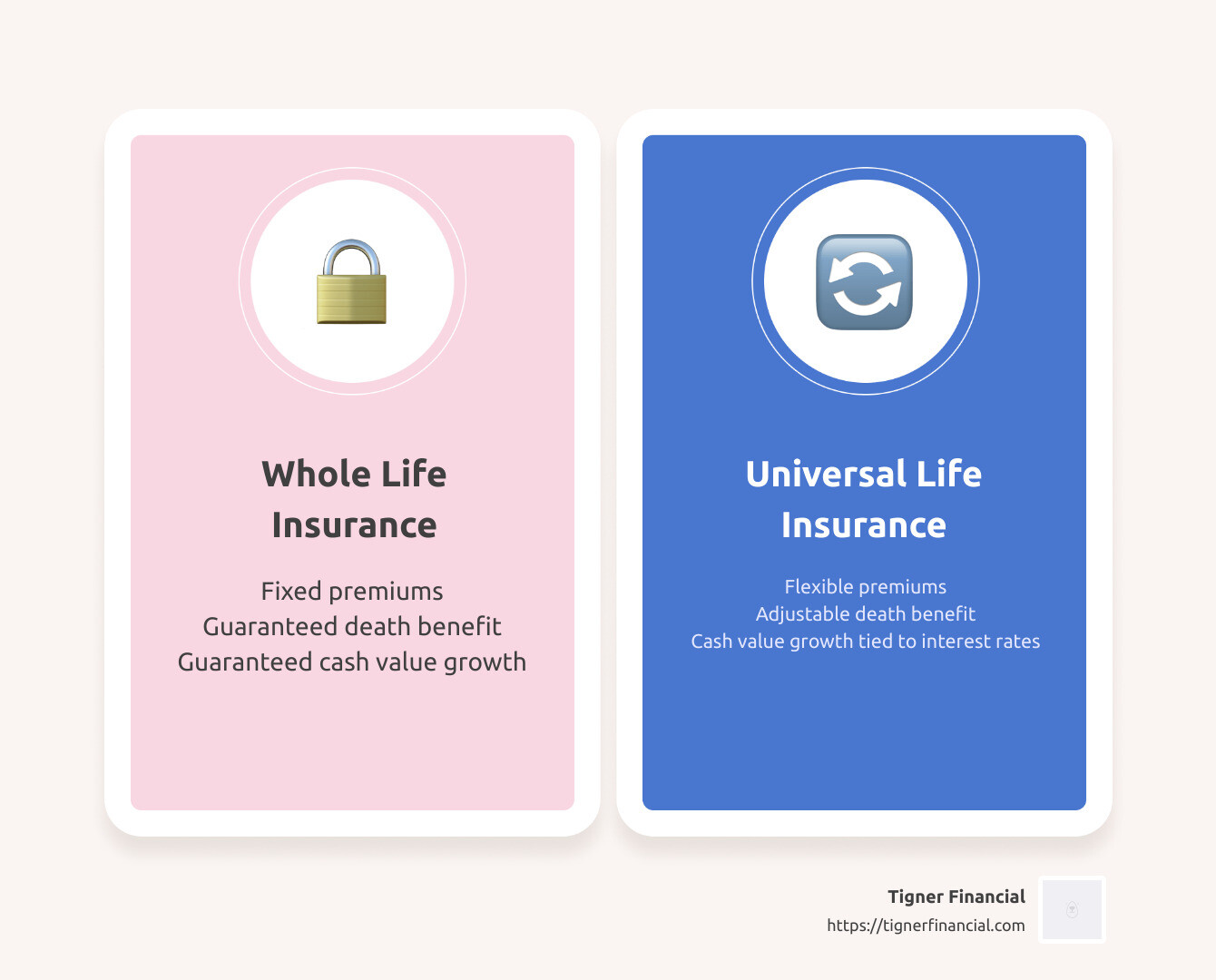
Securing permanent life insurance in 2026 requires a clear understanding of the trade-offs between Whole Life and Universal Life (UL) structures. While both offer a death benefit and cash value accumulation, Whole Life provides fixed premiums and guaranteed growth, whereas Universal Life offers flexible payments and market-sensitive interest rates. Choosing the right quote depends on whether you prioritize long-term certainty or premium flexibility.
Contents
Understanding Permanent Life Insurance Choices in 2026
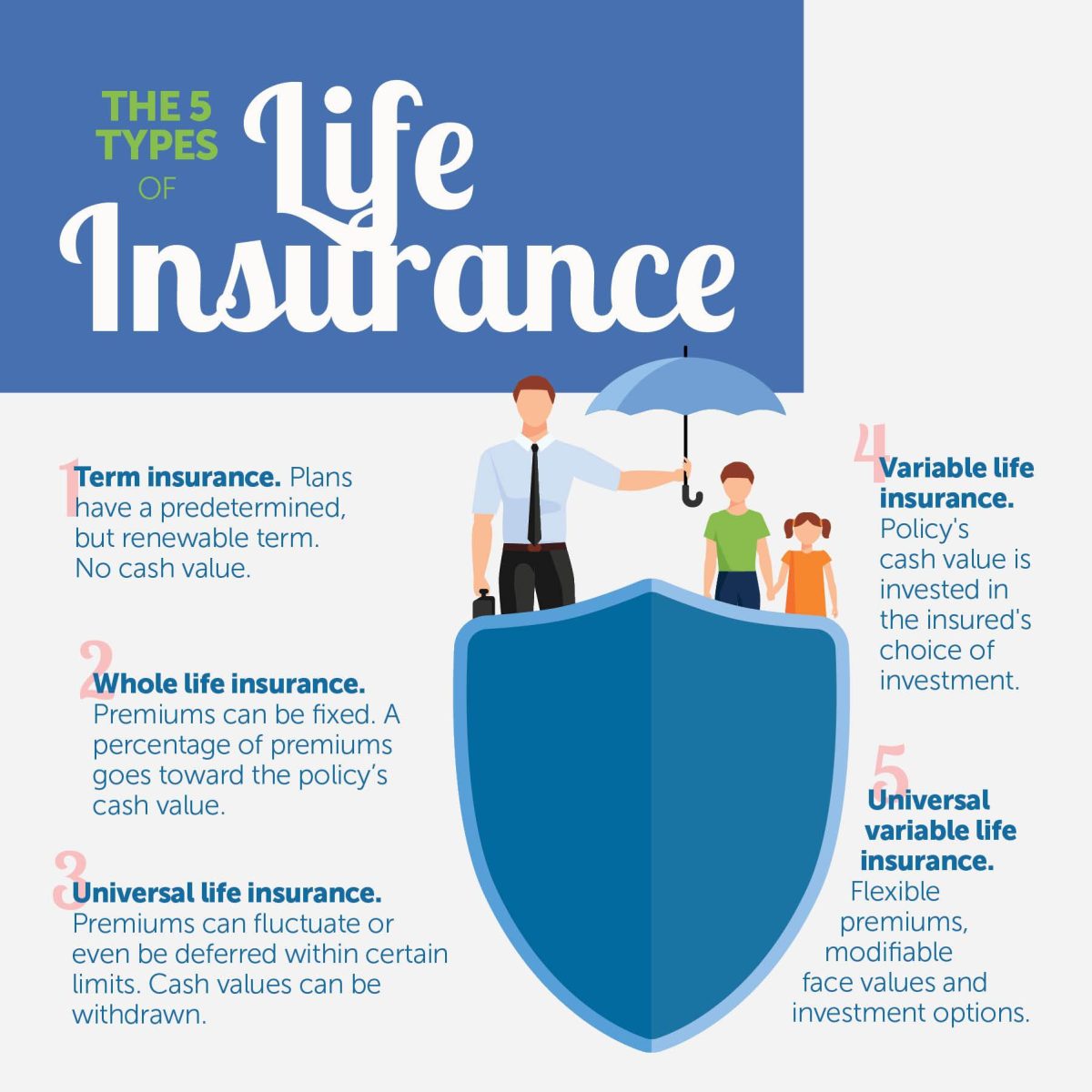
When consumers search for "universal whole life insurance," they are typically navigating the broader category of permanent life insurance. Unlike term insurance, which expires after a set period, permanent policies are designed to remain in force for the insured's entire life, provided premiums are paid. As we move through 2026, the distinction between these two primary vehicles has become more pronounced due to fluctuating interest rates and evolving tax regulations regarding cash value growth.
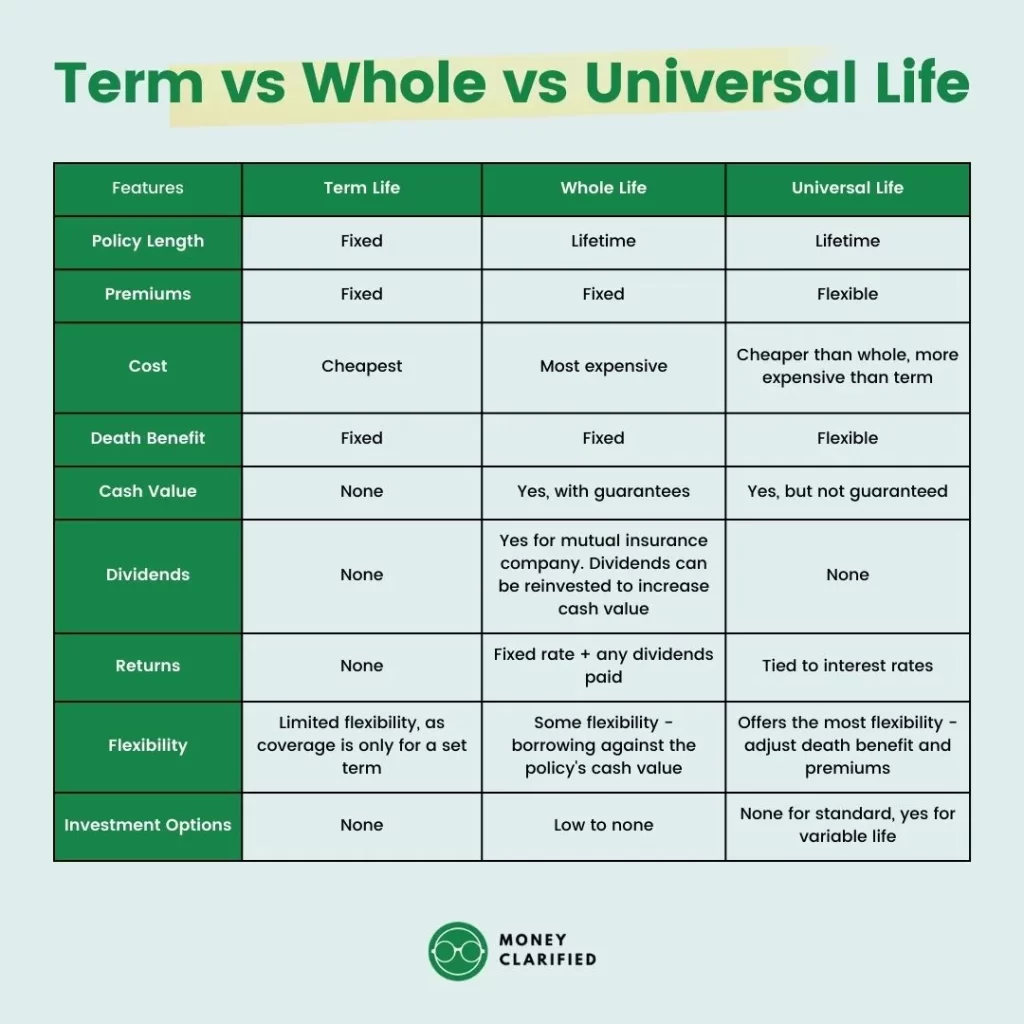
Whole Life Insurance is the most traditional form of permanent coverage. It is characterized by three "levels": level premiums (they never increase), a level death benefit, and level (guaranteed) cash value growth. This is the "set it and forget it" option for those who want absolute certainty and are willing to pay a higher initial premium for that peace of mind.
Universal Life Insurance, by contrast, is known for its "unbundled" nature. It separates the protection element from the savings element. This structure allows policyholders to shift their premium payments up or down—or even skip them entirely—if the cash value is sufficient to cover the monthly cost of insurance. In 2026, many policyholders are gravitating toward UL options to better manage their cash flow in a volatile economy.
Cost Breakdown: What Influences Your 2026 Quotes?
Life insurance pricing is an actuarial science, but several key factors drive the specific numbers you see on a 2026 quote. Understanding these allows you to adjust your choices to fit your budget.
The Age and Health Vector
The single largest determinant of cost remains your "attained age" at the time of application. In 2026, insurance carriers continue to use sophisticated data modeling to assess longevity. A healthy 35-year-old may see quotes for a Whole Life policy that are 30% to 50% lower than a 45-year-old for the same death benefit. Health classifications—ranging from "Preferred Plus" to "Standard"—can swing a quote by 20% or more.
The Cost of Insurance (COI)
In a Universal Life policy, the Cost of Insurance (COI) is a recurring internal charge that increases as you get older. While your premium might stay level at your discretion, the actual cost of the "death benefit" part of the policy rises every year. If your cash value does not grow fast enough to cover these rising COI charges, the policy could lapse. This is a critical distinction from Whole Life, where the premium is mathematically calculated to remain the same regardless of your aging.
Policy Fees and Commissions
Quotes often hide the internal "load" of a policy. These include:
- Premium Expense Charges: A percentage taken off the top of every dollar you pay.
- Surrender Charges: Fees applied if you cancel the policy within the first 10–15 years.
- Monthly Administrative Fees: Standard maintenance costs for the carrier.
Comparing Universal Life (UL) and Whole Life (WL) Mechanics
To make an informed choice, you must look beyond the monthly premium and understand how the "engine" of each policy functions.
Whole Life: The Guaranteed Choice
Whole Life policies are often issued by mutual insurance companies. These companies are owned by policyholders rather than shareholders. In 2026, a major draw for Whole Life is the potential for dividends. While not guaranteed, many top-tier mutual insurers have paid dividends every year for over a century. Dividends can be used to purchase "Paid-Up Additions," which increase both your death benefit and your cash value over time without requiring higher premiums.
Universal Life: The Flexible Choice
Universal Life provides a "menu" of interest-crediting strategies. In 2026, the most common choices are:
- Guaranteed Universal Life (GUL): Focuses purely on a low-cost, permanent death benefit with little to no cash value accumulation.
- Indexed Universal Life (IUL): Credits interest based on the performance of a market index (like the S&P 500) but includes a "floor" (usually 0%) to prevent losses during market downturns.
- Variable Universal Life (VUL): Allows you to invest the cash value directly in sub-accounts (similar to mutual funds). This offers the highest growth potential but carries the risk of losing principal.
2026 Estimated Cost Comparison Table
The following table provides a representative breakdown of monthly quotes for a $500,000 Death Benefit for a male in "Preferred" health. These figures are estimates based on 2026 industry averages and vary significantly by carrier.
| Issue Age | Whole Life (Monthly) | Guaranteed UL (Monthly) | Indexed UL (Target Premium) |
|---|---|---|---|
| 30 | $385 – $450 | $190 – $220 | $210 – $260 |
| 40 | $550 – $640 | $285 – $330 | $315 – $390 |
| 50 | $890 – $1,050 | $470 – $540 | $520 – $650 |
| 60 | $1,550 – $1,800 | $820 – $950 | $900 – $1,150 |
Note: "Target Premium" in IUL is the suggested amount to keep the policy funded and build cash value; it is not a fixed requirement.
Specific Policy Choices: Navigating IUL, VUL, and GUL
If you decide that the rigidity of Whole Life isn't for you, your "choices" within the Universal Life umbrella are vast.
Indexed Universal Life (IUL) in 2026
IUL remains a popular choice for those looking for "downside protection" with "upside potential." In 2026, look closely at the Participation Rates and Caps. If a policy has a 100% participation rate but a 9% cap, and the S&P 500 grows by 15%, your cash value only receives 9%. Conversely, if the market drops 20%, your cash value stays flat (minus the internal cost of insurance).
Variable Universal Life (VUL) Considerations
VUL is often treated as a wealth-management tool for high-net-worth individuals. Because the cash value is invested in the market, it requires active monitoring. In 2026, VUL quotes are often the most complex because they must include a "prospectus" detailing the underlying fund performance and fees.
Guaranteed Universal Life (GUL) for Simplicity
GUL is often called "Term to Age 121." It is the most affordable way to get a permanent death benefit. It does not build significant cash value, making it an "insurance first" choice. If your goal is simply to ensure there is a check for your heirs regardless of when you pass away, GUL quotes will almost always be lower than Whole Life quotes.
Evaluating Your Quote: Hidden Fees and Projections
When you receive a quote—technically called an illustration—it is vital to distinguish between "Guaranteed" and "Non-Guaranteed" values.
- The Guaranteed Ledger: This shows the absolute worst-case scenario. For a UL policy, this might show the policy lapsing at age 75 if interest rates stay at 0%. For Whole Life, it shows the minimum cash value the company must provide by law.
- The Current Assumption Ledger: This shows what happens if the current 2026 interest rates or dividend scales remain exactly the same for the next 50 years. This is rarely what actually happens.
- Loan Provisions: Most permanent policies allow you to borrow against the cash value. Check the quote for the "loan interest rate." Some policies offer "wash loans," where the interest you pay is offset by the interest the company credits to the collateralized cash.
Common Mistakes When Choosing Permanent Insurance
Underfunding Universal Life
Many people choose the "minimum premium" on a Universal Life quote to save money. This is a dangerous choice. If the policy is consistently underfunded, the rising cost of insurance in your 70s and 80s will eat the remaining cash value, and the policy will "implode," requiring massive payments to keep it active.
Overlooking the "Mutual" Advantage
Not all Whole Life policies are created equal. Stock-held companies prioritize shareholders. Mutual companies prioritize policyholders. When looking at quotes, ask if the company is a mutual or mutual-holding company, as this impacts your long-term dividend potential.
Ignoring the Tax Benefits
All permanent life insurance offers tax-deferred growth of cash value and a tax-free death benefit under Internal Revenue Code Section 101(a). If a quote looks expensive, factor in the "tax-equivalent yield" of the cash value growth compared to a taxable brokerage account.
FAQ: Universal and Whole Life Insurance
Can I convert my term policy into a universal or whole life policy?
Yes, most term life policies include a conversion rider. This allows you to "trade in" your term policy for a permanent one without undergoing a new medical exam. In 2026, this is a vital strategy for individuals whose health has declined since they first bought their term coverage.
Which policy is better for retirement planning?
Universal Life, particularly Indexed (IUL) or Variable (VUL), is often marketed as a retirement supplement because of the flexibility in withdrawals. However, Whole Life provides a more stable "bond-like" asset that can act as a volatility buffer during market downturns.
What happens if I stop paying premiums on a Whole Life policy?
If you stop paying, the policy doesn't necessarily vanish. Most have "Non-Forfeiture Options." You can use the existing cash value to buy a "Reduced Paid-Up" policy (a smaller death benefit with no more premiums due) or "Extended Term" insurance (the full death benefit for a limited number of years).
Why are Universal Life quotes lower than Whole Life quotes?
Universal Life quotes are generally lower because they do not guarantee the same level of cash value growth or premium stability that Whole Life does. The consumer takes on more of the risk regarding interest rates and mortality costs, which reduces the insurer's initial pricing.
Are premiums for these policies tax-deductible?
Generally, no. For individuals, life insurance premiums are considered a personal expense and are not tax-deductible. However, the growth within the policy is tax-deferred, and the death benefit is usually paid out tax-free to beneficiaries.
Final Recommendation: How to Move Forward
To choose the best permanent policy in 2026, start by defining your primary goal. If you require a guaranteed death benefit for estate taxes or final expenses and want no surprises, request Whole Life or Guaranteed Universal Life quotes. If you are looking for a flexible financial tool that can grow with the market and allow you to adjust your budget, focus on Indexed Universal Life.
Always request a "full illustration" rather than a one-page quote. Review the "Guaranteed" column to ensure you understand the policy's floor. Before signing, verify the carrier’s financial strength through ratings from agencies like A.M. Best or Moody’s to ensure they will be able to pay the claim decades from now.
Image Gallery