BQ Quinn Net Worth Overview: Financial Breakdown, Revenue Streams, and Asset Analysis
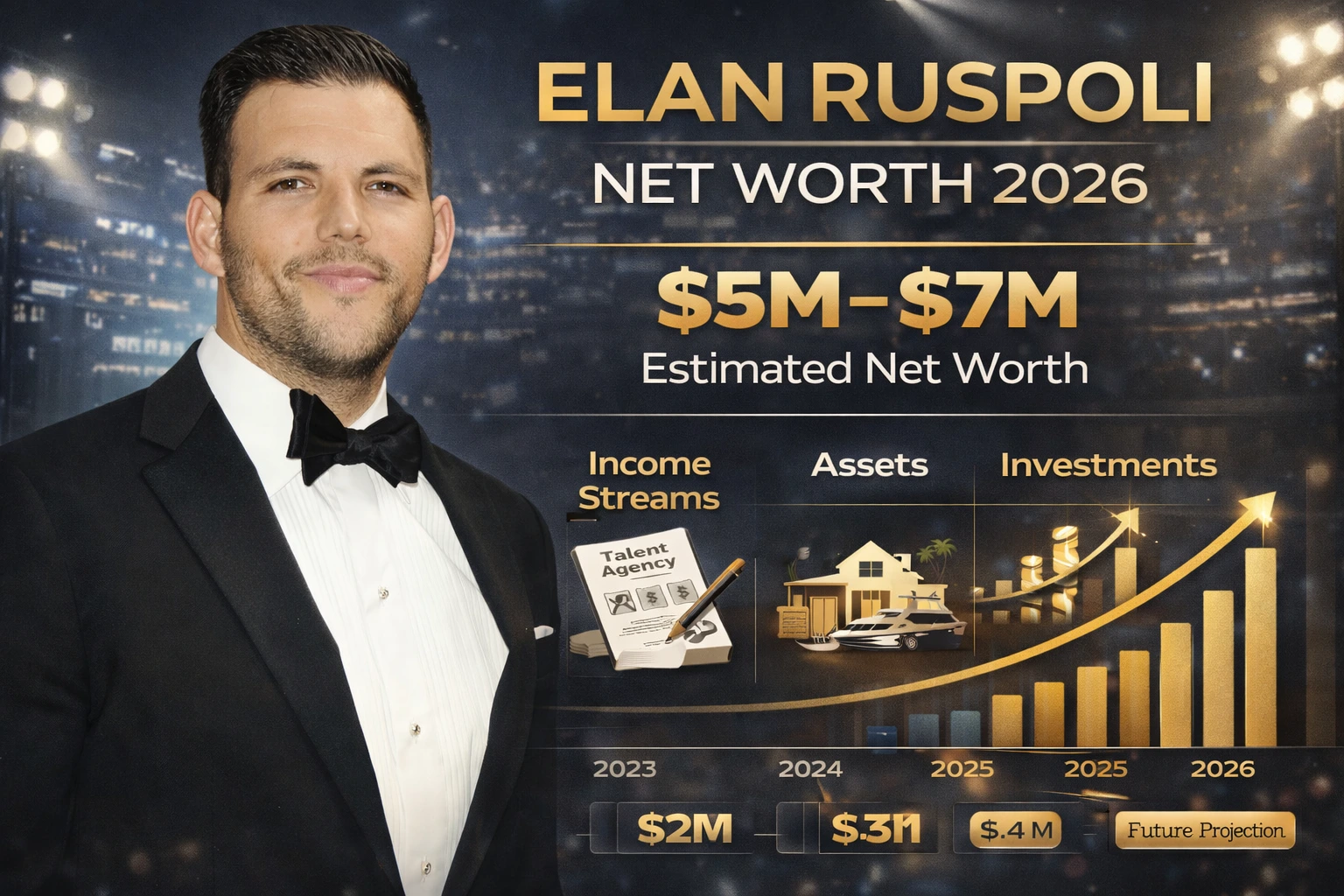
Brian "Q" Quinn—widely recognized as a core cast member of the hit television show Impractical Jokers and co-host of the long-running podcast Tell 'Em Steve-Dave!—has built an estimated net worth between $5 million and $7 million as of...
Brian "Q" Quinn—widely recognized as a core cast member of the hit television show Impractical Jokers and co-host of the long-running podcast Tell 'Em Steve-Dave!—has built an estimated net worth between $5 million and $7 million as of 2026. This financial profile is driven by cable television salaries, international live comedy tours, podcast subscription models, syndication royalties, and strategic merchandise sales.
Contents
Disambiguating "BQ Quinn": Entity Clarification
When examining a bqquinn net worth overview, it is essential to clarify the specific entity associated with the name. Online searches for "bqquinn" typically point toward two distinct public figures:
- Brian "Q" Quinn (Television Personality and Comedian): The primary subject of major public financial interest. Brian Quinn is a Staten Island native, former Fire Department of the City of New York (FDNY) firefighter, member of The Tenderloins comedy troupe, and star of TruTV’s flagship franchise Impractical Jokers.
- Brendan Quinn (@bqquinn on Social Platforms): A prominent American sports journalist who covers college basketball for publications including The Athletic. While Brendan Quinn holds the social media handle
@bqquinn, financial queries regarding net worth and enterprise earnings almost universally target Brian Quinn's multi-media entertainment career.
Understanding Brian Quinn’s financial growth requires evaluating his transition from municipal civil service to national cable syndication, live event promotion, and digital subscription business models.
Core Revenue Streams Driving Brian "Q" Quinn's Wealth
Brian Quinn’s financial footprint relies on a diversified income structure spanning traditional broadcast media, live event gross receipts, independent audio publishing, and consumer merchandise.
1. Impractical Jokers and Television Network Contracts
The primary engine of Quinn’s net worth expansion is Impractical Jokers, which premiered on TruTV in December 2011. Produced by NorthSouth Productions, the hidden-camera comedy series developed into a cornerstone franchise for Warner Bros. Discovery (formerly Turner Broadcasting System).
- Per-Episode Compensation: While network contracts are subject to non-disclosure agreements, established cable network stars of top-rated unscripted franchises typically command between $25,000 and $50,000 per episode during initial renegotiation cycles, rising higher during extended multi-season renewals.
- Syndication and Global Distribution: Impractical Jokers maintains widespread syndication across domestic cable channels, international broadcast networks, and subscription streaming platforms such as Max. Licensing deals provide ongoing backend royalties to the principal creators and cast members.
- Feature Film Rights: The release of Impractical Jokers: The Movie in 2020 contributed box-office earnings, theatrical bonuses, and subsequent home video licensing profits to the troupe's core members.
2. Live Comedy Tours and Stage Performances
Prior to the global expansion of television broadcasts, The Tenderloins operated as a live sketch and improv comedy troupe. The television show's success allowed Quinn and his castmates to transition to major arena tours across the United States, Canada, the United Kingdom, and Ireland.
- Venue Capacity and Ticket Volume: Arena engagements—including multi-night runs at venues such as Madison Square Garden in New York and The O2 Arena in London—generate significant gross revenue per performance.
- Profit Share: Touring contracts for headline comedy acts typically yield 70% to 80% of net ticket sales after venue rental fees, insurance, lighting, and production logistics are satisfied.
3. Independent Podcasting and Subscription Revenue (Tell 'Em Steve-Dave!)
Long before mainstream commercial podcasters monetized audio networks, Brian Quinn co-founded Tell 'Em Steve-Dave! (TESD) alongside Bryan Johnson and Walt Flanagan (formerly associated with Kevin Smith’s View Askew Productions and AMC’s Comic Book Men).
- Patreon Subscription Model: TESD operates one of the most commercially successful creators pages on Patreon, generating substantial monthly recurring revenue (MRR) through multi-tiered fan subscriptions.
- Merchandising and Special Releases: Independent audio publishing allows Quinn to retain direct equity in merchandise sales, vinyl records, crypto-free collectibles, and exclusive video content distributed directly to the subscriber base without network intermediary fees.
4. Municipal Service Background and FDNY Contributions
Before achieving television success, Quinn served as a firefighter with the FDNY, stationed at Engine 86 / Ladder 61 in Staten Island.
- Pension and Municipal Benefits: Having left the department to pursue full-time production commitments for Impractical Jokers, Quinn did not complete the full 20-year service requirement for a standard full FDNY pension.
- Philanthropy and Community Reinvestment: Quinn has publicly directed significant funding back to Staten Island community organizations and firefighter support charities, including donations to local firehouses following his commercial breakthrough.
Financial Overview and Earnings Structure
The table below breaks down the primary operational components contributing to Brian "Q" Quinn’s financial portfolio, detailing the revenue mechanisms, valuation impact, and ownership structures associated with each channel.
| Revenue Channel | Primary Income Mechanism | Ownership / Royalty Model | Financial Valuation Impact |
|---|---|---|---|
| TV Broadcast (Impractical Jokers) | Per-episode salary, executive producer fees | Warner Bros. Discovery licensing, cast talent contracts | High (Dominant base salary & ongoing broadcast royalties) |
| Streaming & Syndication Licensing | On-demand streaming royalties (Max, domestic cable) | Residual payments structured via SAG-AFTRA guidelines | Moderate to High (Provides long-term passive cash flow) |
| Live Arena & Theater Tours | Ticket gross, VIP packages, venue merchandise | Joint profit distribution among troupe principals | High (Variable based on active tour scheduling) |
| Independent Podcasting (TESD) | Monthly Patreon subscriptions, ad reads, direct sales | Direct equity split among three co-hosts | Moderate (High-margin, recurring, low-overhead revenue) |
| Brand Partnerships & Cameos | Commercial endorsements, voice acting, appearances | Direct fee-for-service contracts | Low to Moderate (Supplemental income stream) |
Net Worth Estimation Methodology and Financial Liabilities
Evaluating the public net worth of a media figure involves analyzing gross earnings against essential operational expenses, professional fees, and tax structures.
- Gross Entertainment Income (TV, Tours, Podcasts)
- Less: Agent, Manager, and Legal Fees (15% – 20%)
- Less: Production, Logistics, and Payroll Overhead
- Less: Federal, New York State, and NYC Local Taxes (~45% – 50% Effective)
- Net Retained Wealth (Liquid Assets, Equity, Real Estate)
Key Expenditure and Reduction Factors
- High-Tax Jurisdiction: As a lifelong resident of Staten Island, New York, Quinn operates within one of the highest tax environments in the United States. Combined federal income tax, New York State income tax, and New York City resident tax can absorb nearly 50% of top-tier marginal earnings.
- Representation and Professional Fees: Standard industry practice dictates that actors and showrunners pay 10% to talent agencies, 5% to personal management teams, and hourly or percentage-based fees to entertainment attorneys.
- Production Overhead for Live Events: Multi-city touring involves venue leasing, travel costs, security personnel, merchandise manufacturing, and road crew compensation, which reduces raw box-office receipts to net distributed income.
Strategic Factors Impacting Long-Term Wealth Trajectory
Several ongoing commercial dynamics dictate whether Brian Quinn’s total net worth will appreciate or stabilize over the coming years.
Franchise Adaptability and Cast Dynamics
Following the departure of founding member Joe Gatto from Impractical Jokers in late 2021, the franchise adapted by incorporating celebrity guest stars while maintaining core cast chemistry between Brian Quinn, Sal Vulcano, and James Murray. The show's ability to maintain high ratings and secure continued season orders directly protects Quinn's primary broadcast earning potential.
Growth of Direct-to-Consumer IP
Unlike television broadcasts where distribution networks own the master rights, independent podcasts like Tell 'Em Steve-Dave! represent fully owned intellectual property. As subscription-based creator economies mature, direct fan-funded platforms yield higher profit margins per user than traditional cable television contracts.
Frequently Asked Questions
What is the estimated net worth of Brian "BQ" Quinn in 2026?
Brian Quinn's net worth is estimated between $5 million and $7 million. This valuation reflects accumulated broadcast compensation from Impractical Jokers, international live comedy tour revenues, podcast subscription income, and syndication residuals.
How much does Brian Quinn make per episode on Impractical Jokers?
While exact contract figures remain confidential, experienced stars of successful long-running cable reality and comedy series typically earn between $25,000 and $50,000+ per episode during advanced contract renewals, supplemented by production and royalty arrangements.
Is @bqquinn on Twitter/X the same person as Brian Quinn from Impractical Jokers?
No. The handle @bqquinn on platforms like Twitter/X belongs to Brendan Quinn, a sports journalist who covers college basketball for The Athletic. Brian Quinn's verified social media presence is handled under specific public accounts distinct from the sports writer's personal handle.
Does Brian Quinn still receive money from the FDNY?
No. Brian Quinn left the FDNY prior to completing the required 20 years of active service needed for a full municipal pension. He worked as a firefighter prior to the commercial success of Impractical Jokers and has since donated financially to firefighter relief funds and local Staten Island causes.
How does Tell 'Em Steve-Dave! contribute to his net worth?
Tell 'Em Steve-Dave! generates substantial direct-to-consumer income via Patreon subscriptions, merchandise, vinyl record sales, and live tapings. Because the co-hosts own the intellectual property outright, operating margins are significantly higher than traditional network TV projects.
Does Brian Quinn own real estate in New York?
Yes. Brian Quinn has spent his life in Staten Island, New York, where he has invested a portion of his media earnings into local residential property. Real estate holdings in the New York metropolitan area serve as a stable foundation for his total asset portfolio.
Practical Recommendations for Media Asset Valuation
For researchers, industry analysts, and fans analyzing executive or celebrity financial profiles:
- Distinguish Gross Revenue from Net Worth: Public box-office totals or network deal numbers do not equal individual wealth. Always factor in talent fees (15–20%), production costs, and combined federal/state tax liabilities.
- Verify Entity Identity: Ensure handle disambiguation when looking at digital assets. Cross-reference official production credits rather than relying strictly on shared social media handles like
@bqquinn. - Assess IP Ownership Models: Recognize the difference between work-for-hire television contracts (which pay higher upfront salaries) and direct creator-owned platforms like Patreon (which build recurring equity value over time).
Image Gallery