How Disaster Restoration Companies Operate: The Full Process and Business Model
Disaster restoration companies operate through a structured four-phase process: emergency mitigation, damage assessment, remediation, and structural restoration. They function as specialized contractors that bridge the gap between prop...
Disaster restoration companies operate through a structured four-phase process: emergency mitigation, damage assessment, remediation, and structural restoration. They function as specialized contractors that bridge the gap between property owners and insurance providers, utilizing industrial-grade technology and certified protocols to return damaged residential or commercial properties to their pre-loss condition safely and efficiently.
Contents
Disaster restoration is a high-stakes, specialized sector of the construction and environmental services industry. Unlike standard remodeling contractors, restoration professionals must manage biological hazards, structural instability, and complex insurance requirements under extreme time pressure. In 2026, the industry continues to evolve with advanced sensor technology and AI-integrated estimating software, yet the core operational pillars remain rooted in rapid response and scientific drying or cleaning principles.
The 24/7 Emergency Response Framework
The primary operational characteristic of a disaster restoration company is its "always-on" availability. Because water damage, fire aftermath, and storm impacts worsen with every hour of neglect, these companies maintain 24/7 dispatch centers. This readiness is not merely a customer service choice; it is a technical necessity to prevent secondary damage, such as mold growth or structural wood rot.
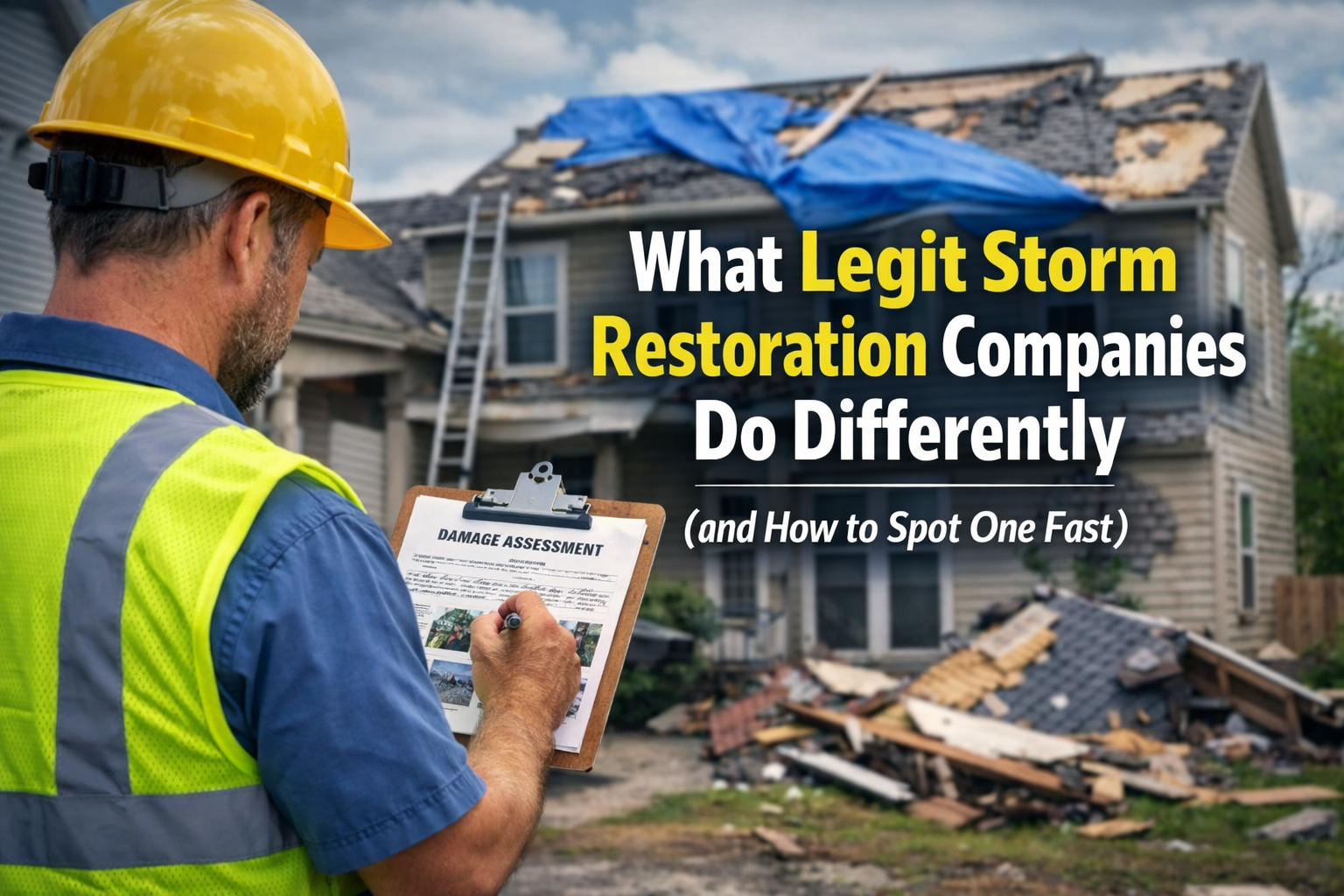
When a call is received, the company dispatches an emergency response team equipped with "first-aid" supplies for buildings. This initial stage, often called the "stabilization phase," focuses on preventing further loss. For a flooded property, this means immediate water extraction; for a fire-damaged building, it involves boarding up broken windows and tarping damaged roofs to protect the interior from weather and vandalism.
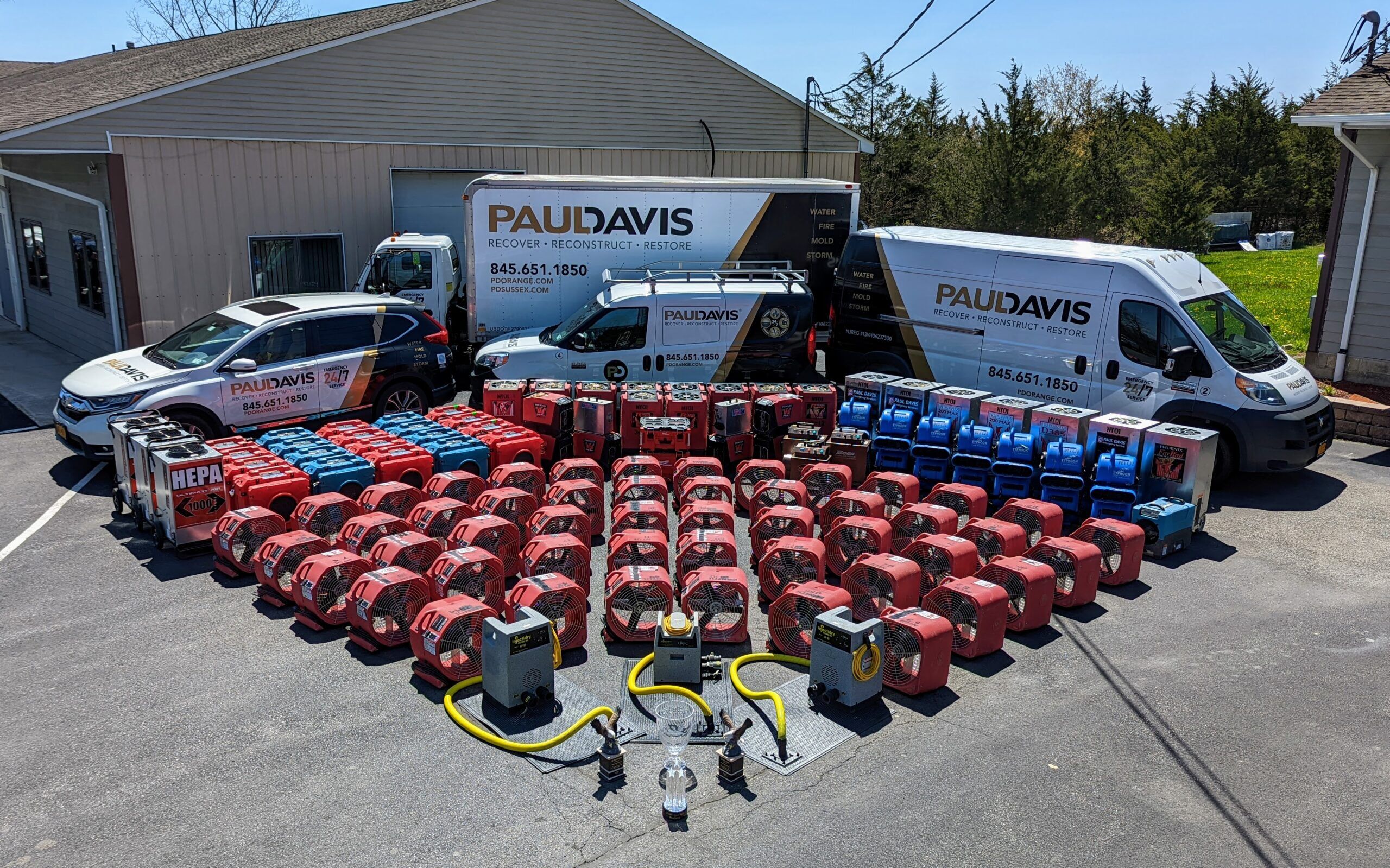
Operationally, these companies maintain a fleet of vehicles pre-loaded with specialized equipment. This logistical readiness allows them to meet strict "arrival windows"—often within two to four hours of the initial call—which is frequently a requirement for being a preferred vendor for major insurance carriers.
Comprehensive Site Assessment and Safety Protocols
Once the site is stabilized, the project manager or lead technician conducts a thorough assessment. This is where the technical expertise of the restoration firm is most visible. In 2026, this process typically involves the use of infrared (thermal imaging) cameras and moisture meters to detect water hidden behind drywall or under floorboards that is not visible to the naked eye.
The assessment serves two main purposes:
- Safety Evaluation: Technicians identify hazards such as asbestos (common in older materials disturbed by damage), lead paint, structural compromises, and "Category 3" water (black water containing pathogens).
- Scope of Work Creation: The findings are compiled into a digital report. This report uses standardized industry software, most commonly Xactimate or Symbility, which provides line-item pricing that insurance adjusters accept. This ensures that the restoration company and the insurance company are speaking the same financial language.
The Mitigation Phase: Controlling the Environment
Mitigation is the process of reducing or preventing the amount of loss, and it is the most critical operational step. In water damage scenarios, this involves psychrometry—the science of drying. Restoration companies don't just "blow air" on a wet carpet; they manipulate temperature, humidity, and airflow to create an environment that pulls moisture out of materials.
Standard equipment used during this phase includes:
- Low-Grain Refrigerant (LGR) Dehumidifiers: These remove moisture from the air even in low-humidity environments.
- High-Velocity Air Movers: These are placed strategically to create a vortex of air across surfaces, speeding up evaporation.
- HEPA Air Scrubbers: Used primarily in fire and mold cases to remove airborne soot, spores, and toxins.
During mitigation, the company monitors the "drying goals" daily. Technicians take moisture readings of the affected materials and compare them to "dry standards" (readings from unaffected areas of the building). The mitigation phase is considered complete only when the materials have reached these scientifically verified dry standards.
Remediation and Specialized Cleaning
While mitigation stops the damage, remediation removes the contaminants. In the case of fire restoration, this involves the removal of soot and smoke residues. Soot is often acidic and can etch glass or ruin metal fixtures if left for more than a few days. Restoration companies use specialized alkaline cleaners and ultrasonic cleaning tanks for delicate items like electronics or jewelry.
In mold remediation, the operation follows strict containment protocols. Technicians build "zip-wall" barriers using heavy-duty plastic and maintain negative air pressure to ensure that mold spores disturbed during cleaning do not migrate to unaffected parts of the building. This phase often requires third-party "clearance testing" where an independent industrial hygienist verifies that the air quality has returned to safe levels before the containment is removed.
Structural Restoration and Reconstruction
The final stage of the operation is the actual repair or "build-back." Many restoration companies operate as full-service general contractors. Once the building is dry, clean, and safe, they transition from "technicians" to "tradespeople." This involves hanging new drywall, installing flooring, painting, and performing electrical or plumbing repairs.
Operational efficiency in this phase depends on project management. The company must coordinate various subcontractors (carpenters, electricians, plumbers) while keeping the insurance adjuster informed of any "supplements"—additional costs discovered during the rebuild that were not in the initial estimate. By handling both the mitigation and the reconstruction, these companies provide a "turnkey" solution that simplifies the process for the property owner.
The Business Relationship with Insurance Carriers
A significant portion of a restoration company's operations is dedicated to administrative compliance with insurance companies. Many firms operate within Managed Repair Programs (MRPs). In these arrangements, the restoration company is a "preferred provider" for an insurance carrier.
The trade-off is strict: the restoration company gets a steady stream of leads but must adhere to rigid performance metrics, such as:
- Contacting the homeowner within 30 minutes of the claim.
- Uploading the full estimate and photos within 24 to 48 hours.
- Adhering to strict pricing caps on equipment usage.
Even for "independent" companies not in an MRP, the operation revolves around the "Triad of Communication" between the contractor, the policyholder, and the insurance adjuster. Every piece of equipment used must be justified by moisture logs and photographic evidence to ensure the claim is paid.
Industry Standards: The IICRC Influence
To operate legitimately, restoration companies generally follow the standards set by the Institute of Inspection, Cleaning and Restoration Certification (IICRC). The IICRC S500 (Standard for Professional Water Damage Restoration) and S520 (Standard for Professional Mold Remediation) are the industry "bibles."
These standards dictate the specific number of air movers required based on the square footage of a room and the "class" of water damage. Operating according to these standards protects the company from liability and ensures that the property is truly restored to a healthy state, rather than just appearing clean on the surface.
| Restoration Phase | Primary Goal | Key Equipment/Tools | Documentation Required |
|---|---|---|---|
| Emergency Response | Prevent immediate further loss | Board-up materials, extractors | Initial site photos, safety check |
| Mitigation | Stabilize environment | LGR Dehumidifiers, air movers | Daily moisture logs, psychrometric charts |
| Remediation | Remove contaminants | HEPA scrubbers, antimicrobial agents | Post-remediation verification (PRV) |
| Restoration | Physical reconstruction | Standard construction tools | Final walk-through, certificate of completion |
Frequently Asked Questions
Do restoration companies decide if an item is "salvageable"?
Restoration companies provide a professional recommendation based on the "cost of cleaning vs. cost of replacement." However, the final decision usually rests with the insurance adjuster. For porous items like mattresses or unfinished wood soaked in Category 3 water (sewage), restoration companies will almost always recommend disposal due to health risks.
How do these companies charge for their services?
Most professional restoration companies do not set their own arbitrary prices. Instead, they use regional price lists updated monthly in software like Xactimate. These lists account for current labor rates, material costs (like lumber and drywall), and fuel surcharges in 2026. This standardization helps avoid price gouging during wide-scale disasters.
Can a homeowner choose their own restoration company?
Yes. In most jurisdictions, homeowners have the legal right to hire any qualified contractor they choose. While insurance companies may "strongly suggest" their preferred vendors (who have pre-negotiated rates), the contract for services is ultimately between the homeowner and the restoration company.
How long does the drying process usually take?
On average, a professional drying project takes between three and five days. Factors that influence this timeline include the density of the materials (hardwood takes longer than drywall), the volume of water, and the outdoor humidity levels. If a property is not dry within five days, the restoration company must typically justify the extended equipment rental to the insurance carrier.
Is mold remediation always included in water damage restoration?
Not automatically. Mold remediation is often a separate "protocol" with different insurance coverage limits. However, if water mitigation is started within the first 24-48 hours, the goal is to prevent mold from ever forming. If mold is already present upon arrival, the company must switch to a remediation workflow involving containment and specialized filtration.
Final Recommendation for Property Owners
When dealing with a disaster, verify that the restoration company is IICRC certified and carries Pollution Liability Insurance, which is a specific type of coverage that standard general contractors often lack. Before work begins, ensure you receive a clear "Work Authorization" form but understand that in an emergency, the final price may not be known until the full scope of hidden damage is revealed during the mitigation phase. Always request a copy of the daily moisture logs to ensure the company is using a data-driven approach to your property's recovery.
Image Gallery