Understanding EPLI versus Workers Compensation Coverage
Employment Practices Liability Insurance (EPLI) and Workers Compensation coverage are two distinct pillars of business insurance, each designed to address specific types of legal and financial exposure. While both involve employees, th...
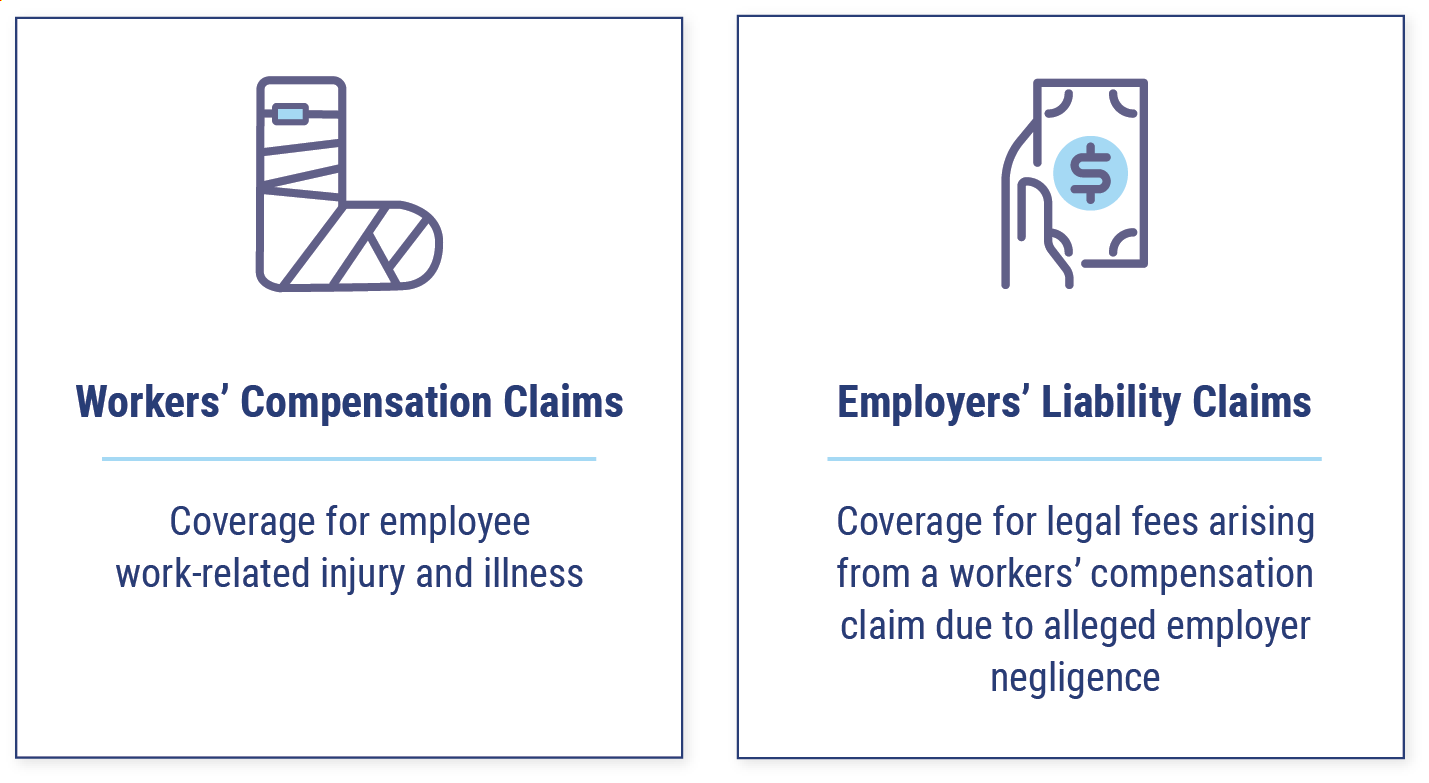
Employment Practices Liability Insurance (EPLI) and Workers Compensation coverage are two distinct pillars of business insurance, each designed to address specific types of legal and financial exposure. While both involve employees, they operate under different legal frameworks, cover different types of damages, and respond to unique triggers. Workers Compensation is a statutory requirement focused on occupational injuries and illnesses, whereas EPLI is a commercial liability policy addressing workplace-related civil claims such as discrimination, harassment, and wrongful termination.
Contents
The Role of Workers Compensation Insurance
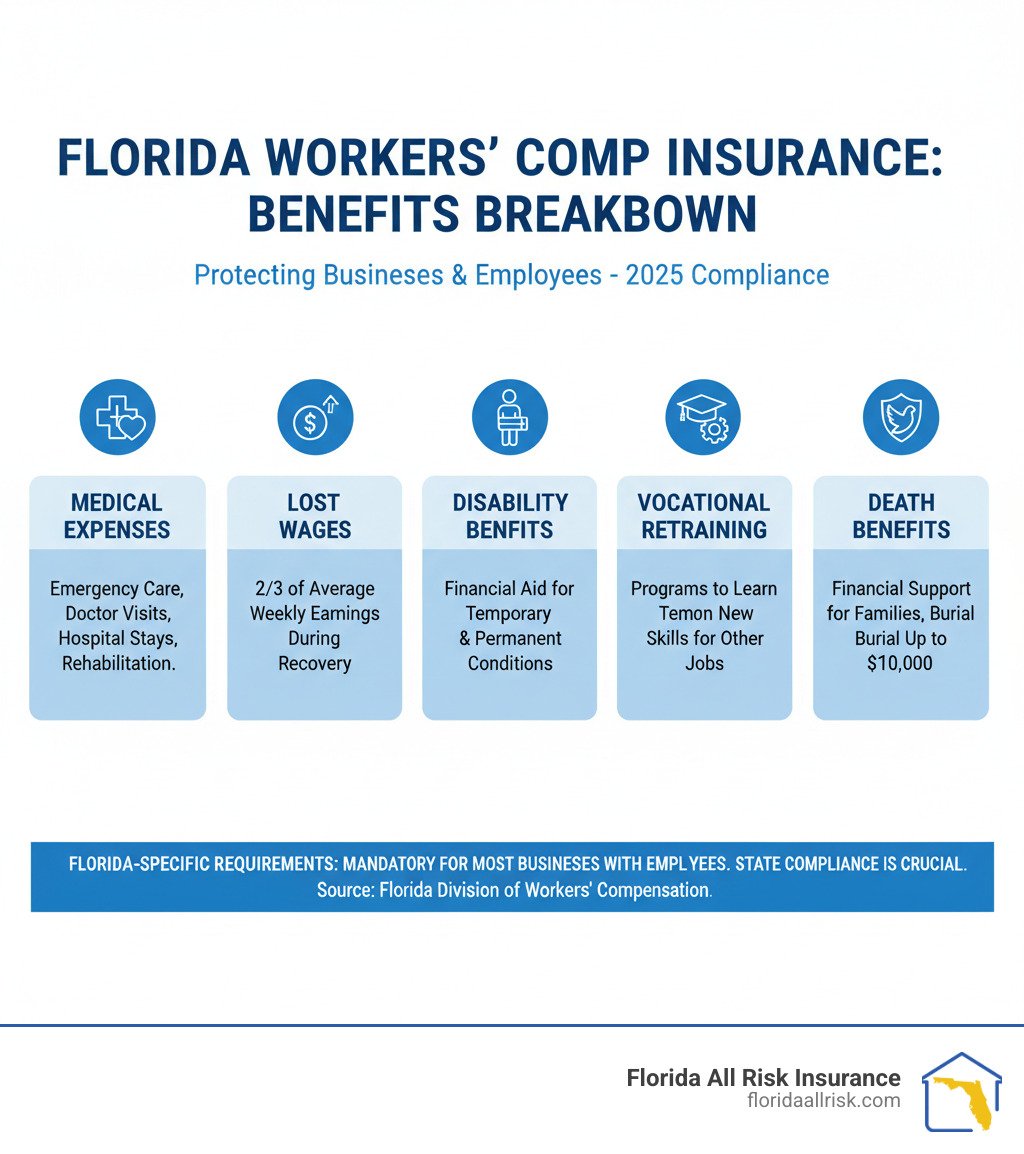
Workers Compensation insurance is a no-fault system mandated by state law in nearly every U.S. jurisdiction. Its primary purpose is to provide medical care, lost wages, and rehabilitation services to employees who suffer work-related injuries or illnesses.
Because it is a no-fault system, the employee does not need to prove that the employer was negligent to receive benefits. In exchange for this guaranteed coverage, the employer receives "exclusive remedy" protection. This legal principle generally prevents employees from suing their employers for work-related injuries, except in cases of gross negligence or intentional harm.
The coverage scope of a standard Workers Compensation policy includes:
- Medical expenses: Payment for hospital visits, surgery, medication, and physical therapy related to the injury.
- Lost wages: Replacement income for time missed from work due to a covered medical condition.
- Disability benefits: Financial support for permanent or temporary impairment resulting from an incident.
- Death benefits: Compensation provided to dependents in the event of a fatal workplace accident.
Defining Employment Practices Liability Insurance (EPLI)
Unlike the statutory nature of Workers Compensation, Employment Practices Liability Insurance (EPLI) is a discretionary commercial policy designed to protect an organization against the rising costs of employment-related litigation. EPLI covers claims brought by employees (or sometimes job applicants) alleging that their legal rights have been violated in the workplace.
As of 2026, the regulatory landscape regarding employee rights continues to evolve, making EPLI a vital component of a comprehensive risk management strategy. EPLI policies typically cover the costs of legal defense, settlements, and judgments related to:
- Discrimination: Allegations based on race, gender, age, religion, disability, or other protected characteristics.
- Sexual Harassment: Claims involving a hostile work environment or quid pro quo behavior.
- Wrongful Termination: Lawsuits alleging that an employee was fired in violation of contract, public policy, or anti-discrimination laws.
- Retaliation: Claims that an employer took adverse action against an employee for reporting illegal or unethical behavior.
- Failure to Promote or Hire: Allegations regarding unfair hiring or advancement practices.
Key Differences at a Glance
The following table highlights the fundamental distinctions between these two insurance products to clarify where each coverage applies.
| Feature | Workers Compensation | EPLI |
|---|---|---|
| Primary Trigger | Physical injury or illness | Civil rights/Employment violations |
| Legal Status | Legally mandated (statutory) | Optional (highly recommended) |
| Basis of Claim | No-fault system | Allegations of legal wrongdoing |
| Core Protection | Medical/lost wages | Legal defense and litigation costs |
| Exclusivity | "Exclusive remedy" protection | Does not replace other legal rights |
Where Overlap and Confusion Occur
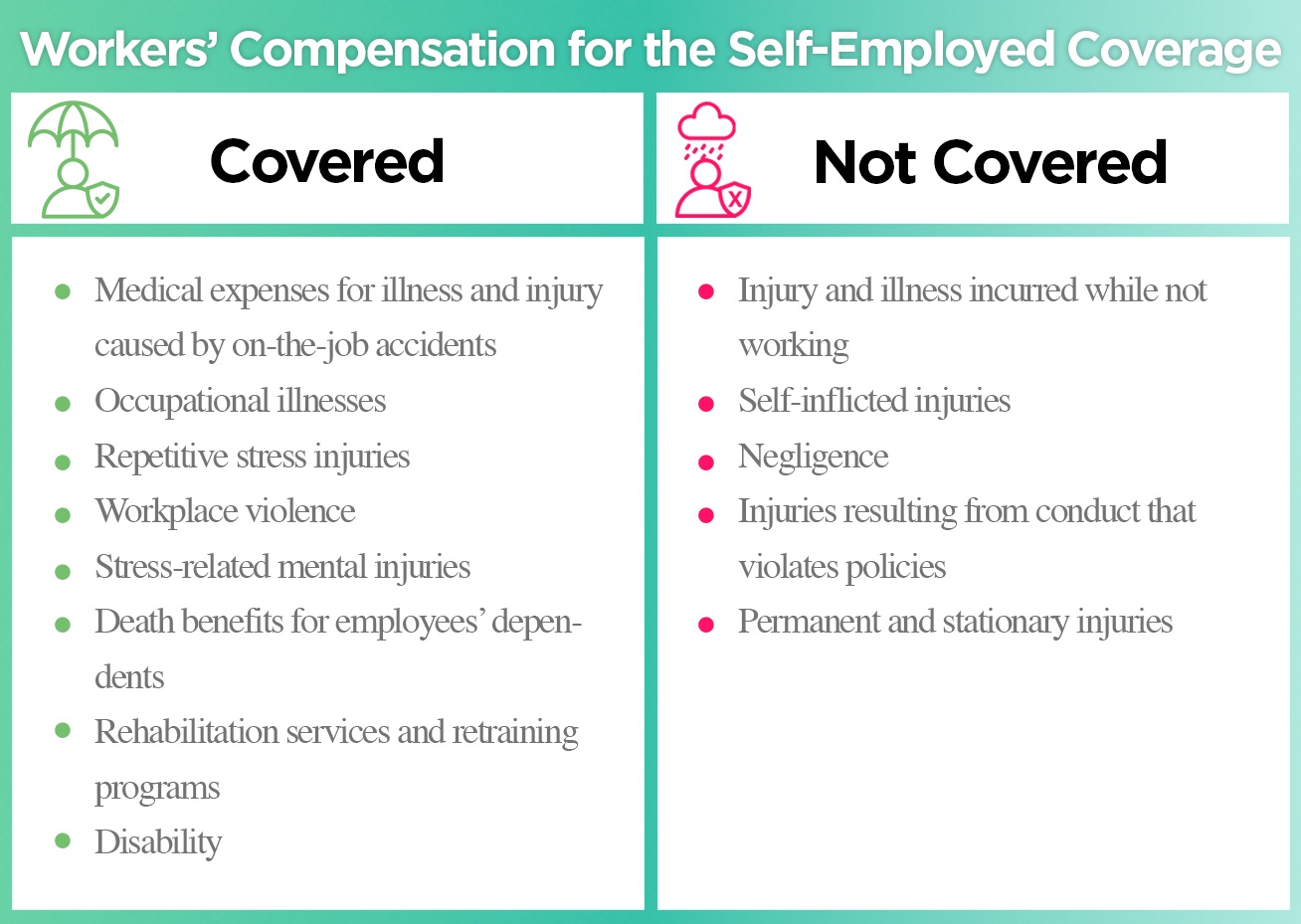
The most common confusion regarding these coverages occurs when an incident has both physical and emotional components. For example, if an employee experiences severe workplace stress that leads to a diagnosed physical injury, the claim might trigger Workers Compensation. However, if that same stress is attributed to a hostile work environment or systemic harassment, the employee may simultaneously file a lawsuit for civil rights violations.
In such scenarios, insurers generally handle the components separately. Workers Compensation will address the physical medical claim, while the EPLI policy would be invoked to address the litigation surrounding the alleged misconduct. Employers should be aware that failing to carry both coverages can leave significant gaps in protection, especially since Workers Compensation specifically excludes civil rights violations, and EPLI generally excludes bodily injury or workers' compensation benefits.
Statutory Requirements and Enforcement
In the United States, Workers Compensation is governed by state-specific agencies. Failure to maintain this coverage is a serious offense that can result in heavy fines, stop-work orders, and personal liability for business owners.
EPLI, conversely, is not required by law, though many corporate governance structures and lending requirements make it a prerequisite for operation. While Workers Compensation is often priced based on an employer's payroll and the risk classification of the industry (e.g., construction vs. office work), EPLI premiums are determined by factors such as:
- Employee count: Total headcounts and turnover rates.
- Employment history: Frequency of previous lawsuits or internal complaints.
- HR Infrastructure: The presence of a dedicated human resources department and standardized employee handbooks.
- Industry Sector: High-growth or high-turnover sectors often face higher premiums due to increased litigation risk.
Risk Management Best Practices
Regardless of the insurance carried, the best way to manage costs—both in terms of premiums and potential litigation—is through robust operational policies. For Workers Compensation, this means implementing rigorous safety training and return-to-work programs. For EPLI, it requires maintaining a culture of accountability and fairness.
Business owners should consider the following steps to mitigate risks:
- Develop a Comprehensive Employee Handbook: Clearly outline codes of conduct, anti-harassment policies, and complaint procedures.
- Standardize Documentation: Ensure every disciplinary action, performance review, and hiring decision is documented to provide an objective record.
- Training Programs: Conduct regular, documented training for managers on how to conduct interviews, performance reviews, and terminations in accordance with federal and state labor laws.
- Safety Audits: Regularly inspect facilities to meet Occupational Safety and Health Administration (OSHA) standards to reduce Workers Compensation claims.
Frequently Asked Questions
Does Workers Compensation cover stress-related claims? Coverage for mental or stress-related claims varies significantly by jurisdiction. Some states allow it if the stress is documented as resulting from a specific, identifiable workplace incident, while others maintain a high burden of proof that excludes most "general" job-related stress.
Can I be sued if I have Workers Compensation? Generally, the "exclusive remedy" doctrine prevents employees from suing for work-related injuries. However, exceptions exist in cases of gross negligence, intentional harm inflicted by the employer, or cases involving third-party equipment liability.
Does EPLI cover wage and hour disputes? Standard EPLI policies often exclude wage and hour disputes, such as claims regarding unpaid overtime or minimum wage violations. These issues are typically handled by separate endorsements or distinct policies known as Wage and Hour Insurance.
Is EPLI coverage cost-prohibitive for small businesses? While premiums vary, many insurers offer "packaged" EPLI policies for small businesses that provide lower limits and broader protection at a manageable cost. Evaluating the risk of a single employment lawsuit versus the annual premium is a standard financial exercise for small business owners.
What happens if I terminate an employee who filed a Workers Compensation claim? Terminating an employee shortly after they file a workers' compensation claim can be viewed as "retaliatory" and may trigger a lawsuit. Such a scenario is a prime example of where EPLI coverage becomes essential to defend the business, even if the termination was for legitimate, non-discriminatory reasons.
Final Considerations and Next Actions
Insurance is only one piece of the liability puzzle. Before securing coverage, business owners should review their existing policies to identify any potential gaps. If you are currently operating without EPLI, request an assessment from a commercial broker to understand how your company’s HR processes influence your risk profile. For Workers Compensation, verify that your classification codes match your actual business operations to ensure you are not overpaying or, more dangerously, under-covered. Seek counsel from a labor and employment attorney to ensure that your internal policies are compliant with current 2026 state and federal standards, as this is the best defense against a claim ever needing to be filed.
Image Gallery