The Perfect Neighbor: Understanding the Susan Lorincz Story and Netflix Media Coverage
While there is no Netflix original series titled "The Perfect Neighbor" created by or starring Susan Lorincz, her case is a primary focus of the Netflix true-crime docuseries Worst Neighbor Ever. The series documents the 2023 shooting...
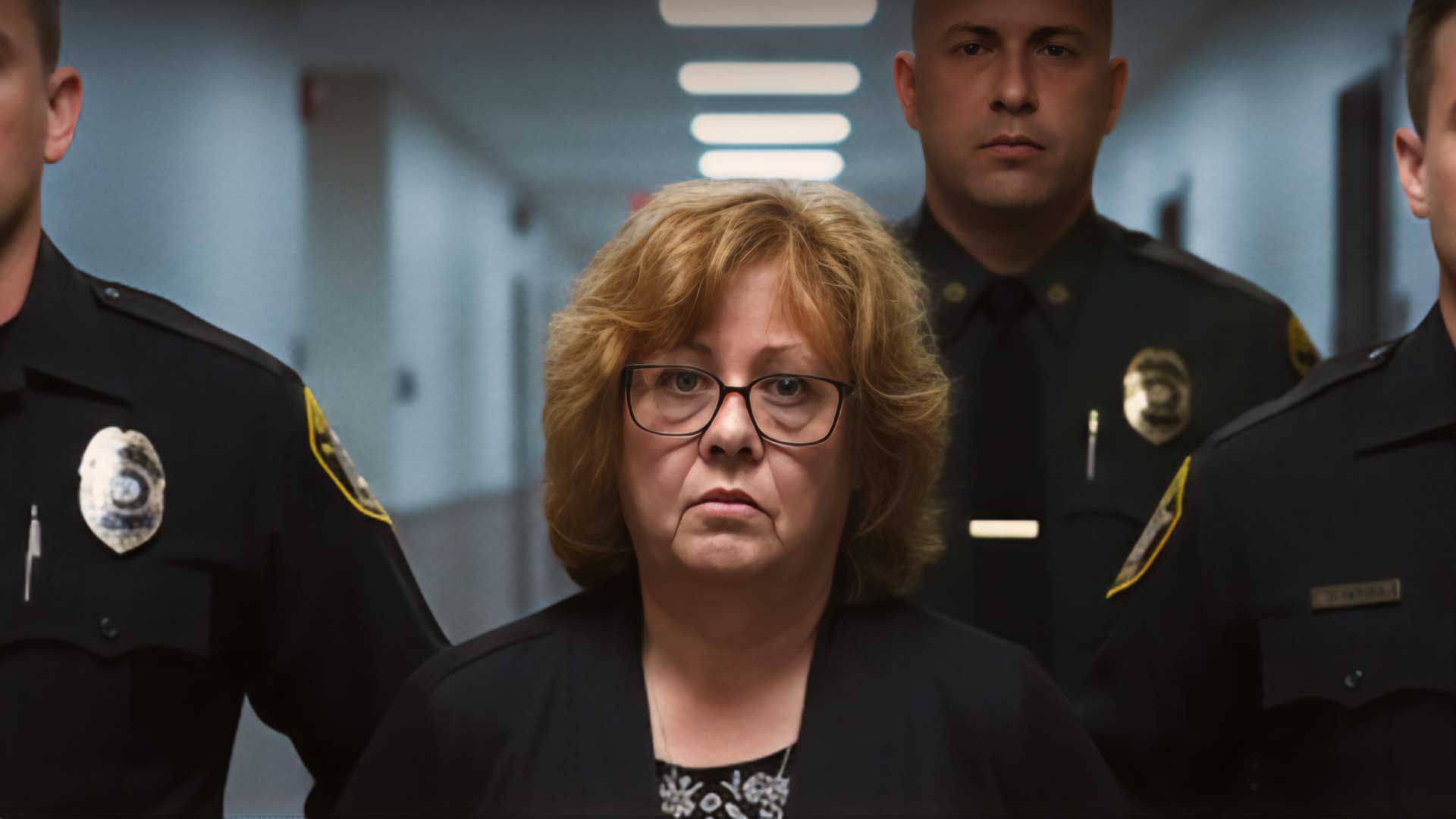
While there is no Netflix original series titled "The Perfect Neighbor" created by or starring Susan Lorincz, her case is a primary focus of the Netflix true-crime docuseries Worst Neighbor Ever. The series documents the 2023 shooting of Ajike "AJ" Owens by Lorincz in Ocala, Florida, detailing the legal battle over "Stand Your Ground" laws and the tragic escalation of a neighborhood dispute.
Contents
The case of Susan Lorincz remains one of the most polarizing examples of American neighborhood conflict captured on film. In 2026, as viewers revisit the cinematic retelling of these events, the distinction between reality and dramatization remains a critical point of discussion for true-crime enthusiasts and legal scholars alike.
The Case of Susan Lorincz: A Timeline of the Ocala Shooting
To understand why the "Perfect Neighbor" label is often associated with Susan Lorincz—usually with heavy irony—one must look at the tragic events of June 2, 2023. Susan Lorincz, then 58, lived in a quiet development in Ocala, Florida. Her neighbor, Ajike "AJ" Owens, a 35-year-old mother of four, lived nearby.
The conflict did not begin on the day of the shooting. For years, Lorincz had been embroiled in disputes with neighborhood children, including Owens' children, over their use of a common area near her home. On the day of the incident, Lorincz became agitated by the children playing. Witnesses and court records indicate she threw a rollerblade at one of the children and swung an umbrella at them. When the children informed their mother, AJ Owens walked to Lorincz’s front door to confront her.
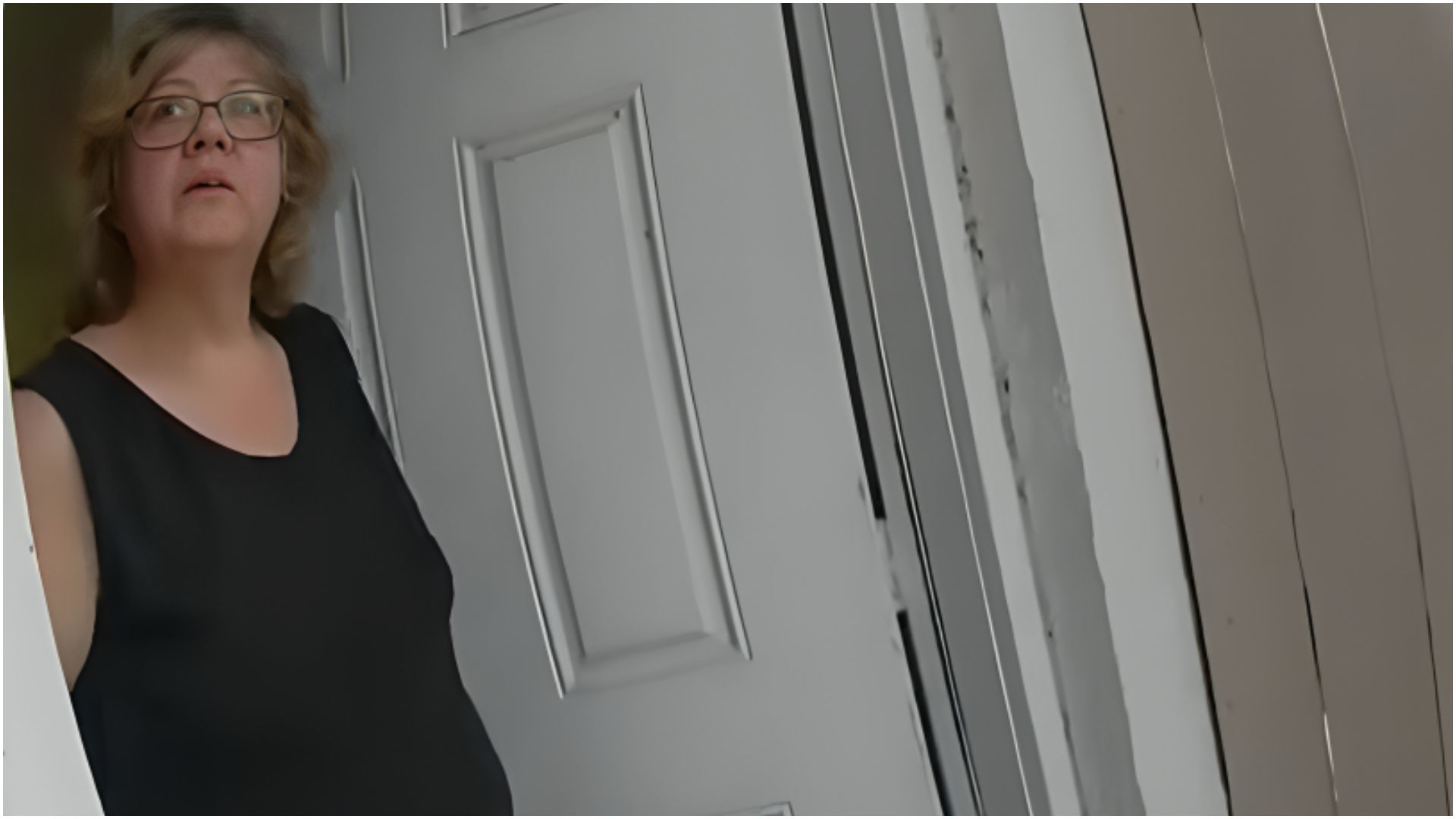
Owens knocked on the door; she did not attempt to enter the home. Lorincz fired a single shot from a .380-caliber handgun through her closed, locked deadbolt door. The bullet struck Owens in the chest in front of her 9-year-old son. Owens later died at a local hospital.
The Initial Investigation and "Stand Your Ground"
For several days following the shooting, Lorincz was not arrested. This delay caused significant national outcry and sparked protests in Marion County. The Marion County Sheriff’s Office initially cited Florida’s Stand Your Ground law (Florida Statute 776.012), which permits individuals to use deadly force if they reasonably believe it is necessary to prevent death or great bodily harm.
Sheriff Billy Woods emphasized at the time that the law required investigators to prove that the shooter’s fear was not reasonable before an arrest could be made. However, after witness interviews and a review of Lorincz’s history of aggressive behavior toward the children—including the use of racial slurs—prosecutors determined that her actions were not a justifiable application of self-defense.
The Legal Outcome: Conviction and Sentencing
By 2026, the legal saga of Susan Lorincz has reached its conclusion, serving as a landmark case for how Florida courts interpret "Stand Your Ground" in the context of non-forcible entry.
Lorincz was charged with manslaughter with a firearm, a first-degree felony. During the trial, the prosecution presented evidence that Lorincz had a long-standing animosity toward the Owens family. They argued that firing through a locked door at an unarmed woman who was merely knocking was a "reckless" and "depraved" act, rather than a defensive one.
The defense argued that Lorincz was a frail woman who felt "under siege" by the neighborhood children and feared for her life when she heard Owens banging on the door. However, the jury was not swayed. In August 2024, a jury found Susan Lorincz guilty of manslaughter. In late 2024, she was sentenced to 25 years in prison, ensuring that her story would be cemented in true-crime history.
Netflix’s "Worst Neighbor Ever": The Media Portrayal
The confusion regarding the title "The Perfect Neighbor" often stems from how Netflix markets its true-crime anthologies. The Susan Lorincz case was a cornerstone of the Worst Neighbor Ever series, produced by Blumhouse Television.
The series utilizes a blend of:
- Bodycam Footage: Real footage from the Marion County Sheriff’s Office during the initial response and Lorincz’s interrogation.
- Interviews: Direct testimony from the Owens family, their attorney Anthony Thomas, and neighbors who witnessed the escalating tensions.
- Reenactments: Cinematic portrayals of the events leading up to the shooting to provide context for the years of harassment.
Why the Misconception About the Title?
The term "The Perfect Neighbor" is often used sarcastically in media headlines to describe Lorincz, contrasting her outward appearance as a quiet, older woman with the violent reality of her actions. Additionally, Netflix has a history of titles such as The Perfect Mother or The Perfect Victim, leading many viewers to conflate the subject's name with a similarly themed title.
Analysis of Florida’s Self-Defense Statutes
The Susan Lorincz case is frequently studied in legal circles due to its intersection with the Castle Doctrine and Stand Your Ground statutes. In 2026, this case remains a primary example used to train law enforcement on the limitations of these protections.
| Feature | Stand Your Ground (FL 776.012) | Castle Doctrine Application | Lorincz Case Reality |
|---|---|---|---|
| Duty to Retreat | No duty to retreat if in a place you have a right to be. | No duty to retreat within one's home. | Lorincz was inside her home. |
| Threat Level | Must fear imminent death or great bodily harm. | Presumption of fear if someone is forcibly entering. | Owens was knocking; no forced entry occurred. |
| Weapon Use | Deadly force permitted if threat is reasonable. | Deadly force permitted against intruders. | Firing through a closed door at an unarmed person. |
| Legal Outcome | Immunity if criteria are met. | Immunity if criteria are met. | Guilty: Force was deemed "disproportionate." |
The court's refusal to grant Lorincz immunity highlighted a critical legal boundary: the presence of a locked door serves as a barrier that generally negates the "imminence" of a physical threat from someone who is unarmed and outside.
The Impact on True-Crime Media in 2026
As of 2026, the inclusion of the Lorincz/Owens case in Netflix’s catalog has sparked broader conversations about the ethics of true-crime storytelling. Critics and social justice advocates have noted that the series focuses heavily on the "neighbor dispute" aspect, which some feel minimizes the racial dynamics involved in the case. AJ Owens was Black, and Susan Lorincz had a documented history of using racial epithets toward Owens' children.
The Netflix production has been praised for its high production value and for giving the Owens family a platform to share their grief. However, it also highlights the "entertainment" value found in real-life tragedies, a recurring theme in the true-crime genre that continues to see record viewership on streaming platforms.
Key Takeaways from the Series
- Escalation Awareness: The series serves as a cautionary tale about how small disputes (playing in a yard, noise complaints) can escalate into fatal violence if not mediated by third parties or law enforcement early on.
- Legal Boundaries: It provides a "layman’s guide" to what Stand Your Ground is not, correcting common misconceptions that the law allows homeowners to shoot anyone on their property.
- Victim Advocacy: The series heavily features the "Justice for AJ Owens" movement, showing how community activism influenced the prosecutorial timeline.
Frequently Asked Questions
Did Susan Lorincz write a book or series for Netflix?
No. Susan Lorincz is the subject of a true-crime documentary; she did not author or produce any content for Netflix. In fact, due to "Son of Sam" laws in many jurisdictions, convicted felons are often barred from profiting from the publicity of their crimes.
What is the exact name of the Susan Lorincz Netflix show?
The case is featured in the docuseries Worst Neighbor Ever. While some viewers search for "The Perfect Neighbor" or "The Neighbor Who Shot AJ Owens," the Blumhouse-produced series on Netflix is the definitive source for this story on the platform.
How long is Susan Lorincz's prison sentence?
As of her 2024 sentencing, Susan Lorincz was sentenced to 25 years in a Florida state prison. Given her age at the time of sentencing (60), this is effectively a life sentence.
Where can I find the actual court records for the Lorincz case?
Public records regarding the case (State of Florida vs. Susan Lorincz) are maintained by the Marion County Clerk of the Court. These records include the initial warrants, forensic evidence summaries, and the final judgment.
Is the AJ Owens family involved in the Netflix series?
Yes, members of the Owens family, including AJ's mother, Pamela Dias, have participated in interviews for Netflix and other major networks to ensure AJ’s story is told from the perspective of the victims rather than just focusing on the perpetrator.
Next Steps for Viewers and Researchers
If you are following this case through the Netflix series, it is recommended to supplement the viewing with primary sources. You can review the official statements from the Marion County Sheriff’s Office or read the comprehensive trial coverage from local outlets like the Ocala Star-Banner, which provided day-to-day reporting during the 2024 trial.
For those interested in the legislative impact, researching the proposed "AJ Owens Bill" or similar legislative efforts to clarify self-defense laws in Florida provides a deeper understanding of the case's lasting legacy beyond the screen.
Image Gallery