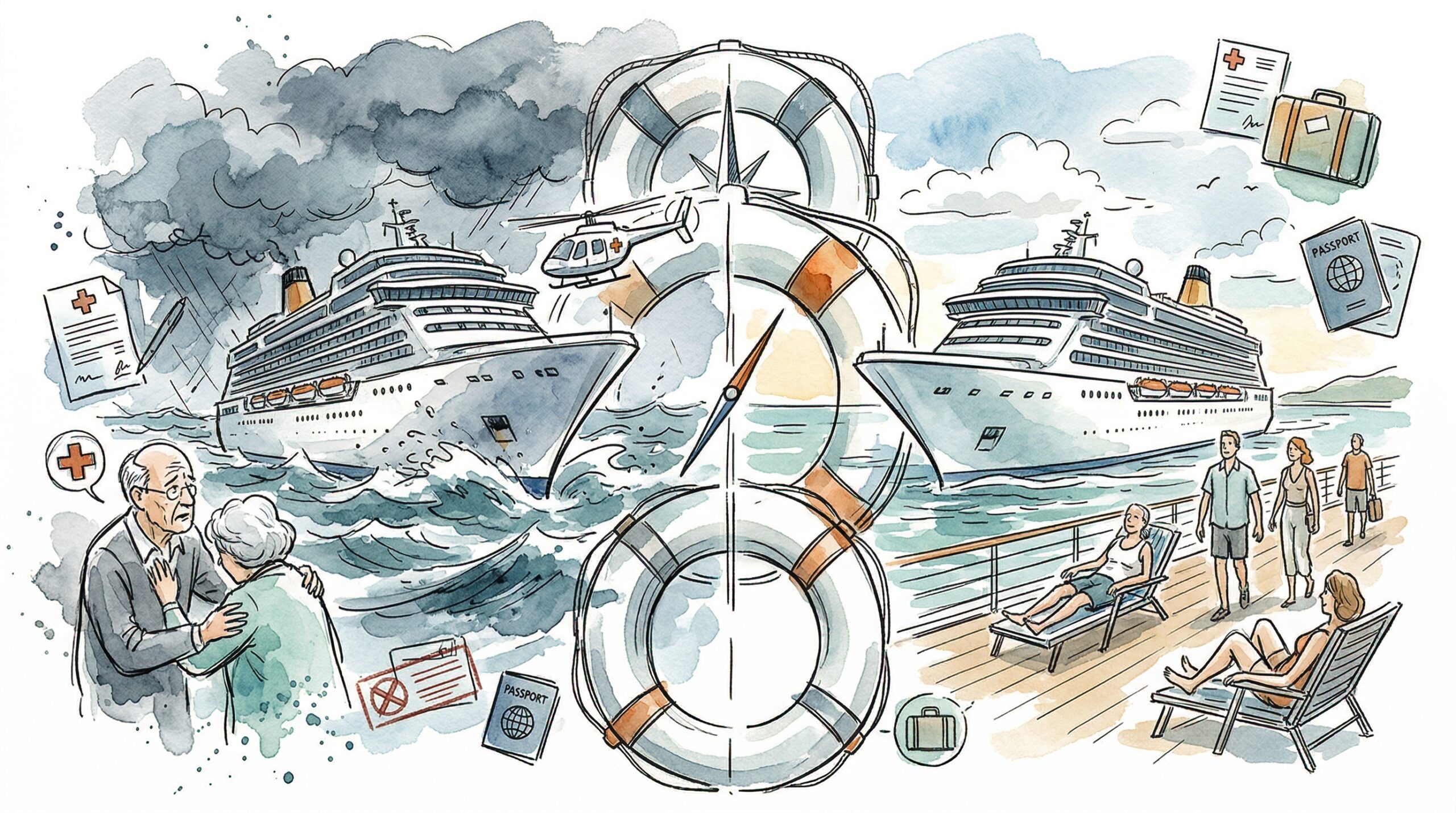
Understanding Cruise Insurance: Coverage, Benefits, and What You Need to Know
Cruise insurance is a specialized form of travel protection designed to cover the unique financial, medical, and logistical risks associated with taking a vacation at sea, such as missed ports of call, emergency medical evacuations fro...
Cruise insurance is a specialized form of travel protection designed to cover the unique financial, medical, and logistical risks associated with taking a vacation at sea, such as missed ports of call, emergency medical evacuations from remote waters, and trip interruptions caused by mechanical failures or sudden illness.
Contents
What Is Cruise Insurance and Why Is It Necessary?
When planning a vacation on the open ocean, travelers often assume that standard domestic health insurance and conventional travel insurance policies will cover every unexpected event. However, cruising presents unique operational and geographical challenges that standard policies frequently exclude or severely cap. Cruise insurance is specifically tailored to address these gaps, protecting passengers from substantial out-of-pocket expenses due to cancellations, medical emergencies at sea, and logistical disruptions.
Unlike a standard land-based vacation where you can easily rent a car or catch a domestic flight home if something goes wrong, cruise ships operate under maritime laws and travel through international waters. If a medical emergency occurs miles away from the nearest coastline, standard health insurance plans—including Medicare—typically provide zero coverage outside domestic borders. Cruise insurance bridges this gap by offering robust emergency medical expense coverage and emergency medical evacuation benefits, which can easily cost tens of thousands of dollars if a helicopter or air ambulance is required to transport a patient to a shore-side hospital.
Furthermore, cruise vacations involve strict financial penalty schedules set by cruise lines. If a traveler needs to cancel a cruise weeks or even months before departure due to an unforeseen illness, family emergency, or work conflict, standard refunds are often minimal or entirely non-existent. A comprehensive cruise insurance policy safeguards these prepaid, non-refundable expenses, ensuring that travelers do not lose their entire investment due to circumstances beyond their control.
Key Coverages Included in a Cruise Insurance Policy
Navigating the various components of a cruise insurance policy requires understanding how individual coverages protect different aspects of your trip. While policies vary by provider, comprehensive plans typically include several core pillars of protection.
Trip Cancellation and Interruption
Trip cancellation coverage reimburses you for prepaid, non-refundable expenses—such as cruise fares, flights, and pre-cruise hotel stays—if you must cancel your trip before departure for a covered reason. Covered reasons usually include sudden illness, injury, or death of the traveler, a traveling companion, or an immediate family member; severe weather events that damage your home; or sudden employer termination.
Trip interruption, on the other hand, takes effect after your journey has begun. If you must cut your cruise short due to an emergency—such as falling ill onboard or receiving news of a family crisis at home—this benefit covers the unused portion of your cruise and the cost of one-way transportation to return home.
Emergency Medical and Dental Expenses
Medical care onboard a cruise ship is not free, and shipboard medical centers operate independently, often billing at private-pay rates. Standard health insurance rarely covers these expenses. Cruise insurance provides primary or secondary medical coverage for illnesses or injuries sustained during the trip, covering doctor fees, medications, and onboard hospital care.
Emergency Medical Evacuation and Repatriation
This is arguably the most critical component of cruise insurance. If you suffer a severe medical emergency while at sea and the onboard medical facility cannot provide the necessary level of care, you will need to be evacuated to the nearest appropriate medical facility. Medical evacuations involving specialized air transport, maritime rescue vessels, or medical escorts can cost upwards of $50,000 to $100,000 or more. Evacuation coverage pays for these logistical expenses directly.
Baggage Loss, Damage, and Delay
Cruisers face unique baggage risks, particularly when flying to a departure port. If the airline loses your luggage or if your bags are damaged while in the custody of the cruise line, baggage protection reimburses the actual cash value of your belongings. Additionally, baggage delay coverage provides funds to purchase essential items—such as clothing and toiletries—if your luggage is delayed for a specified number of hours (usually 12 to 24 hours), ensuring you can still enjoy your first days onboard while your bags are located.
Travel Delay and Missed Connection
If your flight to the departure port is delayed due to severe weather, mechanical failure, or air traffic control issues, and you miss the ship's scheduled departure time, travel delay and missed connection coverage steps in. This benefit reimburses you for the additional expenses incurred to catch up with the cruise at its next port of call, including lodging, meals, and replacement transportation.
Comparing Cruise Line Protection vs. Third-Party Insurance
When purchasing coverage, travelers generally choose between the protection plan offered directly by the cruise line and a policy purchased from an independent, third-party insurance provider. Each option has distinct operational characteristics, financial structures, and coverage limits.
| Feature | Cruise Line Protection Plans | Third-Party Insurance Policies |
|---|---|---|
| Primary Medical Limits | Often lower; may act as secondary coverage. | Typically higher limits; can be primary coverage. |
| Emergency Evacuation | Included, but caps may apply depending on the tier. | Generally offers robust, high-limit evacuation coverage. |
| Pre-Existing Conditions | Often waived if purchased before or with final payment. | Usually requires purchase within 14–21 days of initial deposit. |
| Refund Type | Often provided as future cruise credits (FCC). | Almost always paid in cash or direct reimbursement. |
| Financial Default Protection | Rarely covered or limited. | Frequently covered if purchased promptly. |
| Age Limits | Usually accepts all ages, though pricing varies. | Some policies restrict coverage or increase rates for elderly travelers. |
Cruise line protection plans are convenient because they can be added directly during the booking process. However, a major drawback of many cruise line plans is that a significant portion of the refund for cancellations is paid out in future cruise credits rather than cash. This means you are legally and financially bound to sail with the same cruise line again if you cancel.
Third-party insurance providers, by contrast, offer greater flexibility and more comprehensive financial protection. They typically provide cash reimbursements rather than credits, higher medical limits, and broader coverage for third-party supplier defaults (such as an airline going bankrupt). However, third-party insurers enforce strict timelines regarding when the policy must be purchased to qualify for pre-existing medical condition waivers and cancel-for-any-reason upgrades.
Optional Upgrades: Cancel For Any Reason (CFAR)
Standard travel and cruise insurance policies require a specific, policy-defined "foreseen" or "covered" reason for canceling your trip, such as a doctor-verified medical illness or severe storm. If you decide not to travel simply because you changed your mind, felt anxious about traveling, or had a minor scheduling conflict at work, a standard policy will not pay out.
To bridge this gap, many third-party insurers offer an optional upgrade known as Cancel For Any Reason (CFAR).
How CFAR Works
CFAR allows a traveler to cancel their cruise for literally any reason whatsoever—provided the cancellation occurs at least 48 hours (or sometimes 72 hours) before the scheduled departure time.
Key Rules and Restrictions
While CFAR provides ultimate flexibility, it comes with strict qualifying criteria:
- Strict Purchase Window: CFAR must be purchased within a very tight window after making your initial trip deposit—typically within 14 to 21 days.
- Partial Reimbursement: CFAR never refunds 100% of your prepaid trip costs. Payouts generally range from 50% to 75% of the non-refundable trip cost.
- Full Insured Value: You must insure 100% of the prepaid, non-refundable trip costs listed on your itinerary; you cannot selectively insure only a portion of the vacation.
Common Exclusions and Limitations to Watch For
Even the most comprehensive cruise insurance policies contain specific exclusions. Understanding these limitations before purchasing prevents unwelcome surprises during a crisis.
- Pre-Existing Medical Conditions: Most standard policies exclude claims arising from medical conditions that you, a traveling companion, or a family member received treatment, medication, or consultation for within a specific look-back period (usually 60 to 180 days) prior to purchasing the policy. This exclusion can be waived if you buy the insurance policy within a short window (typically 14–21 days) of your initial trip deposit and are medically fit to travel at the time of purchase.
- Alcohol and Drug-Related Incidents: If an injury or medical emergency occurs while a traveler is under the influence of non-prescribed drugs or excessive alcohol, insurers frequently deny coverage for resulting medical claims.
- Risky or Extreme Activities: Standard policies often exclude coverage for injuries sustained during extreme sports, skydiving, scuba diving past certified depth limits, or operating motorized watercraft without a licensed guide, unless an adventure sports rider is explicitly added.
- Civil Unrest and Acts of War: Losses resulting from acts of war, civil unrest, or government-mandated travel bans to specific maritime regions are generally excluded from standard trip interruption and cancellation provisions.
Frequently Asked Questions
Does my health insurance cover me on a cruise ship?
Most standard domestic health insurance policies, including Medicare, do not provide coverage outside of your home country. Because cruise ships operate in international waters and dock in foreign ports, any medical care received onboard or at a foreign clinic must be paid out-of-pocket unless you carry a dedicated travel or cruise insurance policy with emergency medical benefits.
When is the best time to purchase cruise insurance?
The ideal time to purchase cruise insurance is immediately after making your initial trip deposit or booking your cruise. Buying early ensures you secure valuable time-sensitive benefits, such as waivers for pre-existing medical conditions and financial default coverage for the travel supplier.
What happens if my flight is delayed and I miss the cruise embarkation?
If you purchased a policy that includes travel delay and missed connection benefits, the insurer will reimburse you for reasonable additional expenses—such as overnight lodging, meals, and alternative transportation—required to catch up with the cruise ship at its next scheduled port of call. Without this coverage, you would have to absorb these costs entirely out of pocket.
Are children covered under parent policies?
Many family-oriented travel insurance policies allow children under a certain age (often 17 or younger) to be covered at no additional cost when traveling with a parent or grandparent, provided the adults are named insureds on the policy. Always review the specific policy wording, as age limits and dependency requirements vary by provider.
Can I buy cruise insurance after I have already booked my trip?
Yes, you can purchase cruise insurance at any time leading up to your departure date. However, if you wait too long, you will forfeit access to time-sensitive benefits such as pre-existing medical condition waivers and Cancel For Any Reason (CFAR) upgrades.
Next Actions for Travelers
Evaluating your exposure to financial loss and medical risk is the most effective way to determine your coverage needs. Start by reviewing the cancellation penalties outlined in your cruise line's ticket contract and checking whether your credit cards offer any built-in, secondary travel protections. If your prepaid non-refundable expenses are substantial, or if you are traveling to remote international destinations, secure a comprehensive third-party policy within 14 to 21 days of your initial deposit to maximize your protection and secure necessary waivers.
Image Gallery