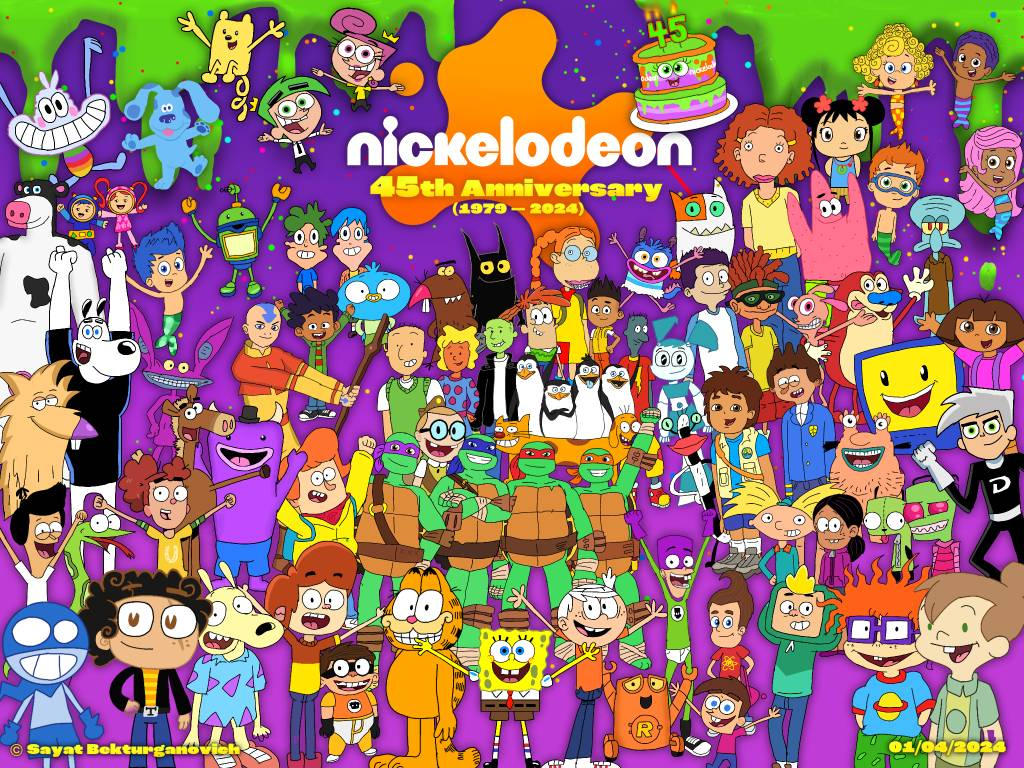
Nickelodeon DeviantArt: Exploring the Intersection of Animation Fandom and Digital Art Platforms
The intersection of Nickelodeon properties and DeviantArt represents a massive digital ecosystem where fans, digital illustrators, and animators share fan art, concepts, and custom media. While DeviantArt is a user-generated content pl...
The intersection of Nickelodeon properties and DeviantArt represents a massive digital ecosystem where fans, digital illustrators, and animators share fan art, concepts, and custom media. While DeviantArt is a user-generated content platform rather than an official Nickelodeon portal, it hosts millions of pieces of artwork inspired by classic and contemporary shows, making it a primary hub for independent animation culture in 2026.
Contents
Understanding the Nickelodeon Fan Art Phenomenon on DeviantArt
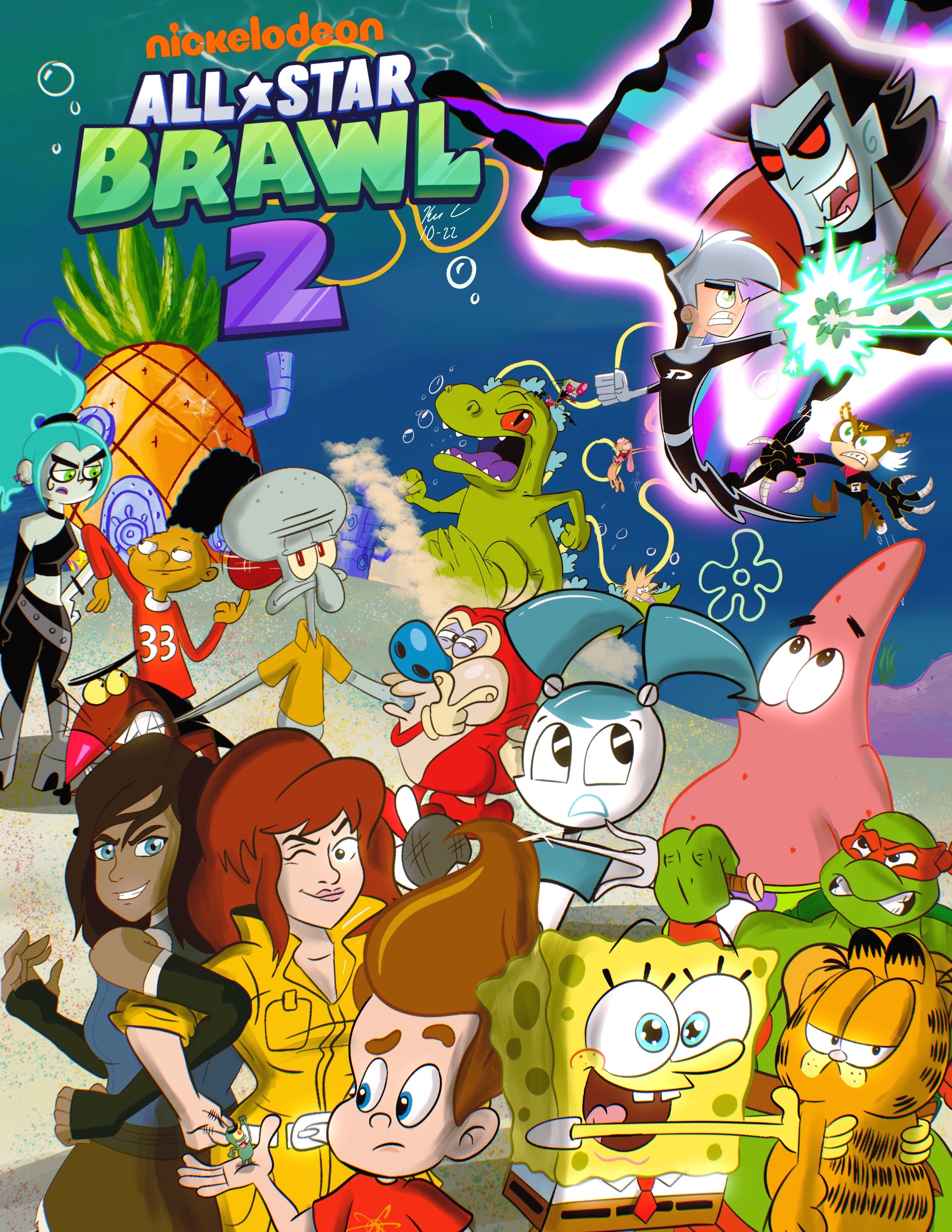
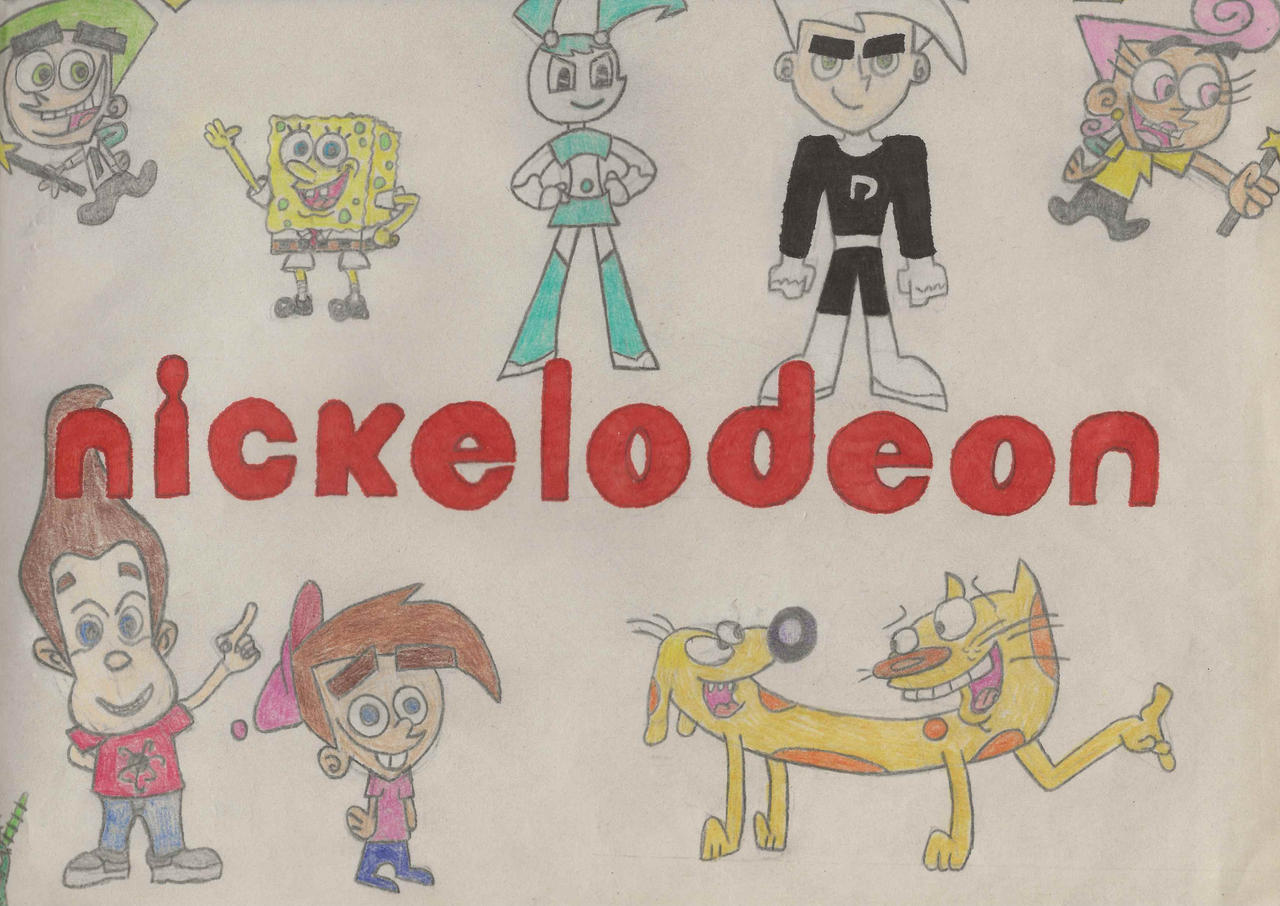
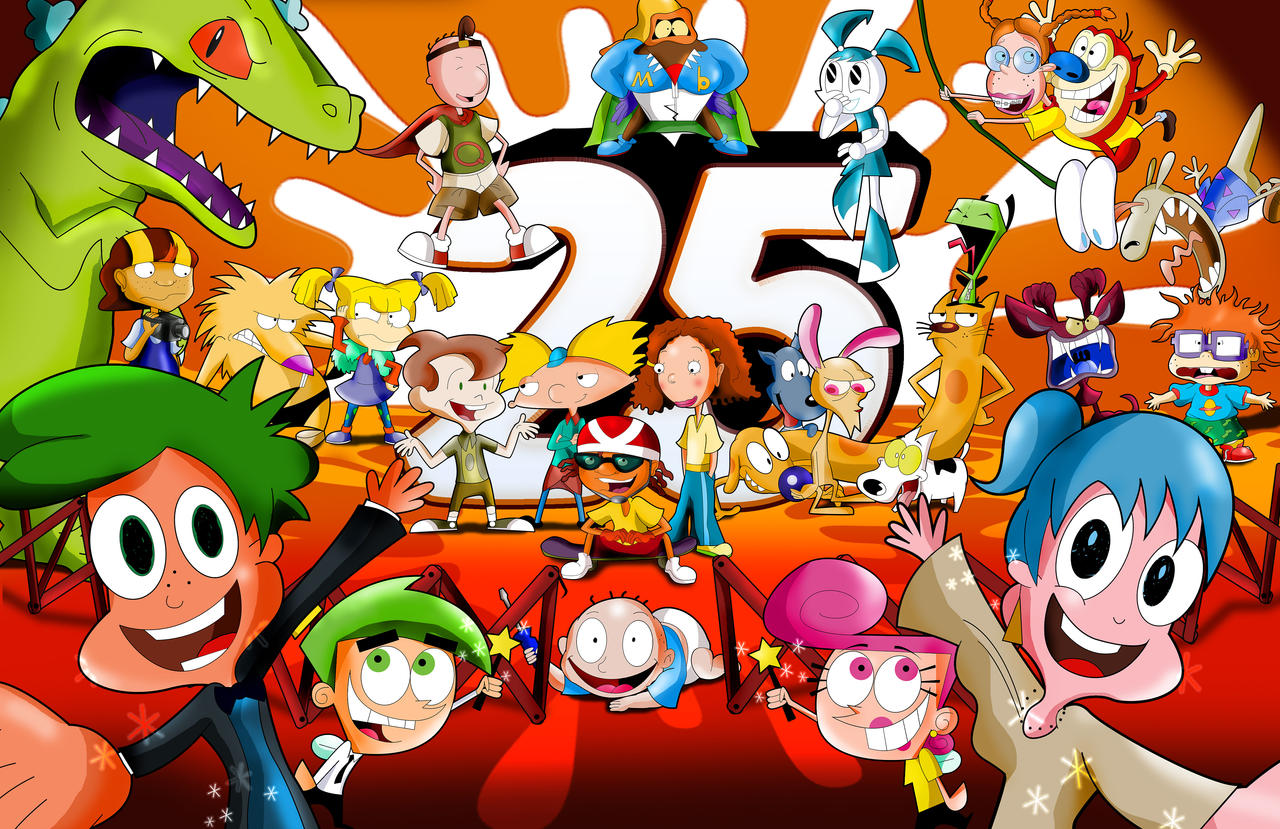
DeviantArt has served as a primary canvas for internet culture and animation fandoms for over two decades. When users search for Nickelodeon on the platform, they are typically looking for fan-reimagined character designs, custom storyboards, sprite comics, and high-definition digital paintings of characters from networks like Nicktoons.
The platform operates as a decentralized gallery system. Unlike official corporate channels, DeviantArt relies entirely on community curation, tagging algorithms, and independent user profiles. This has allowed specific subgenres of Nickelodeon fandom to flourish, ranging from nostalgic tributes to 1990s and 2000s classics like SpongeBob SquarePants, The Fairly OddParents, and Avatar: The Last Airbender, to modern hits.
The Evolution of Animation Communities Online
The presence of classic television animation on independent art platforms highlights how audience engagement has shifted from passive viewing to active co-creation. Creators utilize digital tools such as Adobe Photoshop, Procreate, Clip Studio Paint, and vector software to replicate or subvert official animation styles.
- Stylistic Replication: Artists study official model sheets to mimic exact proportions used by studio animators.
- Alternative Universes (AUs): Community members create complex narrative deviations, placing established characters in dystopian, futuristic, or cross-over settings.
- OC (Original Character) Integration: Users frequently draw their own self-insert characters interacting with canonical Nickelodeon figures.
Intellectual Property, Copyright, and Fair Use Realities
Navigating fan art on open-hosting platforms involves a delicate balance between copyright law, corporate policy, and community standards. Nickelodeon and its parent company, Paramount Global, hold strict intellectual property (IP) rights over characters, logos, and narrative universes.
Understanding the legal and platform boundaries is essential for any digital artist or consumer interacting with these media assets online.
| Category | Official Nickelodeon Channels | DeviantArt Fan Communities |
|---|---|---|
| Ownership | Fully corporate-owned by Paramount Global | Independent creators and platform users |
| Monetization | Direct commercial exploitation, streaming, and merchandise sales | Limited by platform terms of service; strict prohibition on selling unauthorized merchandise utilizing trademarked likenesses |
| Content Moderation | Enforced via internal network guidelines and broadcasting standards | Enforced via DMCA takedown notices, automated copyright filters, and community reporting |
| Purpose | Commercial entertainment and brand distribution | Creative expression, portfolio building, and peer networking |
Navigating DMCA and Digital Art Ethics
While corporate entities frequently tolerate non-commercial fan art under the umbrella of promotional community engagement, strict lines are drawn regarding monetization. Artists on DeviantArt cannot legally sell prints, commissions, or merchandise featuring copyrighted Nickelodeon characters without explicit licensing agreements. Violations often result in administrative removal of artwork via Digital Millennium Copyright Act (DMCA) procedures.
Technical Skills Developed Through Animation Fan Art
Participating in the Nickelodeon fandom on DeviantArt is rarely just a recreational hobby; for many digital artists, it acts as an informal training ground for professional careers in illustration, concept art, and animation.
Practicing within established universes removes the barrier of character conceptualization, allowing creators to focus entirely on technical execution. Artists can isolate and master specific foundational skills:
- Line Art Precision: Tracing and cleaning vector lines to match broadcast-quality animation standards.
- Color Theory: Replicating specific color palettes used in classic television lighting and background design.
- Anatomy and Exaggeration: Learning how to apply cartoon physics, squash-and-stretch principles, and dynamic posing.
- Digital Rendering: Experimenting with cel-shading, digital painting, and textured brushes to simulate traditional animation cels.
Comparing Official Animation Channels and Community Platforms
To fully understand the ecosystem surrounding these digital art spaces, it is helpful to analyze how official distribution models contrast with open community archives.
Ecosystem Comparison
Official streaming services and corporate portals provide pristine, canonical access to media with zero user-generated alteration. Conversely, platforms like DeviantArt provide dynamic, unfiltered, and community-driven interpretations that often outpace official content cycles in terms of sheer volume and experimental variety. While official channels maintain strict narrative control, independent platforms foster artistic evolution and peer critique among aspiring illustrators.
Frequently Asked Questions
Can I legally sell fan art of Nickelodeon characters on DeviantArt?
No. Selling prints, commissions, or merchandise featuring copyrighted characters without a formal licensing agreement violates intellectual property laws and DeviantArt terms of service. Fan art must remain non-commercial to avoid DMCA takedown actions.
Why do some Nickelodeon fan art pieces get removed from DeviantArt?
Artwork is typically removed due to copyright holder requests via DMCA takedown notices or automated moderation filters that detect unauthorized use of registered trademarks and corporate logos.
How do artists replicate the exact art style of classic Nicktoons?
Artists study official model sheets, character bibles, and promotional materials released by animation studios to understand line weight, color codes, and specific facial proportions used in production.
Is DeviantArt an official partner of Nickelodeon?
No. DeviantArt is an independent social networking platform and image gallery owned by Wix, and it has no direct corporate affiliation with Nickelodeon or Paramount Global.
What software do digital artists use to create animation fan art?
Popular industry-standard applications include Adobe Photoshop, Clip Studio Paint, Procreate for tablet devices, and vector-based programs like Adobe Illustrator for clean line work.
Final Recommendations for Aspiring Digital Artists
Engaging with animation fandoms on open art platforms requires a balance of creative enthusiasm and respect for intellectual property rights. If you are an artist looking to hone your skills by drawing your favorite television characters, focus on technical mastery, anatomical study, and developing your own unique voice. Use the community to receive constructive criticism and build a diverse portfolio, but always prioritize transitioning those fundamental skills toward original character design and independent storytelling for long-term professional growth.
Image Gallery