Mynatt's Funeral Home: Comprehensive Guide to Services, Planning, and Local Heritage
Mynatt's Funeral Home provides compassionate, professional funeral, cremation, and pre-planning services to families navigating the loss of a loved one. Known for a deep-rooted history in its community, the establishment offers persona...
Mynatt's Funeral Home provides compassionate, professional funeral, cremation, and pre-planning services to families navigating the loss of a loved one. Known for a deep-rooted history in its community, the establishment offers personalized arrangements, grief support resources, and transparent guidance through every step of memorialization.
Contents
Understanding Mynatt's Funeral Home and Its Role in the Community
Navigating the loss of a family member requires immediate decisions, emotional resilience, and an understanding of local death care logistics. Mynatt's Funeral Home operates as a pillar of support for families seeking structured guidance during times of grief. Choosing a funeral provider involves evaluating their licensing, facility capacity, staff experience, and range of service offerings.
In the funeral service industry, establishing trust is paramount. Families look for transparent pricing structures, respectful handling of remains, and a personalized approach to honoring a life. Mynatt's Funeral Home bridges the gap between traditional customs and modern memorial preferences, accommodating everything from religious services to secular celebrations of life.
Core Philosophy and Commitment to Families
The primary objective of a professional funeral establishment is to relieve the administrative and emotional burden placed on surviving relatives. Key service commitments typically include:
- Compassionate listening and personalized arrangement conferences.
- Strict adherence to state health regulations regarding the handling and care of the deceased.
- Transparent itemized pricing in compliance with the Federal Trade Commission (FTC) Funeral Rule.
- Comprehensive coordination with clergy, cemeteries, florists, and government agencies.
Comprehensive Overview of Funeral and Cremation Services
Selecting the right type of service depends on cultural traditions, personal preferences, financial considerations, and the pre-stated wishes of the deceased. Mynatt's Funeral Home provides a diverse spectrum of service packages tailored to these unique requirements.
Traditional Burial Services
Traditional burial remains a cornerstone of the funeral industry. This service type generally includes:
- Professional services of the funeral director and staff.
- Embalming and other preparatory care (dressing, casketing, and cosmetology).
- Use of facilities and staff for visitation or viewing hours.
- A formal funeral ceremony held in a chapel, church, or graveside location.
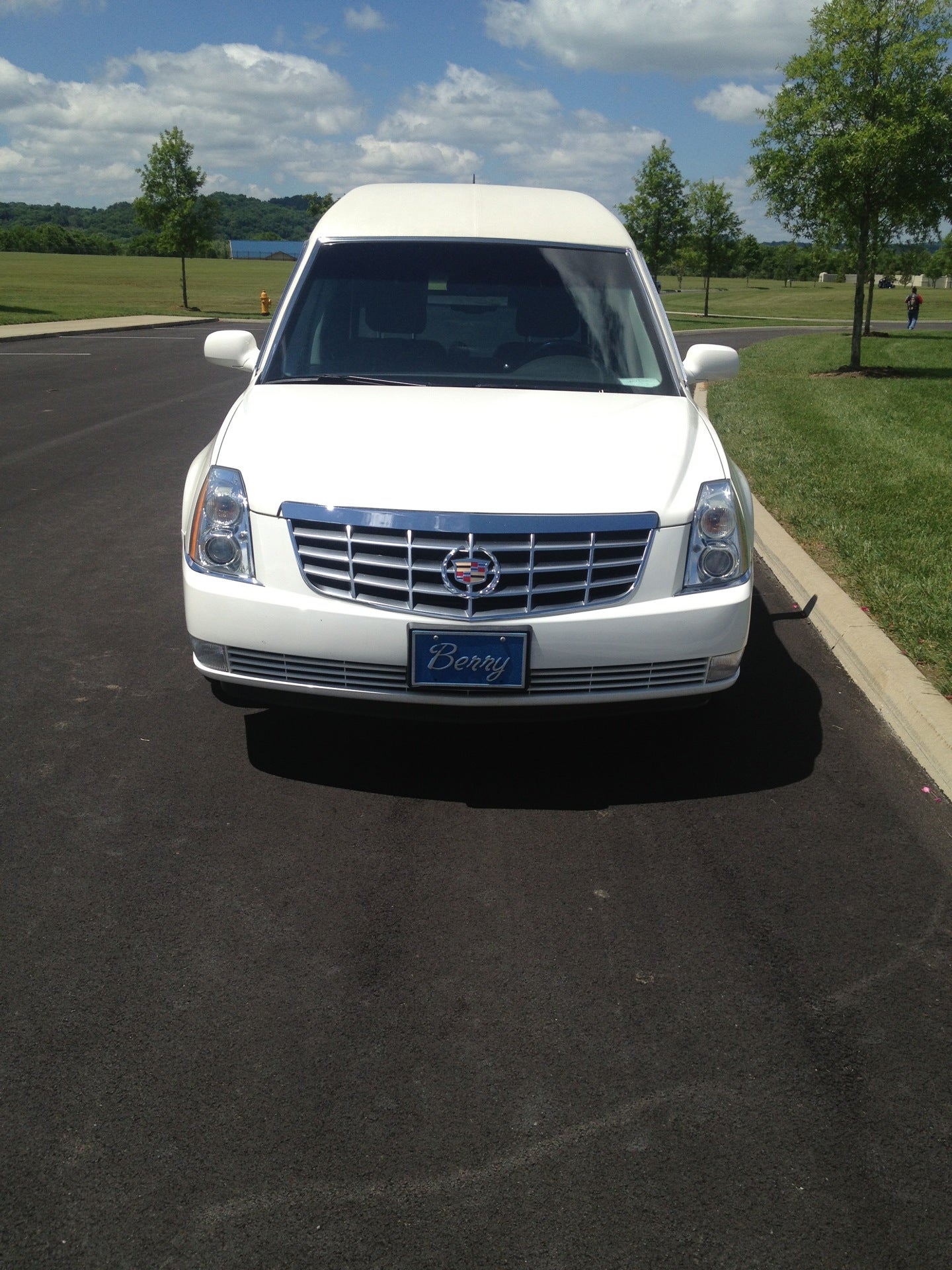
- Transportation logistics, including a hearse and service vehicle.
Cremation Options and Memorialization
Cremation has grown significantly in popularity due to its flexibility and cost-effectiveness. Families can select from various cremation tiers:
- Direct Cremation: Cremation performed without a formal viewing or ceremony beforehand. Families often choose to hold a memorial service at a later date.
- Cremation with Visitation: A viewing period utilizing a ceremonial rental casket, followed by cremation.
- Memorial Service with Cremated Remains Present: A formal gathering featuring an urn rather than a traditional casket.
Pre-Planning: Securing Peace of Mind for the Future
Pre-arranging funeral services is one of the most considerate steps an individual can take for their family. Pre-planning removes emotional guesswork, protects against future inflation, and ensures that personal wishes are honored precisely as intended.
The Benefits of Advance Funeral Planning
- Financial Protection: Funding options such as funeral trusts or insurance-backed pre-need plans can lock in today's prices for goods and services.
- Reduced Family Burden: Surviving relatives are spared from making high-stress financial and logistical decisions while grieving.
- Personalization: Individuals can dictate every detail of their service, from musical selections and readings to casket choices and charitable memorial donations.
Pre-Planning Consultation Steps
Initial Discussion: Meet with a licensed pre-planning advisor to document biographical information and service preferences. Reviewing Options: Select specific merchandise (caskets, urns, vaults) and service features. Funding Arrangements: Establish a revocable or irrevocable funeral trust or assign an insurance policy to cover future costs securely.
Comparison of Traditional Burial Versus Cremation Services
When planning arrangements, families frequently weigh the logistical, emotional, and financial differences between traditional burial and cremation. The following table provides a clear comparison of these options to guide decision-making.
| Feature / Consideration | Traditional Burial | Cremation Services |
|---|---|---|
| Initial Cost Profile | Generally higher due to casket, vault, and cemetery plot purchases. | Typically lower, especially for direct cremation without formal viewing. |
| Timeframe Flexibility | Services must typically occur within a standard timeframe after passing. | Offers extended flexibility; memorial services can be scheduled weeks or months later. |
| Cemetery Requirements | Requires purchase of a burial plot and outer burial container (vault). | Requires a columbarium niche, burial plot for an urn, or retention at home. |
| Environmental Impact | Involves land use and embalming fluids (though green burials are an alternative). | Consumes energy during the process; releases carbon emissions but requires less land footprint. |
| Relocation Potential | Permanent resting place is fixed to a specific cemetery ground. | Cremated remains are portable, allowing for scattering or moving if family relocates. |
Step-by-Step Guide to Navigating Immediate Arrangements
When a death occurs, knowing the immediate steps to take can alleviate panic and ensure legal compliance. Whether the death occurs at home, in a hospital, or in a care facility, a structured protocol applies.
Immediate Actions Following a Passing
- Notify Authorities or Medical Personnel: If the death occurs at home under non-hospice care, call 911 or local emergency services. If in a hospice facility or hospital, the medical staff will handle initial pronouncements.
- Contact the Funeral Home: Reach out to Mynatt's Funeral Home to coordinate the transfer of the deceased into their care. Funeral directors are available 24/7 to assist.
- Gather Essential Information: Prepare vital statistics for the death certificate, including social security number, date of birth, parents' names, and veteran discharge papers (DD214) if applicable.
- Schedule the Arrangement Conference: Meet with the funeral director to finalize service details, select merchandise, and sign necessary authorizations.
- Obtain Death Certificates: Order multiple certified copies of the death certificate through the funeral director for estate settlement, insurance claims, and banking purposes.
Frequently Asked Questions
What should I do immediately after a loved one passes away?
Contact local medical authorities or emergency services if the death is unexpected, then call the funeral home to arrange for the transfer of the deceased into their care. The funeral director will guide you through the next immediate steps regarding documentation and scheduling.
Can funeral arrangements be customized to reflect personal hobbies or beliefs?
Yes, modern funeral homes offer extensive personalization options, including customized memorial folders, video tributes, specialized music, military honors, and unique venues for celebrations of life.
What is the Federal Trade Commission (FTC) Funeral Rule?
The FTC Funeral Rule is a federal regulation that gives consumers the right to view general price lists, choose only the goods and services they want, and receive itemized pricing before entering into a contract.
How do pre-paid funeral plans protect against inflation?
Many pre-need insurance policies and funeral trusts feature guaranteed price protection, meaning the funeral home agrees to provide the specified services and merchandise at the agreed-upon price regardless of future cost increases.
What documents are required to complete a death certificate?
You will need to provide the deceased's full legal name, social security number, date of birth, place of birth, parents' names (including mother's maiden name), occupation, and educational background.
Practical Recommendations and Professional Consultation
Navigating end-of-life arrangements requires a balance of emotional care and practical decision-making. Families are encouraged to engage in open discussions regarding final wishes long before an urgent need arises. When working with a funeral provider, always request an itemized General Price List (GPL) to review costs transparently and ensure selections align with your budget and personal values. Professional guidance from licensed funeral directors ensures that all legal, regulatory, and ceremonial details are managed with dignity and precision.
Image Gallery