Is Kotak Life Insurance Cheating? A Comprehensive Guide to Legitimacy and Red Flags
Kotak Mahindra Life Insurance is a legitimate, IRDAI-regulated financial institution and is not a "cheating" organization. While individual grievances regarding claim rejections or agent mis-selling exist, the company operates under st...
Kotak Mahindra Life Insurance is a legitimate, IRDAI-regulated financial institution and is not a "cheating" organization. While individual grievances regarding claim rejections or agent mis-selling exist, the company operates under strict Indian insurance laws. Perception of fraud usually stems from a lack of policy transparency or unauthorized third-party fraudulent calls.
Contents
The question of whether an insurance giant like Kotak Life is "cheating" often arises from frustrated policyholders who have experienced claim denials, unexpected policy terms, or aggressive sales tactics. In the complex landscape of Indian insurance in 2026, distinguishing between institutional malpractice and individual consumer grievances is essential for any policyholder or prospective buyer.
The Regulatory Framework: Why Kotak Life Cannot "Cheat" Systemically
To understand the legitimacy of Kotak Mahindra Life Insurance, one must first look at the regulatory environment in India. The Insurance Regulatory and Development Authority of India (IRDAI) oversees every aspect of an insurer’s operations, from product pricing to claim settlement procedures.
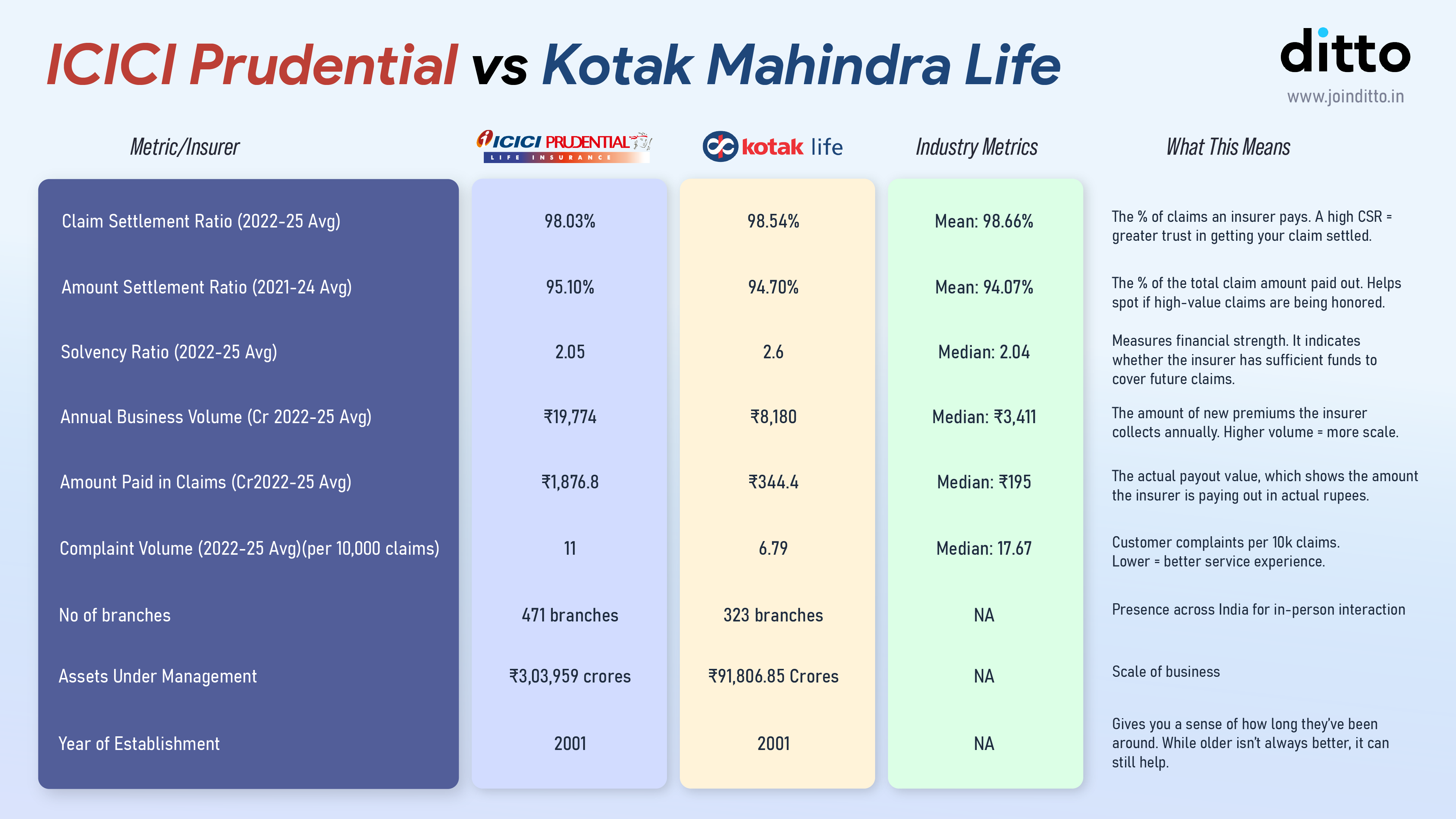
Kotak Life Insurance is a subsidiary of Kotak Mahindra Bank, one of India’s most prominent private sector banks. As a regulated entity, it must maintain a specific Solvency Ratio, which indicates the company’s ability to meet its long-term debt and claim obligations. As of 2026, Kotak Life consistently maintains a solvency ratio well above the IRDAI-mandated 150%, signaling financial stability and the capacity to pay out claims.
Furthermore, the Insurance Act, 1938, and subsequent amendments provide a safety net for consumers. Section 45 of this Act is particularly significant; it states that no policy can be called into question by the insurer after three years on any grounds whatsoever. This "incontestability" clause ensures that once you have paid premiums for three years, the company cannot "cheat" you by denying a claim based on non-disclosure of facts at the time of proposal.
Analyzing the Claim Settlement Ratio (CSR)
The most reliable metric to determine if an insurance company is "cheating" its customers is the Claim Settlement Ratio (CSR). This figure represents the percentage of claims the company has paid out out of the total claims received during a financial year.
In the 2024-2025 and 2025-2026 cycles, Kotak Life has historically maintained a CSR of over 99%. A high CSR indicates that the vast majority of legitimate claims are processed successfully. When a claim is rejected, it is rarely due to a desire to "cheat" but is typically the result of:
- Non-disclosure of pre-existing medical conditions: The most common reason for rejection.
- Fraudulent documentation: Submission of incorrect age or income proofs.
- Policy Lapses: Claims made on policies where premiums were not paid within the grace period.
- Exclusions: Death occurring due to circumstances specifically excluded in the policy document (e.g., suicide within the first year).
The Mis-selling Trap: Where the Perception of "Cheating" Begins
While the institution itself is legitimate, "mis-selling" is a genuine problem in the Indian insurance industry. This is often where the "cheating" narrative gains traction. Mis-selling occurs when an agent or a bank representative provides false information to close a sale.
Common examples of mis-selling include:
- Investment vs. Insurance: Categorizing a life insurance policy as a short-term "fixed deposit" or "doubling scheme."
- Hidden Charges: Failing to explain the premium allocation charges or mortality charges in ULIPs (Unit Linked Insurance Plans).
- Surrender Value Misinterpretation: Leading the customer to believe they can withdraw their full investment after only one or two years without penalty.
- One-Time Payment Myths: Convincing a customer that a regular premium policy is a "single premium" policy.
If you feel you were misled during the sale, the law provides a Free Look Period. In 2026, the standard free-look period is 15 days (30 days if the policy was purchased through distance marketing or electronic modes) from the date of receipt of the policy document. During this window, you can cancel the policy and get a refund of your premium (minus pro-rata risk cover and medical examination costs).
Identifying External Insurance Scams Using Kotak’s Name
A significant portion of "Kotak Life Insurance cheating" complaints actually involve third-party fraudsters who have no connection to the company. These scammers often use leaked data to call unsuspecting individuals, posing as IRDAI officials or Kotak Life executives.
Common Red Flags of External Scams:
- The "Bonus" Offer: Scammers claim you have an unclaimed bonus or "loyalty points" on your policy that can only be released if you pay a "processing fee" or buy a new policy.
- The Policy Conversion Scam: Calls suggesting that your current policy is performing poorly and should be converted into a different fund by transferring money to a "personal" or "agent" account.
- Identity Theft: Asking for your OTP, credit card details, or banking passwords under the guise of "KYC updates."
Important: Kotak Life or IRDAI will never ask for your passwords, nor will they ask you to transfer funds to a private individual's bank account. All premium payments should be made directly to Kotak Mahindra Life Insurance Company Ltd. via official channels.
Comparing Kotak Life with Industry Peers (2025-2026 Data)
To put Kotak Life’s performance into perspective, it is helpful to compare its key metrics with other major private insurers in India.
| Metric (Approx. 2025-26) | Kotak Life Insurance | HDFC Life | ICICI Prudential | SBI Life |
|---|---|---|---|---|
| Claim Settlement Ratio | 99.2% - 99.5% | 99.3% - 99.7% | 99.1% - 99.4% | 99.0% - 99.3% |
| Solvency Ratio | ~2.60 | ~1.90 | ~2.00 | ~2.15 |
| Grievance Redressal Rate | 98% - 100% | 99% | 98% | 99% |
| Market Presence | High (Pan India) | Very High | Very High | Very High |
Note: Solvency Ratio must be above 1.50 per IRDAI regulations. A higher ratio indicates a stronger capital cushion.
What to Do if You Feel "Cheated" by Kotak Life
If you believe you have been a victim of mis-selling, or if your claim has been unfairly rejected, you should follow the formal grievance redressal hierarchy. Simply posting on social media may not solve the legal hurdle; following the structured path is more effective.
Step 1: Internal Grievance Redressal (GRO)
Contact the Grievance Redressal Officer (GRO) of Kotak Life. You can do this via their official website, email, or by visiting a branch. By law, the company must acknowledge your complaint and provide a resolution within 15 days.
Step 2: IRDAI Bima Bharosa
If the company’s response is unsatisfactory or they do not respond within 15 days, escalate the matter to the IRDAI. The Bima Bharosa Portal (formerly IGMS) is an online platform where you can register complaints against any insurer. The IRDAI monitors these complaints and ensures the company addresses them.
Step 3: The Insurance Ombudsman
For disputes involving claims up to ₹50 lakhs, you can approach the Insurance Ombudsman. This is a quasi-judicial body that provides a free-of-cost platform for resolving grievances without the need for a lawyer. The Ombudsman’s decision is binding on the insurance company but not on the policyholder (meaning you can still go to court if you lose).
Step 4: Consumer Courts
If all else fails, you have the right to approach the District, State, or National Consumer Disputes Redressal Commission. This is a longer legal process but is effective for cases involving significant financial loss or gross negligence.
Best Practices to Avoid Insurance Fraud
To ensure you are never in a position where you feel "cheated," follow these rigorous steps when dealing with life insurance:
- Read the Proposal Form: Never sign a blank proposal form. Ensure the agent has accurately recorded your medical history and income.
- Verify the Agent: Ask for the agent’s IRDAI license number. You can verify this on the IRDAI website.
- Direct Payments: Always pay premiums through the official Kotak Life website, the mobile app, or via crossed cheques made out to the company name. Never pay cash to an agent.
- Understand the "Exclusions": Every policy has a "What is not covered" section. Read this carefully. For example, most life insurance policies do not cover death due to participation in extreme sports or illegal activities.
- Document Everything: Keep a record of all emails, physical letters, and payment receipts. If an agent makes a verbal promise, ask for it in writing from an official company email ID.
Frequently Asked Questions
Can Kotak Life cancel my policy without my permission?
A policy can only be cancelled (voided) by the insurer if there is evidence of "material suppression of facts" or fraud during the first three years. After three years, Section 45 of the Insurance Act makes it nearly impossible for them to cancel the policy for non-disclosure.
Why is my policy value lower than what I invested?
If you have a Unit Linked Insurance Plan (ULIP), your fund value depends on market performance and is subject to charges like premium allocation, mortality, and administration fees. This is often mistaken for "cheating," but it is a standard feature of market-linked products.
Is a "Bonus" call from Kotak Life real?
Almost certainly not. Kotak Life does not call customers to offer "additional bonuses" or "dividend payouts" that require a new policy purchase or a processing fee. These are hallmark signs of a third-party scam.
How do I check if my Kotak Life policy is genuine?
Log in to the official Kotak Mahindra Life Insurance customer portal or use the "Kotak Life" mobile app. Enter your policy number to see its status, premium history, and nominee details. If your policy does not appear there, contact their customer care immediately.
What happens if the insurance agent lied to me?
If you discover the lie within the 15-day Free Look Period, cancel the policy immediately for a refund. If you discover it later, file a formal complaint of "mis-selling" with the company’s Grievance Redressal Officer and provide any evidence you have (like brochures or emails).
Summary Recommendation
Kotak Mahindra Life Insurance is a stable and legitimate company. However, the complexity of insurance products and the presence of aggressive sales agents or external scammers can lead to negative experiences. To protect yourself, always verify information through official channels, never share sensitive financial data over the phone, and utilize the Free Look Period to audit your policy document thoroughly. If you have a legitimate grievance, use the IRDAI Bima Bharosa portal and the Insurance Ombudsman for a structured resolution.
Image Gallery