How to Access and Interpret 911 Call Records: The 2026 Comprehensive Guide
911 call records, including audio files and Computer-Aided Dispatch (CAD) logs, are generally accessible to the public under state-specific Public Records Acts and the Freedom of Information Act (FOIA). To obtain these records in 2026,...
911 call records, including audio files and Computer-Aided Dispatch (CAD) logs, are generally accessible to the public under state-specific Public Records Acts and the Freedom of Information Act (FOIA). To obtain these records in 2026, you must submit a formal request to the specific Public Safety Answering Point (PSAP) or law enforcement agency that dispatched the emergency response. While most records are available, certain sensitive information may be redacted to comply with privacy laws or protect ongoing criminal investigations.
Contents
Understanding the Architecture of 911 Emergency Records
Before initiating a request, it is vital to understand that a "911 record" is not a single document but a suite of digital data points captured during an emergency event. In 2026, with the full integration of Next Generation 911 (NG911) systems across most jurisdictions, these records have become significantly more data-rich than in previous decades.
Audio Recordings vs. CAD Logs
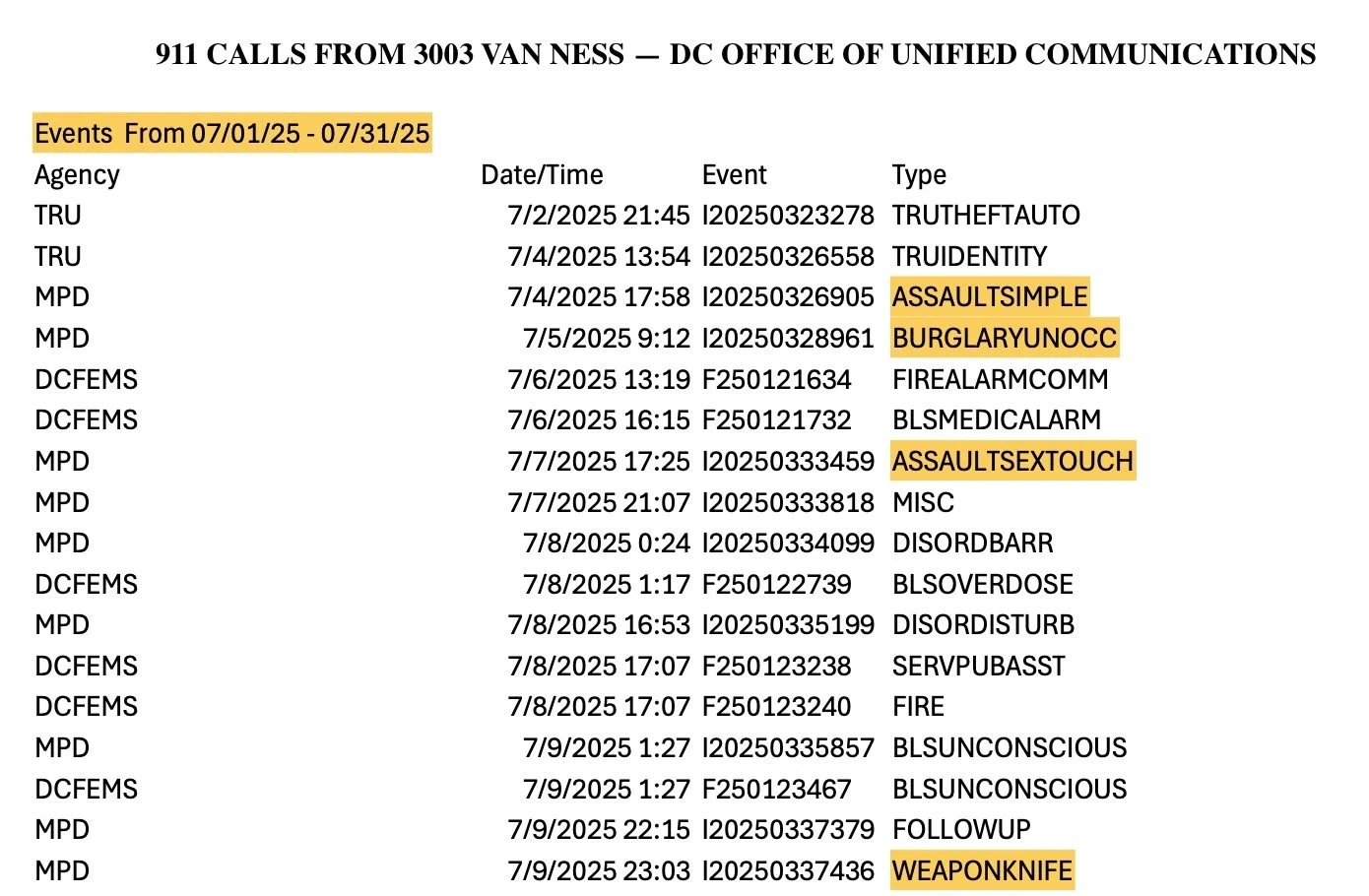
The most frequently requested item is the audio recording of the conversation between the caller and the emergency dispatcher. However, the Computer-Aided Dispatch (CAD) log often contains more technical utility for legal and investigative purposes. The CAD log is a digital timestamp of every action taken: when the call was received, when the dispatcher keyed in the incident type, when units were dispatched, and when they arrived on the scene.
NG911 Metadata and Location Data
In the 2026 technical landscape, 911 records often include advanced metadata. This includes precise GIS (Geographic Information System) coordinates, vertical location data (z-axis) for multi-story buildings, and even "silent" data packets sent via text-to-911 or automated vehicle telematics. When requesting records, specifying that you require the "full packet including metadata" is essential for a complete forensic reconstruction of an event.
Transcripts and Translation Logs
If the caller spoke a language other than English and a translation service was utilized, the record will often include a secondary audio track or a written transcript of the third-party interpretation. These are distinct records and must often be requested specifically to ensure they are included in the production.
Legal Framework and Public Access Rights in 2026
The right to access 911 call records is grounded in the principle of government transparency. However, the specific statutes governing this access vary by state, as there is no single federal law that mandates the release of local emergency records.
State Public Records Acts (PRA)
Most requests are processed under state laws such as the California Public Records Act (CPRA), the Texas Public Information Act, or Florida’s Sunshine Law. By 2026, most states have updated these laws to account for digital-first record-keeping, ensuring that digital audio files are treated with the same transparency as paper documents.
The Role of FOIA
While the Freedom of Information Act (FOIA) primarily applies to federal agencies (like the FBI or Park Police), it serves as the procedural gold standard. If an emergency occurred on federal land or involved federal law enforcement dispatch, a federal FOIA request is the correct mechanism.
Privacy and HIPAA Considerations
A common misconception is that the Health Insurance Portability and Accountability Act (HIPAA) prevents the release of 911 records. In reality, 911 dispatch centers are generally not "covered entities" under HIPAA. However, many states have enacted their own medical privacy statutes that allow agencies to redact specific medical details or personal identifying information (PII) from the audio before public release.
Step-by-Step Guide to Requesting 911 Call Records
The process for obtaining records has been streamlined in 2026 through centralized digital portals, but the fundamental requirements for a valid request remain rigorous.
1. Identify the Correct Jurisdiction
911 calls are routed to Public Safety Answering Points (PSAPs). A call made on a highway might be handled by the State Patrol, while a call from a residence is handled by the local Police or Fire Department. You must identify which agency’s dispatchers actually took the call.
2. Gather Necessary Identifiers
To narrow the search and avoid "overly broad" denials, provide the following:
- Exact date and approximate time of the call.
- The specific phone number used to place the call.
- The exact address or GPS coordinates of the incident.
- The nature of the emergency (e.g., "Report of a two-vehicle collision").
- The incident or case number (if known).
3. Submit a Formal Written Request
Most agencies in 2026 utilize platforms like NextRequest or GovQA. If a portal is not available, a formal letter should be sent to the agency’s Records Division. The request should explicitly state: "This is a request under the [State Name] Public Records Act for the audio recording and CAD logs associated with [Incident Details]."
4. Pay Required Fees
While viewing records is often free, agencies are permitted to charge "actual costs" for duplication. For digital audio files, this is usually a nominal fee, though extensive redaction of PII from audio may result in labor charges.
Record Retention Schedules: The "Window of Opportunity"
One of the most critical factors in 911 record recovery is the retention period. Agencies do not keep these recordings indefinitely due to the massive storage requirements for high-fidelity audio.
| Record Type | Standard Retention Period (Average) | 2026 Technical Format |
|---|---|---|
| 911 Audio Recordings | 30 to 180 Days | .WAV or .MP3 with Metadata |
| CAD Dispatch Logs | 2 to 10 Years | JSON or XML Export |
| Radio Transmission Logs | 60 to 180 Days | Digital Trunked Audio |
| NG911 Location Data | 1 to 3 Years | GIS Data Layers |
| Administrative Records | 3 to 5 Years | PDF / Digital Document |
Critical Note on Evidence Preservation If you are involved in litigation or an active investigation, do not wait for the formal request process to conclude. Immediately send a "Letter of Preservation" to the agency. This legally notifies them that the record is relevant to a legal matter and must not be destroyed according to their standard 911 retention schedule, effectively "freezing" the record in their system.
Common Reasons for Redaction and Denial
Even if a record exists, you may receive a redacted version or a full denial. Understanding these legal "exemptions" is key to a successful appeal.
Active Criminal Investigations
If the 911 call is part of an ongoing homicide or sensitive criminal investigation, the agency may withhold the record under the "Law Enforcement Records" exemption. They argue that releasing the audio could alert suspects or taint the witness pool. Once the case is adjudicated or closed, the record typically becomes fully public.
Caller Privacy and Victim Identity
In cases involving domestic violence, sexual assault, or minors, agencies will often redact the caller’s voice or PII. In 2026, many agencies use AI-driven redaction software to "bleep" or remove names and addresses from audio files while maintaining the integrity of the remaining conversation.
Information That Could Endanger Personnel
Tactical information, such as non-public radio frequencies used by SWAT teams during an active incident recorded on the dispatch line, is almost always redacted to ensure officer safety in future operations.
Technical Analysis of 911 Audio for Legal Use
Once you have obtained the records, they are often used as high-stakes evidence in civil and criminal trials. Analyzing these records requires a technical eye.
- Timestamp Synchronization: Ensure the CAD log timestamps align with the audio markers. Discrepancies can indicate "lag" in the dispatch system or human error in data entry.
- Background Noise Analysis: Forensic audio experts can often enhance "background" sounds in a 911 call—such as a second voice in the room or the sound of a struggle—which may not be immediately audible in the raw file.
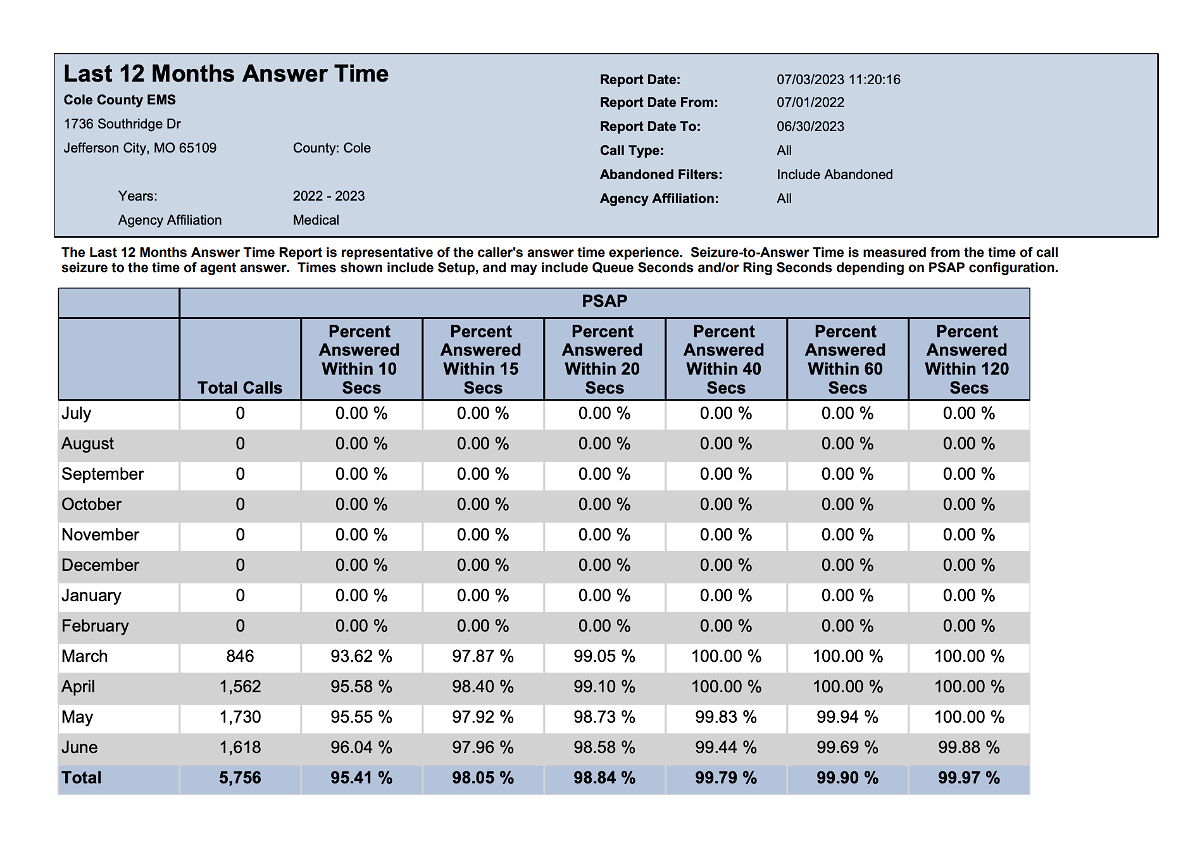
- Response Time Calculation: By subtracting the "Call Received" timestamp from the "Arrival" timestamp in the CAD log, investigators can determine if emergency response met the national standards (such as NFPA 1710 for fire services).
How to Appeal a Denied Request
If your request for 911 records is denied, you have several avenues of recourse in 2026.
- Administrative Appeal: Most states allow you to appeal the denial to the head of the agency or a specialized Public Records Commission. This is a no-cost first step.
- Attorney General Review: In many jurisdictions, the State Attorney General’s office will review the denial to determine if the agency is misapplying privacy exemptions.
- Litigation: If the record is of high value, you can file a lawsuit in Superior or District Court. In many states, if you prevail, the government must pay your attorney’s fees.
Comparing 911 Records to Other Public Safety Documents
It is important to distinguish 911 call records from other related documents to ensure you are requesting the correct evidence for your needs.
| Feature | 911 Call Records | Police Incident Report | Body-Worn Camera (BWC) |
|---|---|---|---|
| Primary Content | Audio of the initial report | Officer's narrative of the event | Video/Audio of the interaction |
| Creation Time | During the emergency | Hours or days after the event | During the on-site response |
| Standard Format | Audio & Data Log | Text/PDF | High-Definition Video |
| Accessibility | High (Public Record) | Moderate (Redactions common) | Restricted (Varies by State) |
| Best For | Proving arrival times/initial claims | Understanding official findings | Visual evidence of conduct |
Practical Tips for Successful Record Retrieval
- Be Specific, Not Broad: Do not ask for "all records from January." Ask for "the 911 audio and CAD log for the incident at 123 Main St on January 5th at approximately 2:15 PM."
- Request the "Discovery Packet": If you are a defendant in a criminal case, these records should be provided automatically through the discovery process, but your attorney should still verify that the raw audio (not just a transcript) was included.
- Check Online Portals First: Many large metropolitan areas (like New York, Los Angeles, or Chicago) have "Open Data" portals where basic CAD data is published automatically, though audio still requires a specific request.
Frequently Asked Questions
Can I get a 911 call record if I wasn't the one who called?
Yes, in 2026, most 911 records are considered public documents. You do not need to be a party to the call to request the record, provided the information doesn't fall under specific privacy exemptions like those for minors or victims of certain crimes.
How much does it cost to get 911 audio recordings?
Costs vary by agency, but typically range from $5.00 to $25.00 for a digital download. Some agencies waive fees for requests under a certain page count or data size, while others may charge for the hourly rate of the technician performing necessary redactions.
How long does it take to receive the records after a request?
Most state laws require a response within 5 to 10 business days. However, this response may simply be an acknowledgment or an estimate of when the records will be produced. Actual production of audio records usually takes 2 to 4 weeks depending on the agency's backlog.
Is it possible to get 911 records from years ago?
It is difficult. Most agencies purge audio recordings after 90 to 180 days unless they are flagged for a specific investigation. CAD logs (the text data) are kept longer, often for 5 to 10 years, but finding audio older than six months is rare without a prior preservation order.
What should I do if the agency says the record doesn't exist?
First, verify the jurisdiction and time. If you are certain of the details, ask for the "purge logs" or "destruction certificates" to see if the record was deleted according to policy. If the call was very recent, it may simply not have been indexed into the records system yet.
Can 911 records be used in court?
Yes, 911 calls are frequently used in court. They are often admitted under the "Excited Utterance" or "Present Sense Impression" exceptions to the hearsay rule, as they capture statements made during the stress of a startling event.
For individuals or legal professionals seeking to secure these vital pieces of evidence, the key is speed and precision. As retention windows remain short in 2026, initiating your request or preservation order immediately after an incident is the only way to ensure the data is not lost to automated deletion cycles.
Image Gallery