Madeline Kingsbury Case: Conviction, Sentencing, and Legal Aftermath
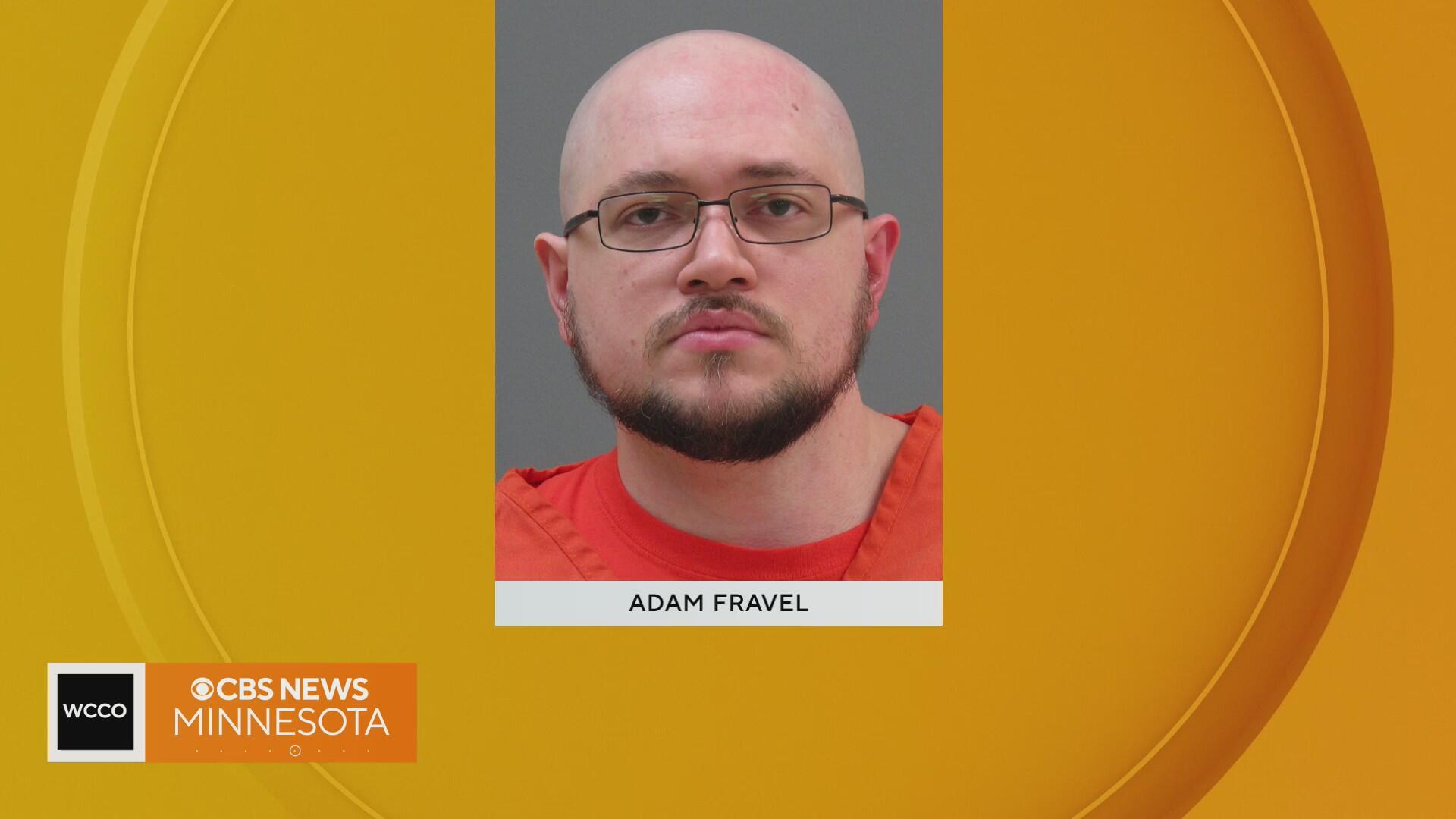
The legal proceedings regarding the death of Madeline Kingsbury concluded with the conviction of Adam Fravel on multiple counts of murder in late 2024. Fravel was sentenced to life in prison without the possibility of parole, marking a...
The legal proceedings regarding the death of Madeline Kingsbury concluded with the conviction of Adam Fravel on multiple counts of murder in late 2024. Fravel was sentenced to life in prison without the possibility of parole, marking a definitive end to the criminal trial that captivated Minnesota. The aftermath has focused on legislative changes to child custody laws and expanded domestic violence resources.
Contents
The Disappearance and Investigation of Madeline Kingsbury
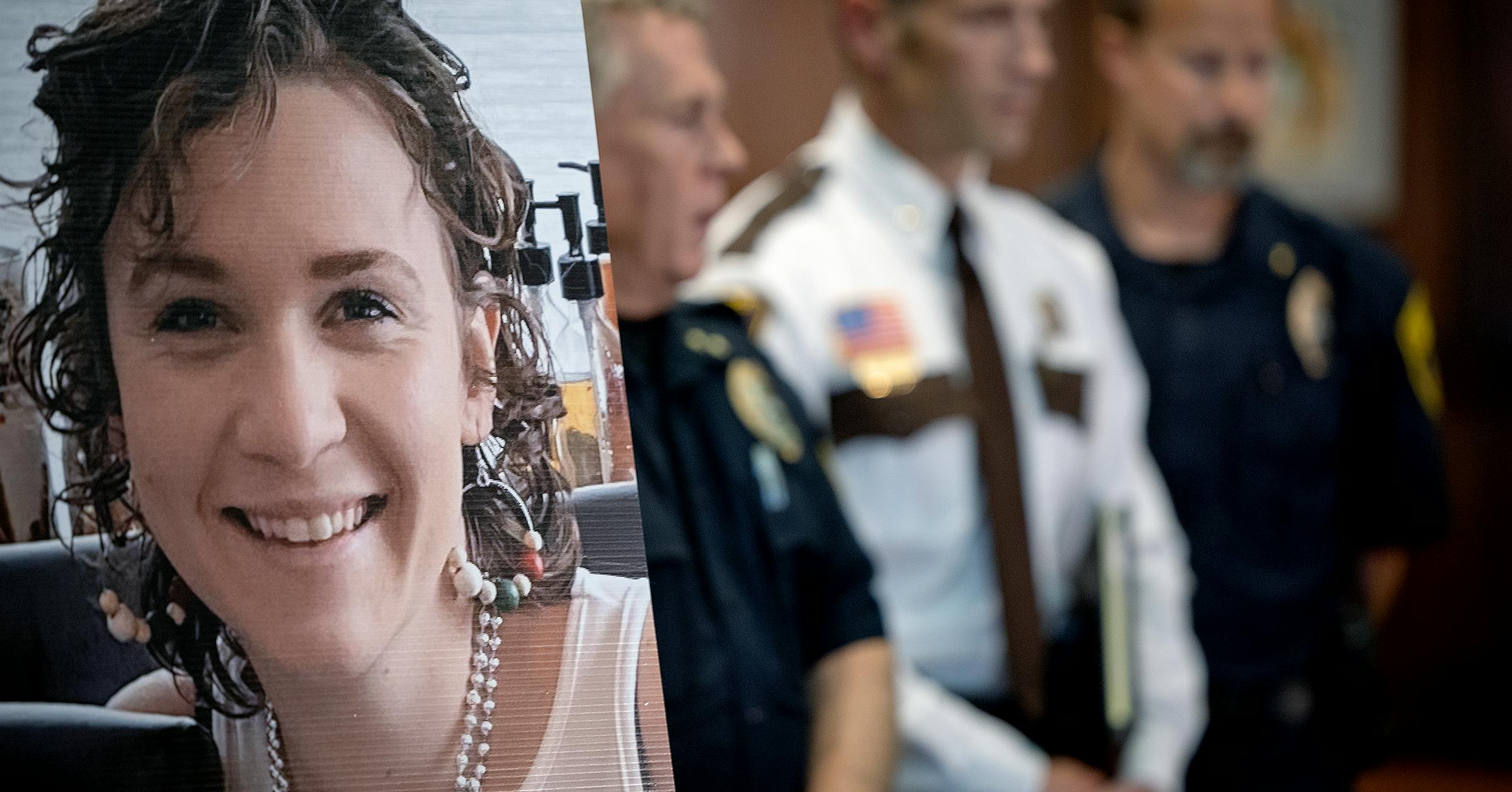
The case began on March 31, 2023, when 26-year-old Madeline "Maddie" Kingsbury, a clinical research coordinator at the Mayo Clinic, disappeared after dropping her children off at daycare in Winona, Minnesota. Her absence was immediately flagged as suspicious by her family and law enforcement, as she failed to show up for work or pick up her children later that afternoon.
For 68 days, a massive search effort involving thousands of volunteers and multiple law enforcement agencies covered the terrain of Southeast Minnesota. The investigation centered on Adam Fravel, the father of Kingsbury’s two children, who was the last person to see her alive. Despite his initial statements claiming she had left the house on foot, investigators noted inconsistencies in his timeline and cell phone data.
On June 7, 2023, the search reached a grim conclusion when Kingsbury’s body was discovered in a wooded area off Highway 43, near Mabel, Minnesota. The location was near property owned by the Fravel family. Her body was found wrapped in a gray bedsheet and closed with black tape—items that were later linked back to the residence she shared with Fravel. This discovery shifted the case from a missing person investigation to a homicide prosecution.
The Trial of Adam Fravel: Evidence and Prosecution Strategy
The trial of Adam Fravel, which was moved from Winona County to Blue Earth County due to extensive pretrial publicity, began in the fall of 2024. The prosecution’s strategy relied on a combination of forensic evidence, digital footprints, and a documented history of domestic volatility.
Forensic and Digital Evidence
The State presented critical evidence involving Fravel’s vehicle movements on the day of the disappearance. Data from his van showed it traveling toward the location where Kingsbury’s body was eventually found. Furthermore, investigators recovered a roll of black tape and bedding from the shared residence that matched the materials used to conceal the body.
A significant portion of the trial focused on cell phone "pings" and GPS data. Prosecutors demonstrated that Fravel’s phone was active in areas that contradicted his initial statements to police. While the defense argued that the evidence was circumstantial and lacked a definitive "smoking gun," the prosecution successfully argued that the sheer volume of coincidental evidence pointed toward a single logical conclusion.
Testimony Regarding Domestic Abuse
One of the most harrowing aspects of the trial was the testimony regarding the couple’s relationship. Friends and family members testified about a history of domestic abuse and Fravel’s controlling behavior. Perhaps the most damning testimony involved a specific threat Fravel allegedly made to Kingsbury, referencing the high-profile Gabby Petito case. Witnesses claimed Fravel told Kingsbury that if she did not follow his instructions, she would end up like Petito.
The prosecution used this to establish "premeditation," a necessary component for a first-degree murder conviction in Minnesota. They argued that the killing was not a sudden heat-of-passion event but the culmination of an escalating pattern of domestic terror.
The Conviction and Sentencing Details
In October 2024, the jury returned a guilty verdict on all four counts:
- First-Degree Premeditated Murder
- First-Degree Murder While Committing Domestic Abuse
- Second-Degree Intentional Murder
- Second-Degree Unintentional Murder
Under Minnesota law, a conviction for first-degree premeditated murder carries a mandatory sentence of life in prison without the possibility of parole. During the sentencing hearing, the courtroom heard emotional victim impact statements from Kingsbury’s parents and siblings, who spoke of the profound loss experienced by her two young children.
Judge Nancy Miller, presiding over the case, emphasized the calculated nature of the crime during the sentencing. The defense indicated plans to appeal, citing the change of venue and the inclusion of certain character evidence as potential grounds. However, as of 2026, the conviction stands, and Fravel remains incarcerated within the Minnesota Department of Corrections system.
Legal Aftermath and the "Maddie’s Law" Initiative
The tragedy of the Madeline Kingsbury case exposed several gaps in Minnesota’s legal framework, particularly concerning the intersection of missing persons investigations and child custody. In the immediate aftermath of her disappearance, a contentious custody battle erupted between the Kingsbury family and the Fravel family. Because Fravel had not yet been charged with a crime during the initial weeks, legal questions arose regarding the rights of a "suspect" parent versus the safety of the children.
Custody and Social Services Reform
The Winona County Health and Human Services department was heavily involved in the placement of the children. The Kingsbury family eventually secured permanent custody, but the process was described by advocates as unnecessarily traumatic and bureaucratic.
This led to the proposal of "Maddie’s Law" in the Minnesota Legislature. The goal of this legislative effort is to:
- Streamline the process for granting emergency temporary custody to extended family members when a primary caregiver is missing under suspicious circumstances.
- Allow judges to consider evidence of domestic abuse more heavily in emergency custody hearings, even if a criminal conviction has not yet been secured.
- Establish "Maddie’s Alert" protocols specifically for missing adults believed to be in "clear and present danger" due to domestic threats.
Impact on Domestic Violence Advocacy in Minnesota
The case has served as a catalyst for renewed focus on domestic violence prevention in rural Minnesota. Organizations such as the Winona Women’s Resource Center saw a significant increase in calls for service and donations following the trial. The case highlighted how domestic abuse can often remain hidden behind the facade of a "normal" professional household.
As of 2026, several community-based initiatives have been established in Kingsbury’s honor:
- The Madeline Kingsbury Foundation: A non-profit dedicated to providing financial assistance to families of missing persons.
- Enhanced Training for First Responders: New protocols in Winona and surrounding counties for handling "welfare checks" where a history of domestic calls exists.
- Educational Scholarships: Established at the institutions where Kingsbury studied, focusing on clinical research and healthcare.
Summary of Key Legal Milestones
The following table outlines the timeline from the initial disappearance to the final legal resolutions observed by 2026.
| Date | Event | Legal Significance |
|---|---|---|
| March 31, 2023 | Madeline Kingsbury Disappears | Initiation of missing person investigation. |
| June 7, 2023 | Discovery of Remains | Case upgraded to homicide; Adam Fravel arrested. |
| June 2023 | Grand Jury Indictment | Fravel charged with first-degree murder. |
| October 2024 | Trial and Verdict | Jury finds Fravel guilty on all four murder counts. |
| December 2024 | Sentencing | Mandatory life without parole imposed. |
| 2025 - 2026 | Legislative Action | Introduction and debate of "Maddie’s Law" in MN. |
Frequently Asked Questions
What was the specific evidence that led to the first-degree conviction?
The first-degree premeditated murder charge required proof that Fravel planned the killing. The prosecution successfully argued this by showing the preparation involved in concealing the body (using specific tape and bedding from the home) and the previous threats he made to her life. The use of a "Gabby Petito" reference was seen by the jury as evidence of prior contemplation of the act.
Where are Madeline Kingsbury’s children now?
As of 2026, Madeline’s two children are in the permanent custody of their maternal grandparents. The transition was part of a lengthy legal process that involved both the criminal court's findings and family court rulings. The children are reportedly residing in a private location to protect their development and recovery from the trauma.
Did Adam Fravel ever confess to the crime?
No. Throughout the investigation and the trial, Adam Fravel maintained his innocence. Even at the sentencing hearing, he did not provide a confession or express public remorse for the killing, which the judge noted as a factor in the finality of the sentencing remarks.
Can the conviction be overturned on appeal?
While Fravel’s legal team filed notices of appeal in 2025, overturning a first-degree murder conviction in Minnesota is difficult when the forensic and circumstantial evidence is as comprehensive as it was in this case. Common grounds for appeal include judicial error or ineffective assistance of counsel, but legal analysts suggest the trial record is robust.
How did "Maddie’s Law" change Minnesota's legal landscape?
The law shifted the burden of proof in emergency custody cases involving missing parents. It created a "rebuttable presumption" that a parent who is a person of interest in a disappearance involving domestic violence should not have immediate, unsupervised access to children until cleared by investigators.
Recommendation for Next Actions
For those following the long-term impact of this case or seeking to support similar causes, there are several practical steps to take:
- Monitor Legislative Updates: Follow the progress of domestic violence legislation through the Minnesota House and Senate websites to see how "Maddie’s Law" is being implemented.
- Support Local Advocacy: Contribute to regional organizations like the National Center for Missing & Exploited Children or local Minnesota shelters that provide resources for those attempting to leave abusive relationships.
- Domestic Violence Resources: If you or someone you know is experiencing domestic volatility, the National Domestic Violence Hotline is available 24/7 at 1-800-799-SAFE (7233).
Image Gallery