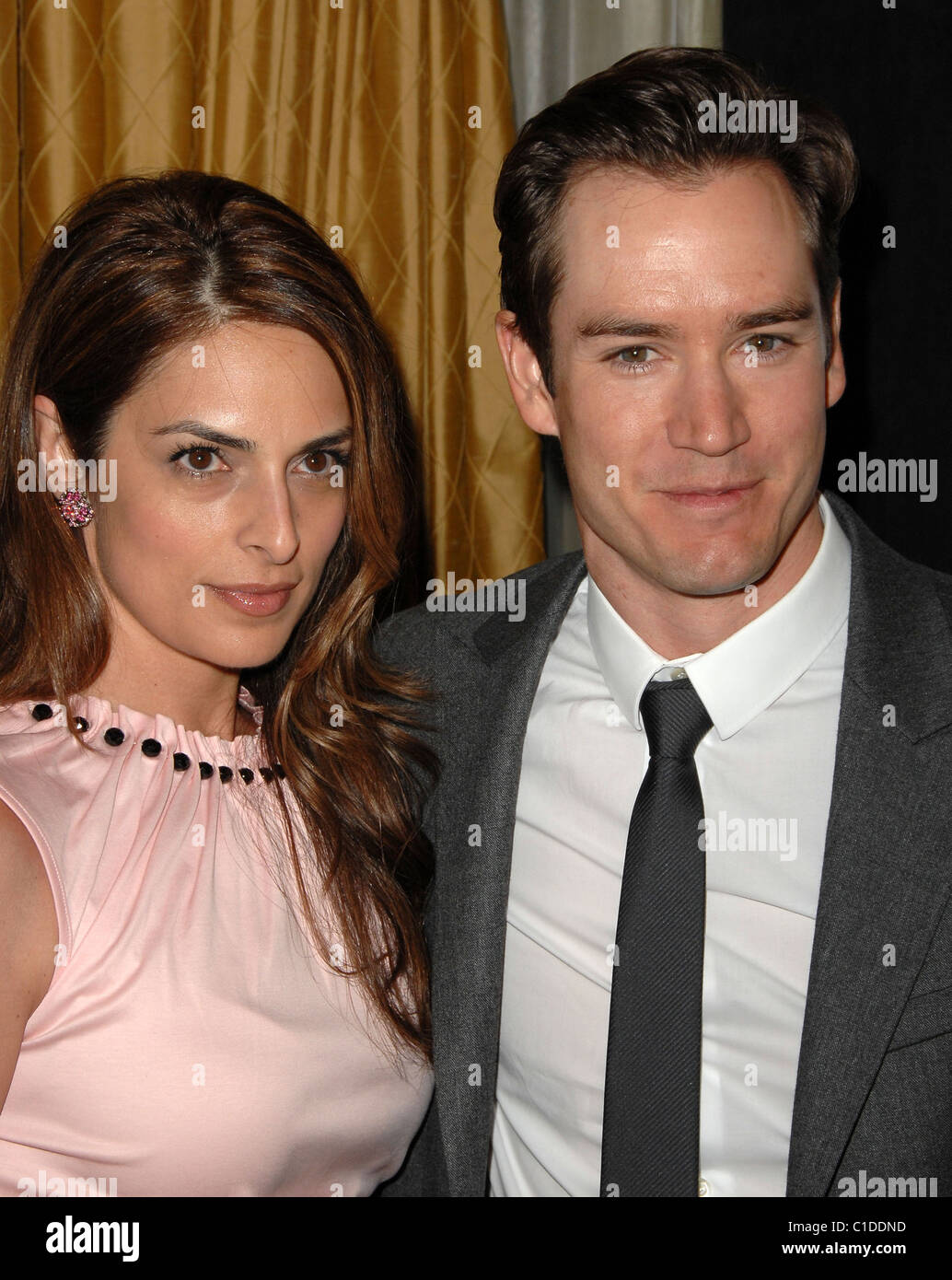
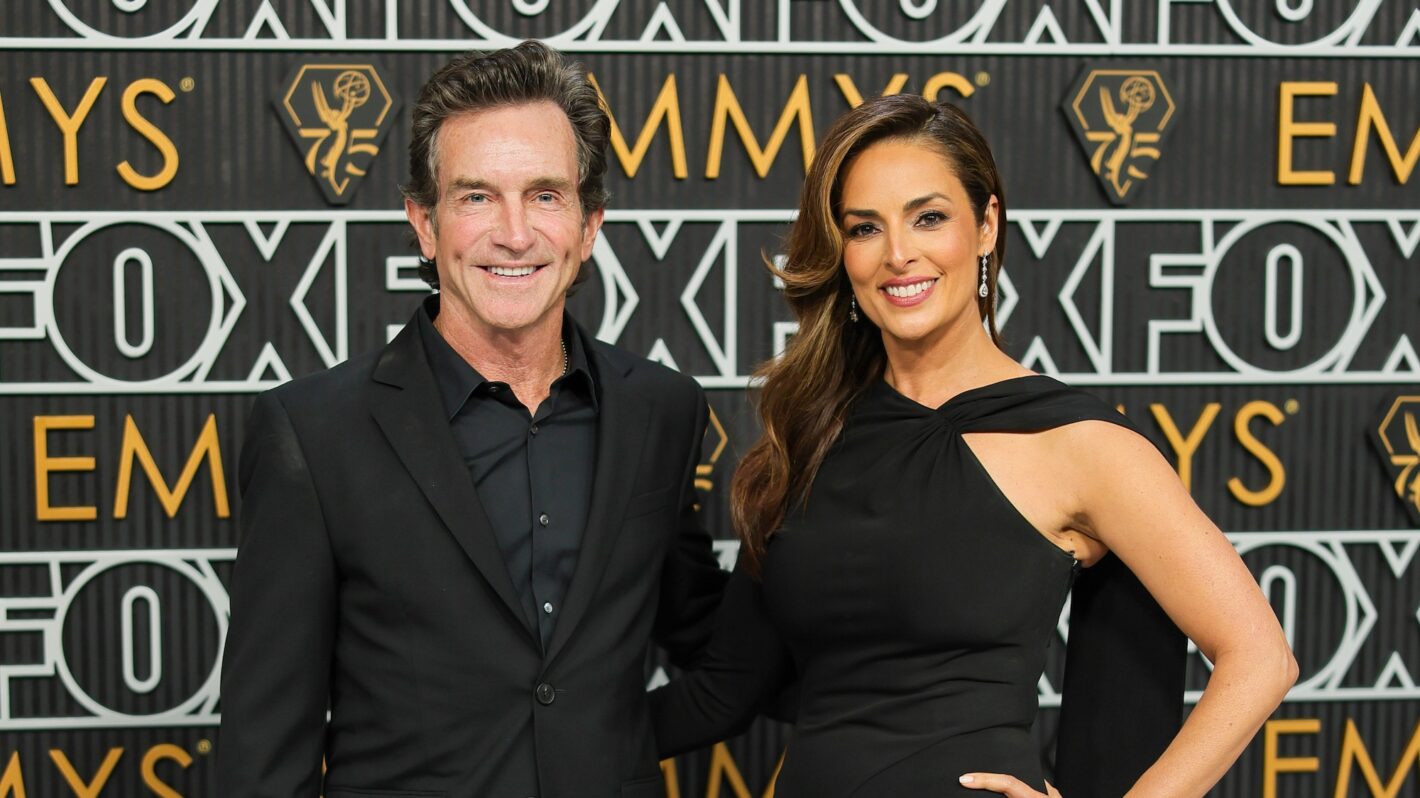
Lisa Russell: A Profile of the American Actress and Model
Lisa Russell is an established American actress and model who has built a diverse career across film, television, and commercial print media. Recognized for her versatility, she has navigated the competitive landscape of the entertainm...
Lisa Russell is an established American actress and model who has built a diverse career across film, television, and commercial print media. Recognized for her versatility, she has navigated the competitive landscape of the entertainment industry by balancing high-profile modeling engagements with substantive roles in independent and mainstream narrative projects.
Contents
The entertainment industry often features multiple individuals sharing common names, which can lead to occasional confusion in biographical research. The "Lisa Russell" identified here refers to the professional performer recognized for her work in American cinema and commercial modeling throughout the early 21st century. Her career is characterized by an adherence to the rigorous standards of professional acting, involving systematic training, consistent auditioning, and the pursuit of roles that showcase a wide emotional and technical range. This article examines the professional trajectory, requirements for success in these creative fields, and the practical realities of building a career in the American entertainment market.
The Professional Path of an American Actress and Model
To understand the career of an actress and model like Lisa Russell, one must first recognize the distinction and the frequent overlap between these two professional disciplines. While acting requires the mastery of narrative, character development, and performance techniques, modeling often demands an acute awareness of movement, light, and the ability to represent a brand’s identity in a static or short-form visual medium.
For performers in this niche, the career trajectory typically begins with foundational training. Actors often pursue formal education in theater arts, conservatory programs, or specialized workshops focused on techniques such as the Meisner method, Stanislavski’s system, or contemporary screen acting. Parallel to this, models typically build their portfolios through professional photography sessions that demonstrate their range—from high-fashion editorial work to commercial lifestyle imagery.
As an actress and model navigates the industry, they must maintain a professional "package." This includes professional headshots, an updated resume (or CV), and, for actors, a demo reel showcasing their best work. In the current 2026 digital landscape, this presence is almost exclusively hosted on casting platforms that allow directors and photographers to screen talent based on specific physical requirements, experience levels, and union affiliations.
Key Technical Requirements for Success
Professional success in acting and modeling is not merely a matter of opportunity; it is a matter of strict adherence to industry protocols. An actress must be prepared to handle the physical and mental demands of long shooting days, which can often occur in varying environmental conditions.
Essential Professional Components
- Union Representation: Many American actors aim for membership in unions like SAG-AFTRA (Screen Actors Guild-American Federation of Television and Radio Artists). Membership provides standardized pay scales, workplace safety protections, and access to pension and health benefits.
- The Casting Process: Auditions for film and television roles often require self-tapes, where the actor records a scene in a controlled environment to demonstrate their ability before being invited to a live "callback" or studio screen test.
- Portfolio Management: For a model, the composite card (or "comp card") remains a vital tool. It acts as a calling card that displays the model's headshots and vital statistics, allowing agencies to categorize them by look, size, and experience.
Comparison of Performance Disciplines
| Feature | Acting for Film/TV | Commercial Modeling |
|---|---|---|
| Primary Goal | Character portrayal / Storytelling | Brand identification / Aesthetic appeal |
| Key Skill | Emotional range and memorization | Posing and spatial awareness |
| Preparation | Script analysis and rehearsals | Physical prep and wardrobe coordination |
| Output Type | Narrative sequences | Static images or short spots |
The Role of Representation and Management
For an established talent like Lisa Russell, navigating the complex web of talent agencies, managers, and publicists is a critical component of career maintenance. Talent agents are responsible for finding auditions and negotiating contracts, while managers often take a more holistic view of the actor's career, offering advice on branding, project selection, and long-term trajectory.
In the United States, legitimate agencies generally do not charge upfront fees for representation. Instead, they operate on a commission basis, taking a percentage—typically 10% to 20%—of the earnings from the roles they secure for their clients. Understanding this structure is essential for any aspiring performer to avoid predatory practices that target those new to the industry.
Navigating Challenges in the Entertainment Industry
The life of an actress and model is marked by significant fluctuations in workload. The industry is highly project-based, meaning that periods of intense activity during filming or photo campaigns are often followed by lulls. Success depends on the ability to manage time and financial resources during these periods of unpredictability.
Furthermore, the integration of new technologies in 2026 has changed how talent is discovered. Social media platforms and digital casting databases have decentralized the discovery process. While this provides greater access for emerging talent, it also increases the competition level. Professional performers must manage their personal brands while maintaining the privacy and focus necessary to excel in their craft.
Frequently Asked Questions
1. How do talent agencies typically vet prospective models and actors? Agencies prioritize professional materials, such as high-quality headshots and a diverse demo reel. They look for evidence of training and a clear "type" or range that fits current market demands. They usually conduct interviews to assess the performer’s commitment and professional reliability.
2. What is the difference between a headshot and a portfolio for a model? A headshot is a specific, close-up photograph used primarily for acting to identify the performer's look. A portfolio for a model is a collection of various images showcasing their ability to adapt to different lighting, fashion, and commercial environments.
3. Is membership in a union like SAG-AFTRA mandatory? It is not mandatory to start, but it is considered a mark of professional status. Once an actor works on a union-contracted project, they may be required to join the union, which then grants them the right to work on other high-budget union productions.
4. How does an actress/model prepare for a commercial shoot? Preparation involves researching the brand, understanding the target demographic of the campaign, and coordinating wardrobe as directed by the production team. On-set, it requires patience during lighting setups and the ability to take direction quickly.
5. How has technology impacted casting in 2026? The use of virtual auditions and global casting platforms allows actors to submit tapes from anywhere, expanding the reach of regional actors to major production hubs like Los Angeles, New York, and Atlanta.
Practical Next Steps for Aspiring Performers
For those looking to follow a professional path similar to Lisa Russell, the initial steps are foundational. First, secure formal training to build a strong performance base. Second, invest in high-quality, industry-standard headshots that accurately represent your current look. Third, register with reputable, vetted casting databases to begin tracking open roles. Finally, focus on building a sustainable network of peers, as many opportunities in the entertainment industry are discovered through word-of-mouth and professional relationships developed on set. Consistency and professionalism are the primary indicators of a long-term, successful career in the performing arts.
Image Gallery