Queenston-Lewiston Bridge Border Crossing: Complete 2026 Travel and Commercial Guide
Navigating the Queenston-Lewiston Bridge border crossing requires understanding current wait times, NEXUS lane operations, toll structures, and documentation requirements for travel between Ontario, Canada, and New York, United States....
Navigating the Queenston-Lewiston Bridge border crossing requires understanding current wait times, NEXUS lane operations, toll structures, and documentation requirements for travel between Ontario, Canada, and New York, United States. Situated along the Niagara River, this international port of entry serves as a vital corridor for both passenger vehicles and commercial freight trucks.
Contents
Understanding the Queenston-Lewiston Bridge Crossing
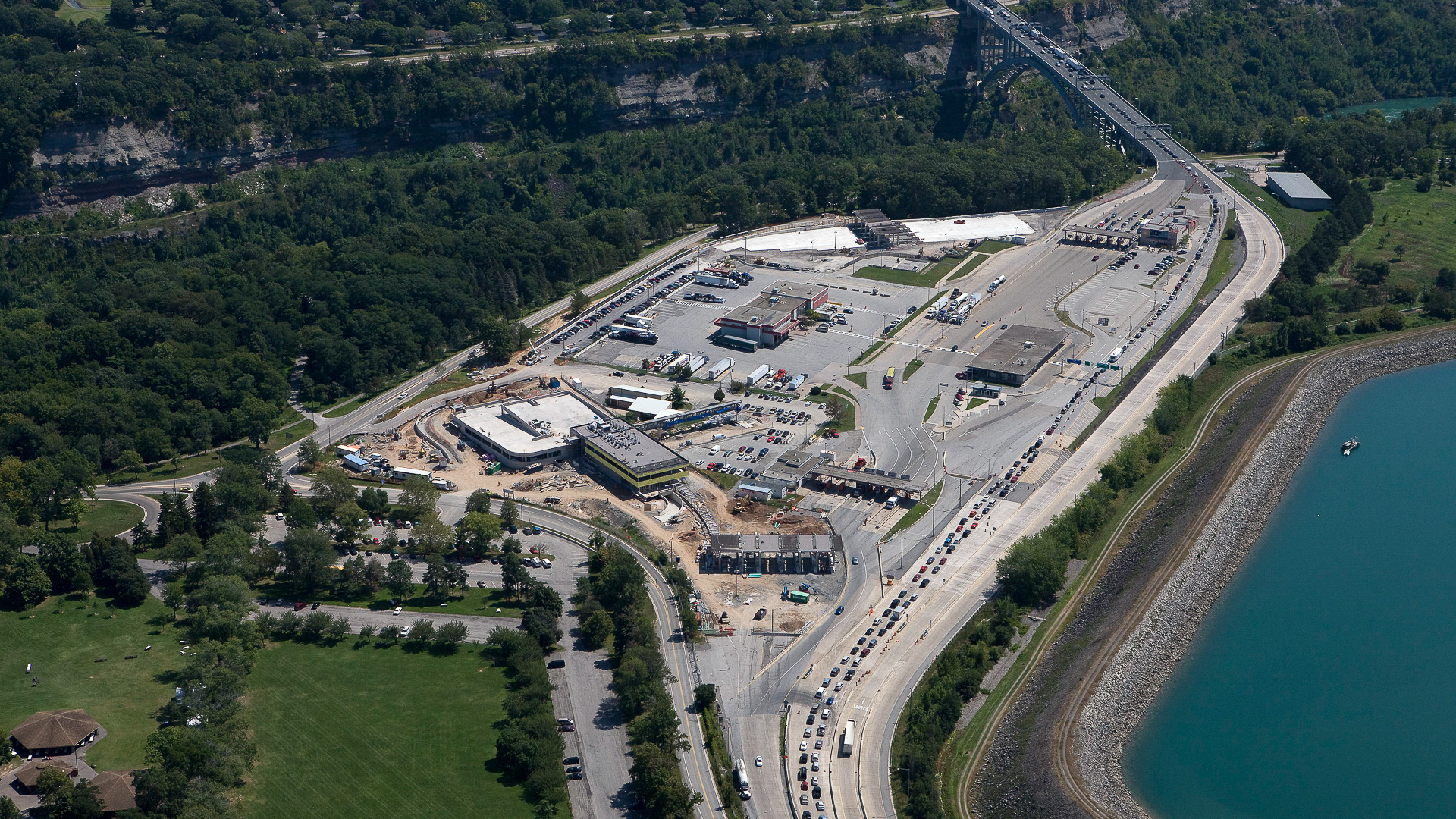
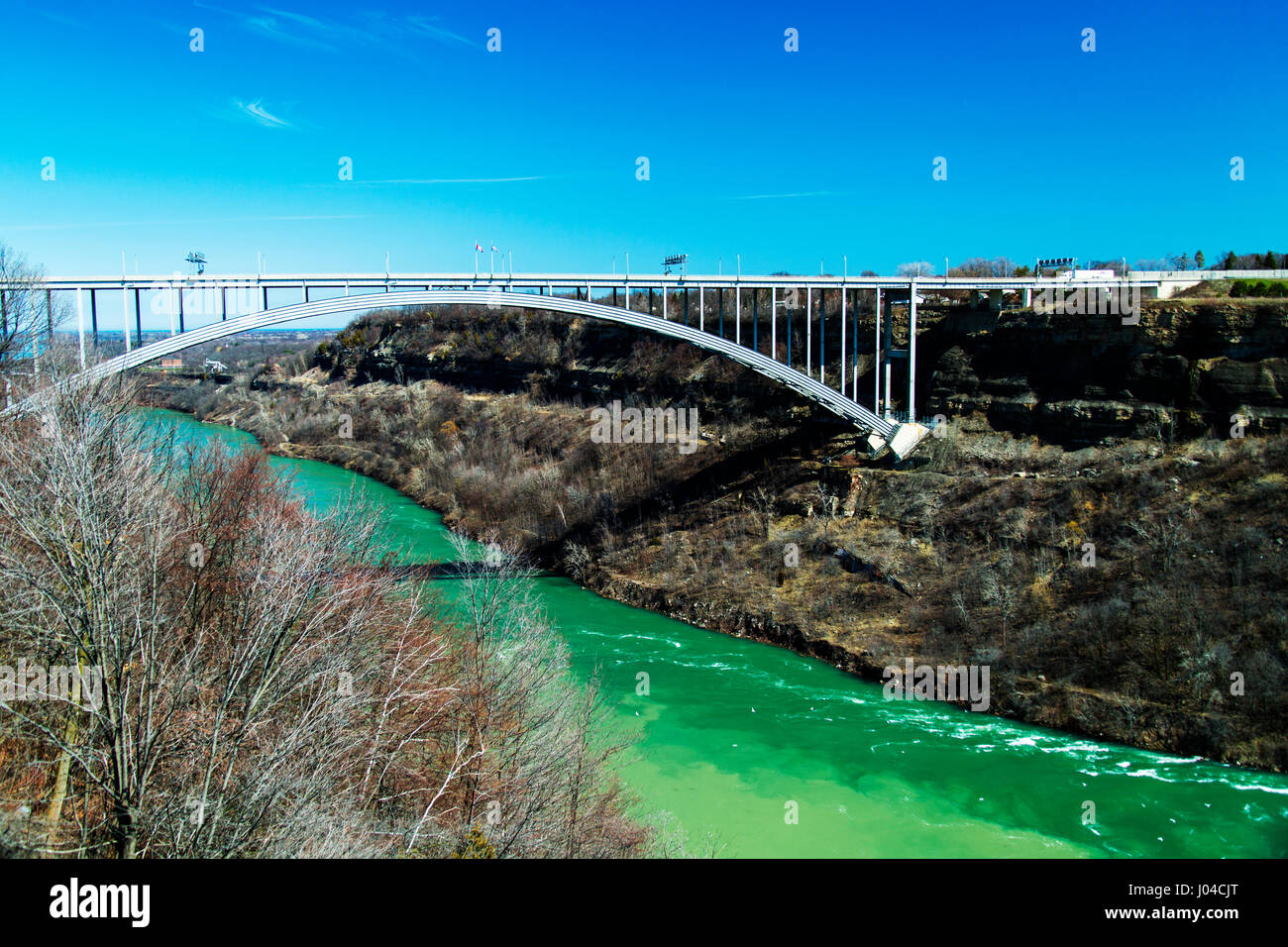
The Queenston-Lewiston Bridge is an international arch bridge spanning the Niagara River, connecting Queenston, Ontario (via Highway 405) to Lewiston, New York (via Interstate 190). Operated jointly by the Niagara Falls Bridge Commission (NFBC), this crossing handles millions of travelers and commercial shipments annually.
Unlike the nearby Rainbow Bridge, which restricts commercial traffic, the Queenston-Lewiston crossing accommodates both passenger cars and heavy commercial transport. This dual-purpose infrastructure means travelers should anticipate mixed traffic volumes, particularly during peak commuting hours and major holiday periods.
Geographic and Route Context
- Canadian Approach: Accessible directly via the Niagara Regional Road 55 and Highway 405, which links to the Queen Elizabeth Way (QEW).
- United States Approach: Connects directly to Interstate 190, providing rapid access to Buffalo, Niagara Falls, and the wider New York State Thruway network.
- Primary Function: Mixed traffic processing facility handling passenger automobiles, motorcycles, pedestrians (restricted access), and commercial trucks.
Essential Documentation and Identification Requirements
Crossing the border between Canada and the United States demands strict adherence to documentation standards set by the Canada Border Services Agency (CBSA) and U.S. Customs and Border Protection (CBP). Presenting acceptable identification prevents costly delays and secondary inspections.
Accepted Travel Documents for Adults
- Valid Passports: Required for all international air travel and universally accepted for land border crossings.
- Enhanced Driver's Licenses (EDL): Accepted for land and sea border entries into the United States and Canada where available.
- NEXUS Cards: Trusted Traveler program cards issued jointly by CBSA and CBP, granting expedited processing privileges.
- FAST Cards: Specifically designated for commercial truck drivers participating in Free and Secure Trade programs.
Minor Travel Protocols
When traveling with minors (children under the age of 18), border officials enforce rigorous anti-child abduction safeguards. If a child travels with only one parent, legal guardian, or an adult who does not hold custody, carrying a signed and notarized consent letter from the non-traveling parents or legal guardians is strongly recommended. This letter should include contact details, travel dates, and specific destination information.
Trusted Traveler Programs: NEXUS and FAST Lanes
Utilizing trusted traveler lanes significantly reduces crossing times at the Queenston-Lewiston Bridge. However, strict operational rules govern these lanes, and compliance failures carry severe financial and legal penalties.
NEXUS Lane Operational Guidelines
- All Occupants Requirement: Every single passenger in the vehicle, from infants to adults, must possess a valid NEXUS card to use the dedicated NEXUS lane. If even one passenger lacks a card, the vehicle must use standard general lanes.
- Hours of Operation: NEXUS lane hours are subject to periodic adjustments based on staffing and traffic flow. Travelers should verify active hours through official port authority updates prior to departure.
- Prohibited Items: Bringing undeclared goods, agricultural products, or failing to report currency over $10,000 can result in permanent revocation of NEXUS privileges and heavy fines.
Commercial FAST Processing
Commercial carriers utilize dedicated FAST lanes at the Queenston-Lewiston Bridge to expedite cargo clearance. Drivers must ensure that all electronic manifest data is transmitted via ACE (Automated Commercial Environment) for U.S. entry or ACI (Advance Commercial Information) for Canadian entry prior to arriving at the primary inspection booths.
Toll Structures and Accepted Payment Methods
Crossing the Queenston-Lewiston Bridge requires paying a toll. Fees vary depending on vehicle classification, axle count, and payment method.
| Vehicle Classification | Cash / Standard Payment | Commuter / Electronic Pass |
|---|---|---|
| Passenger Vehicle / Motorcycle | Standard Rate Applied | Discounted Rate via Bridge Pass |
| 2-Axle Commercial Truck | Commercial Rate Applied | Account-Based Volume Discount |
| Multi-Axle Heavy Freight | Scaled by Axle Count | Account-Based Volume Discount |
Payment Methods
- Electronic Toll Collection: Transponders issued by the Niagara Falls Bridge Commission allow automated toll collection and faster lane clearance.
- Accepted Currencies: Both Canadian and U.S. currencies are accepted at manned and automated lanes, though exchange rates are determined directly by the bridge commission.
- Credit and Debit Cards: Major credit cards and contactless payment methods are widely accepted across most toll collection booths.
Real-Time Wait Times and Traffic Management Strategies
Monitoring live border wait times before arriving at the Queenston-Lewiston crossing is essential for minimizing transit delays. Traffic volume fluctuates based on commuter rushes, weather events, and cross-border shopping trends.
Operational Tip: Border wait time estimates provided by mobile applications and government websites reflect current processing speeds but can shift rapidly due to secondary inspections or staffing adjustments. Checking live traffic camera feeds offers a clearer visual assessment of actual queue lengths.
Best Times to Cross
- Off-Peak Hours: Generally between 8:00 PM and 6:00 AM on weekdays.
- Peak Congestion Windows: Friday afternoons, Sunday evenings, and statutory holidays in either Canada or the United States experience heavy inbound and outbound delays.
Prohibited and Restricted Goods
Both CBSA and CBP enforce strict regulations regarding what items may cross the border. Ignorance of import laws does not exempt travelers from seizure or penalties.
Controlled and Restricted Items
- Firearms and Ammunition: Strict declaration and permit requirements apply. Undeclared weapons lead to immediate arrest and vehicle seizure.
- Food, Plants, and Animals: Many agricultural products, fresh fruits, vegetables, and meats are restricted to prevent the spread of pests and diseases. Always declare all food items to avoid on-the-spot fines.
- Cannabis: Transporting cannabis across the international border remains illegal under federal law in both Canada and the United States, regardless of the legality of cannabis in the origin or destination jurisdiction.
- Currency Reporting: Travelers carrying cash or monetary instruments totaling $10,000 CAD or USD (or equivalent foreign currency) must declare the amount to border officials. Failure to report can result in seizure and civil penalties.
Comparison of Niagara River Crossings
When planning a trip across the Niagara frontier, evaluating alternative bridges can save time if the Queenston-Lewiston crossing experiences severe congestion.
| Bridge Name | Commercial Traffic | Pedestrian Access | NEXUS Lane Availability | Primary Route Connection |
|---|---|---|---|---|
| Queenston-Lewiston Bridge | Allowed | No | Yes | Highway 405 / I-190 |
| Rainbow Bridge | Prohibited | Allowed | Yes | Niagara Falls, NY / Ontario |
| Peace Bridge | Allowed | No | Yes | Buffalo, NY / Fort Erie, ON |
| Whirlpool Rapids Bridge | Prohibited | No | Exclusive (NEXUS Only) | Niagara Falls, ON / NY |
Step-by-Step Border Crossing Procedure
Approaching and clearing customs requires a predictable sequence of actions to ensure a smooth interaction with border security officers.
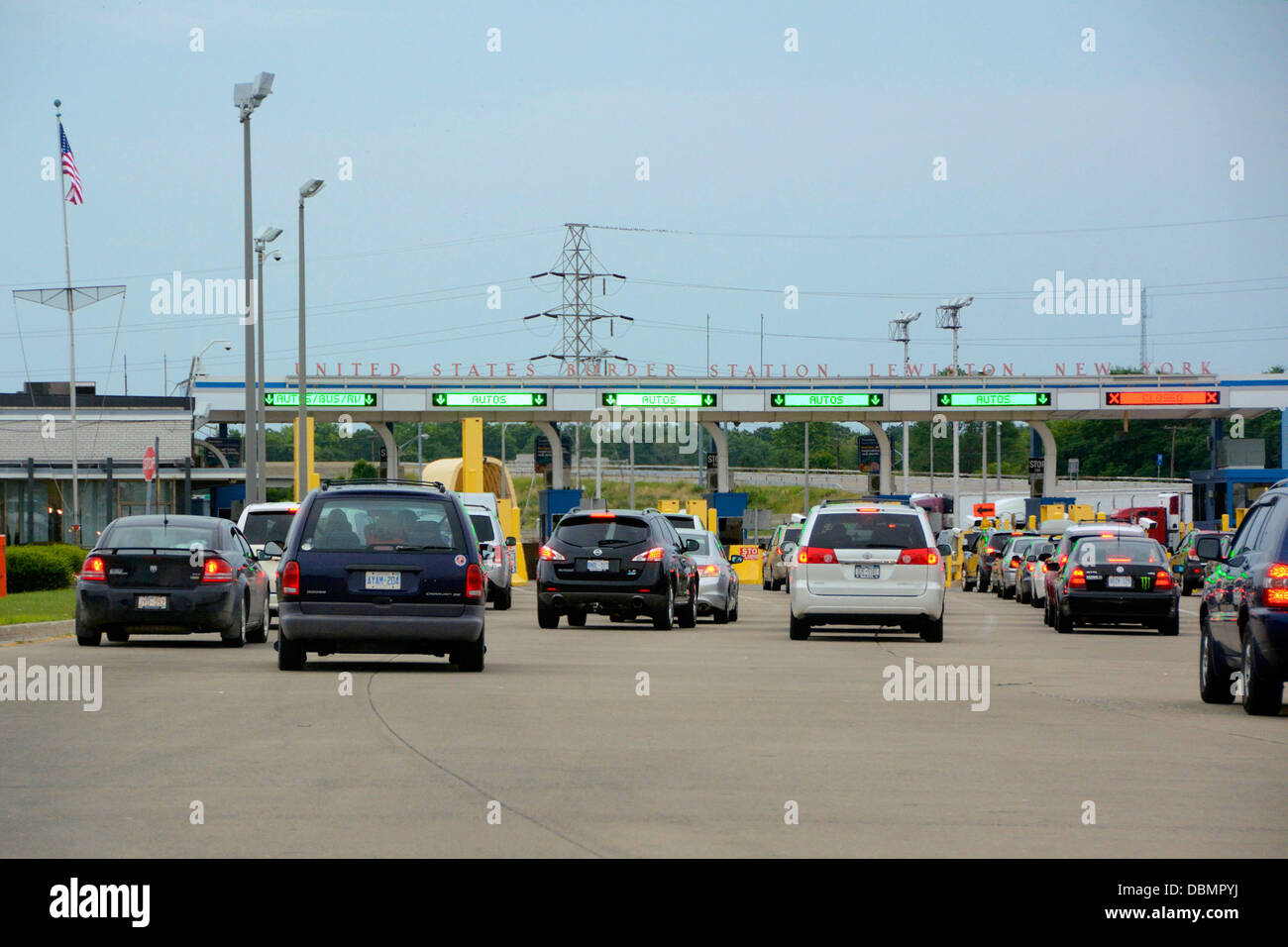
- Approach and Queue Selection: Select the appropriate lane (General, NEXUS, or Commercial) well in advance based on document eligibility and vehicle type.
- Primary Inspection Booth: Present your travel documents for all vehicle occupants simultaneously to the border services officer. Answer all questions honestly, directly, and concisely.
- Declaration of Goods: Clearly state all purchases, gifts, alcohol, tobacco, and agricultural products acquired outside your home country.
- Secondary Inspection (If Directed): If the officer directs your vehicle to secondary inspection, follow directional signage calmly, park in the designated zone, and lock your vehicle unless instructed otherwise. Remain cooperative during the inspection process.
- Departure: Once cleared, merge safely back into highway traffic following local speed limits and directional signs.
Practical Troubleshooting and Common Mistakes
Travelers frequently encounter preventable issues that turn a standard border crossing into a lengthy ordeal. Avoiding these common errors ensures compliance and efficiency.
- Expired Documents: Always check passport expiration dates months before traveling, as many jurisdictions require passports to be valid for at least six months beyond the planned date of return.
- Failing to Declare Purchases: Attempting to conceal minor purchases or gifts can lead to formal seizures, fines, and long-term flagging in border enforcement databases.
- Cell Phone Usage: Using mobile devices while driving through customs inspection plazas is strictly prohibited and frequently results in immediate fines or secondary questioning.
- Incomplete NEXUS Occupant Status: Entering a NEXUS lane when a passenger lacks membership guarantees a referral to secondary inspection and potential fines.
Conclusion and Recommendations
Planning your transit through the Queenston-Lewiston border crossing requires preparation, valid documentation, and real-time awareness of traffic conditions. By verifying identification requirements, respecting customs declarations, and monitoring live wait times, travelers can ensure a seamless cross-border journey between Canada and the United States. Always consult official agency websites immediately before your trip for the most up-to-date operational hours and travel advisories.
Image Gallery