Understanding First Party and Third Party Auto Insurance Coverage
First-party auto insurance covers losses sustained by you, the policyholder, and your own vehicle, regardless of who is at fault. Third-party insurance provides liability protection, paying for damages or injuries you cause to others....
First-party auto insurance covers losses sustained by you, the policyholder, and your own vehicle, regardless of who is at fault. Third-party insurance provides liability protection, paying for damages or injuries you cause to others. Understanding the distinction is essential for ensuring both legal compliance and personal financial security on the road.
Contents
Who are the Parties in an Insurance Contract?
To navigate auto insurance, one must first identify the "parties" involved in the legal agreement. In the context of 2026 insurance regulations, these definitions remain the bedrock of every policy document.
- The First Party: This is the policyholder—you. It also includes anyone specifically named on the policy, such as family members or designated drivers residing in your household.
- The Second Party: This is the insurance company. They are the entity providing the financial backing and the contractual promise to pay out according to the terms of the policy.
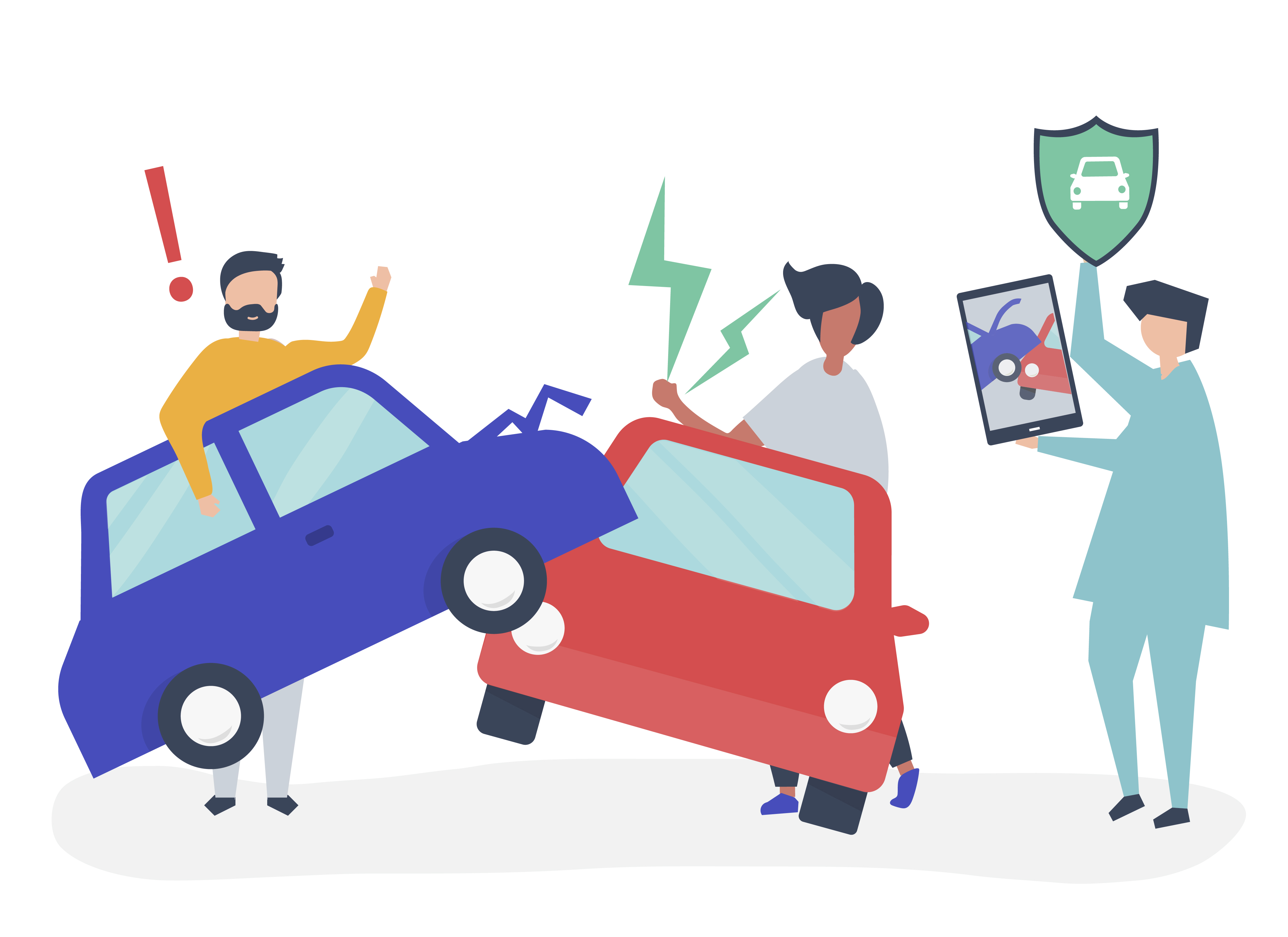
- The Third Party: This is anyone else involved in an accident who is not you or your insurer. This could be another driver, a passenger in another car, a pedestrian, or the owner of property (like a fence or storefront) that you accidentally damage.
The distinction between first-party and third-party coverage dictates who receives the payout after an incident and whose assets are being protected.
Third-Party Coverage: The Legal Shield
Third-party insurance is often referred to as liability coverage. In almost every jurisdiction in 2026, maintaining a minimum amount of third-party coverage is a legal requirement to operate a motor vehicle. This coverage does not pay for your repairs; instead, it pays for the losses of the person you hit.
Bodily Injury Liability
If you are found at fault for an accident that causes physical harm to others, Bodily Injury (BI) liability covers their medical bills, loss of income, and legal fees if they sue you. It also covers "pain and suffering" damages, which can be substantial. For example, if a third party requires long-term rehabilitation following a collision, your BI coverage prevents those costs from being sought directly from your personal savings or assets.
Property Damage Liability
Property Damage (PD) liability covers the cost of repairing or replacing another person’s property. While this most commonly applies to the other driver's vehicle, it also extends to public infrastructure, private buildings, and personal belongings inside another vehicle. If you skid on an icy road and take out a neighbor's expensive wrought-iron gate, your PD coverage handles the claim.
Why Third-Party Coverage Matters
Without sufficient third-party limits, a single catastrophic accident could lead to personal bankruptcy. In 2026, with the rising cost of medical care and vehicle technology (such as advanced sensor arrays in bumpers), even a minor "fender bender" can exceed low state-minimum requirements. Experts generally recommend limits far higher than the legal minimum to protect home equity and future earnings.
First-Party Coverage: Your Personal Safety Net
While third-party insurance protects your "back" from lawsuits, first-party coverage protects your "front" by ensuring you can recover from a loss. These coverages are frequently optional unless you are financing or leasing your vehicle, in which case the lender will mandate them.
Collision Coverage
Collision insurance pays to repair or replace your vehicle after an accident, regardless of fault. If you hit a tree or another car, your insurer will pay for your repairs, minus your deductible. In 2026, with the average price of new vehicles reaching historic highs, collision coverage is the primary mechanism for protecting the significant capital investment of a car.
Comprehensive Coverage
Often called "other than collision," comprehensive coverage handles damage to your vehicle caused by events outside of your control. This includes theft, vandalism, fire, natural disasters, and impacts with animals. As climate-related incidents like floods and severe storms become more frequent, comprehensive coverage has transitioned from a "luxury" add-on to a necessity for many drivers.
Personal Injury Protection (PIP) and Medical Payments (MedPay)
These are first-party medical coverages. Regardless of who caused the accident, PIP and MedPay pay for your medical expenses and those of your passengers.
- PIP: Often found in "no-fault" states, PIP is broader and may cover lost wages, childcare expenses, and even funeral costs.
- MedPay: This is a narrower coverage that strictly handles medical bills and is often used to supplement health insurance or cover high health insurance deductibles.
Uninsured/Underinsured Motorist (UM/UIM)
UM/UIM is a unique first-party coverage that acts as a backup when a third party fails their responsibility. If you are hit by a driver who has no insurance or whose limits are too low to cover your injuries, your own UM/UIM policy steps in to pay you what the other driver’s insurance should have paid. This is critical in areas with high rates of uninsured drivers.
Key Differences and the Claims Interplay
Understanding how these coverages interact is vital during the claims process. The most significant difference lies in the deductible and the direction of payment.
| Feature | First-Party Coverage | Third-Party Coverage |
|---|---|---|
| Recipient of Funds | The Policyholder (You) | The Other Person (The Victim) |
| Deductibles | Usually applies (e.g., $500 or $1,000) | No deductible for the policyholder |
| Legal Requirement | Optional (unless required by a lender) | Mandatory in most states/provinces |
| Purpose | Repairing your car / Healing your body | Protecting your assets from lawsuits |
| Fault Factor | Usually pays regardless of fault | Only pays when you are at fault |
The Concept of Subrogation
One of the most complex interactions between these coverages is subrogation. If you have collision coverage (first-party) and someone else hits you, you might choose to file a claim with your own insurer to get your car fixed quickly. Your insurer will pay for the repairs (minus your deductible). Then, your insurer will "step into your shoes" and sue the at-fault driver's insurance (third-party) to recover the money. If they are successful, they often return your deductible to you.
Jurisdictional Nuances: No-Fault vs. Tort Systems
As of 2026, the way first and third-party coverages are utilized depends heavily on whether you live in a Tort state or a No-Fault state.
- Tort States: Most regions operate under a tort system. In these areas, the person who caused the accident is responsible for all damages. The victim typically files a third-party claim against the at-fault driver’s liability insurance.
- No-Fault States: In no-fault jurisdictions, every driver is required to carry first-party Personal Injury Protection (PIP). After an accident, your own PIP coverage pays for your medical bills regardless of who was at fault. This is designed to reduce the number of small-scale lawsuits, though third-party claims are still allowed for severe injuries or significant property damage.
Cost-Benefit Analysis for 2026 Policyholders
When structuring a policy in 2026, balancing these coverages requires an assessment of your "risk tolerance" versus "premium cost."
- Vehicle Value: If your car is older and has a low market value, you might "drop" first-party collision and comprehensive coverage to save money. This is known as being "liability-only." However, if the car is destroyed, you receive nothing.
- Health Insurance Quality: If you have an excellent, low-deductible health insurance plan, you might opt for lower limits of first-party MedPay. Conversely, if you have a high-deductible health plan, robust first-party auto medical coverage is a smart hedge.
- Asset Protection: If you own a home or have significant savings, you must prioritize high third-party liability limits. If a third-party claim exceeds your policy limits, the injured party can pursue your personal assets.
Frequently Asked Questions
Do I have to pay a deductible for a third-party claim?
No. Deductibles typically only apply to first-party coverages like Collision and Comprehensive. When you are at fault and your liability insurance pays a third party for their damages, you do not have to pay an out-of-pocket deductible to the insurance company.
Can I file a first-party claim if I am at fault?
Yes. First-party coverages such as Collision, Comprehensive, and Personal Injury Protection (PIP) are designed to cover your losses regardless of fault. However, filing a claim when you are at fault will likely result in a premium increase during your next renewal period in 2026.
Why does my lender require first-party coverage?
Lenders and leasing companies have a financial interest in your vehicle. Since the vehicle serves as collateral for the loan, they want to ensure it can be repaired or replaced if it is damaged or stolen. They require first-party Collision and Comprehensive coverage to protect their investment until the loan is paid in full.
Does third-party insurance cover my passengers?
In most cases, yes. If you are at fault in an accident, your third-party Bodily Injury liability coverage typically pays for the medical expenses of the passengers in your vehicle, as they are "third parties" to your negligent action. However, in no-fault states, their medical bills might first be covered by their own PIP policies or your PIP policy as a first-party benefit.
What happens if a third party sues me for more than my limit?
If a court awards a judgment against you that exceeds your third-party liability limits, you are personally responsible for the remaining balance. This could lead to wage garnishment or the seizure of non-exempt assets. This risk is why many drivers in 2026 opt for "Umbrella Insurance," which provides extra layers of third-party protection.
Final Recommendation
When reviewing your auto insurance in 2026, do not view it as a single product, but as a two-pronged strategy. Use third-party liability to protect your financial future and life savings from the errors you might make. Use first-party coverage to protect your physical mobility and the cash value of your vehicle.
A well-balanced policy should include liability limits that match or exceed your net worth, paired with UM/UIM coverage to protect you from those who drive uninsured. If you own your vehicle outright and its value is less than the annual cost of the premium plus the deductible, only then should you consider declining first-party physical damage coverage.
Image Gallery