Planning a Trip to Acadia National Park: The Comprehensive Guide
Planning a trip to Acadia National Park requires navigating coastal Maine's unique geography, seasonal weather shifts, and high visitor demand. To ensure a smooth experience, visitors must coordinate vehicle reservations for Cadillac S...
Planning a trip to Acadia National Park requires navigating coastal Maine's unique geography, seasonal weather shifts, and high visitor demand. To ensure a smooth experience, visitors must coordinate vehicle reservations for Cadillac Summit Road, secure timely lodging or campsites on Mount Desert Island, and understand park pass requirements. Advance preparation is essential for accessing popular destinations like Jordan Pond and the Park Loop Road during peak summer and autumn seasons.
Contents
Understanding Acadia National Park's Geography and Layout
Acadia National Park spans roughly 50,000 acres, primarily situated on Mount Desert Island, with smaller portions located on Isle au Haut and the Schoodic Peninsula. Understanding this layout is the first step in crafting an effective itinerary. Mount Desert Island itself features a rugged coastline, granite peaks, and a series of historic carriage roads.
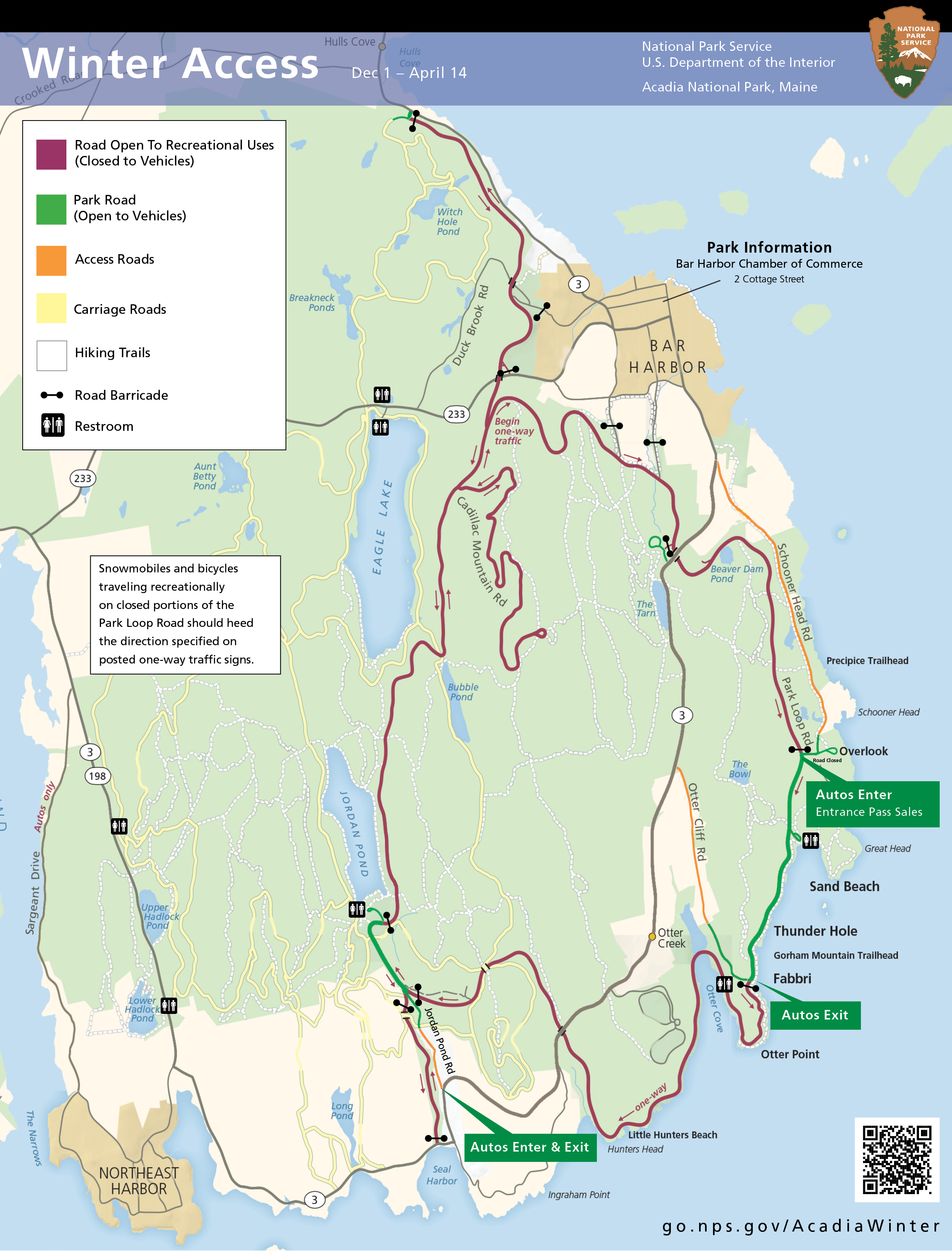
The primary artery for vehicular traffic is the Park Loop Road, a 27-mile scenic drive that guides motorists past many of the park’s premier highlights, including Sand Beach, Thunder Hole, and the base of Cadillac Mountain. However, navigating this road during July and August presents distinct challenges due to heavy traffic and limited parking capacity at major trailheads.
Beyond Mount Desert Island, the Schoodic Peninsula offers a quieter, less congested alternative with dramatic wave-splashed shorelines and excellent bicycle routes. Meanwhile, Isle au Haut provides a remote wilderness experience accessible only by mail boat. When planning your daily movements, account for the physical separation of these sectors to avoid spending excessive time in transit.
Essential Permits, Passes, and Vehicle Reservations
All visitors entering Acadia National Park must display a valid recreational park pass on their vehicles or carry proof of entry. These passes can be purchased digitally in advance via Recreation.gov or at various physical locations, including the Hulls Cove Visitor Center.
Beyond the standard park entrance pass, certain activities and high-demand zones require specialized, time-sensitive reservations:
- Cadillac Summit Road Vehicles: Essential between late May and mid-October. This reservation is required in addition to your standard park pass and must be secured well in advance on Recreation.gov. Visitors can choose between sunrise and daytime slots.
- Jordan Pond House Parking: While parking at the popular Jordan Pond parking lot does not require a reservation, spaces fill by early morning during peak season, necessitating early arrival or reliance on the free Island Explorer shuttle bus.
- Wildwood Stables Carriage Road Tours: If you plan to tour the historic carriage roads via horse-drawn carriage, advance bookings through authorized concessionaires are mandatory.
Securing these permits requires monitoring release windows on booking platforms, as summer and autumn weekend slots frequently sell out within minutes of release.
Selecting the Best Time to Visit
The optimal time to visit Acadia depends on your weather preferences, crowd tolerance, and seasonal recreational goals. The park experiences distinct operational seasons that dictate access, weather conditions, and service availability.
| Season | Months | Weather Conditions | Crowd Levels | Key Considerations | | :--- | :--- | :--- | :--- | :--- | | **Spring** | May – June | Cool, damp, 45°F–65°F | Moderate | Black flies peak in June; some facilities opening. | | **Summer** | July – August | Warm, humid, 70°F–80°F | Very High | Peak congestion; reservations mandatory; shuttle operating. | | **Autumn** | September – October | Crisp, clear, 40°F–60°F | High (Foliage) | Stunning fall colors; road closures begin late October. | | **Winter** | November – April | Freezing, snowy, 15°F–35°F | Low | Park Loop Road closed to cars; snowshoeing and cross-country skiing. |
Late spring brings blooming wildflowers and rushing streams, though visitors must contend with biting insects in June. Summer offers long daylight hours and fully operational visitor centers and shuttle networks, but parking lots are often overwhelmed by mid-morning. Autumn delivers world-class foliage viewing along with cooler hiking weather, though visitor services begin winding down by mid-October.
Navigating Transportation: Shuttles and Parking
Managing transportation within Acadia National Park can significantly enhance or detract from your vacation. Relying solely on personal vehicles during peak hours often results in prolonged frustration searching for parking at trailheads like Precipice, Beehive, and Dorr Mountain.
To mitigate congestion, the National Park Service partners with local transit authorities to operate the Island Explorer, a fare-free propane-powered shuttle bus system connecting major campgrounds, ferry terminals, and downtown Bar Harbor to key trailheads and park attractions within Mount Desert Island. Utilizing the Island Explorer allows travelers to bypass parking constraints entirely, hop on and off at various trailheads, and reduce their carbon footprint.
If you choose to drive, adopt an early-bird strategy. Arriving at major parking areas before 8:00 AM or after 5:00 PM dramatically increases your chances of securing a legitimate parking space. Parking along narrow park roads outside designated pull-offs is strictly prohibited and frequently results in fines or vehicle towing.
Outdoor Recreation: Hiking, Bicycling, and Water Activities
Acadia offers a diverse array of outdoor adventures tailored to various fitness levels and technical capabilities.
Hiking Trails
The park is famous for its iron-rung routes, which incorporate ladders, iron handholds, and narrow ledges bolted directly into sheer cliff faces.
- The Beehive Trail: A classic, exhilarating iron-rung climb featuring exposed drop-offs and panoramic views of Sand Beach. Not recommended for individuals with severe acrophobia.
- Precipice Trail: A more demanding vertical ascent that is often closed during peregrine falcon nesting seasons (typically spring through mid-summer).
- Jordan Pond Path: A relatively flat, family-friendly 3.3-mile loop hugging the shoreline of Jordan Pond, ideal for a leisurely walk followed by popovers at the Jordan Pond House.
Bicycling the Carriage Roads
John D. Rockefeller Jr. financed and directed the construction of 45 miles of crushed-stone carriage roads that wind through the interior of Mount Desert Island. Motor vehicles are prohibited here, making them premier routes for cycling, walking, and horseback riding. Renting gravel bikes or standard hybrids in Bar Harbor or Northeast Harbor provides immediate access to this historic network.
Lodging and Accommodations Strategy
Deciding where to stay involves balancing proximity to the park with access to dining and services.
- Bar Harbor: The primary commercial hub adjacent to the park, offering a wide array of hotels, inns, restaurants, and retail shops. Staying here places you within walking distance of harbor cruises and dining options, but requires driving or taking a shuttle to enter the park.
- Quiet Side (Southwest Harbor and Bernard): A more tranquil, residential region of Mount Desert Island. This area offers a slower pace, fewer crowds, and convenient access to the Schoodic ferry and less-traveled hiking routes.
- Campgrounds: Acadia features several National Park Service campgrounds, such as Blackwoods and Schoodic Woods, alongside numerous private campgrounds on the island. Reservations for official NPS campgrounds open months in advance via Recreation.gov and are essential for summer and autumn stays.
Common Mistakes to Avoid
Travelers frequently encounter avoidable pitfalls when planning an excursion to Acadia National Park:
- Underestimating Weather Variability: Coastal Maine weather shifts rapidly. Clear blue skies can transform into heavy fog and cold ocean winds within an hour. Always pack layers and waterproof outerwear, even in mid-summer.
- Ignoring Reservation Timelines: Failing to secure Cadillac Summit Road passes or camping permits early leaves visitors scrambling for alternatives, as same-day availability is nonexistent.
- Parking Violations: Parking with tires on roadside vegetation damages fragile ecosystems and draws citations. Utilize designated lots or shuttle stops exclusively.
- Disregarding Trail Difficulty: Iron-rung trails are physically demanding and involve genuine exposure to heights. Assess your party's comfort level objectively before committing to vertical routes.
By respecting park regulations, planning ahead for vehicular access, and packing appropriate gear, visitors can fully experience the rugged granite peaks, spruce forests, and dramatic coastlines that define Acadia National Park.
Image Gallery