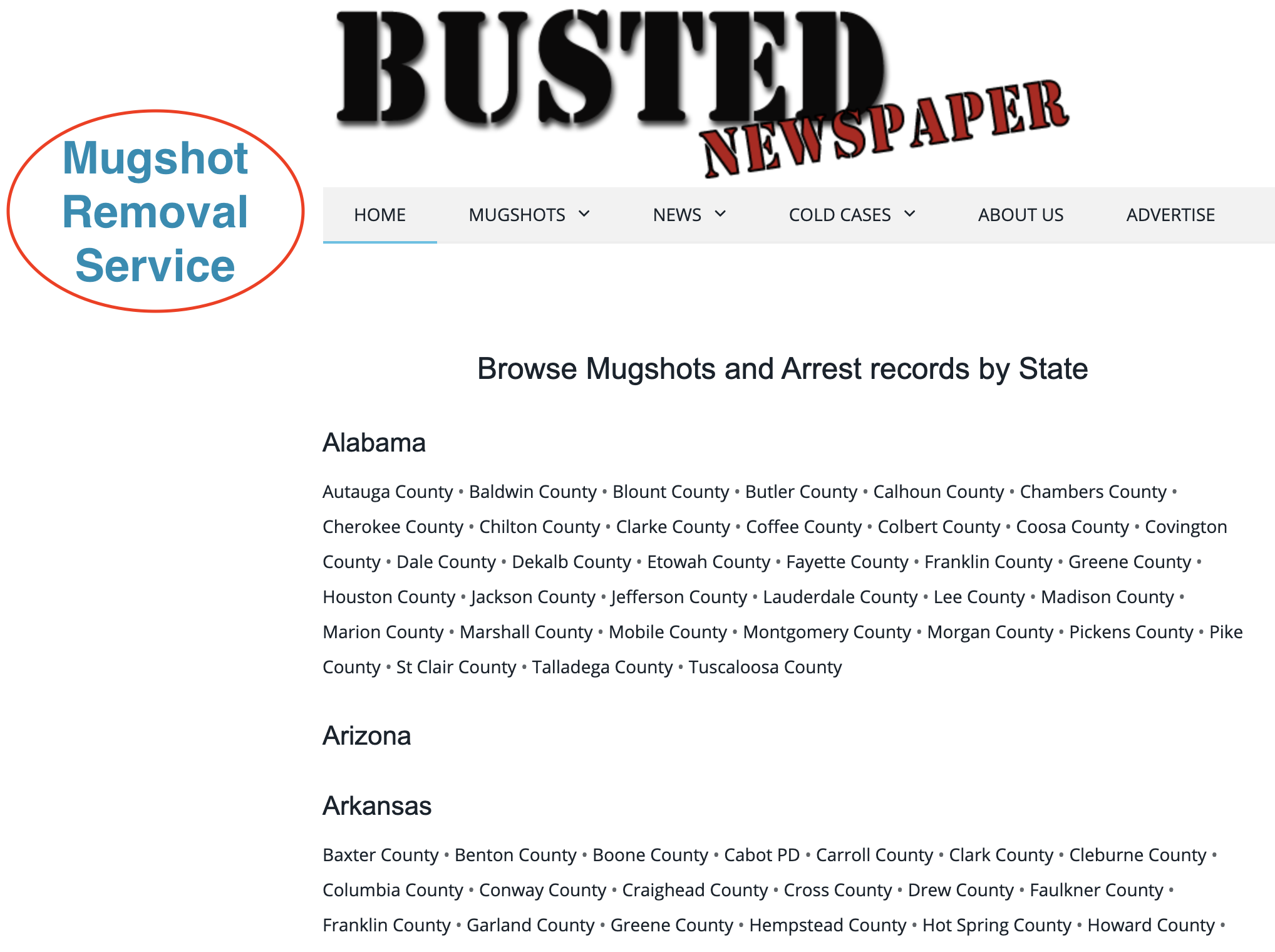
Understanding North Carolina Busted Paper: Accessing Public Records and Arrest Information in 2026
Navigating the public record systems in North Carolina for arrest information—often colloquially referred to as busted paper—requires an understanding of state information acts, county sheriff office databases, and third-party publishi...
Navigating the public record systems in North Carolina for arrest information—often colloquially referred to as busted paper—requires an understanding of state information acts, county sheriff office databases, and third-party publishing platforms. Accessing these records involves interacting with local law enforcement repositories, adhering to state-specific privacy guidelines, and distinguishing between official government portals and commercial mugshot aggregators.
Contents
Decoding Public Arrest Information and Jail Records in North Carolina
Public access to arrest records and jail listings in North Carolina is governed by state open government statutes, primarily the North Carolina Public Records Act. When individuals search for terms related to local arrests, they are typically trying to locate someone currently incarcerated, verify booking charges, or review criminal history documentation generated by county detention facilities or municipal police departments.
Understanding how these records are created and distributed prevents confusion regarding data accuracy. Law enforcement agencies—ranging from the Charlotte-Mecklenburg Police Department to the Wake County Sheriff's Office—collect booking data, fingerprints, and initial charges during the intake process. This raw data forms the foundation of what eventually becomes public docket information or jail log entries.
The Role of County Sheriff Offices and Detention Centers
In North Carolina, county jails are managed directly by elected county sheriffs. Consequently, there is no single, centralized statewide database run by a single state agency that contains real-time daily booking logs for all 100 counties. Instead, each county maintains its own independent repository for inmate housing, release dates, and bond amounts.
To locate an individual through official channels, researchers and family members must identify the specific county where the arrest occurred. Prominent county facilities include:
- Wake County Detention Center in Raleigh
- Mecklenburg County Jail in Charlotte
- Guilford County Sheriff's Office in Greensboro and High Point
- Forsyth County Law Enforcement Detention Center in Winston-Salem
Most of these facilities maintain online inmate search tools on their official county government domains (.gov). These databases allow users to search by first name, last name, and sometimes booking date or booking number.
Official State Repositories Versus Commercial Mugshot Sites
A critical distinction exists between official state-managed databases and commercial websites that republish arrest logs. While official sources provide legally mandated, up-to-date tracking of active court cases and jail status, commercial aggregators scrape public records to build traffic-driven profiles.
| Feature / Attribute | Official Government Portals (.gov) | Commercial Mugshot Publishers |
|---|---|---|
| Data Accuracy | High; updated in real-time by jail staff and court clerks. | Variable; may contain outdated or uncorrected charges. |
| Cost | Free public access funded by taxpayer resources. | Free to view, but often charges removal or takedown fees. |
| Legal Status | Authorized primary source under North Carolina law. | Third-party aggregators utilizing public records exemptions. |
| Expungement Compliance | Automatically or manually updates when records are sealed/expunged. | Frequently fails to remove records after legal expungement. |
Navigating commercial sites requires caution. Many of these platforms operate under business models that charge individuals high fees to have their booking photos and arrest notices removed, a practice that has faced increasing legislative scrutiny and consumer protection challenges.
Step-by-Step Guide to Finding and Verifying Arrest Records
Locating accurate booking details requires a structured approach to ensure the information is current and legally sound. Follow this systematic workflow to check status updates within North Carolina jurisdiction:
- Identify the Arresting Jurisdiction: Determine the exact city, town, or county where the incident occurred to target the correct sheriff's office or police department.
- Access the Official County Jail Log: Navigate to the verified county government website (.gov domain) and locate the inmate lookup or jail roster tool.
- Review Criminal Court Dockets: For ongoing cases, cross-reference jail data with the North Carolina Judicial Branch court calendar or eCourts portal to see scheduled court dates, case numbers, and presiding judges.
- Examine Statewide Background Checks: If a comprehensive criminal history is required beyond immediate jail rosters, submit a formal records request through the North Carolina State Bureau of Investigation (SBI) criminal information system.
Understanding Legal Rights, Expungement, and Record Sealing
An arrest record does not equate to a conviction. Under North Carolina law, individuals possess specific rights regarding the dissemination and eventual expungement of their criminal records if charges are dismissed, if they are found not guilty, or if they meet specific rehabilitation criteria over time.
Recent legislative updates in North Carolina have streamlined certain automatic expungement processes for dismissed charges and specific non-violent misdemeanors. However, individuals often need to work with defense attorneys or legal aid organizations to petition the court for formal record sealing. Once a record is officially expunged by a North Carolina superior court judge, law enforcement agencies and official state repositories are legally required to remove or seal the data.
Important Legal Disclaimer on Data Removal: Third-party websites that scraped data prior to an official court expungement may not automatically update their databases. Individuals dealing with lingering online arrest notices should submit formal removal requests directly to those platform operators citing state compliance rules or utilize specialized reputation management services.
Common Pitfalls and Troubleshooting When Searching Records
Searching for public records can sometimes yield frustrating results due to common technical and administrative hurdles. Avoiding these pitfalls saves time and ensures accurate data retrieval:
- Name Variations and Spelling Errors: Minor misspellings in booking data by intake officers can obscure search results. Always try alternate spellings, middle initials, or maiden names.
- Common Names Overload: Common names may return dozens of results. Filter searches using secondary identifiers such as age, race, gender, or approximate booking year.
- Jurisdiction Confusion: Confusing municipal police arrests with county sheriff jail holdings is a frequent mistake. If a city police department made the arrest, the individual may have been transferred to the county detention center within 24 to 48 hours.
- Pending Status Delays: During high-volume weekends or holidays, local booking data entry may experience administrative lag before appearing on public portals.
Frequently Asked Questions About North Carolina Arrest Records
How can I find out if someone is currently in a North Carolina jail?
You can search the online inmate database of the specific county sheriff's office where the arrest took place. Most major North Carolina counties provide free, searchable daily jail rosters on their official government websites.
Are mugshots and arrest records public information in North Carolina?
Yes, initial booking records and jail logs are generally public records under the North Carolina Public Records Act. However, access can be restricted for juveniles, individuals protected by specific court orders, or records that have been legally expunged.
How do I remove my mugshot from commercial publication sites?
You must contact the specific website operator directly to request removal, often by providing proof of a case dismissal or an official court expungement order. Be aware that some sites charge administrative fees, though state laws increasingly regulate or restrict predatory takedown practices.
What is the difference between a county jail record and an SBI criminal history?
A county jail record shows immediate, localized booking and housing information following an arrest. An SBI criminal history check provides a comprehensive statewide record of arrests, prosecutions, and convictions across all North Carolina counties.
Can old arrest records be completely erased in North Carolina?
Yes, if you meet statutory eligibility requirements—such as having charges dismissed, being acquitted, or maintaining a clean record for a designated waiting period following certain convictions—you can petition the court for an expungement to seal the records from public view.
Securing Official Public Records Safely
Effectively managing or searching for arrest information in North Carolina relies on utilizing official government portals, verifying data through court dockets, and understanding the legal boundaries of public record laws. Prioritizing verified .gov resources over commercial third-party aggregators ensures legal accuracy, protects personal privacy rights, and provides reliable information regarding state justice proceedings.
Image Gallery