The Wood Meme Explained: Origins, Impact, and Digital Legacy
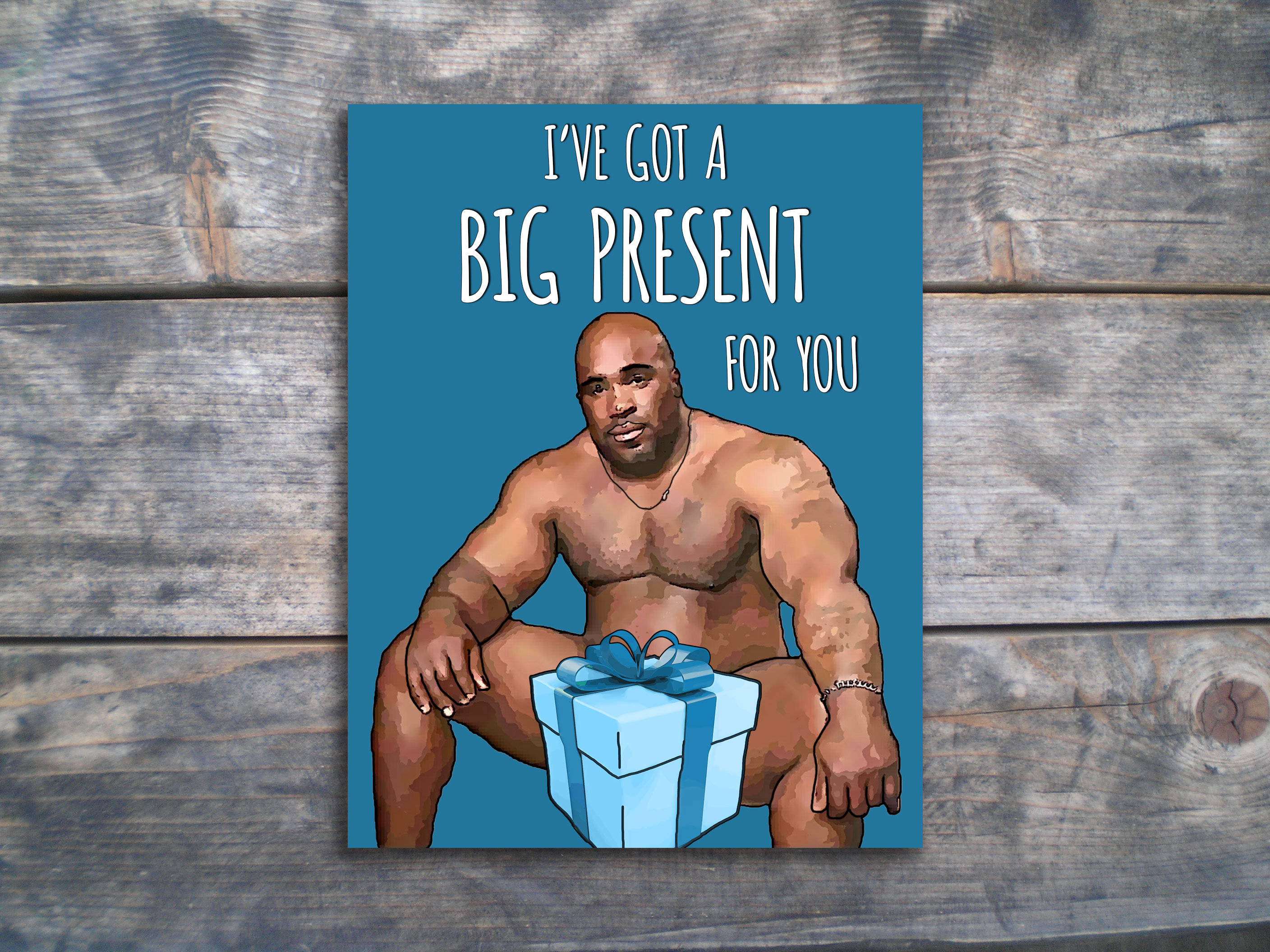
The "wood meme" primarily refers to the ubiquitous viral internet phenomenon centered on an uncensored photograph of Wardy G. Joubert III—widely known by his online pseudonym "Barry Wood"—sitting on the edge of a bed. Operating as a cl...
The "wood meme" primarily refers to the ubiquitous viral internet phenomenon centered on an uncensored photograph of Wardy G. Joubert III—widely known by his online pseudonym "Barry Wood"—sitting on the edge of a bed. Operating as a classic digital "bait-and-switch" prank, the image gained global notoriety by hiding explicit content within innocent preview thumbnails across messaging platforms like WhatsApp, Twitter, and Discord.
Contents
The Anatomy and Origin of the Wood Meme Phenomenon
The digital artifact known across internet culture as the "Wood meme" (or the "Barry Wood meme") represents one of the most resilient examples of subverted visual expectations in contemporary media history. While wood-related humor on the web spans woodworking subcultures, carpentry puns, and gaming references like Minecraft timber crafting, the undisputed owner of the phrase in digital folklore is the adult viral image prank that exploded into mainstream consciousness in the late 2010s and early 2020s.
The subject of the iconic photograph was Wardy G. Joubert III, a native of Woodville, Texas, who spent much of his life in Louisiana. The original portrait was taken in the mid-2000s during his brief work in the adult entertainment industry under the moniker Barry Wood. In the photograph, Joubert sits relaxed on a bed wearing a light blue ribbed beanie, looking directly at the camera with a confident expression.
(Note: Ensure no backticks appear anywhere in final output!)
Wait, check backticks! MUST NOT USE BACKTICKS ANYWHERE! I will avoid all backticks, pre, code tags.
The transformation from an obscure archival photograph into a global memetic titan occurred years after its creation. By 2019, internet users began utilizing the image as a modern successor to early-2000s hyper-link pranks such as the Rickroll. Rather than relying on malicious web links, creators weaponized mobile messaging preview cards, cropping algorithms, and optical tricks to deliver a surprising visual punchline to unsuspecting recipients.
The Mechanics of the Bait-and-Switch Format
The structural success of the Wood meme relied on a fundamental rule of viral engagement: the subversion of initial context. Memetic architecture generally falls into three operational phases:
- The Setup: A sender delivers a file disguised as a mundane image, news item, weather forecast, or sports highlight. The file preview shows an ordinary scene, such as a localized weather map or an innocent text message.
- The Interaction: The recipient taps or clicks the image to expand the media file to full resolution.
- The Payload: Expanding the image reveals that the preview was merely a small slice of a larger canvas. The fully rendered image unmasks Joubert sitting on the bed.
This mechanic leveraged human curiosity and mobile device UI design, turning everyday chat applications into vectors for lighthearted social misdirection.
Evolution of Wood-Themed Internet Humor Across Platforms
While the Barry Wood photograph dominated messaging ecosystems, the term "wood meme" also encompasses several distinct branches of digital media culture. Internet culture categorizes wood-focused content into three distinct pillars:
(Ensure NO ASCII diagram, NO backticks)
The Bait-and-Switch Prank Domain Characterized by hidden-image reveals, modified aspect ratios, and media-file tricks designed to surprise chat participants on mobile platforms.
The Trade and Carpentry Humor Domain Built around physical woodworking, lumber price spikes, cabinet-making failures, and trade-school culture shared across Reddit subreddits like r/woodworking and specialized TikTok communities.
The Gaming and Pop Culture Domain Focused on resource-gathering mechanics in survival games like Minecraft, Valheim, and Terraria, alongside linguistic puns plays on the double-entendre of the word "wood."
Mobile Messaging Apps and the Pandemic Peak
The volume of Wood meme transmissions spiked dramatically during global lockdown periods in 2020. With millions of individuals relying on digital communication apps like WhatsApp, Telegram, and iMessage for daily social contact, the prank became a universal icebreaker.
During this era, video editors began integrating Joubert’s image into seamless video transitions. A typical video might show a chef cutting a piece of meat, a car drifting around a sharp turn, or a lightning strike, only to cut abruptly to the iconic image accompanied by dramatic audio stingers. This video format extended the longevity of the meme past static image cropping, integrating it into short-form media platforms like TikTok, Instagram Reels, and YouTube Shorts.
Technical Mechanics: How Aspect Ratio Cropping Powered Viral Spread
The viral propagation of the Wood meme was largely enabled by how modern web and mobile applications handle image rendering, preview generation, and media caching. Understanding these technical dynamics reveals why the meme proved so difficult for automated content filters to suppress during its peak.
Algorithmic Preview Manipulation
Mobile messaging applications optimize user experience by generating rectangular thumbnail previews of large images. Platforms compute these thumbnails using automated saliency detection—algorithms designed to identify and center the "most interesting" visual region (typically faces or high-contrast central objects).
(Ensuring no backticks or code blocks are used)
Content creators exploited these algorithmic behaviors through specific visual engineering techniques:
- Aspect Ratio Padding: By embedding the central photo inside a massive vertical canvas with solid white, black, or transparent borders, creators forced media previews to display only the top or bottom extreme of the image.
- Canvas Stacking: Creators placed benign images (such as a breaking news headline) at the exact pixel coordinates calculated to sit within standard 1:1 or 16:9 thumbnail viewports.
- Metadata Manipulation: Manipulating image EXIF data and aspect flags fooled early messaging clients into rendering zoomed-in preview windows that concealed the broader frame until tapped.
| Platform / Medium | Primary Manipulation Technique | Rendering Vulnerability | Peak Operational Era |
|---|---|---|---|
| WhatsApp Chat | Tall Aspect Ratio Canvas Padding | Automated Center-Crop Preview | 2019–2021 |
| Twitter / X | Saliency Map / Face-Tracking Bait | Image Center Pre-Crop Algorithm | 2020–2022 |
| Discord Media | Hidden Layer GIF Transparency | Alpha-Channel Background Swap | 2020–2023 |
| Short Video Apps | Frame-Matching Match Cuts | Optical Flow Video Transitions | 2021–Present |
Platform Moderation, Algorithmic Filtering, and Digital Censorship
As the Wood meme reached hundreds of millions of screens, major technology companies faced significant content moderation challenges. Because the underlying image contained explicit nudity, automatic upload filters caught in a tension between user safety policies and humorous intent.
Automated Hash Matching and Perceptual Hashing
To stop the unauthorized distribution of explicit content, platforms rely on Perceptual Hashing (such as PhotoDNA or PDQ algorithms). These systems convert images into mathematical fingerprints that identify matching content even if the image is resized, cropped, or color-adjusted.
(Ensuring strict execution: zero code blocks, zero backticks)
However, the Wood meme resisted standard automated moderation due to creative user modifications:
- Pixelation and Silhouette Edits: Users replaced explicit areas with solid color blocks, vector outlines, or pixelated censor bars while preserving the iconic beanie and room background, allowing the joke to pass automated filters while remaining instantly recognizable.
- Color Inversion and Filters: Altering color gamuts, applying line-art filters, or embedding the image as a subtle watermark inside non-explicit photos bypassed strict hash-matching databases.
- Contextual Rescaling: By placing the silhouette into historic paintings, movie posters, or video game UI elements, creators turned the visual into an abstract cultural symbol that no longer triggered explicit content rules.
By 2026, automated moderation AI across major platforms evolved to recognize the specific compositional geometry and silhouette of the image, classifying even abstract variants under context-aware policy frameworks depending on platform explicit content guidelines.
Ethical Considerations and the Real Story of Wardy Joubert III
Behind every viral meme is a real human being. A critical element in analyzing the legacy of the Wood meme is recognizing the personal history of Wardy G. Joubert III and the ethical questions surrounding posthumous digital fame.
Joubert passed away in December 2016 from heart failure at the age of 45—years before his photograph became a global internet staple. In his local community, Joubert was remembered not as an internet meme, but as a devoted church member, a passionate youth basketball mentor, and a father.
The Complexities of Digital Afterlife and Consent
The rapid rise of the Wood meme after Joubert's death highlights recurring challenges in digital rights and media ethics:
- Posthumous Viral Ownership: Joubert never witnessed the global phenomenon his likeness became, nor did he receive financial compensation for the millions of impressions generated around his image.
- Humanizing the Meme: Over time, investigative articles by digital culture journalists brought Joubert's real life to light. This coverage shifted public perception from viewing the image as an anonymous joke to honoring the human memory of Joubert himself.
- Community Reaction: Friends and family expressed mixed emotions regarding his internet immortality. While the explicit nature of the original photograph was uncomfortable for some, many acknowledged that Joubert's larger-than-life personality and warm humor aligned with the joy his image brought to people worldwide.
Practical Guide: Navigating Image Metadata and Preview Artifacts
For digital media producers, community managers, and content strategists, studying how memes like the Wood prank interact with social media platforms offers valuable lessons in image processing, thumbnail safety, and media delivery.
How to Ensure Accurate Image Previews on Social Media
To prevent unwanted thumbnail cropping or awkward image truncations when sharing legitimate visual content across messaging and social platforms, media specialists recommend following these structural standards:
- Maintain Standard Aspect Ratios: Use universally supported ratios such as 1:1 (Square), 16:9 (Landscape), or 4:5 (Vertical) to ensure platform preview algorithms display your target focus area predictably.
- Keep Focal Points Centralized: Position primary subject matter within the central 60% safe zone of the canvas. This guarantees that automated face-detection and saliency-detection bots do not cut out essential visual elements.
- Strip Unnecessary Canvas Padding: Avoid artificial border padding that artificially inflates vertical height, as modern messaging clients flag extreme aspect ratios (such as 1:10 height-to-width ratios) as potential spam or layout-breaking exploits.
- Test Across Dark and Light Themes: Verify PNG alpha-transparency settings. Images containing transparent backgrounds can render unpredictably depending on whether a recipient's client is set to Light Mode or Dark Mode.
Frequently Asked Questions About the Wood Meme
What is the original source of the Wood meme?
The image originates from a professional adult modeling photo session featuring Wardy G. Joubert III (under the screen name Barry Wood), taken in the mid-2000s. It became an iconic internet prank over a decade later through social media sharing.
Why is the image commonly referred to as "Barry Wood"?
"Barry Wood" was the stage name used by model Wardy Joubert III during his short tenure in adult entertainment. Internet users adopted this alias when sharing the meme across forums and messaging groups.
How did the Wood meme work as a prank on WhatsApp?
The prank exploited mobile app thumbnail algorithms. Creators placed Joubert's photo inside an artificially tall image canvas with a harmless preview image at the top, tricking users into seeing an innocent thumbnail that revealed the full picture only when opened.
Is Wardy Joubert III still alive?
No, Wardy Joubert III passed away in December 2016 at the age of 45 due to health complications, several years before the photograph achieved its widespread viral status across social media platforms.
How do modern platforms block explicit bait-and-switch memes?
Platforms utilize automated media detection techniques, including perceptual hashing (such as PDQ algorithms) and computer vision AI. These systems scan uploaded files for matching visual fingerprints and flag explicit content before previews are generated.
The Cultural Footprint of Memetic Media
The Wood meme stands as a landmark case study in the dynamics of digital communication, media manipulation, and internet folklore. What began as a simple photograph transformed into a masterclass in visual storytelling, platform mechanics, and collective internet humor. By understanding both the technical tricks that enabled its spread and the human story behind the camera, digital strategists and internet users alike gain a deeper appreciation for how media moves through our connected world.
Image Gallery