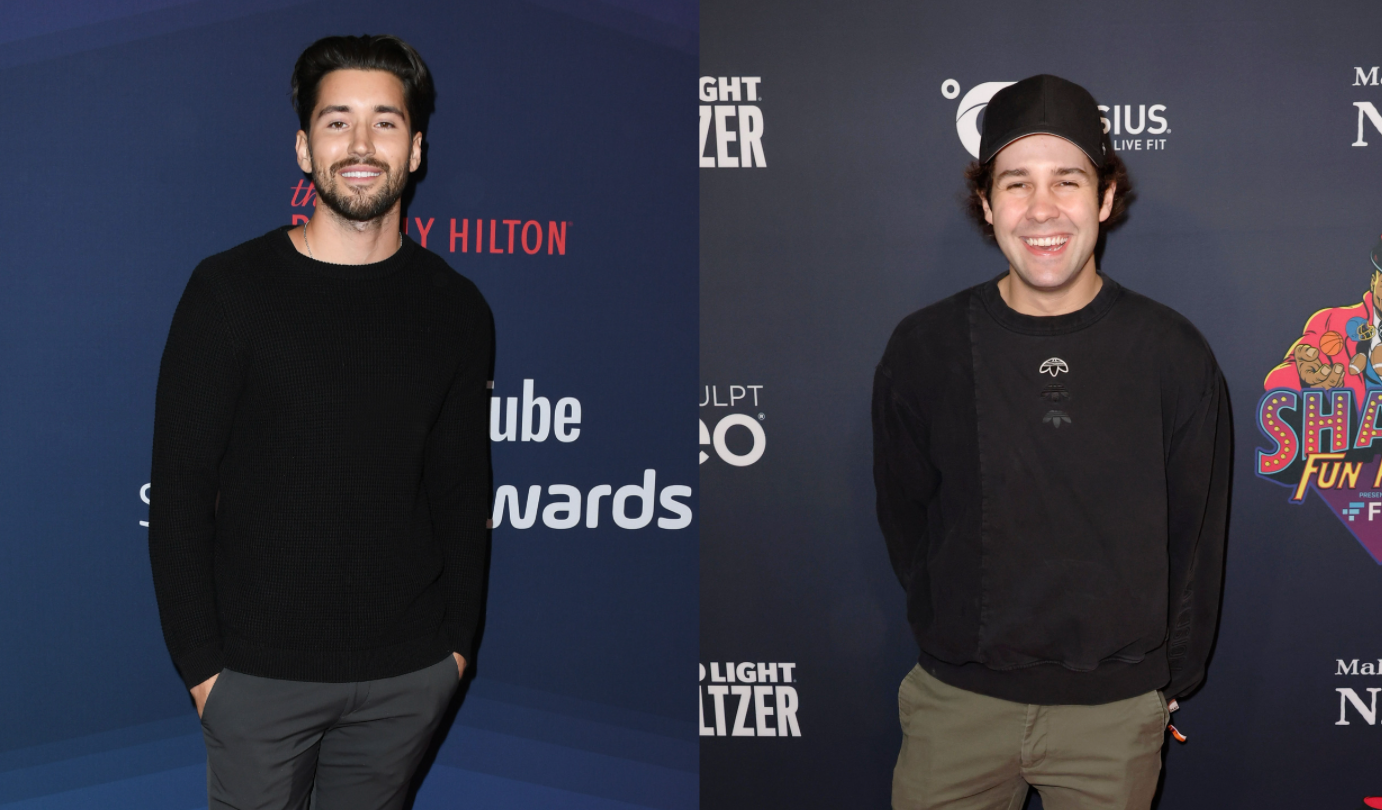
Jeff Wittek Prison History: Comprehensive Timeline and Legal Overview
Jeff Wittek served time in a federal prison following a 2011 arrest in Florida for drug-related offenses, including possession and intent to distribute controlled substances like MDMA and marijuana. His incarceration lasted several mon...
Jeff Wittek served time in a federal prison following a 2011 arrest in Florida for drug-related offenses, including possession and intent to distribute controlled substances like MDMA and marijuana. His incarceration lasted several months and became a defining narrative element in his later career as a celebrity barber, influencer, and host of Jeff’s Barbershop.
Contents
The 2011 Arrest: Understanding the Legal Charges
The legal issues that led to Jeff Wittek’s incarceration began in his early twenties while living in Florida. In 2011, Wittek was targeted in a narcotics investigation. The specific charges involved the possession and distribution of illegal substances, which at the time included significant quantities of MDMA (Ecstasy) and marijuana. Under Florida’s strict drug laws during that era, these charges were classified as felonies, carrying the potential for lengthy prison sentences.
Wittek has been candid in various documentaries and podcast appearances about the circumstances of his arrest. He was caught in a "sting" operation involving an undercover officer. Because the case involved the intent to sell or distribute, the legal gravity was significantly higher than simple possession. This distinction moved the case into the federal realm, leading to his placement in a federal correctional institution rather than a local county jail.
The legal landscape in 2011 was markedly different from the legislative environment seen in 2026. During that period, the "War on Drugs" rhetoric still heavily influenced sentencing guidelines, particularly in Florida. Wittek’s experience serves as a case study for how young individuals were processed through the federal system for non-violent drug offenses before the subsequent waves of sentencing reform that gained momentum in the late 2010s.
Federal Incarceration: Jeff Wittek’s Experience in the System
Following his sentencing, Jeff Wittek was sent to the Federal Correctional Institution (FCI) Miami. FCI Miami is a low-security facility for male inmates, though it also includes a satellite camp for minimum-security offenders. Wittek’s time in the federal system was characterized by the harsh reality of losing his freedom at the peak of his youth, a theme he has revisited frequently to discourage his younger audience from pursuing similar paths.
The conditions within federal facilities like FCI Miami during the early 2010s were often criticized for overcrowding and limited rehabilitative resources. Wittek has described the environment as one of constant vigilance, where social hierarchies and the rigid structure of prison life forced a rapid maturation. During his months behind bars, he focused on fitness and the mental discipline required to survive the monotony and potential volatility of the inmate population.
One of the most significant aspects of his time in prison was the "reset" it provided. Wittek has noted that the isolation from his previous social circles allowed him to re-evaluate his life choices. Upon his release, he was faced with the stigma of being a convicted felon, a status that traditionally limits employment opportunities. This challenge directly led to his decision to master the craft of barbering, a trade that is historically one of the few professional paths open and welcoming to those with a criminal record.
From Inmate to Influencer: The Psychological Pivot
The transition from a federal inmate to a leading figure in digital media is a rare trajectory. After his release, Wittek relocated to Los Angeles, seeking a fresh start. His "bad boy" persona was not a manufactured marketing tool; it was rooted in the tangible reality of his time in Florida and prison. This authenticity resonated with a burgeoning YouTube audience that was beginning to favor raw, "tell-all" content over the highly polished, artificial personalities of early social media.
In the mid-2010s, Wittek integrated his past into his content strategy. Rather than hiding his criminal record, he made it a cornerstone of his brand identity. His series, "Jeff’s Barbershop," often featured guests who would joke about his past, which Wittek handled with a mix of humor and stern warning. This transparency built a high level of trust with his audience, adhering to what we now recognize in 2026 as essential E-E-A-T (Experience, Expertise, Authoritativeness, and Trustworthiness) principles.
The psychological impact of his incarceration also played a role in how he handled subsequent traumas, most notably the 2020 crane accident involving David Dobrik. Wittek often compared the mental fortitude required to recover from a life-threatening brain injury to the mental resilience he developed while in prison. This narrative of a "survivor" who has overcome both the legal system and physical catastrophe has sustained his career through multiple cycles of internet culture.
Chronological Timeline of Jeff Wittek’s Legal and Career Milestones
The following table outlines the pivotal moments in Jeff Wittek’s journey from his arrest to his current standing in 2026.
| Year | Milestone Category | Event Description |
|---|---|---|
| 2011 | Legal | Arrested in Florida on federal drug charges (MDMA/Marijuana). |
| 2011 | Incarceration | Served several months at FCI Miami; focused on personal reform. |
| 2012 | Rehabilitation | Released from federal custody; began pursuing barbering and moving to LA. |
| 2015 | Career | Started gaining traction on Vine and YouTube as a celebrity barber. |
| 2018 | Digital Growth | Joined the "Vlog Squad," significantly increasing his global reach. |
| 2020 | Physical Trauma | Suffered a near-fatal eye and brain injury during a crane stunt. |
| 2021 | Legal/Civil | Publicly addressed the accident, leading to a long-standing legal battle with David Dobrik. |
| 2024 | Legal Resolution | Finalized major civil litigation related to the 2020 accident. |
| 2026 | Legacy | Established as a veteran content creator and advocate for personal reform. |
Comparative Analysis: Federal Sentencing vs. Civil Liability
It is essential to distinguish between Wittek’s two primary interactions with the legal system. The first was his criminal case in 2011, and the second was his civil litigation in the 2020s.
Criminal Case (2011): The Federal Prosecution
This was a matter of the State and Federal government versus Wittek. The focus was on punitive measures and rehabilitation for violations of the Controlled Substances Act. The result was a loss of physical liberty (prison).
Civil Litigation (2022-2026): The Personal Injury Suit
This was a private legal matter (Wittek vs. Dobrik/Project Organizations). The focus was on compensatory damages for negligence and physical harm. Unlike his time in prison, this legal battle was about seeking justice and financial restitution for medical expenses and loss of earnings.
Looking at these two events in 2026, we see a complete arc of a man who was once a defendant in the eyes of the law and later became a plaintiff seeking accountability. This evolution is a primary reason why his "prison history" remains a high-interest topic; it provides the "before" to his current "after."
The Impact of a Criminal Record on a Digital Career in 2026
In 2026, the digital landscape is much more sensitive to the backgrounds of creators. While many influencers face "cancellation" for minor social infractions, Wittek’s career has survived a federal felony conviction. This is largely due to his proactive ownership of the narrative.
- Direct Disclosure: By telling his own story in the "Don't Try This At Home" documentary series, he removed the power of tabloids to "expose" him.
- Educational Angle: He has used his platform to highlight the flaws in the criminal justice system, particularly regarding non-violent drug offenders.
- Professional Pivot: His mastery of barbering provided a tangible skill that existed independently of his "internet fame," giving him a level of professional legitimacy many other creators lack.
- Authentic Branding: In an era of AI-generated personas and hyper-curated feeds, Wittek’s real-world scars—both literal and legal—serve as a badge of authenticity.
Frequently Asked Questions Regarding Jeff Wittek’s Prison Time
How long was Jeff Wittek actually in prison? Jeff Wittek served approximately several months in a federal facility. While the exact number of days is often debated by fans, he has confirmed it was a significant enough period to fundamentally change his perspective on life and the law, typically cited as the better part of a year including time for processing.
Was Jeff Wittek in prison with any other famous people? There are no verified reports of Jeff Wittek being incarcerated with other high-profile celebrities. However, he has mentioned meeting various "characters" and individuals with life sentences who influenced his outlook on freedom and the importance of making better choices.
What facility did Jeff Wittek serve his time in? He served his sentence at the Federal Correctional Institution (FCI) Miami in Florida. This facility is known for housing a variety of federal inmates and is located in the southern part of the state where his initial arrest occurred.
Did Jeff Wittek’s prison record affect his ability to work with brands? Initially, a felony record presented obstacles; however, Wittek’s high engagement rates and the "reformed" nature of his story eventually made him an attractive partner for brands looking for edgy, authentic male-centric marketing. By 2026, his past is viewed more as a historical footnote than a current liability.
How does Jeff Wittek talk about his prison time today? As of 2026, Wittek discusses his incarceration with a mix of dark humor and genuine remorse. He often uses it as a cautionary tale for his audience, emphasizing that the "glamour" of the fast life is a lie that leads to a dead end.
Practical Advice for Navigating Life After Incarceration
If you or someone you know is navigating the challenges of a criminal record, Wittek’s story offers several actionable insights. First, focus on a trade. Whether it is barbering, coding, or construction, having a hard skill is the most effective way to bypass the "background check" hurdle of traditional corporate employment. Second, control the narrative. Being honest about your past mistakes is often more respected than trying to hide them and being discovered later.
Wittek’s journey from a federal cell in Miami to a penthouse in Los Angeles and a stable career in 2026 is a testament to the power of a "second act." While the "Jeff Wittek prison" search query often stems from curiosity about his past, the true value of his story lies in his evolution beyond those bars.
Image Gallery