Current Status and Navigation Alternatives for the Third Avenue Bridge in the Bronx 2026
The Third Avenue Bridge connecting the Bronx to Manhattan remains fully operational as of 2026, serving as a critical artery for Northbound and Southbound vehicular traffic across the Harlem River. If you encounter unexpected bridge cl...
The Third Avenue Bridge connecting the Bronx to Manhattan remains fully operational as of 2026, serving as a critical artery for Northbound and Southbound vehicular traffic across the Harlem River. If you encounter unexpected bridge closures, these are typically attributed to scheduled maintenance windows, emergency mechanical repairs by the New York City Department of Transportation, or specific maritime transit requirements.
Contents
Understanding the Infrastructure and Operational Scope
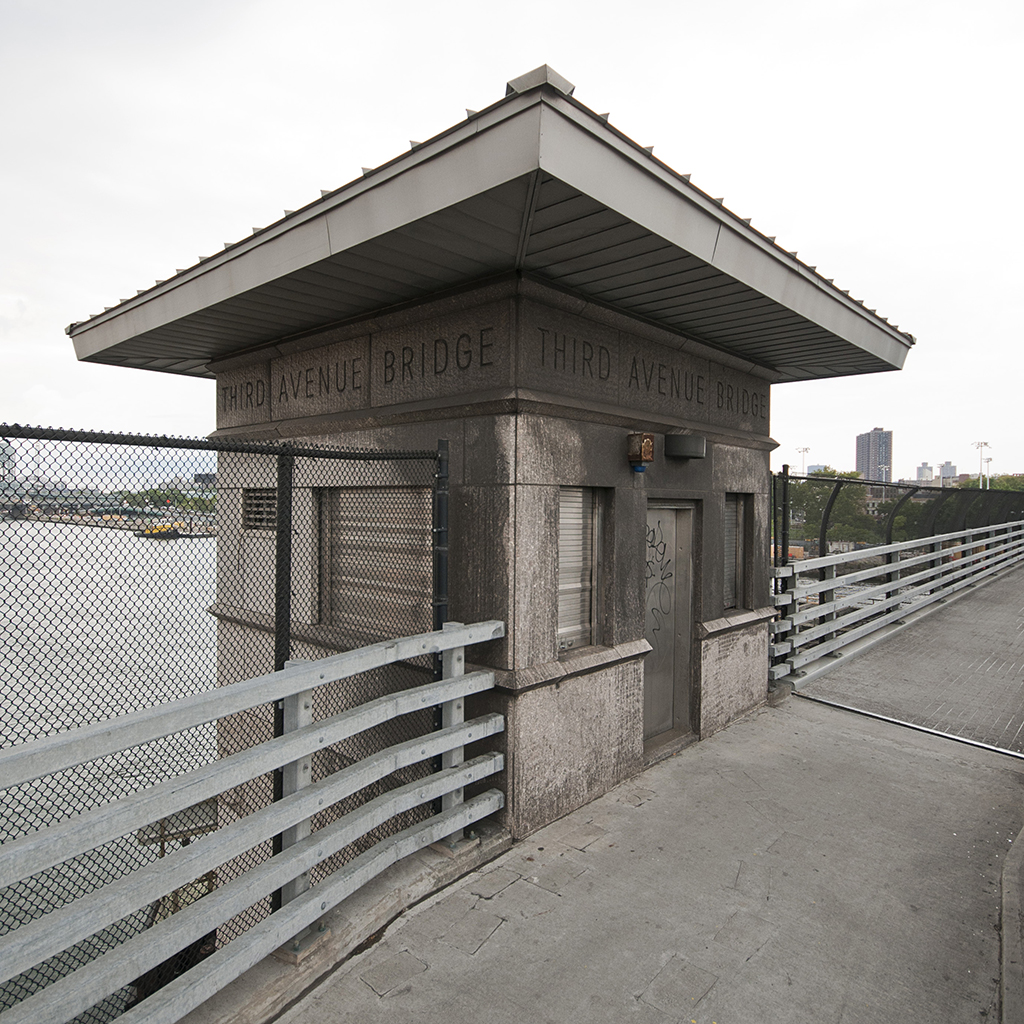
The Third Avenue Bridge is a swing bridge that plays a vital role in the daily movement of commuters between the Mott Haven section of the Bronx and East Harlem in Manhattan. Unlike fixed-span structures, this bridge operates on a mechanical pivot system designed to accommodate the passage of taller vessels along the Harlem River.
As a Senior Technical Infrastructure Strategist, it is important to note that New York City bridges undergo periodic structural health monitoring. In 2026, the New York City Department of Transportation (NYCDOT) continues to manage high-traffic corridors through aggressive capital improvement cycles. Residents and logistics operators should distinguish between "full closures" and "lane restrictions," as the latter is significantly more common during nighttime maintenance hours.
Identifying Sources of Bridge Closure Data
Reliable, real-time data is essential for navigating New York City’s complex transit environment. Reliance on outdated third-party navigation apps can lead to unnecessary detours. To verify the operational status of the Third Avenue Bridge, utilize these primary, authoritative channels:
- NYCDOT NYC-Notify: The official notification system for city bridge and tunnel impacts.
- 511NY: The primary source for New York State and regional traffic alerts, including bridge-specific status updates.
- NYC DOT Twitter/X Feed: Often the fastest channel for emergency or unexpected closure alerts due to vehicular incidents or mechanical failures.
- Harlem River Vessel Traffic Logs: Occasionally, scheduled marine traffic requires a temporary closure; these are usually coordinated during off-peak hours to minimize public disruption.
Strategic Alternatives and Detour Planning
When the Third Avenue Bridge is inaccessible, your transit strategy should pivot toward adjacent crossings. The following table provides a comparison of alternative routes based on traffic density and connectivity.
| Alternative Route | Location Relative to Third Ave | Primary Benefit | Expected Delay Variance |
|---|---|---|---|
| Willis Avenue Bridge | Immediate East | Ideal for Northbound traffic | Low to Moderate |
| Madison Avenue Bridge | Immediate West | Direct access to Central Harlem | Moderate |
| Triborough (RFK) Bridge | East/Southeast | Best for highway bypass | Moderate (Tolls Applied) |
| Macombs Dam Bridge | Further West | Avoids Harlem River congestion | High (Distance) |
Analyzing the Impact of Emergency Maintenance
Mechanical failure of the swing span mechanism represents the most significant cause of unscheduled closures. The bridge operates using complex gear assemblies and electrical motor systems that are subject to environmental stressors from the marine environment.
In 2026, bridge maintenance protocols involve:
- Structural Integrity Inspections: Mandatory annual reviews mandated by state law.
- Mechanical Lubrication and Gear Testing: Scheduled during low-traffic windows (typically 12:00 AM – 5:00 AM).
- Electrical Control System Overhauls: Ongoing updates to ensure reliable remote-operation capabilities and safety signaling for both motorists and mariners.
If you are a logistics professional or a daily commuter, incorporate a "Secondary Route Protocol" into your daily planning. Always check the official NYCDOT "Bridge and Tunnel Information" page during your morning routine if you observe unusual congestion patterns on Third Avenue.
Frequently Asked Questions
Is the Third Avenue Bridge closed for construction in 2026? No, there is no permanent or long-term closure currently scheduled for 2026. Any closures occurring this year are temporary, localized, and generally limited to non-peak hours for routine maintenance.
How do I receive alerts about emergency closures? You should register for the NYC Notify alert system via the official New York City government website. This service sends real-time SMS or email notifications regarding transit disruptions in your specific vicinity.
Does the Third Avenue Bridge have a toll? No, the Third Avenue Bridge is a toll-free crossing. It remains one of the most efficient, non-tolled routes for commuters traveling between the Bronx and Manhattan.
What should I do if my GPS directs me away from the bridge? Verify the status on the 511NY mobile app or website. Often, GPS systems will flag a bridge as "closed" if there is a minor incident or heavy congestion, even if the structure itself remains fully open to traffic.
Are trucks permitted on the Third Avenue Bridge? Yes, but you must adhere to standard NYC weight and height restrictions. Always cross-reference your vehicle's height with the clearance signs posted on the bridge approaches to avoid incidents that could trigger a closure.
Technical Recommendations for Commuters
To ensure your daily transit remains uninterrupted, maintain a clear understanding of the geography surrounding the Harlem River. During the peak 2026 construction season, prioritize the use of the Willis Avenue Bridge for high-volume traffic flows, as it is engineered to handle higher transit loads compared to the legacy structure of the Third Avenue Bridge.
Always keep your vehicle's navigation system updated to the latest 2026 map software to ensure that real-time traffic data, which pulls from city-managed APIs, is accurately reflected in your route planning. If you are operating a fleet, integrate the NYCDOT traffic feed directly into your dispatch software for proactive routing adjustments.
Image Gallery