Montana I-90 Road Conditions: 2026 Real-Time Travel and Safety Guide
To obtain the most accurate current road conditions for I-90 in Montana, drivers should utilize the Montana Department of Transportation (MDT) 511 system or the official MDT 511 mobile application. These platforms provide live updates...
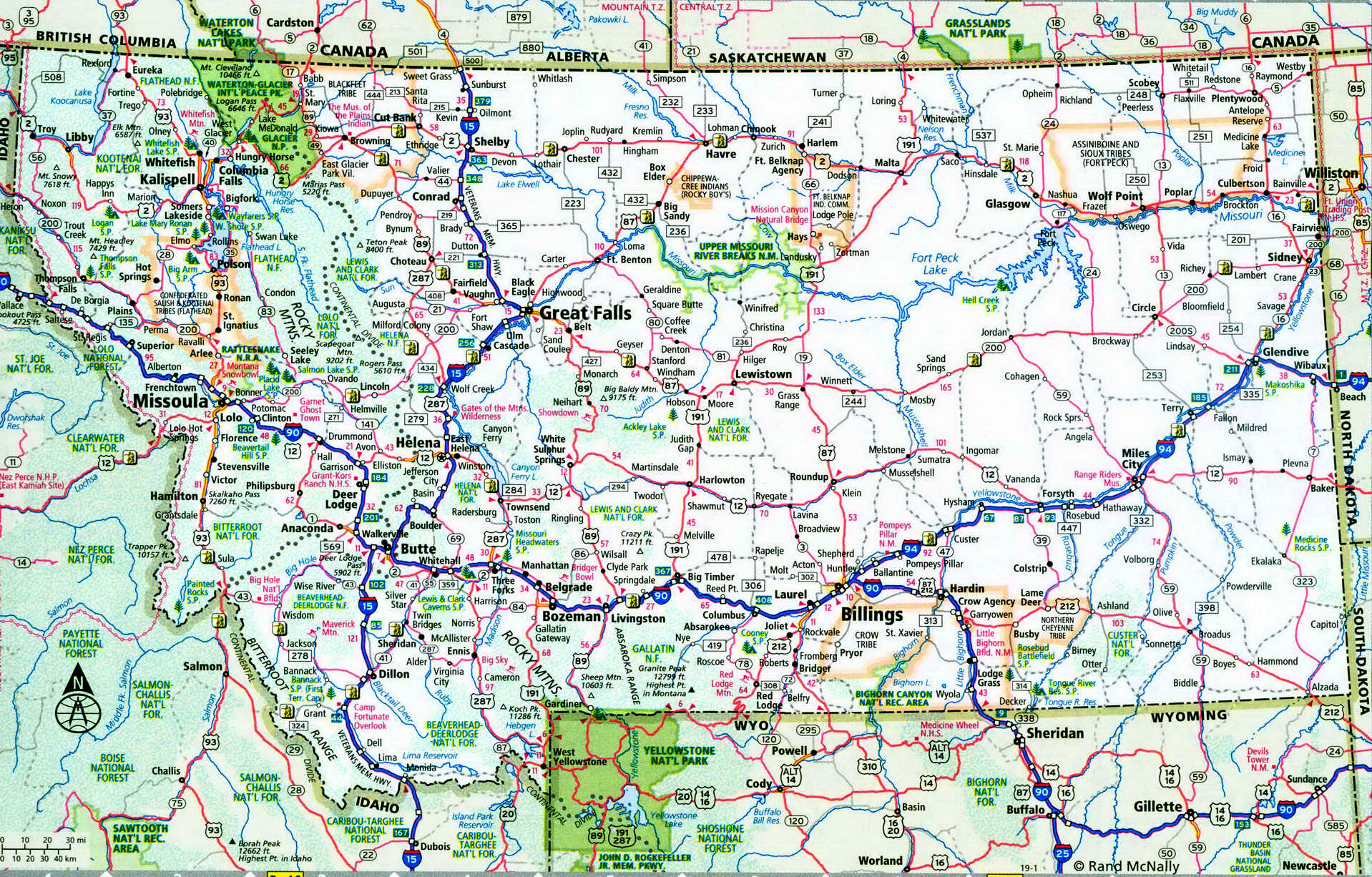
To obtain the most accurate current road conditions for I-90 in Montana, drivers should utilize the Montana Department of Transportation (MDT) 511 system or the official MDT 511 mobile application. These platforms provide live updates on mountain pass weather, construction zones, and incident-related closures across the 554 miles of I-90 spanning from the Idaho border to the Wyoming state line.
Contents
Navigating Interstate 90 in Montana requires a nuanced understanding of high-altitude weather patterns, seasonal maintenance schedules, and real-time data interpretation. As the longest primary interstate in the state, I-90 serves as a critical artery for commerce and tourism, crossing the Continental Divide and several major mountain ranges. In 2026, the integration of advanced Road Weather Information Systems (RWIS) and automated reporting tools has made it easier than ever to monitor these conditions, yet the physical challenges of the terrain remain a significant factor for every traveler.
Real-Time Monitoring Systems and Digital Infrastructure in 2026
The Montana Department of Transportation has expanded its digital footprint in 2026 to provide granular data for segments of I-90. Monitoring the interstate is no longer a matter of checking a general forecast; it involves analyzing specific telemetry from roadside sensors.
The MDT 511 Interactive Map
The primary tool for any driver is the MDT 511 Interactive Map. This GIS-based platform overlays current incidents, construction activity, and weather warnings onto a scalable map. In 2026, the system features high-definition "Road Cameras" (RWIS) positioned at critical intervals, particularly at mountain passes and interchanges. These cameras provide visual confirmation of pavement conditions—whether the surface is dry, wet, slushy, or ice-covered.
Road Weather Information Systems (RWIS)
RWIS stations are the backbone of Montana’s road reporting. These stations measure:
- Pavement Temperature: Crucial for determining if liquid de-icers will be effective or if black ice is likely to form.
- Wind Speed and Direction: Particularly vital in the Livingston and Big Timber corridors where high-profile vehicles face rollover risks.
- Sub-surface Temperature: Helps maintenance crews predict frost heaves and long-term pavement stability.
- Atmospheric Visibility: Automated sensors detect fog or blowing snow that may require reduced speed limits.
Critical Mountain Passes on I-90
Montana’s section of I-90 is defined by its mountain passes. These areas are the most likely to experience rapid changes in road conditions, often deviating significantly from the weather in nearby valleys.
Lookout Pass (Elevation 4,710 ft)
Located on the Montana-Idaho border, Lookout Pass is the first major hurdle for eastbound travelers. This pass receives some of the highest snowfall totals on the entire I-90 corridor. In 2026, automated anti-icing systems are frequently deployed here. Drivers should watch for "Compact Snow and Ice" reports, which are common from October through May.
Homestake Pass (Elevation 6,329 ft)
Crossing the Continental Divide just east of Butte, Homestake Pass is one of the highest points on I-90. The steep grades and sharp curves require extreme caution during winter months. The 2026 MDT guidelines emphasize that while the pass is rarely closed entirely, "Severe Driving Conditions" may be declared, triggering mandatory tire chain requirements for commercial vehicles.
Bozeman Pass (Elevation 5,760 ft)
Situated between Bozeman and Livingston, this pass is notorious for ground blizzard conditions. Even when the sky is clear, high winds can whip existing snow across the lanes, reducing visibility to zero. The "Livingston Wind" is a documented meteorological phenomenon where gusts frequently exceed 60 mph, making it a high-risk zone for light, high-profile trailers.
2026 Construction and Maintenance Protocols
The 2026 Montana State Transportation Improvement Program (STIP) has several active work zones along I-90 designed to enhance long-term safety and pavement durability.
Planned 2026 Work Zones
Maintenance on I-90 typically follows a seasonal cycle. During the "Construction Season" (April to November), travelers can expect:
- Bridge Deck Rehabilitation: Major projects near Missoula and Billings often result in single-lane crossovers.
- Pavement Preservation: Microsurfacing and chip sealing projects frequently occur between Deer Lodge and Helena (via the I-15/I-90 concurrency).
- Wildlife Crossing Construction: To reduce animal-vehicle collisions, several new overpasses and underpasses are being finalized in the 2026 calendar year, particularly in the western mountainous regions.
Winter Maintenance Priorities
MDT utilizes a tiered priority system for snow removal. As a Level 1 route, I-90 receives the highest priority for plowing and chemical treatment. In 2026, the state has increased its use of magnesium chloride and salt brine pre-treatments, which are applied before storms to prevent snow from bonding to the asphalt.
Montana Tire Traction Laws and Requirements
Safety on I-90 is governed by specific legal requirements regarding vehicle equipment, especially during the winter season (defined legally in Montana as October 1 through May 31).
| Vehicle Type | Requirement Level | Equipment Specifications |
|---|---|---|
| Passenger Vehicles | Level 1: Caution | All-season tires with M+S rating or winter tires. |
| Passenger Vehicles | Level 2: Traction Required | Chains, snow socks, or high-traction tires (Three-Peak Mountain Snowflake). |
| Commercial Vehicles | Level 3: Chains Mandatory | Minimum of two sets of chains on drive axles; varies by weight class. |
| All Vehicles | Emergency Closure | Road closed to all traffic except emergency and maintenance crews. |
Failure to comply with these traction laws, especially when "Chains Required" signs are illuminated on I-90 passes, can result in significant fines and liability if the vehicle causes a blockage or accident.
Regional Variations and Weather Patterns
Because I-90 spans the width of the state, drivers will encounter three distinct climatic zones.
The Western Mountains (Idaho Border to Missoula)
This region is characterized by heavy, wet snow and frequent valley fog. The "Lolo Cloud" effect often persists in the canyons, leading to damp or slick bridge decks even when the rest of the road is dry.
The Central Divide (Missoula to Bozeman)
This section includes the highest elevations. Conditions here are colder and drier, leading to "Black Ice" formations. Drivers should be particularly wary of shadows cast by canyon walls where ice may linger long after the sun has risen.
The Eastern Plains (Bozeman to Wyoming Border)
East of the mountains, the primary threat is wind and drifting snow. The stretch of I-90 through Billings and toward Sheridan, Wyoming, is prone to sudden ice storms and high-velocity crosswinds. In 2026, MDT has installed additional wind-deflecting fences in high-risk areas near Big Timber to mitigate these effects.
Safety Recommendations and Emergency Preparedness
Professional dispatchers and technical SEO specialists in the transport niche recommend a proactive approach to Montana travel.
Pre-Trip Inspection
Before entering the I-90 corridor, ensure your vehicle is equipped with:
- Full Reservoir of Winter-Grade Washer Fluid: Salt spray from de-icing chemicals can quickly coat windshields, causing total loss of visibility.
- Emergency Kit: Must include blankets, water, non-perishable food, a shovel, and a flashlight. Cell service can be intermittent in the canyons between St. Regis and Superior.
- Updated Mapping Software: Ensure your GPS or smartphone apps are updated to reflect 2026 road alignments and new interchange configurations near Missoula and Billings.
Handling "Incident-Related" Delays
In the event of a multi-vehicle accident or a jackknifed semi-truck—common occurrences on Homestake or Lookout Pass—I-90 may be closed for several hours. Montana Highway Patrol (MHP) manages these scenes. It is advised to stay with your vehicle and keep the exhaust pipe clear of snow if you must run the engine for heat.
Expert Insight on 2026 Navigation: In 2026, many third-party navigation apps (like Google Maps or Waze) integrate MDT’s open-data feed. However, for the most authoritative "Status of the Road," always cross-reference with the official 511.mt.gov site. Third-party apps sometimes lag in reporting "Emergency Towing Prohibitions," which are critical for commercial operators to know before they enter a mountain grade.
Step-by-Step Guide: How to Check Conditions Effectively
- Start with the 511 Mobile App: Open the app and filter for "I-90" specifically. Look for the red and orange icons signifying high-impact events.
- Check the Pass Cameras: Navigate to the "Cameras" tab. Select "Lookout Pass," "Homestake Pass," and "Bozeman Pass." Look at the tire tracks in the snow; if the tracks are shiny, that indicates ice or slush.
- Review the "Area Wide" Forecast: Look at the National Weather Service (NWS) overlays for Western and Central Montana. Pay attention to "Winter Weather Advisories" or "High Wind Warnings."
- Confirm Construction Work Zones: In 2026, check for the "STIP 2026" markers on the map to see if any lane closures will impact your specific travel window.
- Identify Rest Area Status: Some rest areas on I-90 undergo seasonal maintenance or closures. Ensure your planned stops are marked as "Open" on the MDT directory.
Frequently Asked Questions
Is I-90 in Montana currently open?
Interstate 90 is generally kept open 24/7, but specific sections—primarily mountain passes—may close temporarily due to severe weather, accidents, or avalanche control. During 2026, check the MDT 511 map for any "Road Closed" icons which indicate a total stoppage of traffic in both or one direction.
What are the chain requirements for I-90 today?
Chain requirements are dynamic and based on real-time pavement friction. If the "Traction Law" is in effect, signs will be posted at the base of mountain passes (like Lookout or Homestake). Commercial vehicles are typically required to carry chains from October through May, regardless of the current weather, to be prepared for sudden changes.
Where is the most dangerous part of I-90 in Montana?
Statistically, the stretch between Bozeman and Livingston (Bozeman Pass) and the Homestake Pass near Butte see the highest frequency of weather-related incidents. This is due to a combination of high elevation, steep grades, and extreme wind gusts that can exceed 60 mph in the 2026 winter season.
How often are the road conditions updated?
The MDT 511 system updates every 5 to 15 minutes for automated sensor data (RWIS). Manual reports from snowplow operators and Montana Highway Patrol are entered into the system as events occur. In 2026, the latency between an incident and its appearance on the digital map has been reduced to near real-time.
Can I drive I-90 at night during the winter?
While I-90 is maintained overnight, night driving is significantly more hazardous due to decreased visibility and lower temperatures which cause "flash freezing." If you must travel at night, ensure your vehicle's lighting system is fully functional and be prepared for limited assistance if you experience a breakdown in remote areas like the Mineral County canyon.
Conclusion and Driver Resources
Staying informed is the most effective way to ensure a safe journey across Montana's I-90 corridor in 2026. By utilizing the official MDT 511 resources, respecting the mountain passes, and adhering to the 2026 traction laws, drivers can mitigate the risks associated with this complex interstate. Always prioritize safety over schedule; if the conditions are reported as "Severe," consider delaying your travel until MDT crews have cleared the route.
Image Gallery