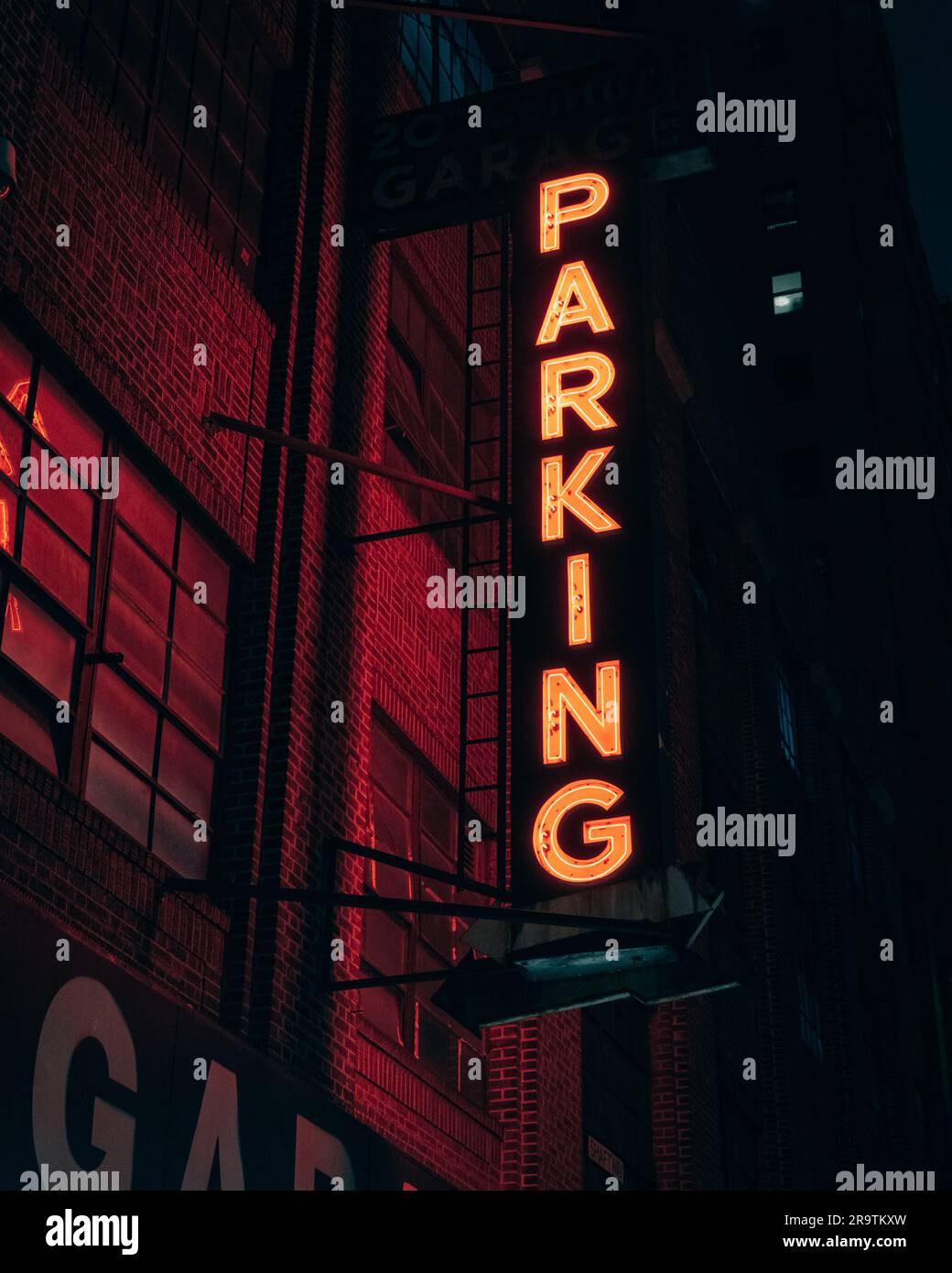
Mastering New York Street Parking: A 2026 Comprehensive Strategy
Navigating New York City street parking requires a tactical understanding of Department of Transportation (DOT) regulations, alternate side parking schedules, and digital payment infrastructure. By leveraging real-time data from the Pa...
Navigating New York City street parking requires a tactical understanding of Department of Transportation (DOT) regulations, alternate side parking schedules, and digital payment infrastructure. By leveraging real-time data from the ParkNYC system and adhering strictly to posted signage hierarchies, drivers can effectively minimize fines and secure legal curb space across the five boroughs.
Contents
Understanding the Regulatory Hierarchy of NYC Curb Space
Street parking in New York City is not a right; it is a highly regulated privilege governed by a strict hierarchy of signage. When you arrive at a curb, your ability to park depends on the priority assigned to the signage present.
The NYC Department of Transportation enforces rules based on the following order of precedence:
- Regulatory Signs: These are the permanent or semi-permanent signs that dictate specific hours, meter requirements, and vehicle classes.
- Temporary No Parking Signs: Posted by the NYPD or NYC DOT for construction, film shoots, or emergency utility work, these take precedence over all other signage.
- Alternate Side Parking (ASP) Rules: These are the most common source of confusion. They generally dictate times when vehicles must be moved to allow for street sweepers.
- General Traffic Laws: Found in the NYC Traffic Rules, these include prohibitions against parking within 15 feet of a fire hydrant, in front of a crosswalk, or blocking a driveway.
In 2026, the city has maintained its standardized signage protocols, meaning the "Rule of Three"—looking for three signs on a single pole—remains the primary way to determine if a spot is legal. Always read the topmost sign first, as it often sets the most restrictive condition for that specific block face.
The Operational Mechanics of Alternate Side Parking (ASP)
Alternate Side Parking is the foundational mechanism of NYC street management. It ensures that streets can be cleaned, but it acts as a significant operational constraint for vehicle owners.
To manage ASP effectively, you must understand the specific rules for your vehicle's location:
- Suspension Days: ASP is suspended on major legal and religious holidays. The NYC DOT maintains an official calendar that is updated annually; for 2026, these dates are strictly observed.
- The "Window" Rule: Once the street sweeper passes or the designated time window expires, the spot becomes a regular parking space (unless other restrictions are in effect).
- Technological Tracking: Many residents use the NYC 311 mobile application or the official NYC DOT portal to track real-time suspensions due to inclement weather or emergency conditions.
Strategic Parking Positioning
The Buffer Zone Strategy When parking near the end of a block, ensure you are at least 15 feet from the nearest intersection crosswalk. Violations for being "in the crosswalk" are among the most common citations issued by Traffic Enforcement Agents. Always measure the distance from the point where the curb begins to curve to your front bumper.
Digital Payment Integration: The ParkNYC Ecosystem
As of 2026, the ParkNYC mobile app remains the primary interface for paying for metered parking. The system has eliminated the need for physical receipts in many zones, linking payments directly to your vehicle's license plate number.
Essential Steps for Digital Meter Compliance
- Zone Identification: Locate the zone number printed on the muni-meter or the decal on the nearest pole.
- License Plate Input: Ensure your plate number is entered correctly. A single digit error can lead to a summons even if you paid for the session.
- Session Extension: You can extend your parking session remotely via the app, provided you do not exceed the maximum time limit posted on the signage for that specific zone.
- Account Funding: Keep your ParkNYC wallet funded to avoid transaction failures during peak hours, which can lead to rapid ticket issuance.
Comparative Analysis of Parking Options
Choosing between street parking and off-street garages often depends on your duration and the specific neighborhood density.
| Parking Type | Cost Efficiency | Risk Profile | Convenience |
|---|---|---|---|
| Street Parking | High (Low/Free) | High (Tickets/Damage) | Low (Searching Time) |
| Municipal Garages | Moderate | Low | Moderate |
| Private Lots | Low (Expensive) | Very Low | High |
| Apps (SpotHero/etc) | Moderate | Low | High |
Note: Street parking carries the highest risk of "side-swipe" damage and regulatory fines. Private garages, while costly, provide a static, secure environment, which is often preferable for long-duration stays in Midtown Manhattan or Downtown Brooklyn.
Troubleshooting Common Parking Citations
If you receive a summons, you must analyze the "Violation Code" printed on the ticket. Common issues include:
- Code 40: Standing or parking in a "No Standing" zone.
- Code 37: Failing to display a valid receipt (if applicable) or failing to start a ParkNYC session.
- Code 21: Parking in a "No Parking" zone during posted hours.
If you believe a ticket was issued in error—such as when a sign was obscured by foliage or missing—you may contest the ticket online through the NYC Department of Finance portal. In 2026, the city has improved its digital evidence upload process, allowing users to attach photos of the signage to their dispute.
Frequently Asked Questions
Does the city accept Original Medicare or other health insurance at parking facilities? No. Parking fees are entirely independent of any medical, insurance, or social programs. All parking must be paid via standard financial methods like credit cards or the ParkNYC system.
How do I know if I am within 15 feet of a fire hydrant? Look for the hydrant; the 15-foot rule applies in all directions. If your vehicle overlaps with the space immediately adjacent to the hydrant, you are subject to immediate ticketing and potential towing, regardless of whether the hydrant is operational.
Are there any free parking days in NYC? Sundays are generally the best days for free street parking, as most meters and "No Parking" rules are suspended. However, "No Standing" and "No Stopping" zones remain strictly enforced 24/7. Always verify the signage, as commercial or emergency zones do not respect Sunday rules.
What happens if I park in a residential permit zone? Residential Parking Permit (RPP) zones are strictly enforced. Unless you possess a valid permit registered to that specific neighborhood, you are prohibited from parking in these zones during the posted hours. Fines for RPP violations are significant.
Can I use a credit card directly at the muni-meter? While many meters accept credit cards, the hardware is subject to wear and tear. Relying on the ParkNYC app is considered the industry standard for 2026 to ensure reliable transaction processing and to prevent "meter failure" citations.
Practical Recommendations for NYC Drivers
To maximize your success in the urban landscape of 2026, adopt a "Search and Secure" workflow. Avoid "cruising" for spots during peak hours (8:00 AM to 10:00 AM and 4:00 PM to 6:00 PM), as this contributes to traffic congestion and rarely yields results. Instead, identify your target area, check the ParkNYC map for zones, and, if your duration is over two hours, consider utilizing a pre-booked garage space to avoid the stress of street-side regulatory compliance. Always double-check signage for temporary "No Parking" notices, which can be posted with as little as 24-hour notice for film crews or utility work.
Image Gallery