Choosing a San Jose Animal Clinic: Complete Guide to Veterinary Care, Licensing, and Low-Cost Services
Finding the right animal clinic in San Jose requires evaluating your pet's health needs, budget, and location within Santa Clara County. Whether you need routine preventive care, affordable spay and neuter services, or round-the-clock...
Finding the right animal clinic in San Jose requires evaluating your pet's health needs, budget, and location within Santa Clara County. Whether you need routine preventive care, affordable spay and neuter services, or round-the-clock emergency medical intervention, San Jose offers a diverse network of public, private, and non-profit veterinary facilities.
Contents
Overview of Veterinary Healthcare Options in San Jose
San Jose is Northern California's largest city by population, and its veterinary infrastructure reflects a wide variety of clinic models. Understanding how these facilities differ helps pet owners select the appropriate level of care.
- San Jose Veterinary Infrastructure
- Municipal Facilities: City of San José Animal Care & Services (Licensing, Stray Care)
- Private General Practices: Full-service wellness, dentistry, routine outpatient surgery
- Emergency & Specialty: 24/7 Triage, ICU, Critical Care, Board-certified Specialists
- Non-Profit / Low-Cost: High-volume spay/neuter, basic vaccination & microchipping
Municipal and Community Animal Clinics
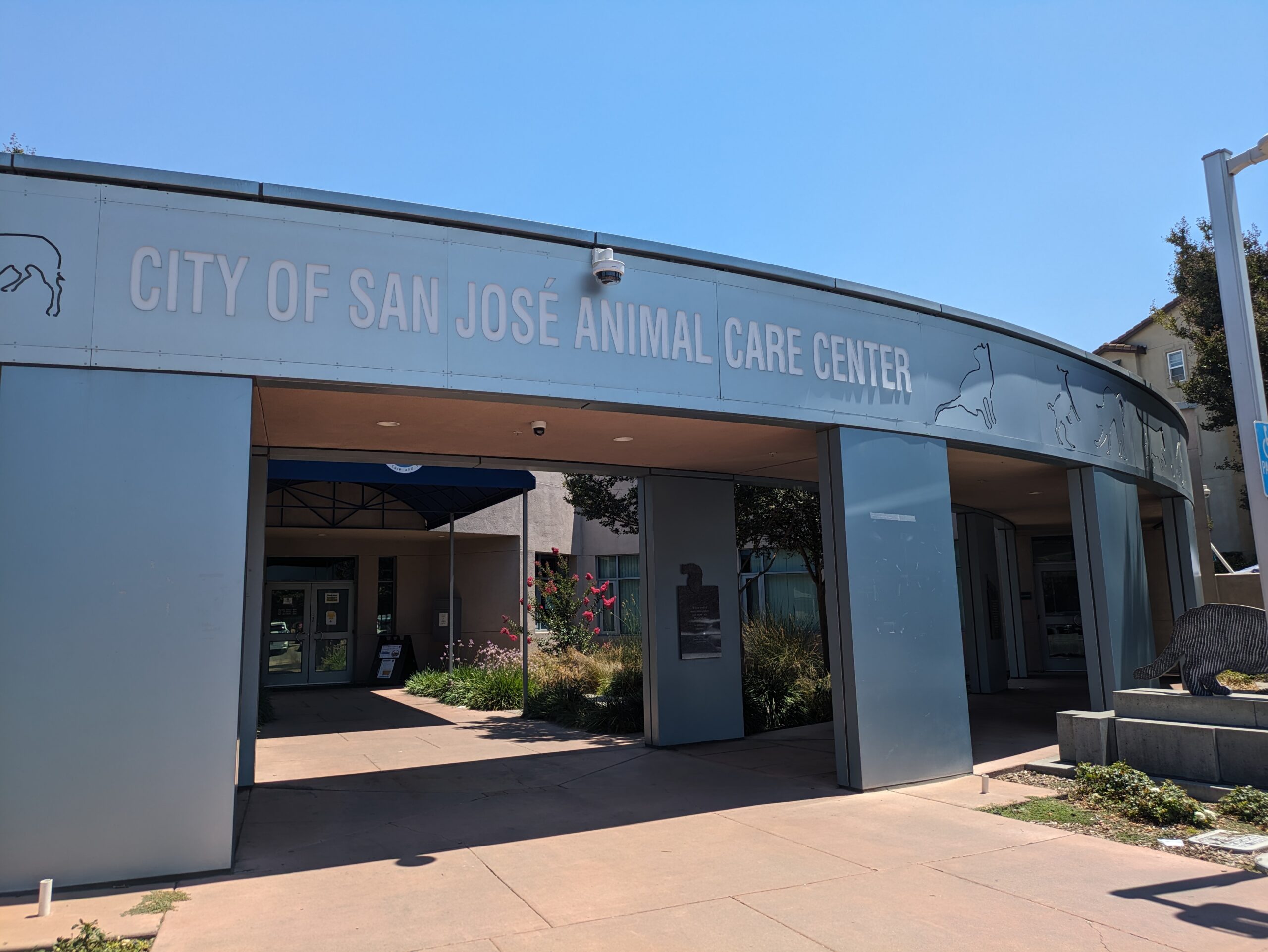
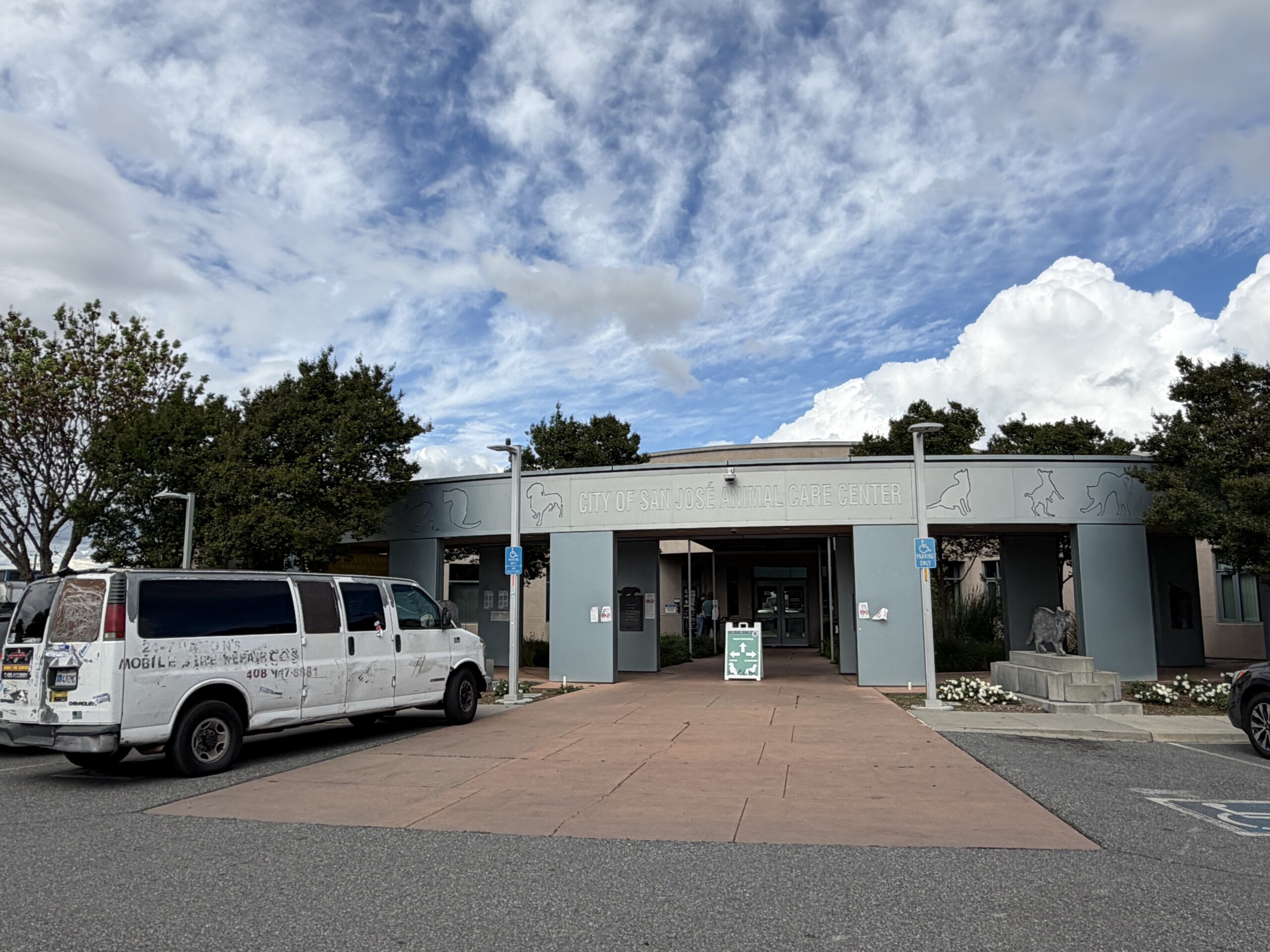
The City of San José Animal Care & Services operates the municipal shelter at 2750 Monterey Road. While municipal facilities primarily manage stray intake, animal control, and licensing enforcement, they frequently host public vaccination events, microchipping drives, and targeted spay/neuter assistance for residents of San Jose, Milpitas, Cupertino, Los Gatos, and Saratoga.
Private General Practices
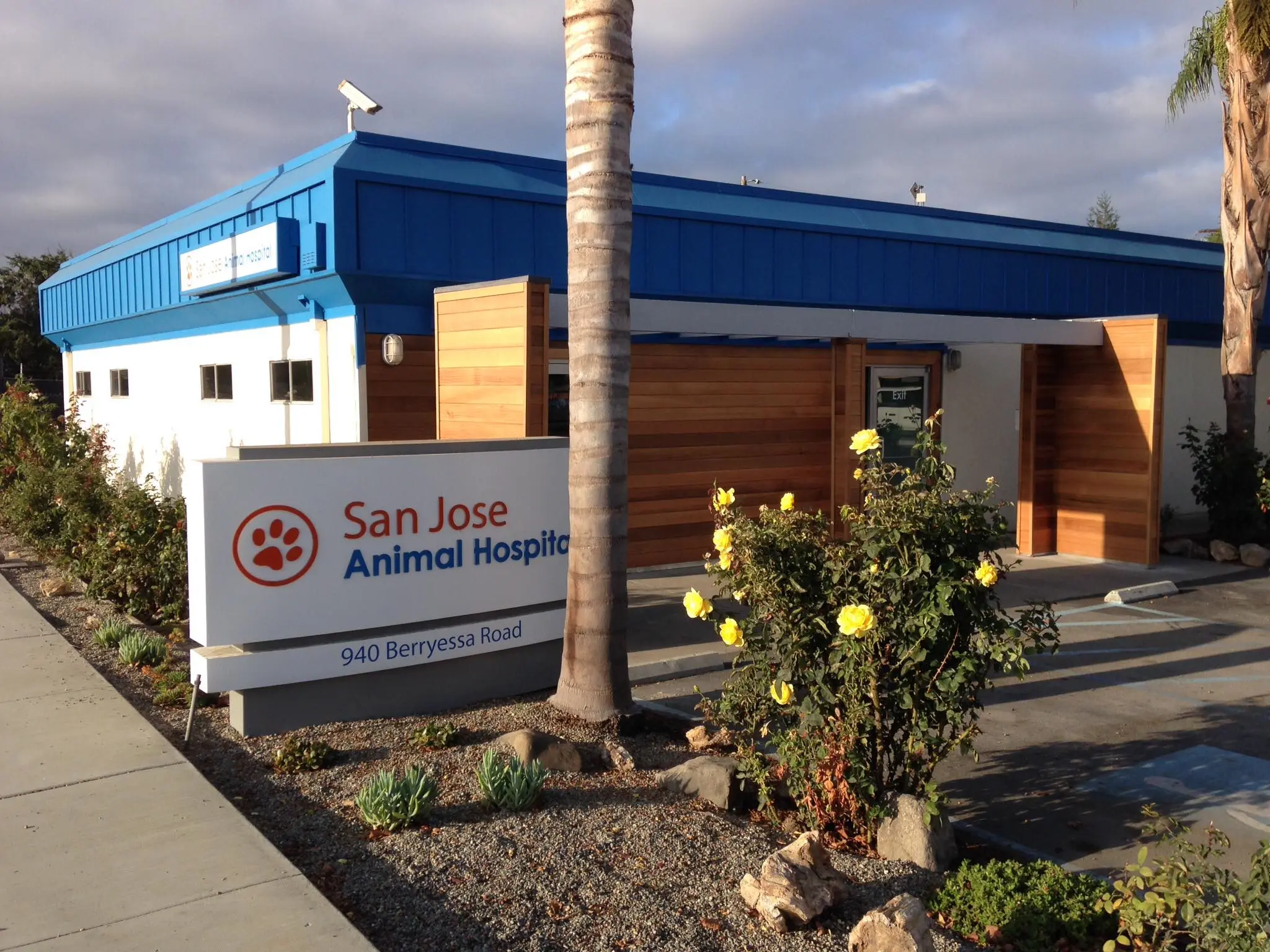
Private veterinary clinics form the backbone of routine companion animal care in San Jose. These outpatient clinics handle annual physical exams, pediatric and senior pet care, core and non-core vaccinations, routine dental cleanings, diagnostic lab work, and soft-tissue surgeries such as mass removals and spay/neuter procedures.
24-Hour Emergency and Specialty Centers
When life-threatening conditions arise outside regular office hours—such as severe trauma, acute poisoning, gastric dilatation-volvulus (bloat), or sudden collapse—general clinics refer patients to regional emergency centers. Facilities in and around Silicon Valley provide continuous overnight triage, intensive care units (ICU), advanced diagnostic imaging (CT and MRI), and board-certified specialists in internal medicine, surgery, oncology, and cardiology.
Non-Profit Low-Cost Clinics
Organizations like the Humane Society of Silicon Valley (located nearby in Milpitas) and regional mobile clinics focus on expanding care access. These facilities prioritize preventative measures, high-volume spay/neuter surgeries, and subsidized care for low-income households, helping reduce pet relinquishment and overpopulation across Santa Clara County.
Essential Services Offered at San Jose Animal Clinics
Veterinary medical practices in San Jose adhere to clinical standards established by the state and professional associations. Understanding individual clinical offerings ensures your pet receives appropriate care throughout its life stages.
- Core Veterinary Service Spectrum
- Preventive & Wellness
- Annual / Semi-Annual Exams
- Core & Non-Core Vaccines
- Parasite Prevention & Testing
- Microchip Implantation
- Diagnostics & Surgery
- In-House Blood & Urine Panels
- Digital Radiographs & Ultrasound
- Outpatient & Inpatient Surgery
- Comprehensive Dental Scaling
- Preventive & Wellness
Preventive and Wellness Examinations
Preventive medicine centers on comprehensive physical assessments. During a routine exam, a veterinarian evaluates:
- Ophthalmic and Otic Health: Checking for cataracts, corneal ulcers, ear mites, and chronic otitis externa.
- Dental and Oral Hygiene: Grading periodontal disease, identifying fractured teeth, and spotting oral tumors.
- Cardiopulmonary Systems: Auscultating heart sounds for murmurs or arrhythmias and checking lungs for abnormal crackles or wheezes.
- Musculoskeletal System: Assessing joint flexibility, gait changes, and signs of osteoarthritis, which are common in aging pets.
- Abdominal Palpation: Checking internal organ shape, size, and discomfort levels.
Vaccination Protocols
Vaccination guidelines in San Jose reflect local disease prevalence and municipal requirements:
- Core Dog Vaccines: Rabies (required by law), Canine Distemper, Adenovirus-2, and Parvovirus (DAP/DHPP).
- Non-Core Dog Vaccines: Bordetella bronchiseptica and Canine Influenza (recommended for dogs visiting dog parks, boarding kennels, or grooming salons), and Lyme disease or Leptospirosis based on exposure to wildlife or standing water in regional parks.
- Core Cat Vaccines: Rabies (required in San Jose), Feline Viral Rhinotracheitis, Calicivirus, and Panleukopenia (FVRCP).
- Non-Core Cat Vaccines: Feline Leukemia Virus (FeLV), recommended for outdoor cats or multi-cat households with unknown status.
Diagnostic Diagnostics and Imaging
Modern animal clinics in San Jose use diagnostic tools to pinpoint internal health issues:
- In-House Hematology and Chemistry Panels: Evaluating red/white blood cell counts, kidney parameters (BUN, Creatinine), liver enzymes (ALT, ALP), and blood glucose levels.
- Digital Diagnostic Radiography (X-Rays): Identifying bone fractures, foreign body obstructions in the gastrointestinal tract, heart enlargement, or pulmonary congestion.
- Ultrasonography: Allowing real-time visualization of soft tissue architecture, abdominal organs, and cardiac wall movement.
Oral Health and Periodontal Care
Periodontal disease is among the most prevalent conditions diagnosed in adult dogs and cats. Full-service clinics perform professional dental cleanings under general anesthesia, which include subgingival scaling, tooth polishing, full-mouth digital dental radiographs, and tooth extractions when severe decay or bone loss is present.
Local Regulations, Rabies Rules, and Licensing Requirements
Pet owners in San Jose must comply with both municipal codes and California state statutes governing animal welfare and disease control.
- San Jose Pet Compliance Requirements
- Mandatory Rabies Vaccination (Dogs & Cats over 4 months)
- Official Licensing with City of San José
- Microchip Registration with Current Contact Information
Mandatory Rabies Vaccination
Under California Code of Regulations (Title 17, Section 2606.4), Santa Clara County is designated a rabies-declared area. All dogs and cats over four months of age must maintain an up-to-date rabies vaccination administered by a licensed veterinarian. Initial vaccines are valid for one year; subsequent booster shots are typically valid for three years, depending on vaccine labeling and local ordinances.
San Jose City Pet Licensing
The City of San José requires all resident dogs and cats over four months old to hold an active municipal license. Licensing serves three primary purposes:
- It verifies compliance with rabies prevention mandates.
- It funds local animal control, shelter operations, and rescue services.
- It increases the likelihood of lost pets being safely returned to their owners.
To secure a license through San José Animal Care & Services, owners must provide proof of a current rabies certificate and proof of spay/neuter status (altered pets receive significantly reduced licensing fees).
Microchipping Mandates
Microchipping involves inserting a tiny transponder—roughly the size of a grain of rice—under the pet's skin between the shoulder blades. Many local municipalities require or strongly encourage microchipping at the time of licensing. Veterinarians perform this brief procedure during routine visits or spay/neuter surgeries. Once implanted, the microchip's unique ID number must be registered in a national database with the owner's updated address and phone number.
Cost Expectations for Veterinary Care in San Jose
Veterinary medical expenses in the San Jose metro area reflect Northern California's cost of living and operational overhead. Below is an overview of standard pricing ranges across low-cost non-profit facilities versus full-service private veterinary hospitals.
| Service Category | Low-Cost / Non-Profit Clinic | Private Full-Service Practice | 24/7 Emergency Hospital |
|---|---|---|---|
| Physical Exam / Consultation | $30 – $55 | $75 – $120 | $160 – $260 |
| Core Vaccine (per shot) | $15 – $30 | $35 – $65 | N/A (Emergency focused) |
| Microchip Implantation | $20 – $35 | $45 – $75 | $60 – $90 |
| Routine Spay / Neuter (Dog) | $120 – $250 | $350 – $800+ | N/A |
| Routine Spay / Neuter (Cat) | $75 – $150 | $220 – $500 | N/A |
| Dental Cleaning (with Anesthesia) | Rare / Subsidized | $600 – $1,500+ | Rare |
| Emergency Triage & Diagnostics | N/A | Limited | $500 – $2,500+ |
Note: Actual costs vary based on pet weight, pre-existing health conditions, required medications, and diagnostic complexity. Always request a detailed fee estimate prior to non-emergency procedures.
Financial Assistance and Payment Options
For unexpected medical emergencies or major surgeries, several financial tools can help pet owners manage costs:
- Veterinary Credit Cards & Payment Plans: Financing programs such as CareCredit or Scratchpay allow qualified borrowers to divide treatment costs into monthly payments.
- Pet Health Insurance: Reimburses owners for covered accidents, unexpected illnesses, and diagnostic workup after deductibles are met. Policies should ideally be established before pre-existing conditions develop.
- Municipal and Charitable Grants: Local non-profit organizations occasionally offer small crisis-intervention grants for income-qualified families facing emergency veterinary situations.
How to Select the Right Animal Clinic
Choosing a primary clinic involves evaluating clinical standards, practitioner qualifications, and operational convenience.
- Selecting a Practice
- Standards & Licensing
- Check CVMB License Status
- Look for AAHA Accreditation
- Operational Convenience
- Proximity to Home
- Extended/Weekend Hours
- Specialized Care
- Exotic Pet Capabilities
- Feline-Friendly Design
- Standards & Licensing
Checking Veterinary Credentials
In California, veterinary professionals are regulated by the California Veterinary Medical Board. You can verify that a clinic's veterinarians and Registered Veterinary Technicians (RVTs) hold active, unencumbered state licenses through the California Department of Consumer Affairs online license lookup portal.
AAHA Accreditation
The American Animal Hospital Association evaluates companion animal practices against approximately 900 standards covering patient care, pain management, pharmacy protocols, medical record-keeping, and facility cleanliness. Accreditation is voluntary; clinics earning AAHA certification demonstrate a commitment to rigorous external quality reviews.
Location, Availability, and Communication
When selecting a primary hospital, consider practical access factors:
- Proximity: Choosing a clinic within a 15-to-20-minute drive minimizes stress for anxious pets and reduces travel time during urgent situations.
- Hours of Operation: Ensure the practice offers scheduling slots that fit your work balance, including early morning intake, evening appointments, or weekend hours.
- Communication Access: Look for practices offering digital client portals, electronic record requests, and clear telemedicine or advice-line protocols.
Preparing for Your Visit: Step-by-Step Protocol
A structured approach to your pet's appointment ensures efficient care delivery and reduces stress for your animal.
- Pre-Visit Action Checklist
- Request Prior Records & Vaccination Logs
- Note Physical Symptoms, Behavioral Changes & Diet List
- Secure Animal in Harness, Leash, or Hard-Sided Carrier
- Arrive 10-15 Minutes Early for Intake Paperwork
Step 1: Secure Prior Medical Records
If you are visiting a new clinic, contact your previous veterinary provider at least 48 hours in advance to transfer full medical records, including diagnostic lab results, X-ray files, surgery logs, and official rabies certificates.
Step 2: Document Symptoms and Questions
Write down notable changes in your pet's routine, including:
- Changes in appetite, water intake, or stool consistency.
- Recent behavioral shifts, such as lethargy, aggression, or hiding.
- Current medication names, exact dosages, and administration schedules.
- Brands and quantities of food and treats consumed daily.
Step 3: Implement Safe Transport Practices
- Dogs: Use a properly fitted, escape-proof harness and a short, non-retractable leash. Keep dogs close to your side in the waiting room to avoid unexpected interactions with other animals.
- Cats and Small Pets: Transport cats in a sturdy, hard-sided carrier lined with a familiar blanket or towel. Covering the carrier with a light towel helps reduce visual stimuli and anxiety during transit and waiting times.
Frequently Asked Questions
What should I do if my pet experiences a medical emergency after hours in San Jose?
If your pet shows signs of critical illness—such as respiratory distress, extreme trauma, pale gums, unresponsiveness, or repeated vomiting—do not wait for regular clinic hours. Immediately contact or drive to a 24-hour regional veterinary emergency center. Calling the emergency clinic while en route allows their medical team to prepare triage equipment before your arrival.
How often should my pet visit a San Jose animal clinic for routine checkups?
Healthy adult dogs and cats (ages 1 to 7) generally require a comprehensive wellness examination once a year. Puppies, kittens, senior pets (over age 7), and animals with chronic conditions (such as diabetes, renal failure, or cardiac disease) should be evaluated by a veterinarian every six months, or as recommended by their clinical team.
Is pet licensing legally required for indoor-only cats in San Jose?
Yes. San Jose municipal regulations require all cats over four months of age to be vaccinated against rabies and licensed with San José Animal Care & Services, even if the cat lives strictly indoors. Indoor cats can occasionally escape through open doors or windows, and licensing ensures rapid identification and legal compliance if your cat is brought to a local shelter.
What is the difference between a Registered Veterinary Technician (RVT) and a Veterinary Assistant?
A Registered Veterinary Technician (RVT) in California has completed an accredited veterinary technology educational program, passed state and national board examinations, and maintained an active license with the California Veterinary Medical Board. RVTs can perform specialized medical tasks under veterinary supervision, including administering anesthesia, taking radiographs, placing IV catheters, and applying splints. Veterinary assistants provide support care under supervision but are not licensed to perform regulated clinical tasks.
What documents do I need to bring to a low-cost spay/neuter clinic?
Most low-cost clinics require proof of a current rabies vaccination administered by a licensed veterinarian. If your pet has not received a rabies vaccine, the clinic will usually administer one at the time of surgery for an additional fee. You should also bring proof of residency if applying for municipal subsidies, any relevant medical history, and documentation of prior vaccinations or spay/neuter status.
Recommended Next Actions
To maintain your pet's long-term health and stay fully compliant with local San Jose regulations, take these practical steps today:
- Review Vaccination Records: Check your pet's rabies certificate to confirm the expiration date. If it expires within 30 days, schedule an appointment with a local clinic.
- Verify Municipal Licensing: Ensure your dog or cat holds a valid license with San José Animal Care & Services to prevent non-compliance fines.
- Locate Your Nearest 24/7 Emergency Facility: Store the address and phone number of the closest 24-hour emergency clinic in your mobile phone before an urgent situation arises.
- Schedule a Wellness Exam: If your pet has not undergone a complete physical examination within the past 12 months, call your preferred San Jose animal clinic to book a preventive assessment.
Medical Advice Disclaimer: This article is for informational and educational purposes only and does not constitute formal veterinary medical advice, diagnosis, or treatment. Always consult a licensed California veterinarian regarding specific medical concerns or conditions affecting your animal.
Image Gallery