Comprehensive Guide to Rainfall in San Diego: Climate Patterns, Data, and Urban Management
Rainfall in San Diego is characterized by a Mediterranean climate with mild, wet winters and warm, dry summers, averaging around 10 to 13 inches annually along the coast, though interior mountains receive significantly more precipitati...
Rainfall in San Diego is characterized by a Mediterranean climate with mild, wet winters and warm, dry summers, averaging around 10 to 13 inches annually along the coast, though interior mountains receive significantly more precipitation. This coastal Southern California city experiences extreme variability from year to year, heavily influenced by large-scale oceanic and atmospheric phenomena like El Nino and La Nina.
Contents
Understanding San Diego's Mediterranean Climate and Precipitation Patterns
San Diego's geographical position shapes a unique precipitation regime. The region experiences a distinct wet season that typically spans from November through March, during which the vast majority of the annual water budget is delivered. Conversely, the summer months—extending from June to September—are famously arid, marked by negligible rainfall and prolonged dry periods, sometimes punctuated only by rare monsoonal moisture pushes from the Gulf of California.
The underlying meteorological driver for San Diego's winter rain is the North Pacific jet stream. As this upper-level river of air dips southward during the cooler months, it steers low-pressure storm systems and atmospheric rivers toward the Southern California coastline. However, because San Diego lies on the southern periphery of these storm tracks, it often misses the heavier, more continuous deluges experienced by regions further north, such as the San Francisco Bay Area or the Pacific Northwest.
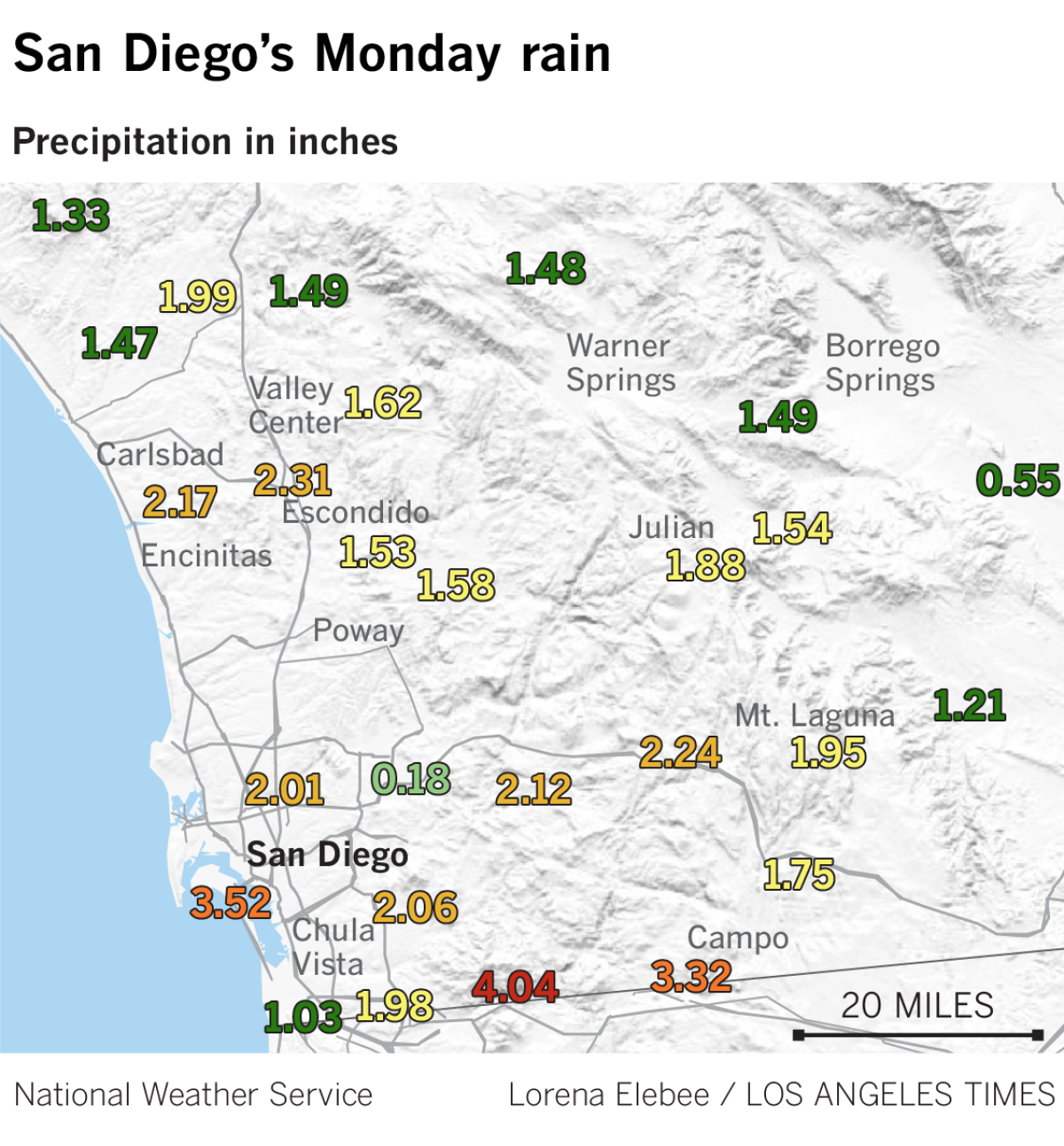
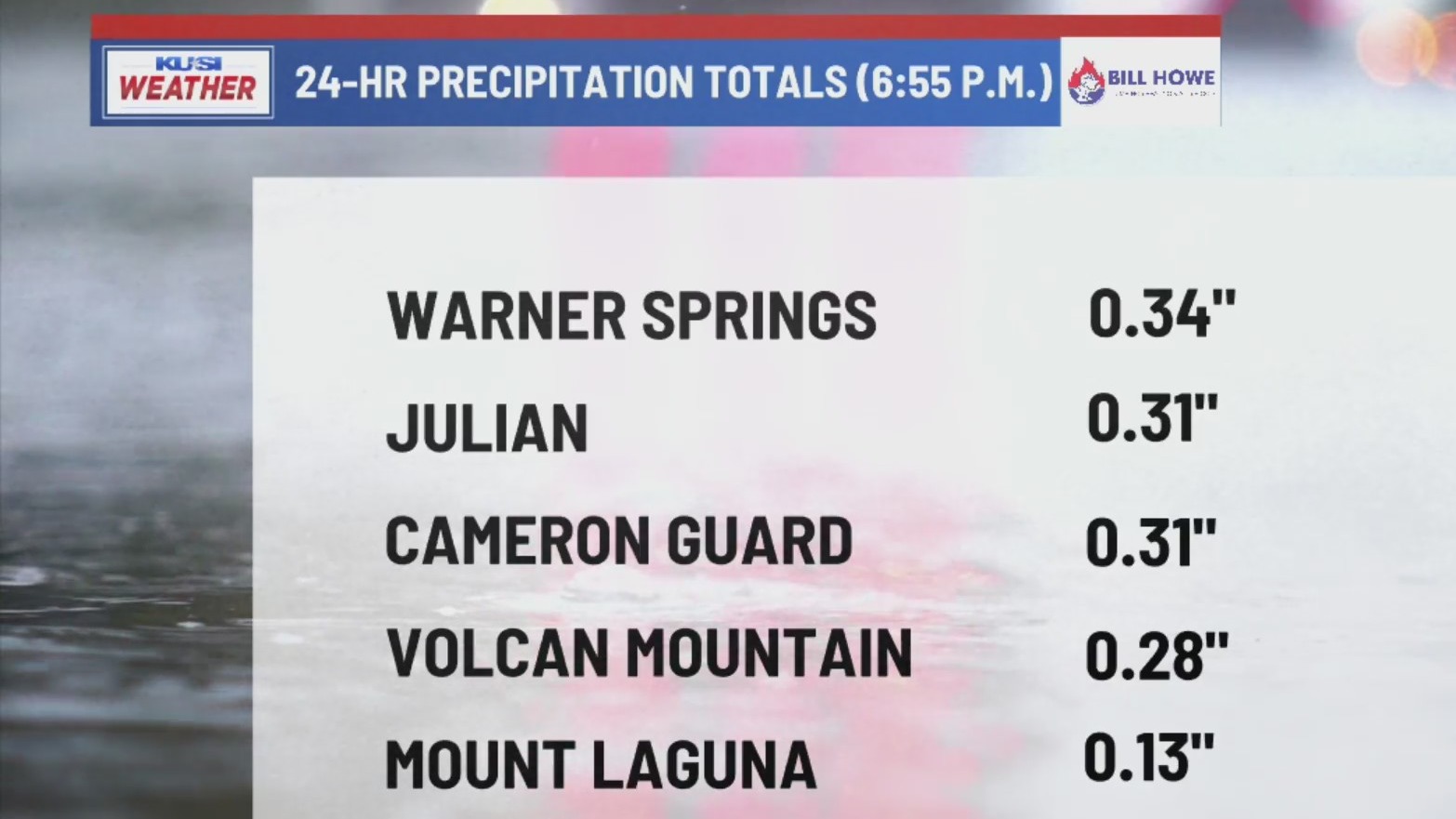
Precipitation totals across San Diego County exhibit remarkable spatial diversity, largely controlled by topography. While downtown San Diego and coastal communities record modest annual averages, the landscape changes drastically as elevation increases. Moist air pushed inland from the Pacific Ocean encounters the coastal mountain ranges—such as the Cuyamaca and Laguna mountains—forcing the air to rise, cool, and condense, a process known as orographic lift. Consequently, interior mountain peaks and high-elevation valleys can accumulate double or even triple the rainfall of the coast.
Historical Rainfall Averages and Climatological Benchmarks
Analyzing long-term historical records maintained by agencies like the National Weather Service provides essential context for San Diego's water year, which runs from October 1 to September 30. The historical average for downtown San Diego sits at approximately 10 to 12 inches per year, but this metric is somewhat misleading due to high interannual volatility.
Instead of experiencing a steady, predictable distribution of rain over time, San Diego's climate is defined by extreme boom-and-bust cycles. A single catastrophic atmospheric river event can drop several inches of rain in a matter of days, fulfilling a large percentage of the seasonal quota in one go. Years with below-average rainfall are frequently balanced by occasional hyper-wet years driven by strong El Nino Southern Oscillation (ENSO) phases in the equatorial Pacific.
To understand how precipitation varies across different zones of the metropolitan area and county, reference the climatological benchmarks below.
| Geographic Zone | Representative Location | Average Annual Rainfall | Primary Precipitation Mechanism |
|---|---|---|---|
| Coastal Strip | Downtown San Diego / La Jolla | 10 - 13 Inches | Winter frontal storms, coastal low-pressure troughs |
| Inland Valleys | El Cajon / Escondido | 13 - 16 Inches | Enhanced frontal systems, convergence zones |
| Mountain Slopes | Julian / Palomar Mountain | 30 - 45+ Inches | Orographic lift, heavy winter atmospheric rivers |
| Desert Regions | Borrego Springs | 3 - 6 Inches | Rain shadow effect, rare monsoonal thunderstorms |
The Impact of Atmospheric Rivers and El Nino on San Diego Weather
When significant rainfall does occur in San Diego, it is frequently associated with atmospheric rivers—long, narrow bands of concentrated moisture in the atmosphere originating from the tropical Pacific, often referred to colloquially as the "Pineapple Express." These systems account for a major portion of California's annual precipitation and water supply, but they also carry the highest risk of flash flooding and urban inundation.
El Nino and La Nina cycles play a commanding role in dictating seasonal precipitation outcomes. During an El Nino winter, the subtropical jet stream typically strengthens and shifts southward, increasing the frequency and intensity of storms tracking into Southern California. While this does not guarantee above-average rainfall every single El Nino year, historical data confirms that some of San Diego's wettest seasons—such as the historic rainfall events of 1982-1983, 1997-1998, and 2023-2024—correlated directly with strong El Nino conditions.
Conversely, La Nina phases generally push the storm track northward into the Pacific Northwest and Canada, leaving San Diego drier and warmer than average. Water resource managers across San Diego County closely monitor these oceanic indicators months in advance to prepare municipal infrastructure, manage reservoir storage levels, and mitigate drought or flood risks.
Urban Infrastructure, Drainage, and Flood Management
Managing rainfall in a heavily urbanized coastal environment like San Diego presents distinct engineering and environmental challenges. Because much of the natural soil and vegetation has been replaced by impermeable surfaces—such as asphalt, concrete roofs, and parking lots—rainwater cannot naturally infiltrate the ground. Instead, it generates high volumes of surface runoff that must be rapidly collected and conveyed away from populated areas to prevent catastrophic urban flooding.
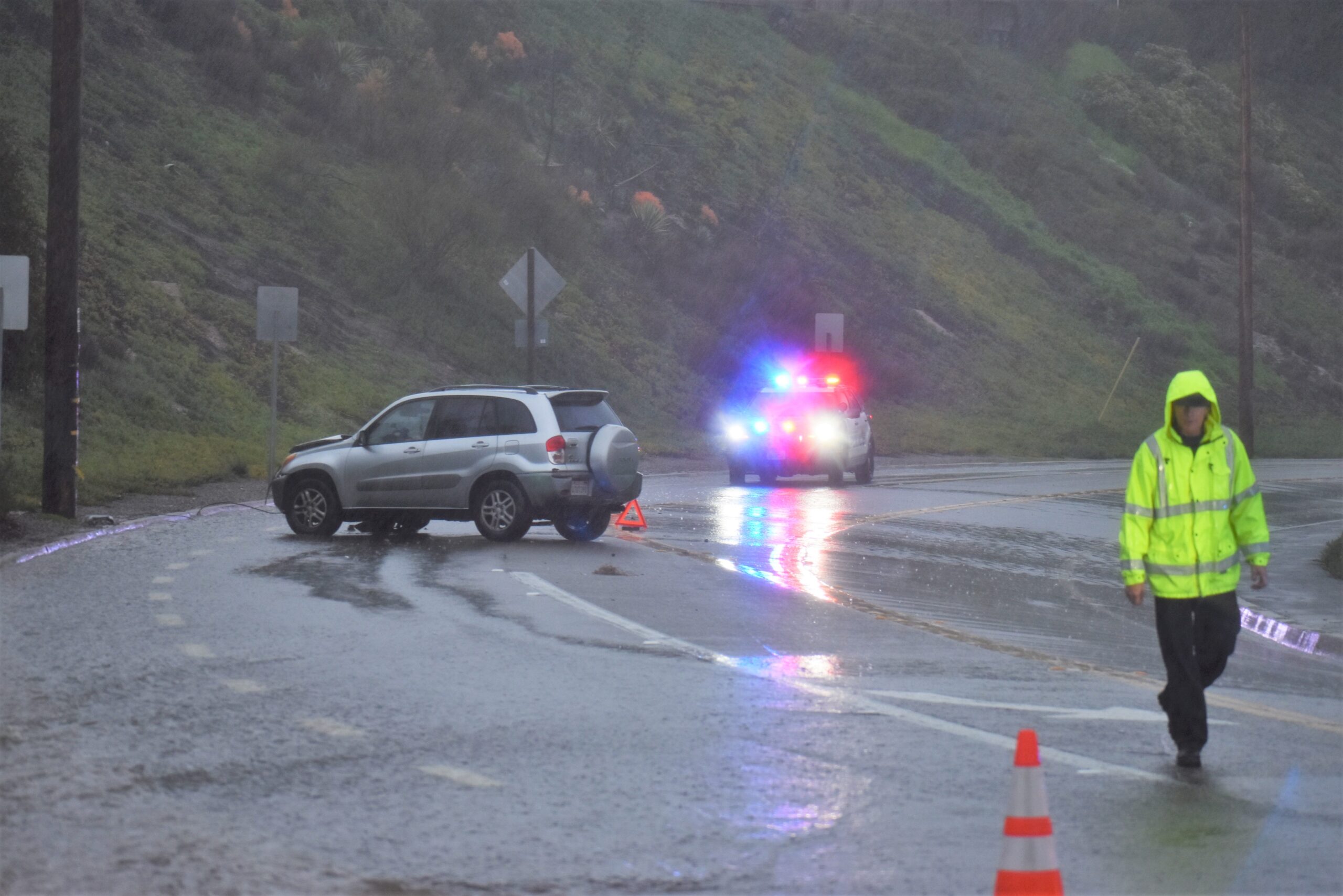
The City of San Diego and the County Flood Control District maintain an extensive network of storm drains, concrete-lined channels, underground culverts, and retention basins. This network is designed to channel urban runoff safely into canyons, rivers—such as the San Diego River and the Tijuana River—and ultimately into the Pacific Ocean. However, intense, high-intensity cloudbursts can occasionally overwhelm these drainage systems, leading to localized street flooding, temporary road closures, and challenges in low-lying neighborhoods like Mission Valley.
Beyond flood control, urban stormwater management in San Diego is heavily regulated by water quality mandates. Rainwater flowing over streets and urban parcels picks up pollutants, including heavy metals, motor oil, fertilizers, and trash. To prevent these pollutants from degrading marine ecosystems and contaminating beaches, the region has increasingly adopted Green Infrastructure and Low Impact Development (LID) strategies. These modern approaches utilize permeable pavements, bioretention basins, rain gardens, and bioswales to capture, filter, and infiltrate stormwater on-site, restoring a closer approximation of natural hydrological cycles.
Step-by-Step Guide: Preparing Your Property for San Diego Rainstorms
While San Diego enjoys a generally dry climate, preparing for sudden, heavy downpours is essential for safeguarding residential and commercial properties against water damage, erosion, and structural degradation. Follow this structured protocol to ensure your property is fully storm-ready ahead of the wet season.
- Clear Roofs and Gutters: Remove accumulated leaves, pine needles, and debris from roof valleys, scuppers, and rain gutters to ensure unobstructed drainage flow away from the building foundation.
- Inspect Downspouts and Extensions: Verify that downspouts direct stormwater at least three to five feet away from exterior walls and foundation footings. Install extensions or splash blocks if runoff pools near the structure.
- Check Grading and Sloping: Ensure that soil immediately surrounding the foundation slopes downward and away from the building to prevent water from pooling against basement or slab walls.
- Test Sump Pumps and Drainage Systems: If your property utilizes a subterranean sump pump or French drain system, test the mechanical operation and battery backup system prior to the first major storm.
- Secure Outdoor Assets and Landscapes: Anchor loose patio furniture, trim weak tree branches that could snap and damage power lines or roofs, and clear yard debris that might clog storm grates.
- Stock Emergency Supplies: Keep sandbags, waterproof tarps, and emergency tools accessible if your property sits in a known localized flood zone or near a steep hillside prone to erosion.
Frequently Asked Questions About San Diego Rainfall
How much rain does San Diego get in a typical year?
Downtown San Diego receives an average of approximately 10 to 13 inches of rainfall annually. However, this total varies widely depending on geographic location, with coastal zones receiving less and inland mountain ranges receiving significantly more.
When is the rainy season in San Diego?
The rainy season in San Diego runs primarily from November through March. During these winter months, Pacific storm systems bring the vast majority of the region's annual precipitation, while summer and early autumn remain exceptionally dry.
Does it ever rain all day in San Diego?
While most San Diego storms pass through relatively quickly, major frontal systems and atmospheric rivers can produce steady rain lasting 12 to 24 hours or longer. Continuous all-day rain is relatively uncommon compared to regions further north along the Pacific Coast.
How does El Nino affect San Diego rainfall?
El Nino conditions often shift the jet stream southward, increasing the likelihood of above-average storm activity and heavy precipitation in Southern California. However, precipitation outcomes vary, and not every El Nino year produces extreme rainfall.
Where does rainwater go in San Diego?
Rainwater that does not soak into the ground runs off impervious surfaces into a vast municipal system of storm drains, channels, and rivers. This water flows directly into local waterways and the Pacific Ocean without passing through a sewage treatment plant.
Is urban runoff regulated in San Diego?
Yes, municipal stormwater management in San Diego is strictly regulated under regional water quality control boards to reduce pollution, protect marine life, and promote sustainable green infrastructure initiatives.
Practical Recommendations for Water Conservation and Catchment
Despite occasional heavy winter downpours, San Diego is an arid region that imports the vast majority of its municipal water supply from the Colorado River and the State Water Project. Consequently, capturing and utilizing local rainfall is an increasingly vital practice for sustainable property management. Installing residential rain barrel systems or large-scale cisterns allows homeowners to harvest roof runoff during winter storms for later use in landscape irrigation during dry summer months. By combining effective stormwater management with proactive property maintenance, residents can protect their investments while supporting regional water resilience.
Image Gallery