Understanding How Plan B Works and Its Effectiveness Percentages
Plan B (levonorgestrel) is an emergency contraceptive designed to prevent pregnancy after unprotected intercourse or contraceptive failure. Its effectiveness is time-sensitive, with studies showing it can reduce the risk of pregnancy b...
Plan B (levonorgestrel) is an emergency contraceptive designed to prevent pregnancy after unprotected intercourse or contraceptive failure. Its effectiveness is time-sensitive, with studies showing it can reduce the risk of pregnancy by 75% to 89% if taken within 72 hours. Generally, the sooner it is taken after unprotected sex, the more effective it is at preventing ovulation.
Contents
Emergency contraception, often referred to as the "morning-after pill," serves a singular purpose: to prevent a pregnancy before it begins. It is not an abortifacient and does not terminate an existing pregnancy. Understanding the specific mechanics, efficacy rates, and appropriate use cases of Plan B requires a clear grasp of how hormonal intervention interacts with the female reproductive cycle.
The Mechanism of Action: How Levonorgestrel Works
Plan B contains a high dose of levonorgestrel, a synthetic progestin hormone commonly found in many daily oral contraceptives, though at a significantly higher concentration. Its primary function is the inhibition or delay of ovulation. If a person has not yet ovulated at the time of unprotected intercourse, levonorgestrel can prevent the ovary from releasing an egg.
If ovulation has already occurred, or if the egg has already been fertilized, levonorgestrel is generally ineffective. Contrary to some misconceptions, Plan B does not prevent the implantation of a fertilized egg into the uterine lining. Its scope is restricted to the pre-fertilization stage. By shifting the timing of hormonal signals, the medication creates an environment where the window for conception is either missed or significantly altered.
Analyzing Effectiveness Percentages
The "percent effectiveness" of Plan B is not a static number because it is highly dependent on timing and individual biological factors. Medical literature often cites an 89% reduction in pregnancy risk if the medication is taken within 72 hours of unprotected sex. However, this figure is a statistical projection derived from clinical trials; it represents the reduction of the expected number of pregnancies, not a guaranteed prevention rate.
The efficacy drops as the hours since intercourse increase. This is why healthcare providers consistently emphasize taking the medication as soon as possible. Because sperm can live in the reproductive tract for up to five days, and an egg can survive for 12 to 24 hours after ovulation, the "perfect window" for Plan B is narrow. If taken within 24 hours, the efficacy rate is at its highest, but it begins to decline progressively by the 48-hour and 72-hour marks.
Critical Factors Influencing Success
Several variables can impact the performance of emergency contraception. It is essential to recognize that these factors are not under the user's control once the medication is ingested, which underscores the importance of adherence to usage guidelines.
- Timing: This is the most significant variable. The closer the ingestion is to the event of unprotected sex, the better the odds of preventing ovulation.
- Body Mass Index (BMI): Clinical observations have suggested that individuals with a higher BMI may experience reduced efficacy with levonorgestrel-based emergency contraception. In some studies, women with a BMI over 25 or 30 found that the medication was less effective compared to those with lower BMIs.
- Concomitant Medications: Certain medications, including some anti-seizure drugs or specific antibiotics and herbal supplements like St. John’s Wort, may interact with hormonal contraceptives. These substances can accelerate the metabolism of levonorgestrel, effectively lowering its concentration in the bloodstream.
- Consistency: Plan B is a single dose. Unlike daily birth control, which relies on a sustained hormonal level, Plan B is a "burst" of hormones. If the user vomits shortly after taking the pill, the medication may not be fully absorbed, necessitating a consultation with a pharmacist or healthcare provider.
Comparative Overview: Plan B vs. Other Methods
When evaluating the efficacy of emergency contraception, it is useful to look at the landscape of available options. While Plan B is the most widely recognized, it is not the only clinical choice for emergency pregnancy prevention.
| Method | Mechanism | Timing Window | Relative Efficacy |
|---|---|---|---|
| Plan B (Levonorgestrel) | Delays ovulation | Up to 72 hours | High (time-dependent) |
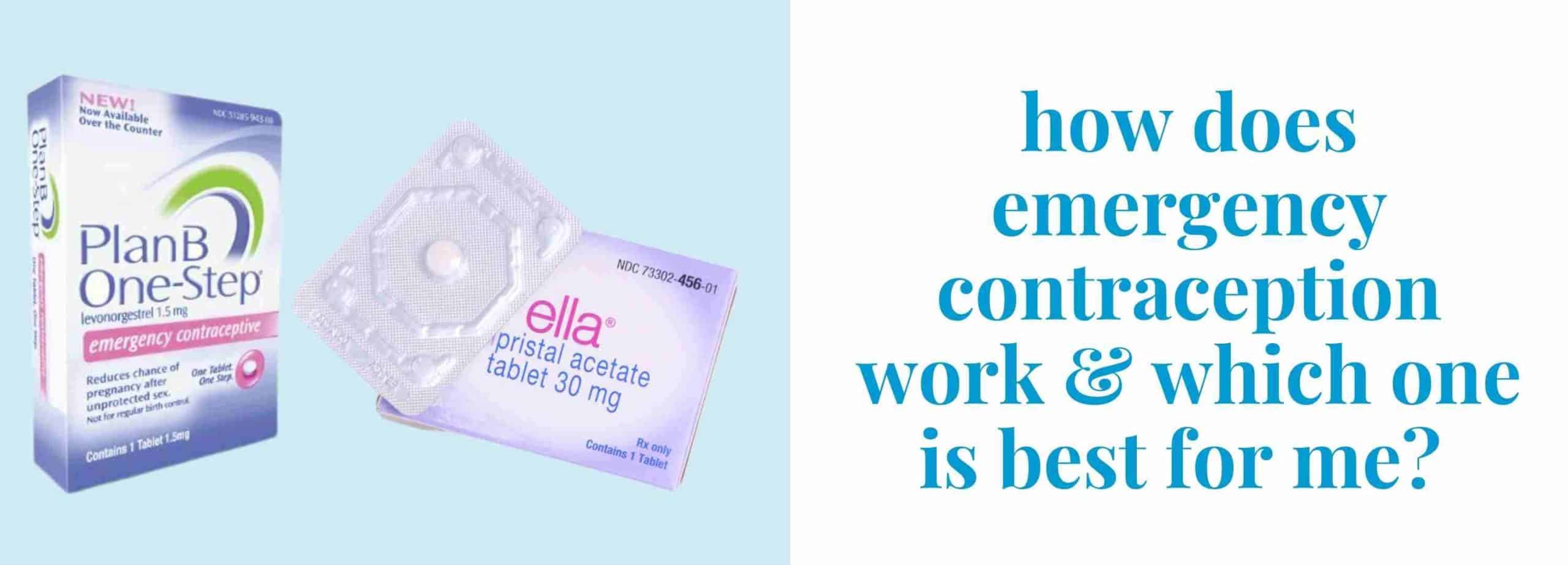
| Ella (Ulipristal Acetate) | Inhibits/delays ovulation | Up to 120 hours | Higher (longer window) |
| Copper IUD | Prevents fertilization | Up to 5 days | Highest (most effective) |
| Combined Oral Pills | High-dose hormonal | Up to 72 hours | Variable |
The Copper IUD (intrauterine device) is significantly more effective than any oral pill because it can be inserted up to five days after unprotected sex and functions regardless of the user's BMI. However, it requires a clinical procedure, whereas Plan B is available over-the-counter at most pharmacies in the United States without a prescription.
Addressing Misconceptions and Safety
A common point of confusion is the distinction between emergency contraception and medical abortion (the "abortion pill"). Plan B is not an abortifacient. If a person is already pregnant—meaning an egg has been fertilized and has successfully implanted in the uterus—Plan B will not disrupt the pregnancy. It is strictly a preventative measure.
Regarding side effects, Plan B is generally well-tolerated. The most frequently reported issues include nausea, fatigue, headache, and breast tenderness. Some users may experience temporary changes to their menstrual cycle, such as spotting or a period that arrives earlier or later than expected. These symptoms are typically transient and do not indicate a long-term medical problem.
FAQ: Common Questions Regarding Emergency Contraception
Does Plan B work if I have already ovulated? No. Plan B functions by delaying the release of an egg. If ovulation has already occurred, the medication cannot prevent the sperm from reaching or fertilizing the egg.
Can I take Plan B more than once in the same cycle? While it is not intended to be used as a primary form of birth control, there is no medical evidence suggesting it is dangerous to take it more than once. However, repeated use is less effective than using a reliable, daily contraceptive method.
How long after sex should I take it? The product label specifies 72 hours (3 days). It is most effective when taken within the first 24 hours. If more than 72 hours have passed, you should speak to a healthcare provider about other options, such as Ella or a copper IUD.
Does Plan B protect against sexually transmitted infections (STIs)? No. Plan B provides no protection against STIs, including HIV. It is strictly for the prevention of pregnancy.
What should I do if my period doesn't come after taking Plan B? If your period is more than one week late, you should take a pregnancy test. While Plan B can shift your cycle, a missed period is a primary indicator that the emergency contraception may not have been effective.
Next Steps and Professional Guidance
If you have experienced contraceptive failure, such as a broken condom or missed birth control pills, prioritize accessing emergency contraception immediately. In the United States, you can purchase Plan B or its generic equivalents at most pharmacies without a prescription. If you are concerned about your BMI or if you are outside the 72-hour window, contact a clinic or a primary care provider.
The most reliable approach to reproductive health remains the use of consistent, long-term methods, such as IUDs, implants, or daily birth control, as these provide significantly higher protection rates than any emergency intervention.
Image Gallery