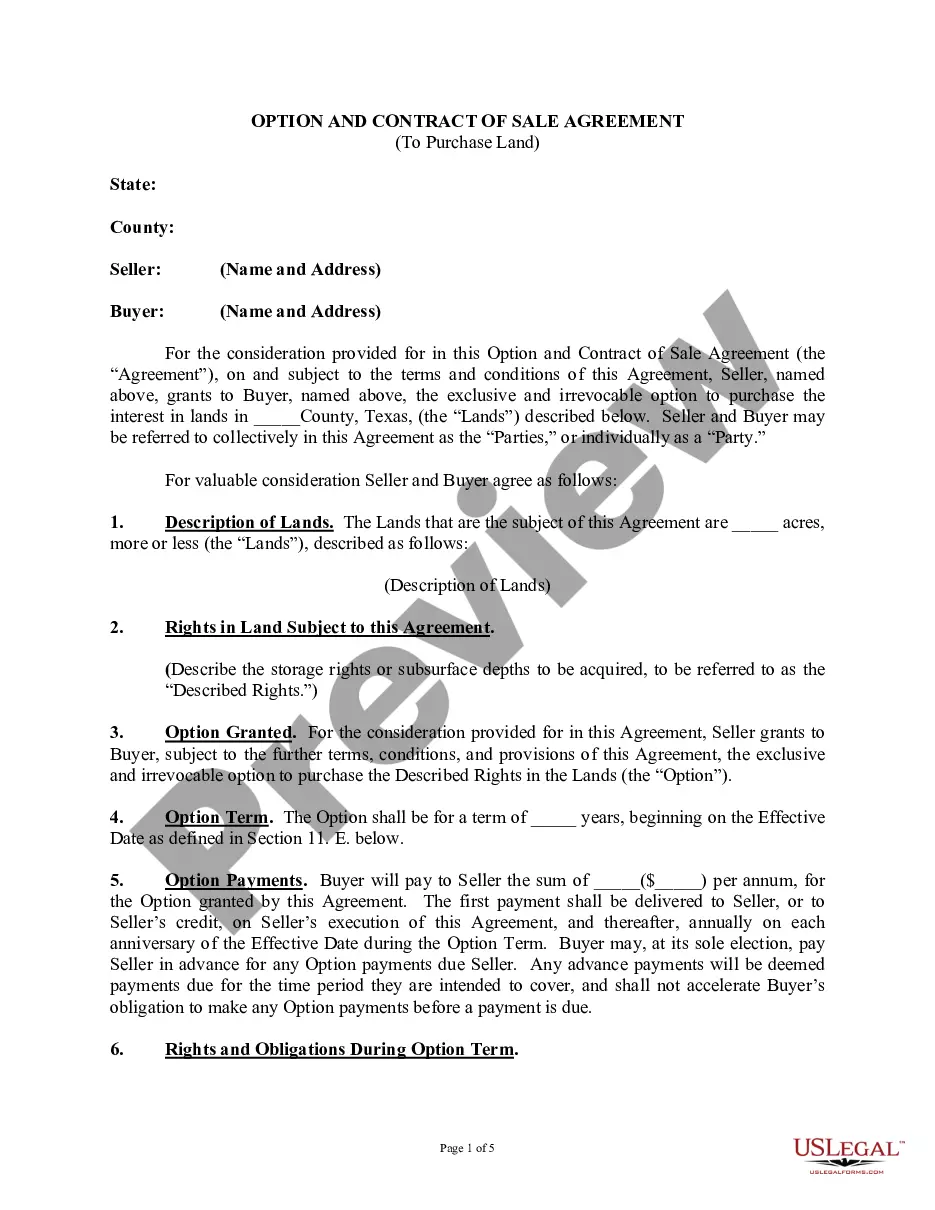
Comprehensive Guide to Kentucky Land Contracts in 2026
A land contract in Kentucky is a seller-financing agreement where a buyer compensates the seller for a property in installments rather than through a traditional bank mortgage. The seller retains the legal title until the final payment...
A land contract in Kentucky is a seller-financing agreement where a buyer compensates the seller for a property in installments rather than through a traditional bank mortgage. The seller retains the legal title until the final payment is made, while the buyer gains "equitable title" and immediate possession of the property.
Contents
In Kentucky, land contracts—often referred to as "contracts for deed" or "installment land contracts"—are a popular alternative for those who may not qualify for traditional financing. However, they carry specific legal weight due to landmark Kentucky Supreme Court rulings that provide buyers with more protection than in many other states. Whether you are a seller looking to earn interest or a buyer seeking a path to homeownership, understanding the statutory and judicial framework of Kentucky real estate law is essential for a secure transaction.
The Legal Essence of Kentucky Land Contracts
The primary characteristic of a Kentucky land contract is the split between legal and equitable title. When the contract is signed, the seller (vendor) remains the owner of record at the county clerk’s office. The buyer (vendee) becomes the "equitable owner," meaning they have a vested interest in the property and the right to obtain full legal title once the contract terms are satisfied.
The Landmark Impact of Sebastian v. Floyd
Historically, if a buyer defaulted on a land contract, the seller could simply terminate the agreement and keep all payments made to date, treating the buyer like a tenant. However, the 1979 Kentucky Supreme Court case Sebastian v. Floyd fundamentally changed this.
The court ruled that a land contract is effectively a "de facto" mortgage. This means that if a buyer defaults after paying a significant portion of the purchase price or if the contract has been in place for a duration that suggests an equity interest, the seller cannot simply evict the buyer. Instead, the seller must go through a formal judicial foreclosure process, similar to a bank. This provides the buyer with a "right of redemption" and ensures that any equity they have built is protected.
Core Requirements for a Valid Kentucky Land Contract
To be legally enforceable in 2026, a land contract in Kentucky must adhere to the Statute of Frauds and specific real estate disclosure requirements. While it is possible to draft these agreements privately, they should contain several key elements to survive judicial scrutiny.
- Written Agreement: The contract must be in writing and signed by all parties involved.
- Legal Description: A precise description of the property, typically found on the current deed, is required. A simple street address is often insufficient for legal recording.
- Terms of Payment: The document must clearly outline the purchase price, the down payment amount, the interest rate, and the monthly installment amount.
- Duration and Balloon Payments: It must specify the length of the contract and whether a final "balloon payment" is required to satisfy the balance.
- Responsibility for Expenses: The contract should explicitly state who is responsible for property taxes, homeowners' insurance, and maintenance. Usually, the buyer assumes these costs, but the contract must specify this to avoid disputes.
Recording the Contract
Under KRS 382.110, all deeds and "contracts for the sale of real estate" should be recorded in the office of the county clerk where the property is located. Recording the contract serves as public notice of the buyer's equitable interest.
If a buyer fails to record the land contract, they are at significant risk. If the seller were to take out a new mortgage on the property or sell the land to a third party who has no knowledge of the contract, the buyer's claim to the property could be legally secondary to those new interests.
Comparing Land Contracts to Traditional Mortgages
Choosing between a land contract and a traditional mortgage involves weighing flexibility against legal protection. Below is a comparison of how these structures typically function in the Kentucky market.
| Feature | Kentucky Land Contract | Traditional Mortgage |
|---|---|---|
| Title Holder | Seller retains legal title until paid | Buyer holds legal title immediately |
| Credit Requirements | Usually lower; set by the seller | Stricter; set by financial institutions |
| Closing Costs | Minimal; often just recording fees | High; includes appraisal, origination, and points |
| Default Remedy | Judicial foreclosure (per Sebastian v. Floyd) | Judicial foreclosure |
| Interest Rates | Often higher than market rates | Market-based; usually lower than seller-financing |
| Speed of Transaction | Very fast; often days or weeks | Slower; usually 30–60 days |
The Foreclosure Process and Default
Because Kentucky treats land contracts as mortgages, the "forfeiture clause"—a provision once common that allowed sellers to keep everything upon default—is largely unenforceable. If a buyer stops making payments, the seller must file a lawsuit in the Circuit Court of the county where the property resides.
- Complaint Filing: The seller files a foreclosure complaint against the buyer.
- Judicial Sale: If the court finds the buyer in default, it will order a judicial sale of the property. This is typically conducted by the Master Commissioner.
- Equity Protection: The proceeds from the sale are used to pay off the remaining balance owed to the seller. If the property sells for more than what is owed, the "excess" equity belongs to the buyer.
- Redemption Rights: In some cases, if the property does not bring in at least two-thirds of its appraised value at the sale, the buyer may have a statutory right to redeem the property within a year by paying the full debt plus interest.
Essential Due Diligence for Buyers
In 2026, the Kentucky real estate market remains competitive, and buyers using land contracts must be particularly vigilant. Because the seller maintains the legal title, the buyer is vulnerable to the seller’s financial stability.
Conduct a Title Search
Before signing any land contract, a buyer should hire a title company or attorney to perform a professional title search. You need to ensure the seller actually owns the property and that there are no undisclosed liens, unpaid taxes, or existing mortgages that could result in foreclosure by a third-party lender.
The "Due-on-Sale" Clause Risk
Most traditional mortgages contain a "due-on-sale" clause. This allows the bank to demand full payment of the loan if the property is sold or if an interest in the property (like a land contract) is transferred. If the seller has an existing mortgage, they must obtain lender approval before entering into a land contract. If they do not, the buyer could lose their home if the seller's bank decides to accelerate the original loan.
Insurance and Taxes
In a typical Kentucky land contract, the buyer is responsible for property taxes and insurance. However, the seller often requires that the buyer provide proof of payment annually. It is advisable for buyers to have the seller named as an "additional insured" on the homeowner’s policy to protect both parties' interests in the event of property damage.
Rights and Obligations of the Seller
Sellers often choose land contracts to move a property quickly or to generate a steady stream of interest income. However, the seller remains the legal owner and can be held liable for certain property-related issues until the title is transferred.
- Lien Risk: If the buyer fails to pay for repairs or improvements, contractors may file "mechanic's liens" against the property, which clouds the seller's legal title.
- Tax Liability: While the contract usually shifts tax responsibility to the buyer, the government will still look to the seller (the owner of record) if taxes go unpaid. Many sellers in 2026 choose to collect tax and insurance payments monthly and pay them out of an escrow account to ensure compliance.
- Maintenance Standards: Sellers should include "waste" clauses in the contract, prohibiting the buyer from allowing the property to fall into disrepair, which would diminish the seller’s collateral.
Practical Steps to Finalizing a Land Contract
If you are proceeding with a land contract in Kentucky, follow these steps to ensure a legally sound transaction:
- Draft the Agreement: Use a qualified real estate attorney to ensure the language complies with current Kentucky statutes and judicial precedents.
- Disclosure Forms: The seller must still provide the standard Kentucky Residential Property Disclosure Form to the buyer.
- Notarization: Both parties must have their signatures notarized.
- Recording: Take the original signed and notarized contract to the County Clerk’s office. Expect to pay a recording fee based on the number of pages.
- Payment Tracking: Maintain a clear "amortization schedule" so both parties agree on how much of each payment goes toward interest versus principal.
Frequently Asked Questions
Can I be evicted from a land contract in Kentucky? No, you generally cannot be summarily evicted as if you were a tenant. Because of the Sebastian v. Floyd ruling, Kentucky courts view land contracts as mortgages. If you default, the seller must pursue a judicial foreclosure process, which takes more time and provides more legal protections than a standard eviction.
Who is responsible for repairs in a Kentucky land contract? Usually, the buyer is responsible for all maintenance and repairs. The buyer is the equitable owner and has the most to gain from maintaining the property’s value. However, the specific responsibilities must be clearly defined in the written contract to avoid disputes.
Is there a limit on interest rates for land contracts in Kentucky? Kentucky has usury laws that limit the interest rates on certain loans, but these often vary based on the amount of the loan and the nature of the parties involved. In 2026, most private seller-financed land contracts for residential properties are subject to these limits. It is essential to consult with an attorney to ensure the rate is not considered predatory or illegal.
What happens if the seller dies before I finish paying? If the land contract is properly recorded, it remains binding on the seller’s estate. The seller’s heirs or executors would be legally required to honor the contract and transfer the deed once the final payment is made. This is another reason why recording the contract at the county clerk’s office is vital.
Can I refinance a land contract into a traditional mortgage? Yes, this is a common strategy. Many buyers use a land contract to build equity and improve their credit scores over a few years, then "refinance" by taking out a traditional bank mortgage to pay off the seller in full. This allows the buyer to gain full legal title and often a lower interest rate.
Recommendation: If you are entering into a land contract, do not rely on a "boilerplate" form downloaded from the internet. Kentucky’s specific judicial protections for buyers make these contracts unique. Whether you are the buyer or the seller, engage a local real estate attorney to draft the document and ensure the contract is recorded with the County Clerk to protect your financial interest.
Disclaimer: This article provides general information and does not constitute legal or financial advice. Real estate laws are subject to change, and jurisdictional limits may apply. Consult with a licensed Kentucky attorney for specific legal guidance regarding your property transaction.
Image Gallery