Comprehensive Guide to Hunting Preserves in New Jersey: Regulations, Seasons, and Operations
Hunting preserves in New Jersey offer sportsmen and outdoor enthusiasts extended seasons, reliable game availability, and professionally managed terrain for upland bird hunting. Whether you are training a new gun dog, seeking a guided...
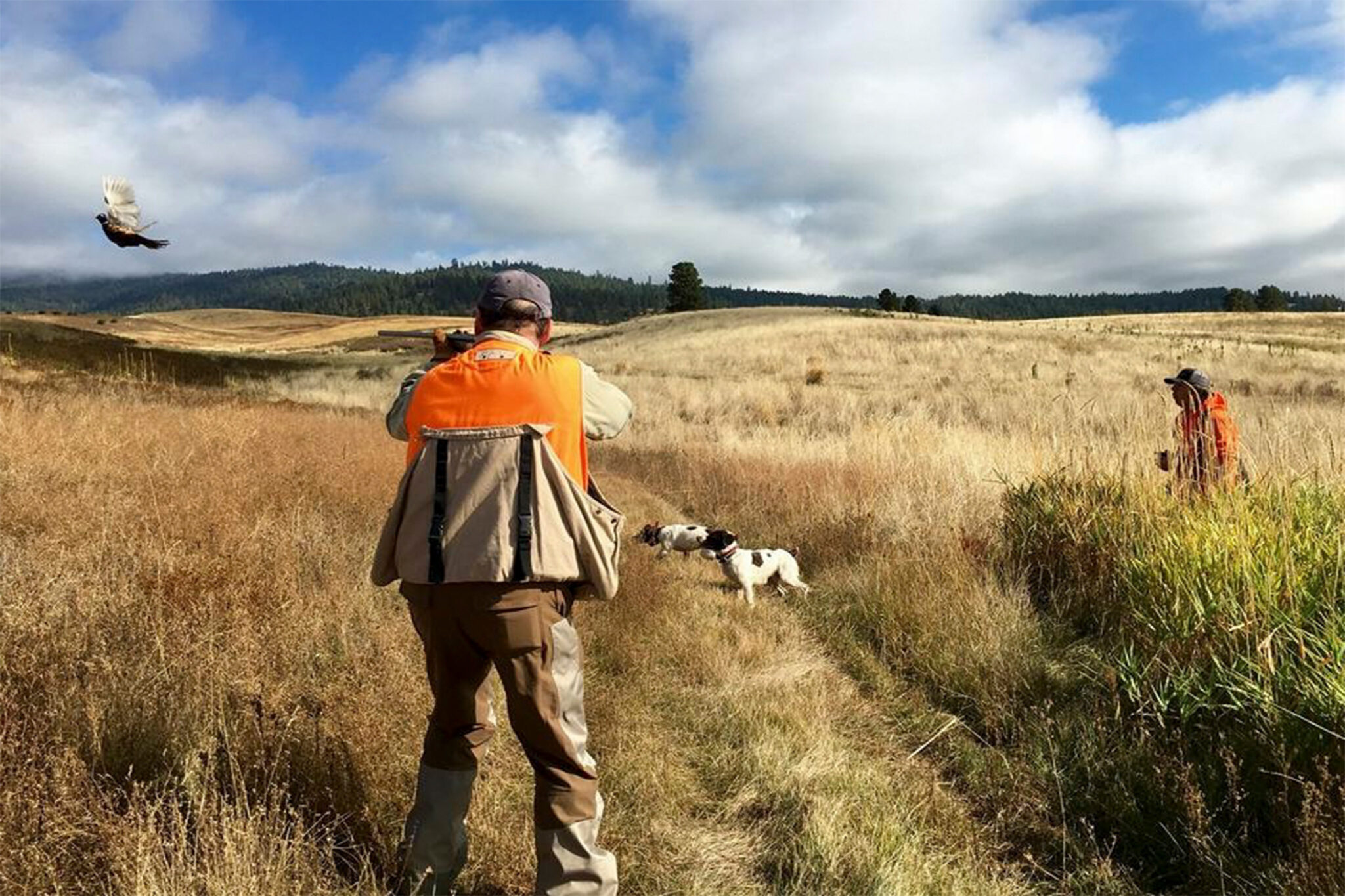
Hunting preserves in New Jersey offer sportsmen and outdoor enthusiasts extended seasons, reliable game availability, and professionally managed terrain for upland bird hunting. Whether you are training a new gun dog, seeking a guided pheasant hunt, or looking to bypass the shorter public land seasons, New Jersey’s licensed commercial preserves operate under specific state guidelines that define how upland game birds are harvested, stocked, and regulated.
Contents
Regulatory Framework and Licensing for New Jersey Hunting Preserves
Commercial and semi-wild hunting preserves in the Garden State operate under the strict oversight of the New Jersey Division of Fish and Wildlife, which functions within the Department of Environmental Protection (NJDEP). To maintain legal compliance, preserve operators must secure specific licenses, maintain meticulous harvest records, and adhere to state-mandated property boundary and stocking protocols.
Hunters utilizing these properties must also navigate state licensing requirements. While New Jersey resident and non-resident firearm hunting licenses are mandatory, the state typically grants more flexible hunting windows on licensed preserves compared to public wildlife management areas.
State Compliance Essentials Licensing Mandates: All hunters utilizing New Jersey preserves must possess a valid New Jersey hunting license, though preserve-specific permits often substitute for certain species tags during extended seasons. Tagging Requirements: Harvested game birds must be properly identified and tagged in accordance with state commercial shooting preserve regulations before leaving the property. Season Extensions: While general upland bird seasons close in the winter, licensed preserves are permitted by state statute to operate extended hunting seasons, often stretching from September through March or April.
Target Species and Game Management on NJ Preserves
The geography and habitat structure of New Jersey—ranging from the pine barrens of the south to the rolling agricultural and wooded tracts of the northwest—dictate the types of game species successfully managed on local preserves. The primary quarry on these properties consists of pen-raised upland game birds bred for flight characteristics and hardiness.
Preserve managers rely on rigorous habitat management, including food plots of sorghum, corn, and native warm-season grasses, alongside managed brush lines to provide optimal cover.
- Ring-Necked Pheasant: The premier game bird across New Jersey preserves, prized for its explosive flush and challenging flight.
- Bobwhite Quail: Favored by handlers of pointing dogs due to their tendency to hold tightly for the flush.
- Chukar Partridge: Known for steep, fast covey rises and rugged physical endurance in varied terrain.
- Mallard Ducks: Released on properties featuring managed wetlands, ponds, or flooded timber for specialized waterfowl flight shoots.
Operational Comparison: Semi-Wild Versus Commercial Preserves
New Jersey law distinguishes between different classifications of private hunting operations. Understanding the operational differences between semi-wild preserves and commercial shooting preserves helps hunters choose the facility that aligns with their experience level and desired style of hunt.
| Preserve Classification | Season Duration | Bag Limits & Harvest Rules | Mandatory Signage & Boundaries | Typical Target Audience |
|---|---|---|---|---|
| Semi-Wild Preserves | Extended state-regulated season (typically November through March) | State bag limits may apply based on acreage and stocking ratios; strict reporting required. | Must be posted with official New Jersey Division of Fish and Wildlife signs at specific intervals. | Club members, local hunters seeking traditional extended seasons. |
| Commercial Preserves | Extended operational calendar (often September through April 30) | Generally no daily bag limits on released game birds; harvest limited only by package or purchase. | Clearly marked boundaries separating private shooting grounds from public lands or adjacent parcels. | Corporate groups, guided hunt clients, dog trainers, non-resident hunters. |
Step-by-Step Guide to Booking and Executing a Preserve Hunt
Preparing for a hunt on a New Jersey preserve requires careful coordination with property managers, an understanding of local safety protocols, and proper equipment selection. Follow this structured workflow to ensure a successful outing.
- Research and Select a Property: Evaluate New Jersey preserves based on geographic location, target species availability, dog rental options, and guide services. Confirm their specific licensing status with the NJDEP.
- Review Booking Packages: Determine whether you require a fully guided hunt (inclusive of professional guides and trained dogs) or a self-guided walk-up hunt where you bring your own canine partners.
- Verify State License Requirements: Ensure your New Jersey hunting license and firearm purchaser identification requirements are fully up to date before arriving at the property.
- Conduct Pre-Hunt Safety Briefings: Review property safety boundaries, shooting zones, and mandatory orange clothing requirements (New Jersey law requires hunters to wear a hunter orange hat and a vest/jacket meeting visibility standards).
- Execute the Hunt and Process Harvest: Complete your hunt within the allotted timeframe, record your harvest totals with the preserve manager for state compliance tracking, and utilize on-site or recommended local processing options.
Pros and Cons of Hunting New Jersey Preserves
Choosing to hunt on private preserves involves balancing distinct advantages against operational costs and structural limitations.
Advantages
- Extended Seasons: Hunters gain access to months of additional upland bird hunting outside of standard state public land closures.
- Guaranteed Encounters: Professional stocking ensures high bird populations, maximizing action for hunters and training opportunities for young or resetting gun dogs.
- Diverse Terrain and Amenities: Many New Jersey facilities offer luxury clubhouses, sporting clays courses, professional bird cleaning services, and expert guide support.
- Safety and Privacy: Controlled hunter density eliminates the crowding often encountered on public state wildlife management areas.
Disadvantages
- Financial Investment: Preserve hunting involves daily gun fees, bird release fees, and potential gratuities, making it significantly more expensive than public land hunting.
- Artificial Environment: Pen-raised game may not exhibit the same wild wariness and survival instincts as native, wild-reared populations.
- Geographic Concentration: Most premier preserves are clustered in specific rural pockets of Hunterdon, Monmouth, Salem, and Sussex counties, requiring travel for urban-based hunters.
Frequently Asked Questions About New Jersey Hunting Preserves
Do I need a New Jersey hunting license to hunt on a preserve?
Yes, all hunters utilizing New Jersey commercial and semi-wild preserves must possess a valid state hunting license, along with compliance for all federal and state firearm transportation laws. Preserves cannot legally waive state licensing mandates.
Are there bag limits on birds released at New Jersey preserves?
Commercial shooting preserves typically do not enforce daily bag limits on released pen-raised birds, as harvests are governed by the number of birds purchased or released for the specific party. Semi-wild preserves may operate under more restrictive state-governed bag formulas.
Can I bring my own dog to a New Jersey hunting preserve?
Most preserves welcome personal gun dogs, provided they are well-socialized, under control, and up to date on required vaccinations. Many facilities also rent trained dogs and professional guides for hunters who do not own working dogs.
What are the mandatory safety gear requirements on NJ preserves?
Hunters must wear fluorescent orange apparel—specifically a hat and an outer garment visible from all sides—in accordance with New Jersey state hunting regulations. Eye and ear protection are also strongly recommended, particularly during driven bird or tower shoots.
When is the best time of year to book a preserve hunt in New Jersey?
While many commercial preserves operate from September through April, prime upland bird hunting typically peaks between November and January when cooler weather provides ideal conditions for working dogs and active bird flight.
How do preserve seasons interact with New Jersey's general hunting regulations?
Licensed preserves operate under statutory exemptions that allow them to extend seasons well beyond the closure dates established for public state lands, giving hunters consistent field access through the late winter months.
Practical Recommendations for Your Preserve Experience
Maximizing your investment on a New Jersey hunting preserve requires clear communication with outfitters regarding bird counts, release timing, and terrain conditions. If you are training a young dog, request delayed-release or scattered stocking methods to simulate wild flushing scenarios. Always confirm tipping guidelines for guides and bird-cleaning staff prior to your departure, and ensure your ammunition selection—typically high-velocity steel or bismuth shot depending on preserve environmental guidelines—matches property rules.
Image Gallery