How to Choose a Foundation Repair Company in Lewisville
To choose a foundation repair company in Lewisville, prioritize contractors who provide a third-party structural engineer’s report, offer transferable lifetime warranties, and demonstrate extensive experience with North Texas expansive...
To choose a foundation repair company in Lewisville, prioritize contractors who provide a third-party structural engineer’s report, offer transferable lifetime warranties, and demonstrate extensive experience with North Texas expansive clay soils. Verify their local Denton County references and ensure they carry comprehensive general liability and workers' compensation insurance before signing any contracts in 2026.
Contents
Lewisville, Texas, sits atop some of the most volatile soil in the United States. For homeowners in this region, foundation issues are rarely a matter of "if" but "when." The heavy clay soils characteristic of the North Texas Blackland Prairie undergo significant volume changes based on moisture content. When it rains, the soil expands; during the hot, dry Texas summers, it shrinks. This constant movement places immense stress on residential slabs and pier-and-beam structures.
Because the financial stakes of foundation repair are high—often ranging from $5,000 to over $25,000—selecting the right professional is a critical decision. In 2026, the industry has seen an influx of new technologies and shifting local regulations that homeowners must navigate to ensure their investment is protected.
Understanding the Lewisville Geological Context
Before vetting companies, it is essential to understand why Lewisville requires specialized expertise. The city is primarily situated on Eagle Ford Shale and various clay-rich deposits. These materials are "expansive," meaning they act like a sponge.
In Lewisville, the proximity to Lewisville Lake can also influence local water tables, leading to localized "upheaval" or "settlement" that might differ from properties further inland in Flower Mound or Highland Village. A company that understands these micro-local conditions will be better equipped to recommend a solution that accounts for drainage patterns and soil composition specific to your neighborhood.
Step 1: Require an Independent Engineering Evaluation
One of the most significant mistakes a homeowner can make is relying solely on a repair company’s salesperson to diagnose the problem. While many foundation estimators are experienced, their primary goal is to sell a specific repair system.
In 2026, the gold standard for foundation repair begins with a Professional Engineer (PE). An independent structural engineer does not have a financial stake in the repair work itself. They provide an unbiased assessment of the home’s levelness, identify the root cause of the distress (such as plumbing leaks or poor drainage), and issue a "Plan of Repair."
Why this matters:
- Accuracy: An engineer uses specialized equipment like a ZipLevel to create a topographic map of your floor’s elevations.
- Permitting: The City of Lewisville Building Inspections department often requires engineered plans for structural permits.
- Validation: After the repair is complete, the engineer returns for a "final inspection" to verify the work meets the initial specifications.
Step 2: Verify Business Credentials and Local Reputation
Texas does not have a state-mandated license specifically for "foundation repair contractors." This lack of oversight means the burden of verification falls entirely on the homeowner.
Insurance Coverage
Never hire a company that cannot produce a current ACORD certificate of insurance. In 2026, a reputable Lewisville contractor should carry:
- General Liability: At least $1,000,000 to cover property damage.
- Workers’ Compensation: This is vital. If a worker is injured on your property and the company does not have workers' comp, you could be held liable for medical expenses.
Local Longevity
The foundation repair industry is notorious for "fly-by-night" operations that close down and reopen under new names to avoid warranty claims. Look for a company that has operated in the Dallas-Fort Worth Metroplex for at least a decade. Ask for specific references in Lewisville subdivisions like Castle Hills, Valley Ridge, or Orchard Valley Estates. Homes in these areas share similar construction ages and soil challenges.
Step 3: Evaluate the Repair Method
Not all foundation repairs are equal. The "best" method depends on your home’s specific failure mode and your budget. A quality company should be proficient in several techniques rather than pushing a "one-size-fits-all" solution.
| Method | Best For | Pros | Cons |
|---|---|---|---|
| Pressed Concrete Piers | Most North Texas slab homes | Cost-effective, fast installation | Depth is limited by soil resistance |
| Steel Piers | Deep stable soil/Commercial | Reaches true load-bearing strata | Higher cost per pier |
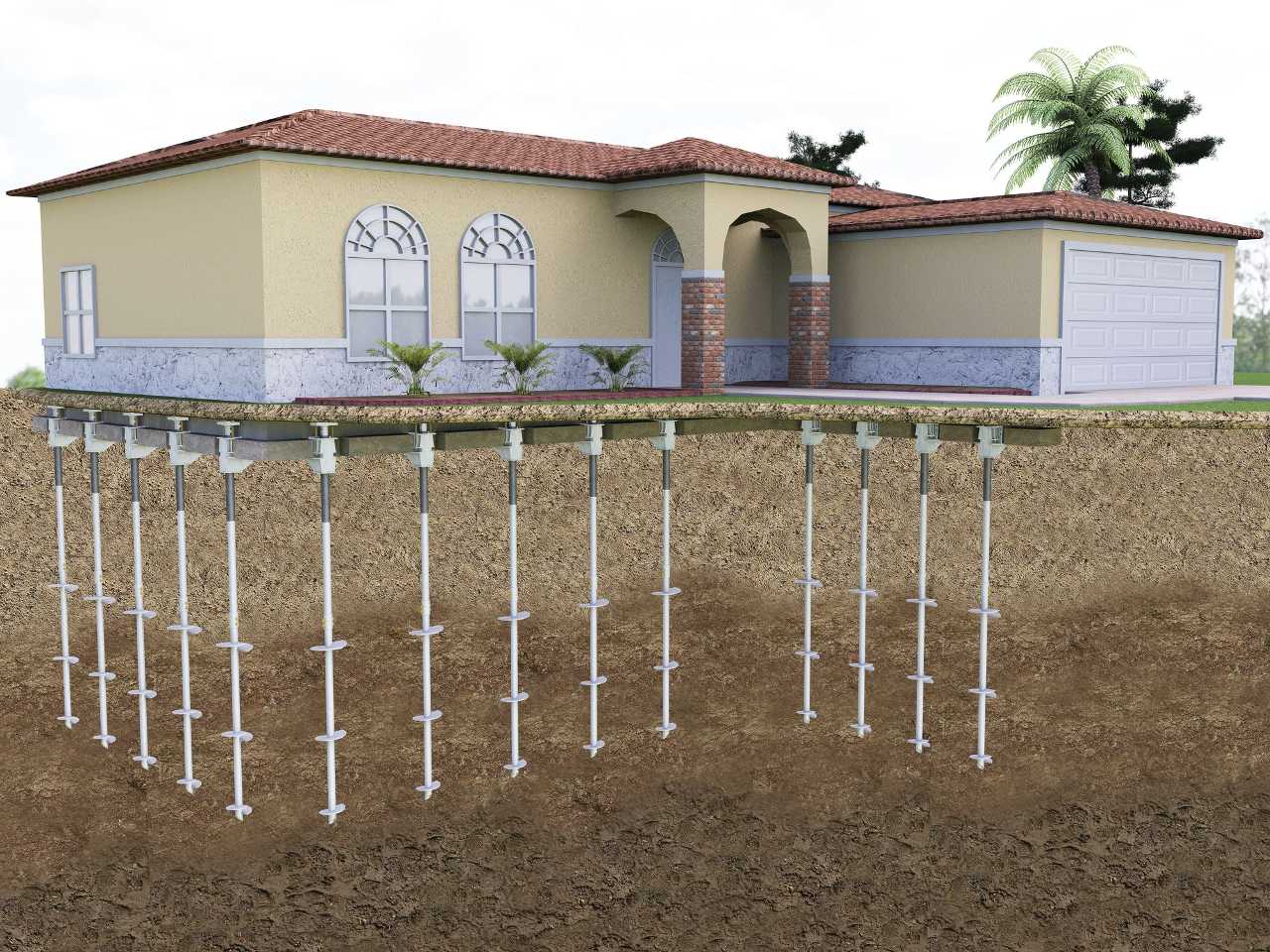
| Helical Piers | Light structures/Porches | Minimal vibration, deep reach | Not always suitable for heavy slabs |
| Drilled Bell Piers | New construction/High-end | Traditional, permanent | Messy, requires heavy machinery |
| Polyurethane Injection | Minor slab settling/Walkways | No digging, fast cure time | Does not provide structural lift for heavy loads |
In 2026, Pressed Concrete Piers remain the most common choice in Lewisville due to their balance of durability and price. However, if your home is located in an area with deeper-than-average clay, Steel Piers may be necessary to reach the bedrock or stable strata required for a permanent fix.
Step 4: Analyze the Warranty Terms
In the foundation industry, the warranty is often more important than the repair itself because soil movement is a continuous process. Most Lewisville companies offer a "Lifetime Transferable Warranty." However, you must read the fine print.
Key Warranty Considerations:
- Transfer Fees: Does the warranty transfer automatically to a new buyer, or is there a fee and a strict 30-day window to notify the company? This is a major factor in home resale value.
- Adjustments: If the piers settle over time, is the labor for re-leveling included, or just the parts?
- Exclusions: Does the warranty become void if you don't maintain a "watering program" or if a plumbing leak occurs? Most warranties exclude damage caused by "Acts of God" or subsequent plumbing issues.
- Backing: Is the warranty backed by a national association or a trust? If the company goes out of business, a "lifetime" warranty is worthless unless it is insured or backed by a third party.
Step 5: Demand a Detailed, Written Estimate
Avoid companies that provide a single-page "quote" with a total price and no breakdown. A professional estimate in 2026 should include:
- A Scaled Diagram: Showing exactly where every pier will be placed.
- Depth Expectations: While exact depth cannot be guaranteed, the estimate should state the average depth anticipated.
- Cleanup and Restoration: Will they replace the bushes they dig up? Will they patch the concrete "breakouts" in your driveway or patio?
- Plumbing Tests: Most reputable companies require a "hydrostatic pressure test" after the house is lifted. Lifting a foundation can snap old cast-iron or PVC pipes. You need to know who is responsible for these tests and any subsequent repairs.
Common Red Flags to Avoid
When interviewing contractors in Lewisville, be wary of the following:
- High-Pressure Sales: Avoid companies offering "today only" discounts of thousands of dollars.
- No Permit Mention: If a contractor suggests doing the work without a City of Lewisville permit to "save money," they are likely cutting corners on safety and inspections.
- Low Upfront Pricing: A significantly lower bid often means they aren't driving the piers to "refusal" (the point where they can no longer be pushed deeper), which leads to future failure.
- Cash-Only Discounts: This suggests a lack of financial stability or a desire to avoid documented accountability.
The Role of Drainage and Maintenance
A top-tier foundation company won't just talk about piers; they will talk about water management. In Lewisville, poor drainage is the leading cause of foundation failure. During your consultation, the expert should look at your gutters, the slope of your yard, and the proximity of large trees (which can suck moisture from under the slab).
If a company ignores these environmental factors and only focuses on installing piers, they are treating the symptom rather than the disease. Choosing a company that offers or recommends comprehensive drainage solutions—such as French drains or surface swales—ensures that your foundation remains stable after the repairs are complete.
FAQs
How much does foundation repair cost in Lewisville in 2026?
On average, homeowners pay between $350 and $600 per pier. A typical repair requiring 15 to 20 piers can cost between $6,000 and $12,000. These costs vary based on the repair method (steel vs. concrete) and the depth required to reach stable soil. Always account for an additional $500–$800 for the structural engineer's report and city permits.
Does homeowners insurance cover foundation repair?
In most cases, no. Standard homeowners insurance policies in Texas exclude "wear and tear" or "earth movement," which covers most foundation settlement. However, if the foundation damage was caused by a "sudden and accidental" plumbing leak and you have a specific endorsement for "Slab/Foundation Water Damage," you may be eligible for partial coverage.
How long does the typical repair process take?
For a standard Lewisville home, the actual pier installation usually takes 2 to 4 days. If interior piers are required (requiring holes to be cut through your flooring), the process may take longer. This timeframe does not include the initial engineering inspection or the time required for the City of Lewisville to issue permits.
Should I repair my foundation before selling my Lewisville home?
Yes, in most cases. Most buyers in the North Texas market are wary of foundation issues. By completing the repairs and providing an engineered "passed" final report and a transferable warranty, you remove a significant hurdle to the sale. Alternatively, you can offer a "seller's concession" to cover the cost, but this often results in a lower sale price than if the work were already completed.
Is it normal for new cracks to appear after the house is lifted?
Yes. Foundation repair is a "correction," not a "restoration." When a home is lifted back toward its original position, the sheetrock, trim, and brickwork—which may have "settled" into a new shape—must adjust. It is common to see minor "adjustment cracks" in drywall after a lift. Most experts recommend waiting 6 to 8 weeks after the foundation work is complete before performing cosmetic repairs.
Next Steps for Homeowners
If you suspect foundation movement—evidenced by sticking doors, cracks in the exterior brick, or uneven floors—start by contacting a licensed structural engineer who specializes in residential foundations in the Lewisville/Denton County area. Once you have an unbiased plan of repair, solicit at least three bids from established contractors who have verified insurance and local references. Prioritize the quality of the piering system and the strength of the warranty over the lowest price to ensure your home remains on solid ground for the next several decades.
Image Gallery