Explaining COVID Dreams: Understanding the Science Behind Pandemic Nightmares
COVID dreams refer to the surge in vivid, intense, and often distressing dreams experienced during the pandemic, driven by chronic stress, disrupted routines, and "REM rebound" from increased sleep duration. These dreams served as a bi...
COVID dreams refer to the surge in vivid, intense, and often distressing dreams experienced during the pandemic, driven by chronic stress, disrupted routines, and "REM rebound" from increased sleep duration. These dreams served as a biological mechanism for processing collective trauma and navigating a rapidly changing environment.
Contents
As we look back from 2026, the phenomenon of "COVID dreams" remains one of the most documented psychological events of the early 2020s. While the acute phase of the pandemic has passed, the scientific community has spent years analyzing the data collected during that era. These dreams were not merely random firings of the brain; they were a complex interplay of neurobiology, psychology, and environmental shifts that changed how an entire generation experienced sleep.
Defining the COVID Dream Phenomenon
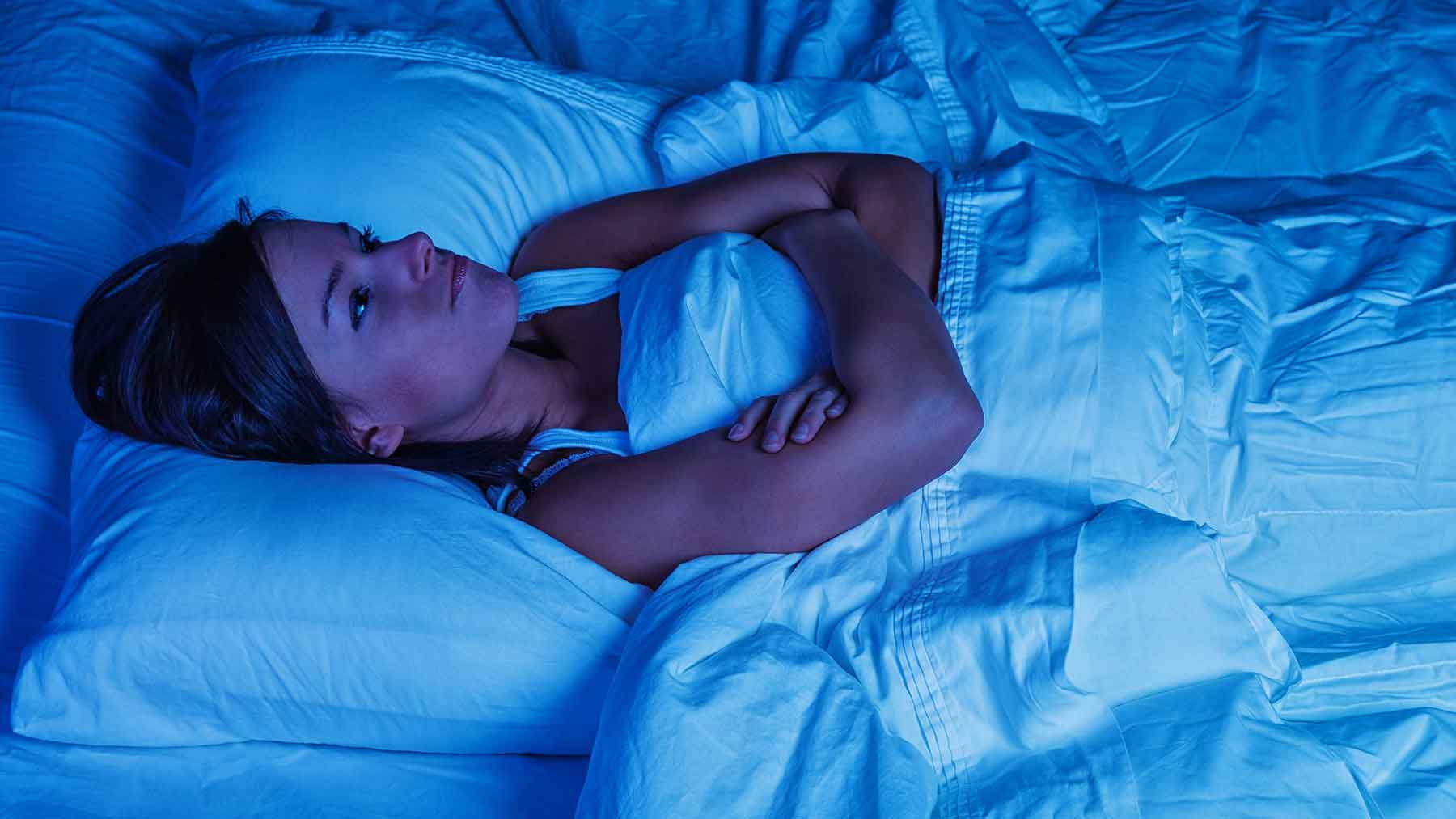
During the height of the global pandemic, individuals reported a significant shift in their nocturnal experiences. These experiences were characterized by three primary factors: heightened vividness, increased recall, and a distinct shift toward anxious or bizarre imagery. Unlike standard dreams, which are often forgotten within minutes of waking, COVID dreams tended to linger, feeling more like "hallucinations" than typical sleep-state thoughts.
Heightened Vividness and Recall
The vividness of these dreams can be attributed to the disruption of normal sleep-wake cycles. With millions of people working from home or under lockdown, the morning commute was eliminated. This allowed for longer sleep durations. Because REM (Rapid Eye Movement) sleep—the stage where the most vivid dreaming occurs—gets longer as the night progresses, people were spending more time in deep dream states. Consequently, they woke up during or immediately after a REM cycle, which significantly increases the likelihood of remembering the dream in granular detail.
Symbolic vs. Literal Content
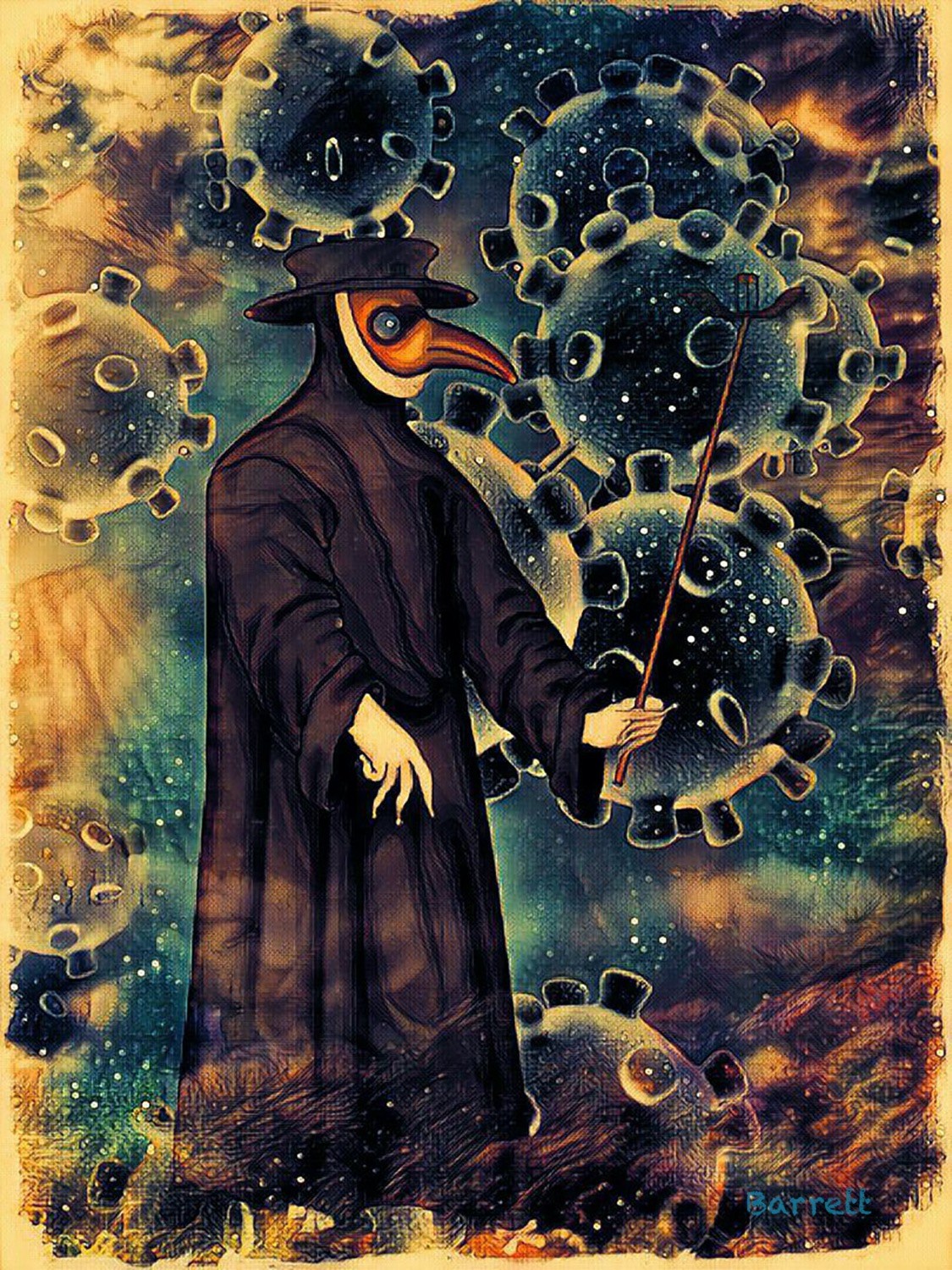
Research conducted by organizations like the International Association for the Study of Dreams (IASD) found that pandemic dreams fell into two categories: literal and symbolic. Literal dreams involved scenes of social distancing, wearing masks, or contracting the virus. Symbolic dreams, however, were often more distressing, featuring swarms of insects, tsunamis, or being trapped in windowless rooms. These symbols represented the "invisible threat" of the virus and the loss of personal agency during lockdowns.
The Biological and Psychological Triggers
Explaining COVID dreams requires a look at how the brain processes stress. The human brain is a prediction machine, and the pandemic introduced an unprecedented level of uncertainty. When the brain cannot predict the future during the day, it works overtime at night to simulate various scenarios.
The Role of the Amygdala and Cortisol
The amygdala is the brain's emotional processing center, specifically tuned to detect threats. During the pandemic, the amygdala remained in a state of hyper-arousal due to the constant influx of negative news and health fears. This heightened state of "fight or flight" does not simply shut off when we sleep. High levels of cortisol, the stress hormone, can fragment sleep, leading to more frequent "micro-awakenings." Each time a person wakes up briefly, the brain "saves" the dream it was just having, leading to the sensation of having dreamed all night long.
The Continuity Hypothesis
Psychologists often point to the Continuity Hypothesis of Dreaming, which suggests that our dreams are a direct continuation of our waking concerns. If a person spends their day worrying about job security, health, or social isolation, the brain continues to process these themes during REM sleep. However, because the prefrontal cortex—the logical part of the brain—is less active during sleep, these concerns are translated into the bizarre, non-linear narratives typical of COVID dreams.
Threat Simulation Theory (TST)
Another framework for explaining COVID dreams is the Threat Simulation Theory. This evolutionary psychology theory posits that dreaming evolved to allow our ancestors to practice responding to dangerous situations in a safe environment. By "simulating" the pandemic in our sleep, the brain was essentially trying to rehearse how to survive. Whether the dream was about fleeing a monster or navigating a crowded supermarket without a mask, the underlying goal was the same: survival training.
How Lifestyle Shifts Altered Sleep Architecture
Beyond psychology, the physical changes in our daily lives played a massive role in our dream states. The year 2020 saw a radical shift in human behavior that directly impacted sleep architecture.
The Impact of "REM Rebound"
Prior to the pandemic, many people were chronically sleep-deprived due to early work starts and long commutes. When lockdowns began, a phenomenon known as REM rebound occurred. When the body is deprived of REM sleep for long periods and then finally gets the chance to rest, it compensates by diving deeper and longer into REM cycles. This "catch-up" period is often accompanied by exceptionally intense and vivid dreams.
Social Isolation and the "Hungry" Brain
Humans are inherently social creatures. The forced isolation of the pandemic created a "social hunger" that the brain sought to fill. Many people reported dreaming more frequently about friends, large parties, or physical touch—things they were missing in reality. The brain was attempting to maintain social pathways that were being underutilized in the waking world.
Notable Themes in Pandemic-Era Dreams
Data from the Harvard Medical School sleep researchers identified several recurring themes that appeared globally, transcending cultural and geographic boundaries.
- Invisible Attackers: Representing the microscopic nature of the virus.
- Malfunctioning Technology: Reflecting the frustration of moving all life to digital platforms like Zoom.
- Loss of Control: Falling, drowning, or being stuck in traffic.
- Natural Disasters: Fires and floods representing the overwhelming nature of the global crisis.
| Feature | Standard Dreams | COVID-Era Dreams |
|---|---|---|
| Primary Emotion | Varied (Joy, Fear, Neutral) | High Anxiety / Fear |
| Vividness | Moderate; quickly forgotten | Intense; high sensory detail |
| Recall Frequency | 1-2 times per week | 4-5+ times per week |
| Common Symbols | Daily tasks, social interactions | Masks, swarms, invisible threats |
| Duration of REM | Standard cycles | Extended due to REM rebound |
| Neurochemical State | Balanced cortisol/melatonin | Elevated cortisol levels |
Long-Term Neurological Implications
By 2026, we have a better understanding of the long-term effects of this period. For many, COVID dreams were a temporary reaction to acute stress. However, for those who suffered from Long COVID, sleep disturbances have persisted. Neurological inflammation associated with the virus has been linked to chronic insomnia and "nightmare disorder" in a subset of the population.
The "Great Dream Disruption" of the early 2020s taught us that sleep is not a passive state but an active, defensive mechanism. The vivid dreams of that era were the brain's way of metabolizing a reality that was, for a time, too difficult to process while awake.
Strategies for Managing Stressful Dreams
While the pandemic-specific triggers have evolved, the methods for managing vivid, stressful dreams remain consistent. Improving sleep hygiene and emotional regulation can help "quiet" an overactive dream mind.
- Media Dieting: Avoid consuming "doom-scrolling" content at least two hours before bed. The brain needs time to transition from external threats to internal rest.
- Dream Journaling: Instead of letting a nightmare haunt your morning, write it down. This "externalizes" the fear and allows the prefrontal cortex to analyze it logically.
- Imagery Rehearsal Therapy (IRT): For recurring nightmares, practice imagining a different, positive ending to the dream while you are awake. This can "reprogram" the brain's response during sleep.
- Temperature Regulation: Vivid dreams are often exacerbated by being too warm. Keeping the bedroom at a cool 65°F (18°C) can promote deeper, less fragmented sleep.
Frequently Asked Questions
Why did I dream about bugs and swarms during the pandemic? Swarms of insects are a common psychological metaphor for an "invisible, multiplying threat." Since the virus could not be seen, the brain substituted it with something tangible and creepy-crawly. Research by Dr. Deirdre Barrett at Harvard confirmed that insect dreams were among the most common symbolic representations of the virus.
Are COVID dreams a sign of PTSD? Not necessarily. While they share characteristics with the nightmares seen in Post-Traumatic Stress Disorder, most COVID dreams were a natural response to a "collective stressor." However, if these dreams persist for years and interfere with daily functioning, it may be beneficial to consult a professional specializing in sleep medicine or trauma.
Did the virus itself cause the dreams, or was it the stress? It was a combination of both. While the psychological stress of lockdowns and fear was the primary driver for most, there is evidence that the COVID-19 virus can cause neurological inflammation. This inflammation can disrupt sleep cycles and lead to more intense dreaming in those who were actively infected.
Why did my dreams get weirder after I got the vaccine? Some people reported vivid dreams as a side effect of the immune response following vaccination. This is often linked to a mild fever or an "active" immune system, both of which can increase the intensity of REM sleep and the frequency of night sweats, which lead to more frequent dream recall.
Will these vivid dreams ever go away? For the vast majority of people, dream patterns returned to baseline as life stabilized and the acute "threat" of the pandemic diminished. The brain eventually recalibrates to a new normal. If you are still experiencing intense pandemic-related nightmares in 2026, it is a sign that your brain may still be processing residual trauma.
Final Recommendation
If you find yourself still struggling with the psychological remnants of pandemic-era sleep disturbances, prioritize a consistent circadian rhythm. The most effective way to stabilize dream content is to stabilize the sleep-wake cycle. Aim for the same wake-up time every day, including weekends, and ensure at least 30 minutes of natural sunlight exposure in the morning to regulate melatonin production. For persistent nightmares, seek out a therapist trained in Cognitive Behavioral Therapy for Insomnia (CBT-I), which remains the gold standard for resolving chronic sleep disruptions.
Image Gallery