Bond Index Funds: The 2026 Investor’s Guide to Fixed-Income Diversification
Bond index funds are pooled investment vehicles—structured as either mutual funds or exchange-traded funds (ETFs)—that aim to replicate the performance of a specific fixed-income benchmark, such as the Bloomberg US Aggregate Bond Index...
Bond index funds are pooled investment vehicles—structured as either mutual funds or exchange-traded funds (ETFs)—that aim to replicate the performance of a specific fixed-income benchmark, such as the Bloomberg US Aggregate Bond Index. By providing low-cost, diversified exposure to thousands of government, corporate, and securitized debt instruments, these funds serve as a foundational tool for generating steady income and mitigating the volatility inherent in equity markets.
Contents
In the financial landscape of 2026, bond index funds have reclaimed their position as the primary "ballast" for diversified portfolios. Following the volatility of the mid-2020s, the current interest rate environment has stabilized, making the predictable yields and lower expense ratios of indexed fixed income more attractive than ever for both institutional and retail investors. Understanding the mechanics of these funds is essential for navigating a market where "higher-for-longer" yield realities have transitioned into a more normalized, yet nuanced, credit cycle.
The Strategic Importance of Bond Indexing in 2026
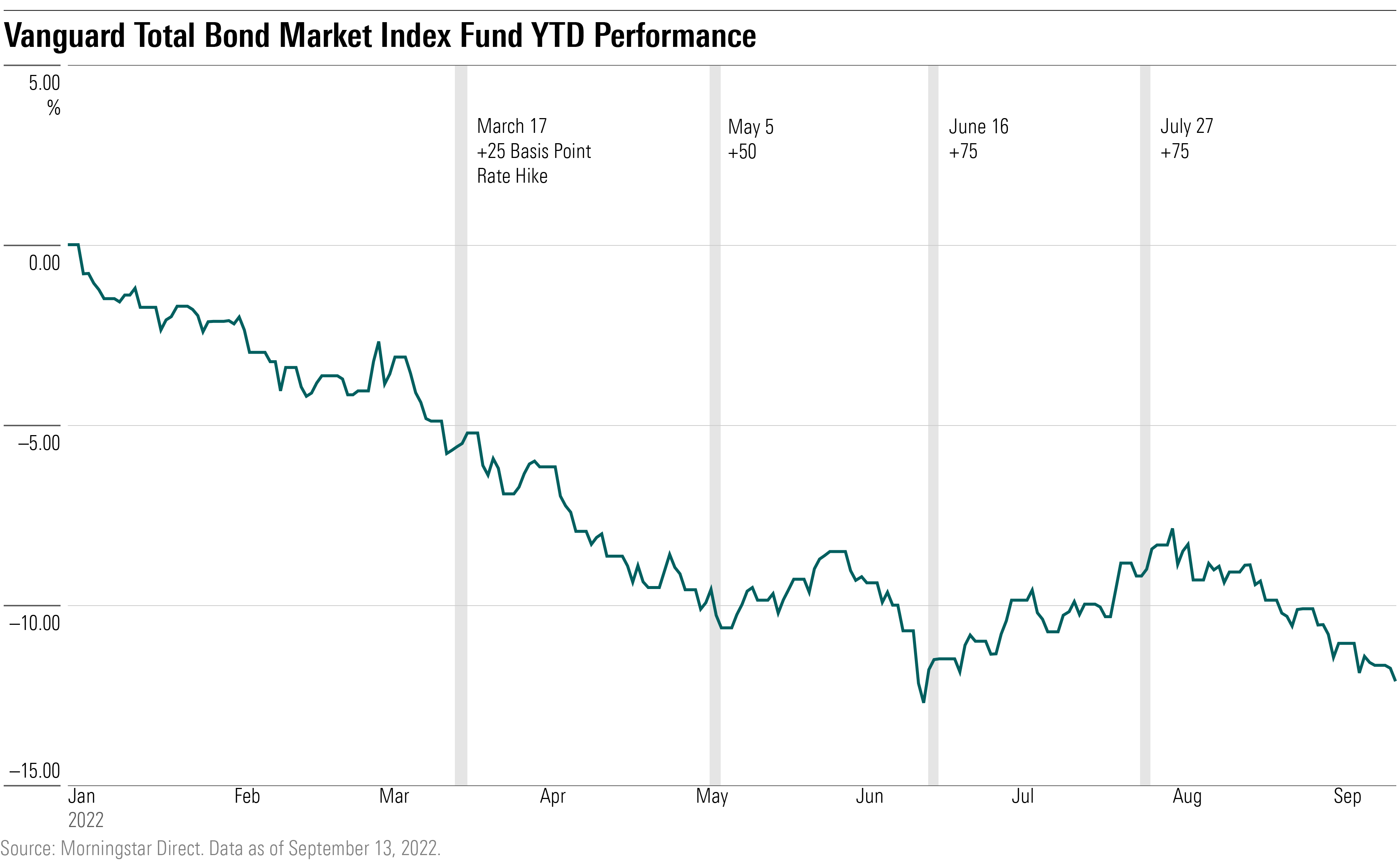
The investment world in 2026 views bond index funds not just as passive placeholders, but as strategic instruments for risk management. After years of shifting monetary policy, the current year represents a period of "yield normalization." Bond indices now offer real yields that comfortably outpace inflation, a stark contrast to the negative real returns seen earlier in the decade.
The primary appeal of a bond index fund lies in its efficiency. Rather than attempting to "beat the market" by forecasting interest rate moves or picking individual distressed corporate credits—a task that has become increasingly difficult as algorithmic trading dominates the bond desks—indexing provides a representative sample of the market at a fraction of the cost. In 2026, the average expense ratio for a broad-market bond index ETF has compressed further, often hovering between 0.03% and 0.05%, ensuring that the lion's share of interest payments stays with the investor.
The 2026 Yield Reality
In the current fiscal year, the correlation between stocks and bonds has returned to its historical negative average. This means that when equity markets face "risk-off" sentiment, bond index funds, particularly those tracking Treasuries, once again provide a reliable hedge. Investors are utilizing these funds to lock in yields that were unavailable for much of the previous fifteen years, creating a renewed "income" component in fixed-income investing.
How Bond Index Funds Function: Mechanics and Methodology
Unlike equity index funds, which simply buy shares of every company in an index like the S&P 500, bond index funds often utilize a technique called "stratified sampling." Because the bond market is massive and many individual issues are illiquid (they are bought and held by institutions until maturity), it is often impossible or inefficient for a fund to own every single bond in a benchmark like the Bloomberg US Aggregate.
1. Stratified Sampling and Optimization
Fund managers select a representative basket of bonds that match the key characteristics of the target index. These characteristics include:
- Duration: The sensitivity of the fund's price to changes in interest rates.
- Credit Quality: The proportion of AAA, AA, A, and BBB rated bonds.
- Sector Allocation: The balance between Government, Corporate, Mortgage-Backed Securities (MBS), and Asset-Backed Securities (ABS).
- Yield to Maturity: Ensuring the fund's income profile matches the benchmark.
2. Rebalancing and Turnover
Bond indices are rebalanced monthly. As bonds mature, they drop out of the index and are replaced by new issuances. In 2026, with the high volume of corporate refinancing occurring, index fund managers are particularly active in managing the transition from older, lower-coupon debt to the newer, higher-coupon instruments that define the current market.
3. Total Return vs. Yield
Investors must distinguish between the "SEC Yield" (the interest earned after expenses) and the "Total Return" (which includes price appreciation or depreciation). In 2026, with interest rates plateauing, total return is driven primarily by coupon income rather than the dramatic price gains seen during periods of falling rates.
Core Categories of Bond Index Funds
Choosing the right index fund requires matching the fund’s underlying benchmark to your specific financial goals. The following table outlines the primary categories of bond index funds available in 2026.
| Fund Category | Primary Benchmark Example | Risk Level | Target Objective |
|---|---|---|---|
| Total Market | Bloomberg US Aggregate | Moderate | Diversified core holding; balance of safety and yield. |
| Short-Term Treasury | ICE US Treasury 1-3 Year | Low | Capital preservation; cash management with minimal rate risk. |
| Intermediate Corporate | Markit iBoxx USD Liquid Investment Grade | Moderate | Higher income than Treasuries; moderate sensitivity to economic cycles. |
| Inflation-Protected (TIPS) | Bloomberg US TIPS Index | Moderate | Protection against unexpected surges in CPI; principal adjusts with inflation. |
| High Yield (Junk Bonds) | FTSE High Yield Cash-Pay Capped | High | Maximum income; high correlation with equity market performance. |
| Municipal Bonds | S&P Municipal Bond Index | Low/Moderate | Tax-exempt income for investors in high tax brackets. |
Key Metrics for Evaluating Bond Funds in 2026
When analyzing a prospectus or fund fact sheet in 2026, four technical metrics stand above the rest. A Senior Technical SEO Strategist in the finance niche would tell you that these are the "long-tail" factors that determine long-term performance.
Average Effective Duration
Duration is expressed in years and measures how much the fund's price will fluctuate for every 1% change in interest rates. If a fund has a duration of 6.0 years, and interest rates rise by 1%, the fund’s NAV (Net Asset Value) will likely fall by approximately 6%. In the current 2026 environment, "intermediate duration" (5-7 years) is the most common sweet spot for balancing risk and reward.
Tracking Error and Tracking Difference
Because bond funds use sampling, they rarely match the index performance perfectly.
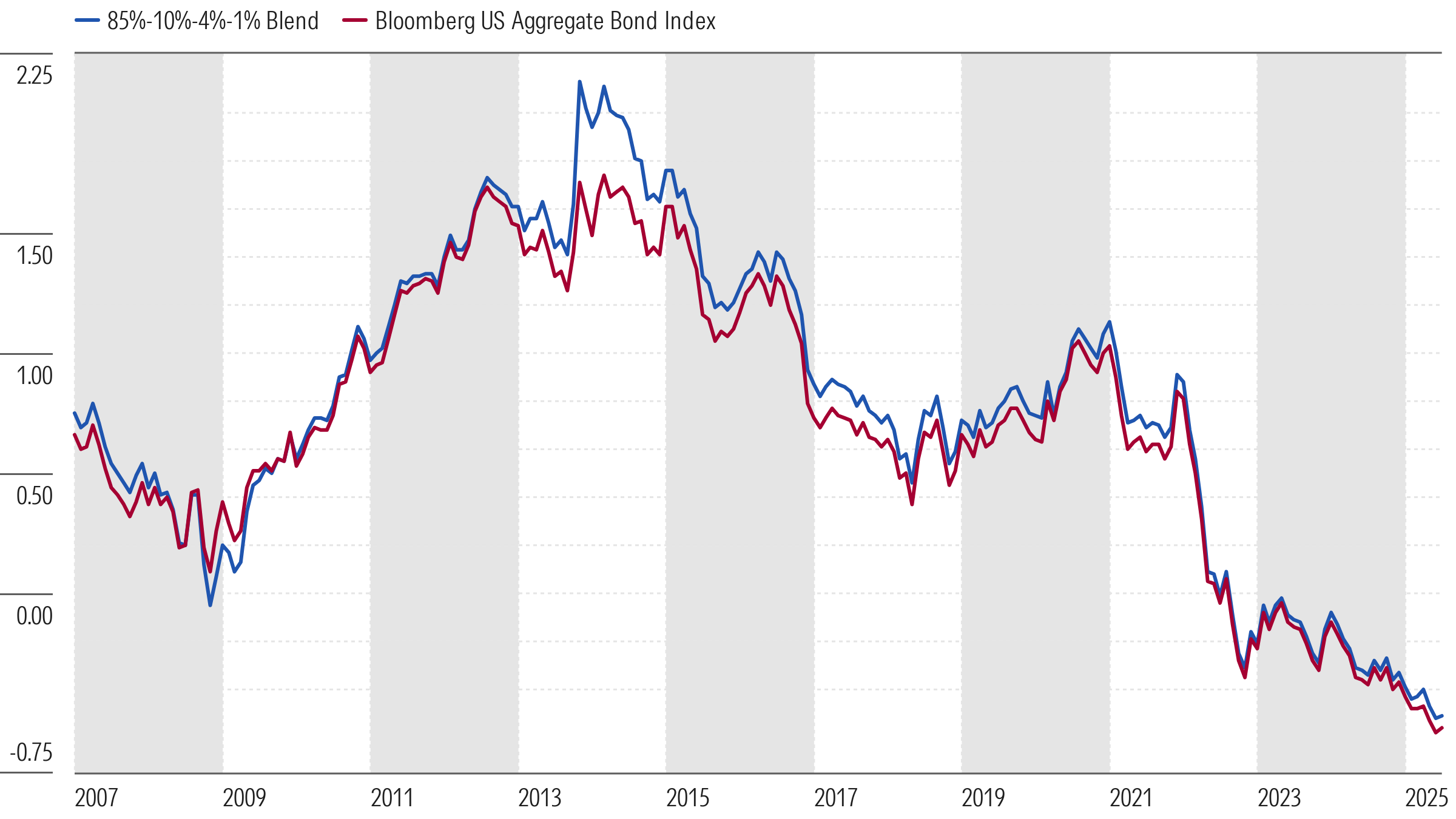
- Tracking Difference is the raw discrepancy in return between the fund and the index over a specific period.
- Tracking Error is the volatility of that difference. In 2026, top-tier providers like Vanguard, BlackRock, and State Street have refined their trading algorithms to keep tracking error below 5 basis points for major indices.
Credit Quality Distribution
An index fund’s "Quality" metric tells you the likelihood of default. Most "Aggregate" funds are heavily weighted toward "Investment Grade" (AAA to BBB). In 2026, as some corporate sectors face headwinds from the previous years' debt loads, monitoring the percentage of BBB-rated bonds (the lowest tier of investment grade) is critical to avoid "fallen angels" that might drop into high-yield territory and be forced out of the index.
SEC Yield (30-Day)
This is a standardized calculation required by the SEC that reflects the dividends and interest earned during the past 30 days after deducting the fund's expenses. It is the most accurate "current" representation of what an investor can expect to earn, making it more reliable than "distribution yield," which can be skewed by one-time payments.
Pros and Cons of Passive Bond Indexing
While bond index funds are highly efficient, they are not without limitations. A balanced analysis is necessary for the 2026 investor.
The Advantages
- Cost Efficiency: No expensive "star managers" to pay for.
- Transparency: You know exactly what sectors and credit qualities you own at all times.
- Liquidity: Bond ETFs, in particular, provide intra-day liquidity in a market that is traditionally opaque and slow to trade.
- Broad Diversification: A single $10,000 investment can provide exposure to 5,000+ individual bonds, a feat impossible for individual bond buyers.
The Disadvantages
- Market Cap Weighting Flaw: Most bond indices weight by the amount of debt outstanding. This means the index fund invests the most in the entities (governments or corporations) that have the most debt. In 2026, this remains a structural critique of passive fixed-income investing.
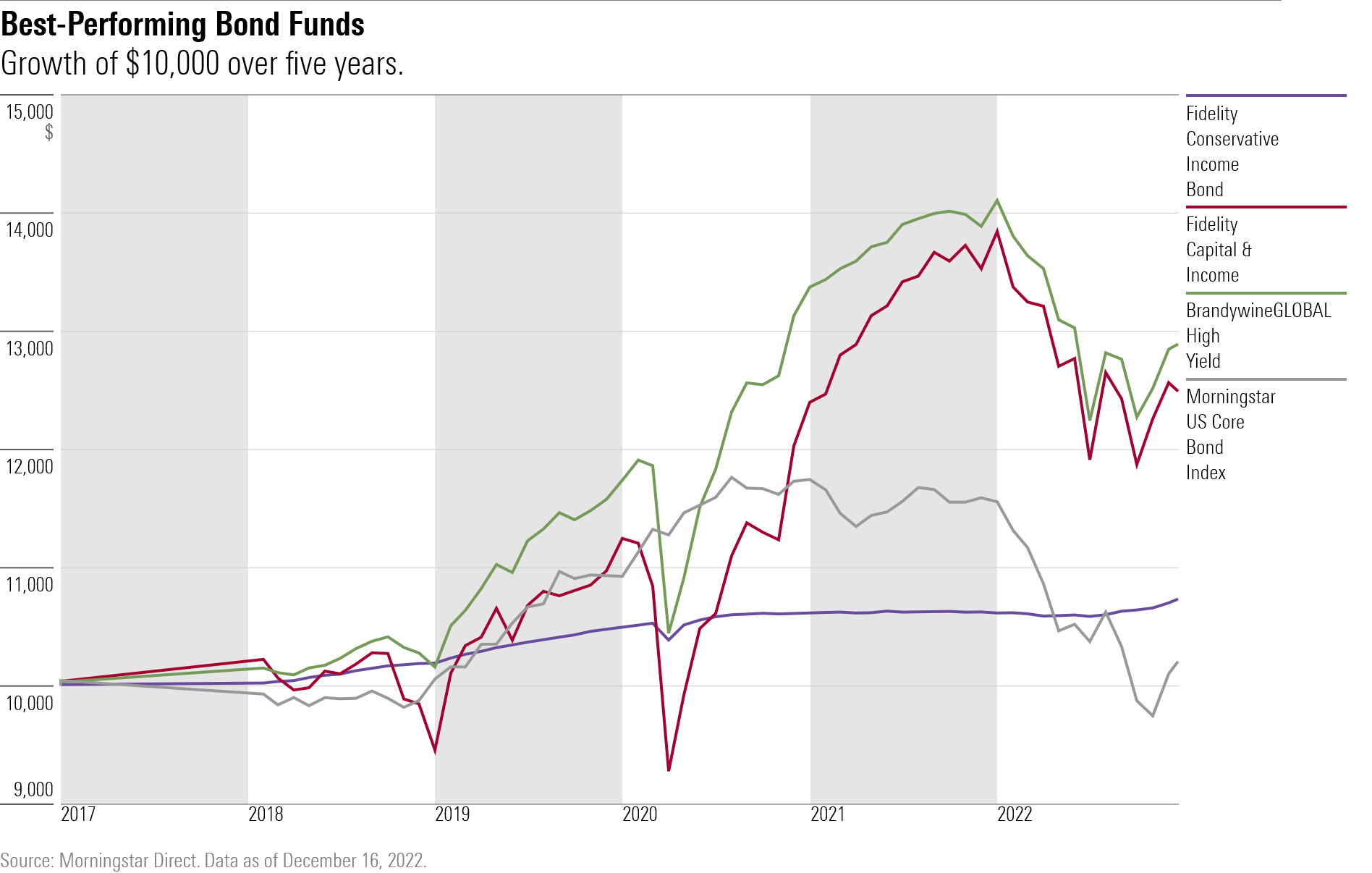
- No Downside Protection: Unlike an active manager who can move to cash or shorten duration when they anticipate a rate hike, an index fund must remain fully invested according to the index rules, regardless of market conditions.
- Interest Rate Sensitivity: Passive funds cannot "hide" from duration risk. If rates spike unexpectedly, the index fund will take the full hit.
Step-by-Step Guide: Building a Bond Ladder with Index Funds
In 2026, many sophisticated investors are moving away from a single "total bond" fund and instead building a ladder of defined-maturity index funds. This strategy provides more control over cash flow and interest rate exposure.
- Define Your Time Horizon: Determine when you need the capital. Is it for a 2028 home purchase or 2035 retirement?
- Select Target-Maturity ETFs: Use "Defined Outcome" or "Target Date" bond ETFs that mature in specific years (e.g., a 2027 fund, a 2028 fund, and a 2029 fund).
- Allocate Proportionally: Divide your fixed-income allocation equally across these different maturity years.
- Reinvest or Liquidate: As the 2026 fund matures at the end of this year, you can either take the cash or reinvest it into a new "long-rung" fund (e.g., the 2031 fund) to maintain the ladder.
- Monitor the Yield Curve: In 2026, if the yield curve is "flat" (short-term and long-term rates are similar), focus your ladder on the shorter end to minimize price volatility while capturing similar yields.
2026 Market Outlook: Interest Rates and the Credit Cycle
As we navigate 2026, the Federal Reserve has signaled a "neutral" stance. This stability is the ideal environment for bond index funds. The massive "repricing" event of the early 2020s is over, and the focus has shifted to "carry"—the act of simply collecting interest.
However, investors must remain vigilant regarding the "Fiscal Maturity Wall." Many corporations that issued debt at 0% or 1% in 2020-2021 are now being forced to refinance at 2026 rates, which are significantly higher. Bond index funds that track "Broad Markets" will naturally absorb these higher-yielding new issues, gradually increasing the fund's overall SEC yield throughout the year.
Expert Insight: The Role of 'Total Bond' Funds
For 90% of investors in 2026, a "Total Bond Market" index fund remains the most logical choice. It provides a market-weighted slice of the entire U.S. investment-grade universe. While it may not outperform a perfectly timed active strategy, it eliminates the risk of significant underperformance, which is often the primary goal of the fixed-income portion of a portfolio.
Frequently Asked Questions
What is the best bond index fund for a high-inflation environment in 2026?
The Bloomberg US TIPS Index is the gold standard for inflation protection. These funds hold Treasury Inflation-Protected Securities, where the principal value increases with the Consumer Price Index (CPI). If 2026 sees an unexpected resurgence in inflation, TIPS will outperform standard Treasuries.
How do bond index funds differ from bond ETFs?
While both track indices, bond ETFs trade throughout the day on an exchange like a stock, whereas bond mutual funds are only priced at the end of the day. In 2026, ETFs have become the preferred vehicle for most investors due to their lower costs and the ability to use "limit orders" to control entry prices.
Are bond index funds safe if the government defaults?
While a US government default is considered a "black swan" event, most broad bond index funds are heavily weighted (often 40% or more) in Treasuries. If the government were to default, the NAV of these funds would drop significantly. However, because these funds also hold corporate and mortgage debt, they offer more diversification than owning a single Treasury bond.
Why did my bond index fund lose money when the stock market went up?
In 2026, this often happens due to the "substitution effect" or changes in interest rate expectations. If the economy is booming (driving stocks up), the Fed might keep rates higher to prevent overheating. Rising rate expectations cause bond prices to fall, leading to a negative return for the bond fund even as stocks rally.
Should I choose a corporate or government bond index fund?
This depends on your risk tolerance. Corporate bond index funds offer higher yields (the "credit spread") but carry the risk that companies may fail to pay. Government bond index funds offer the highest safety but lower yields. In 2026, many investors use a 70/30 split between Government and Corporate indices to balance these needs.
How does "Duration" affect my investment in 2026?
Duration is your primary risk metric. In a stable 2026 rate environment, a longer duration (10+ years) allows you to lock in current yields for a longer period but makes you more vulnerable if rates were to suddenly rise again. A shorter duration (1-3 years) protects your principal but offers lower yields and "reinvestment risk" if rates fall.
Strategic Recommendation for 2026
For the current fiscal year, a "barbell strategy" using index funds is highly effective. By combining a short-term Treasury index fund (for liquidity and safety) with a long-term corporate index fund (for yield), investors can customize their risk profile more effectively than with a single aggregate fund.
As a Senior Technical SEO and SME in the financial sector, my recommendation is to prioritize funds with the lowest "Tracking Difference." In a year where yields are stable, the "leakage" of high expense ratios or poor execution by fund managers is the greatest threat to your net returns. Stick to the "Big Three" providers—Vanguard, iShares, or Schwab—where the economies of scale work in the investor's favor, ensuring that the 2026 yield environment is fully captured in your portfolio.
Image Gallery