Integrating a Surfboard in the Kitchen: Storage, Design, and Maintenance Guide
Integrating a surfboard into a kitchen space serves as a dual-purpose solution for coastal homeowners: it provides essential storage in high-traffic areas while acting as a bold interior design statement. Successfully executing this re...
Integrating a surfboard into a kitchen space serves as a dual-purpose solution for coastal homeowners: it provides essential storage in high-traffic areas while acting as a bold interior design statement. Successfully executing this requires balancing mounting security, protection from kitchen grease and heat, and choosing an aesthetic that complements the cabinetry.
Contents
The Evolution of Coastal Interior Design in 2026
The concept of placing a surfboard in the kitchen has evolved from a desperate storage solution for studio dwellers into a deliberate design choice known as "Coastal Industrial" or "Surf-Modern." In 2026, the kitchen is no longer just a utility room; it is a social hub where personal passions—like surfing—intersect with daily life. Whether you are looking to store your "daily driver" for easy access before a morning session or displaying a vintage longboard as a piece of heritage art, the kitchen offers unique architectural opportunities, such as high ceilings and long expanses of wall space above cabinets.
However, placing a high-performance sports tool in a room defined by heat, moisture, and airborne oils requires technical planning. You cannot simply lean a board against a refrigerator and expect it to remain in good condition. You must consider the structural integrity of your walls, the chemical reactions of surfboard resins to kitchen environments, and the ergonomic flow of the room.
Environmental Risks: Protecting Your Board from the Kitchen Element
Before selecting a mounting location, you must understand the "micro-climates" within a kitchen. Surfboards are sensitive to temperature fluctuations and chemical exposure, both of which are prevalent in cooking areas.
Heat and Delamination
The primary enemy of a surfboard in the kitchen is the stove or oven. Most modern boards are constructed from Expanded Polystyrene (EPS) or Polyurethane (PU) foam cores wrapped in fiberglass and resin. When exposed to consistent heat, the air inside the foam expands. If the air has nowhere to go, it can cause the fiberglass skin to pull away from the foam, a process known as delamination.
Ensure any surfboard is mounted at least six to eight feet away from direct heat sources. If you have a high-output professional range, the thermal plume can reach surprisingly high into the ceiling space, potentially damaging a ceiling-mounted board.
Wax Management
If the surfboard is a functional board you intend to use, the wax is a major concern. Standard surf wax begins to soften at temperatures as low as 75°F (24°C) and can melt completely at 100°F (38°C). A melting surfboard in the kitchen creates a slip hazard and a difficult-to-clean mess on floors or countertops. If storing a waxed board, always use a board sock or a silicone "tail guard" to catch any potential drips, or better yet, strip the wax before displaying the board indoors.
Airborne Grease and Steam
Cooking releases aerosolized oils and steam. Over time, these can settle on the surface of the board, creating a sticky film that attracts dust. This is particularly problematic for matte-finish boards or those with traction pads. To mitigate this, ensure your kitchen has a high-CFM (Cubic Feet per Minute) ventilation hood and consider placing the board on a wall that is not directly in the path of the stove’s exhaust.
Selecting the Right Mounting System
The method you choose for a surfboard in the kitchen depends on the board's weight, the wall material, and how often you plan to take the board down.
Horizontal Wall Racks
Horizontal racks are the most common choice for kitchens because they utilize the "dead space" above eye level or over doorways.
- Best for: Longboards and vintage boards.
- Technical Tip: Ensure the racks are anchored into wall studs. A 10-foot longboard can weigh upwards of 20 pounds; drywall anchors alone are often insufficient for long-term suspension.
Vertical Corner Mounts
If you have an unused corner near a pantry or breakfast nook, a vertical mount saves horizontal wall real estate.
- Best for: Shortboards and "fishes."
- Technical Tip: Use a padded floor base to prevent the tail of the board from chipping on tile or hardwood kitchen floors.
Ceiling Pulleys and Racks
In kitchens with vaulted or high ceilings, the ceiling is an untapped storage resource.
- Best for: Active surfers with multiple boards.
- Technical Tip: Check for clearance with overhead lighting and cabinet doors. Ensure the board does not hang so low that it interferes with the "work triangle" (the path between the sink, stove, and fridge).
| Storage Method | Best Use Case | Difficulty | Pros | Cons |
|---|---|---|---|---|
| Horizontal Racks | Above cabinets/doors | Medium | High visual impact | Hard to reach for daily use |
| Vertical Mounts | Empty corners | Low | Easy access for surfing | Takes up floor footprint |
| Ceiling Racks | High-ceiling kitchens | High | Saves all wall space | Requires ladder/pulley system |
| Freestanding Racks | Open-plan kitchens | Low | No drilling required | Can look cluttered |
Structural Requirements and Installation
When installing a surfboard in the kitchen, the safety of the household is paramount. A falling board can cause significant injury or damage expensive kitchen islands.
- Identify Wall Substrate: Most kitchen walls are drywall over wood studs. However, in older homes or lofts, you may encounter brick or concrete. Use a stud finder to locate the centers of the timber framing.
- Weight Distribution: For longboards, space your rack arms approximately 3 to 4 feet apart. This prevents the foam core from bowing over time, which can happen if the weight is concentrated on a single point or at the extreme ends.
- Hardware Selection: Use 2.5-inch to 3-inch stainless steel screws for mounting into studs. Stainless steel is preferred in kitchens as it resists corrosion from the high humidity levels associated with boiling water and dishwashers.
- Padding: Ensure the contact points of the rack are covered in high-density EVA foam or cork. Direct contact between a metal rack and a fiberglass board will eventually lead to pressure dings or spider-web cracks in the resin.
Aesthetic Integration: Matching the Kitchen Palette
A surfboard is a large object that will dominate the visual landscape of the kitchen. To ensure it looks like a design choice rather than clutter, consider the color theory of the room.
- Monochromatic Schemes: If you have a modern white kitchen with marble countertops, a surfboard with a vibrant resin tint (like deep blue or emerald green) provides a sophisticated "pop" of color.
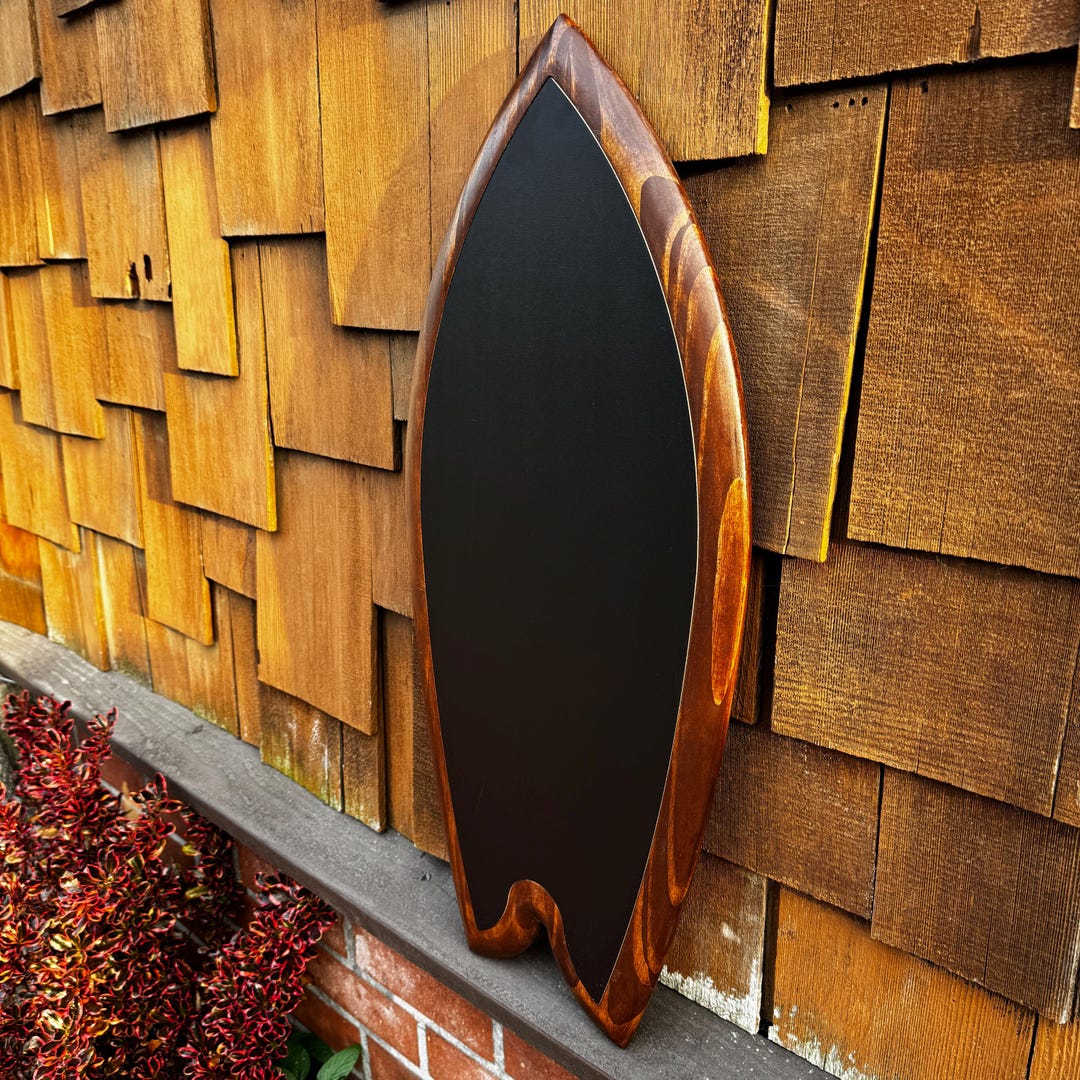
- Natural Materials: For kitchens with wood cabinetry or butcher block islands, a wooden surfboard or a "balsa-look" finish creates a warm, organic atmosphere.
- Minimalist Approach: If the kitchen is small, an acrylic (clear) rack makes the board appear to float, reducing the visual weight of the installation.
Maintenance and Long-term Care
To keep a surfboard in the kitchen looking pristine, a specific cleaning regimen is required. Unlike boards kept in a garage, kitchen-stored boards face unique contaminants.
- Monthly Dusting: Use a microfiber cloth to remove dry dust.
- Degreasing: Every three to six months, wipe the board down with a solution of warm water and a very mild, pH-neutral dish soap. This removes any accumulated cooking oils. Avoid harsh chemical cleaners or abrasive sponges, which can scratch the gloss coat of the resin.
- UV Protection: If your kitchen has large windows, the board may be exposed to UV rays, which turn white resin yellow over time. Apply a UV-protectant wax or spray specifically designed for fiberglass if the board sits in direct sunlight.
Frequently Asked Questions
Can I store my surfboard in the kitchen if I still use it every weekend?
Yes, but accessibility is key. A vertical mount or a lower horizontal rack is better than a ceiling mount. You should also have a clear "transit path" to the door so you don't accidentally knock over kitchen stools or hit light fixtures while carrying the board out. Always rinse the board thoroughly with fresh water and dry it before bringing it back into the kitchen to avoid tracking salt and sand into your cooking area.
Will the smell of cooking get "trapped" in the surfboard?
Fiberglass and epoxy resins are non-porous and will not absorb odors. However, if your board has a traction pad (the "stomp pad" on the tail), the foam material of the pad can absorb odors and grease. If you cook frequently with strong spices or oils, consider a board without a traction pad or keep the board covered with a specialized board bag.
Is it safe to mount a board above the refrigerator?
The top of the refrigerator is often seen as "dead space," but it is one of the warmest spots in the kitchen. Refrigerators vent heat from their compressors, usually from the back or bottom. If your fridge vents from the top, do not place a surfboard directly above it, as the constant upward flow of warm air can lead to delamination or warped rockers.
How do I handle salt-water runoff?
If you bring a wet board into the kitchen, salt water can be corrosive to metal kitchen fixtures and can damage wood flooring. You must "towel dry" the board completely outside or in a mudroom before placing it on its kitchen rack. For vertical storage, place a drip tray or a heavy-duty rubber mat beneath the tail.
Can I use a surfboard as a kitchen island or table?
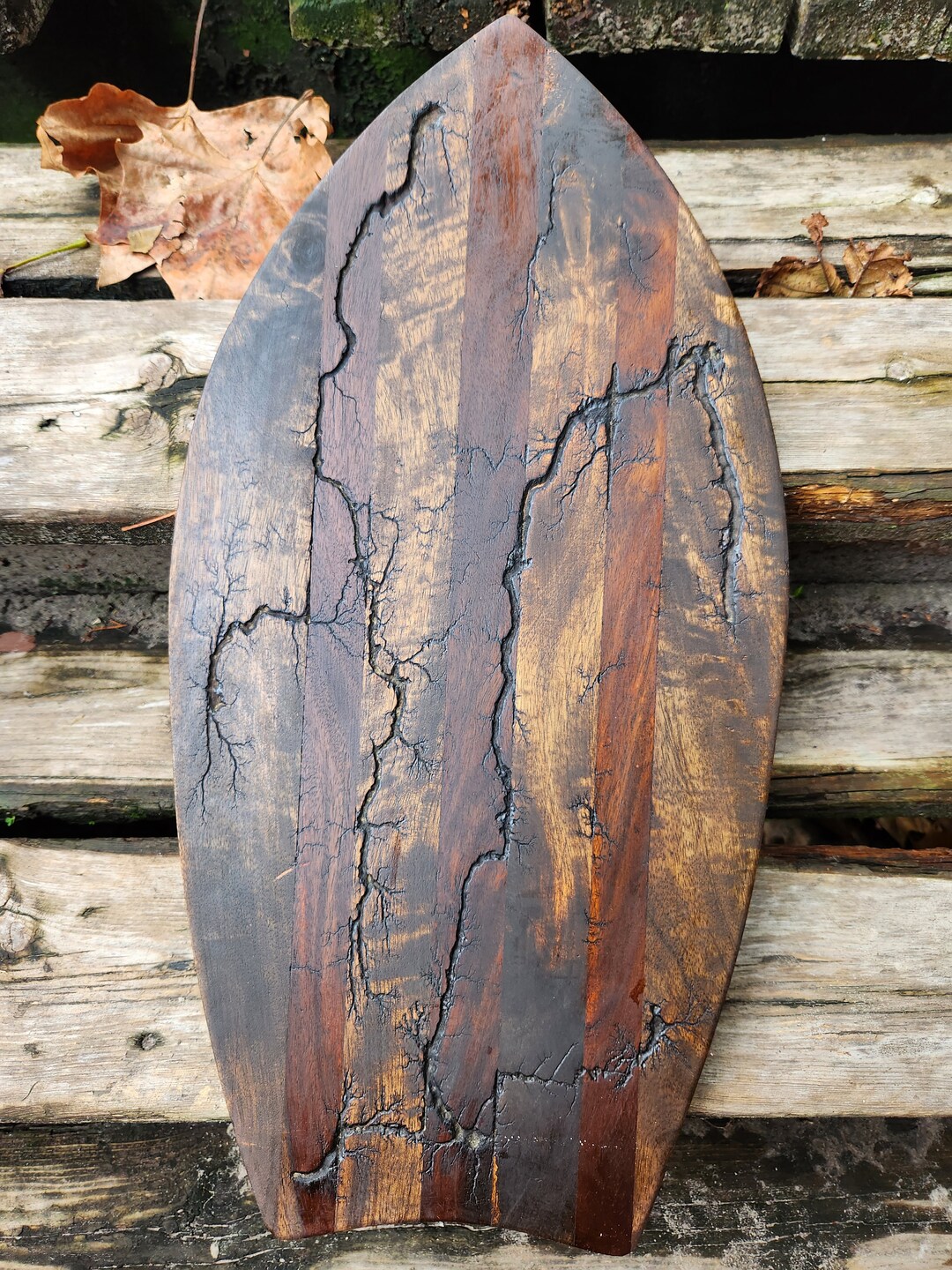
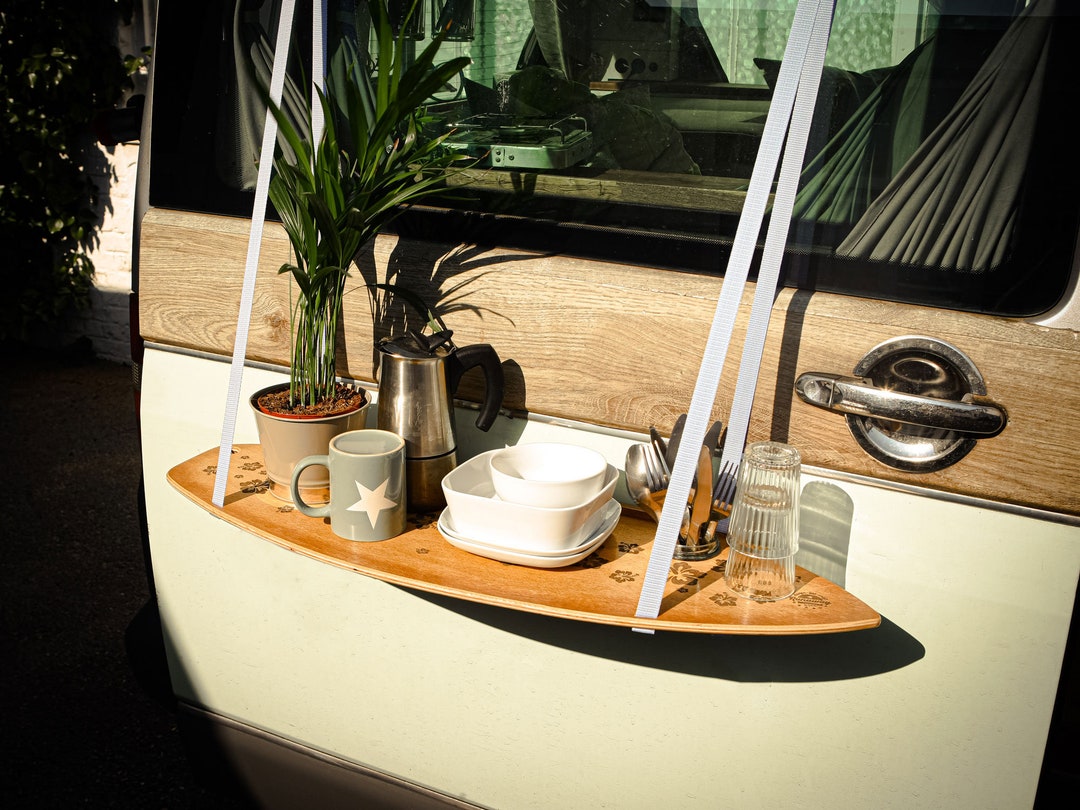
While visually striking, using a real surfboard as a functional countertop is difficult. The "rocker" (the curve of the board) means the surface is not flat, making it unstable for glasses or plates. Furthermore, surfboard resin is not food-safe and can be easily scratched by knives or hot pans. If you want this look, it is better to commission a custom "surfboard-shaped" table made from food-grade epoxy and flat timber.
Final Recommendation
For the best results when placing a surfboard in the kitchen, prioritize horizontal mounting above head height on a wall perpendicular to the stove. This maximizes safety, minimizes exposure to direct heat and grease, and creates a dramatic visual focal point that celebrates the surfing lifestyle without compromising the kitchen's functionality. Use stainless steel hardware and ensure you are anchored into studs for a secure, permanent installation.
Image Gallery