Navigating the Top International Accounting Certifications for 2026 Global Careers
An international accounting certification is a professional credential recognized across multiple borders, validating an individual’s mastery of global financial standards, auditing, and management accounting. The most prominent design...
An international accounting certification is a professional credential recognized across multiple borders, validating an individual’s mastery of global financial standards, auditing, and management accounting. The most prominent designations include the ACCA (Association of Chartered Certified Accountants), US CPA (Certified Public Accountant), and CIMA (Chartered Institute of Management Accountants), each serving different career trajectories in global finance.
Contents
The landscape of global finance in 2026 demands more than local tax knowledge; it requires a deep understanding of International Financial Reporting Standards (IFRS), cross-border regulatory compliance, and increasingly, Environmental, Social, and Governance (ESG) reporting. For professionals seeking to work in multinational corporations, big-four audit firms, or international NGOs, obtaining a globally portable certification is no longer optional—it is a prerequisite for high-level advancement.
Why Pursue an International Accounting Certification?
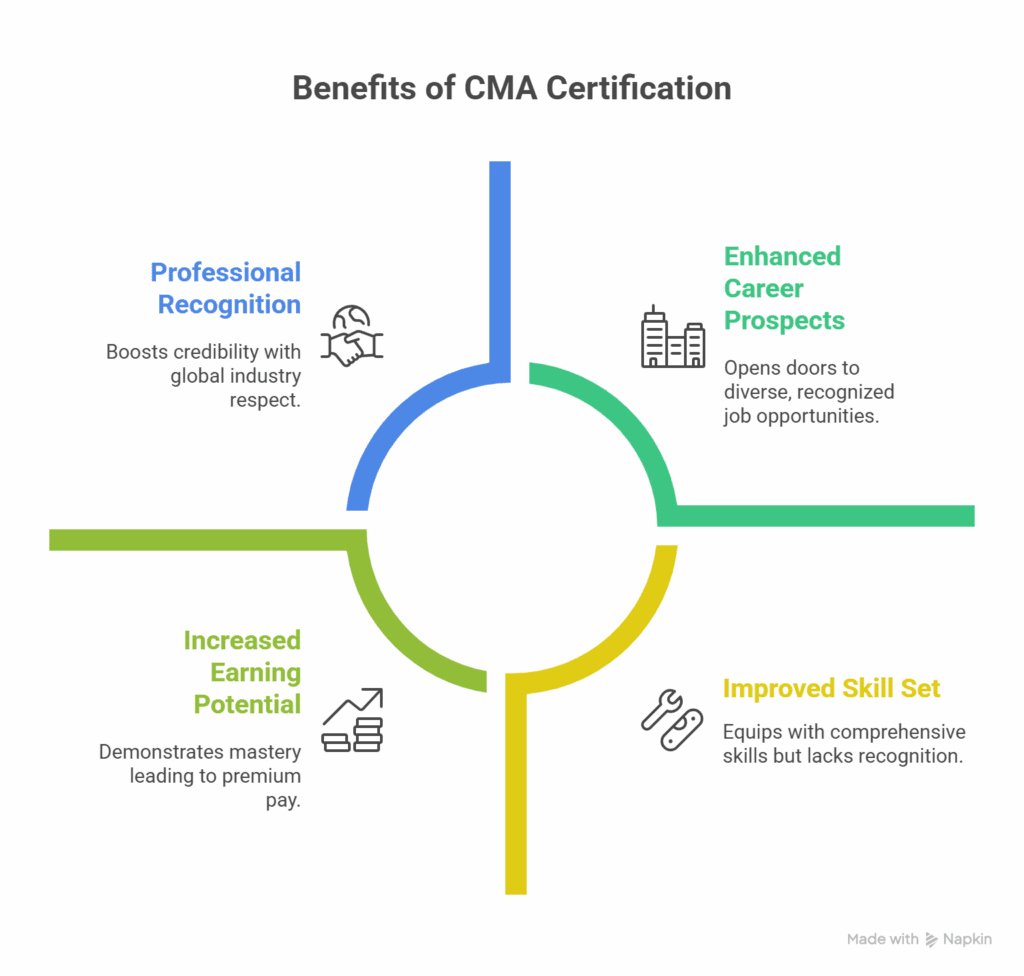
The decision to pursue an international credential involves a significant investment of time and capital. However, the return on investment (ROI) is generally reflected in three core areas: global mobility, specialized technical expertise, and increased earning potential.
Global Portability and Mobility
Unlike localized licenses, international certifications often have Mutual Recognition Agreements (MRAs) or reciprocal arrangements. For instance, an ACCA member may find it significantly easier to gain local recognition in various Commonwealth countries, while a US CPA is highly sought after in any market where American capital is invested. This mobility allows professionals to pivot between regions such as the Middle East, Europe, and Asia without restarting their education from scratch.
Mastery of Global Standards
While local certifications focus on national tax codes and laws, international designations emphasize IFRS and US GAAP. As more than 140 jurisdictions now require or permit IFRS for publicly accountable companies, being "fluent" in these standards is essential. Furthermore, international bodies have updated their 2026 curricula to include heavy emphasis on digital transformation and data analytics, ensuring candidates can navigate modern Enterprise Resource Planning (ERP) systems.
Competitive Salary and Leadership Roles
Data consistently shows that professionals with international designations command salaries 20% to 40% higher than their non-certified counterparts. These credentials are often a mandatory requirement for roles such as Financial Controller, Chief Financial Officer (CFO), or Audit Partner in global firms.
Top International Accounting Certifications in 2026
Choosing the right path depends on your career goals—whether you aim for public accounting, corporate management, or internal oversight.
1. ACCA (Association of Chartered Certified Accountants)
The ACCA is perhaps the most "international" of all accounting bodies, with a presence in over 180 countries. Its curriculum is divided into three main stages: Applied Knowledge, Applied Skills, and Strategic Professional.
- Focus: Comprehensive accounting, including financial reporting, audit, and tax under IFRS.
- Structure: 13 exams (unless exemptions apply) and three years of relevant work experience.
- 2026 Update: In 2026, the ACCA continues to emphasize its "Ethics and Professional Skills" module, which now includes advanced simulations on climate-related financial disclosures.
2. US CPA (Certified Public Accountant)
The US CPA remains the gold standard for anyone looking to work with US-based multinationals or in the American financial markets. Administered by the AICPA (American Institute of Certified Public Accountants) and NASBA, the certification process is rigorous.
- Focus: US GAAP, GAAS (auditing standards), and business law.
- The 2024 Evolution Model: By 2026, the "CPA Evolution" model is fully matured. Candidates take three core exams (Financial Accounting and Reporting, Auditing and Attestation, and Taxation and Regulation) and choose one "Discipline" exam to demonstrate deeper knowledge in areas like Information Systems and Controls (ISC) or Business Analysis and Reporting (BAR).
3. CIMA / CGMA (Chartered Institute of Management Accountants)
If your interest lies in the "business" side of finance—strategy, budgeting, and performance management—CIMA is the leading choice. Through a joint venture with the AICPA, CIMA members also hold the CGMA (Chartered Global Management Accountant) designation.
- Focus: Management accounting and strategic business leadership.
- Structure: A combination of objective tests and case study exams that simulate real-world business scenarios.
4. CIA (Certified Internal Auditor)
The CIA, offered by the Institute of Internal Auditors (IIA), is the only globally accepted certification for internal auditors. As corporate governance and risk management become more complex in 2026, the CIA has seen a surge in demand.
- Focus: Risk management, internal control environment, and information technology security.
- Advantage: It is a shorter path than the CPA or ACCA, usually consisting of three exam parts.
Comparative Overview of Leading Designations
The following table compares the primary international accounting certifications available in 2026 to help you determine which aligns with your professional background.
| Certification | Governing Body | Primary Focus | Exam Parts | Estimated Time |
|---|---|---|---|---|
| ACCA | ACCA Global | IFRS, Audit, Tax | 13 Exams | 3–4 Years |
| US CPA | AICPA / NASBA | US GAAP, Tax, Audit | 4 Sections | 12–18 Months |
| CIMA/CGMA | CIMA | Business Strategy | 12+ Objective / 3 Case | 3–6 Years |
| CMA | IMA | Financial Planning | 2 Parts | 12–24 Months |
| CIA | IIA | Internal Audit/Risk | 3 Parts | 12–18 Months |
Prerequisites and Eligibility Requirements
Before committing to a program, you must verify that you meet the baseline educational and professional requirements.
Academic Background
Most international bodies require at least a bachelor’s degree. The US CPA is notably strict, generally requiring 150 semester hours of college credit (the "150-hour rule"), which often necessitates a Master’s degree or additional post-graduate credits. Conversely, the ACCA offers an entry route for those without a degree through their "Foundations in Accountancy" track, making it more accessible to students starting their professional journey early.
Professional Experience Requirement (PER)
Passing the exams is only half the battle. To be fully "chartered" or "certified," most bodies require documented work experience:
- ACCA: 36 months of supervised experience in a relevant accounting or finance role.
- CPA: Generally 1–2 years of experience under the supervision of a licensed CPA (rules vary by US state).
- CMA: 2 continuous years of professional experience in management accounting or financial management.
2026 Cost Considerations and Investment
In 2026, the cost of international certification includes registration fees, annual subscriptions, exam fees, and study materials. While prices vary by region, here are the general estimates:
- Direct Fees: For the US CPA, expect to pay between $2,500 and $3,500 for application and exam fees. For the ACCA, the total cost over three to four years typically ranges from $2,000 to $4,000, depending on how many exemptions you receive.
- Review Courses: Most candidates utilize third-party providers (such as Becker, Kaplan, or BPP). These can add $1,500 to $3,000 to your total investment.
- Maintenance: Annual membership dues are required to keep the letters after your name. These usually range from $250 to $500 per year.
The Role of ESG and Digital Transformation in 2026
A major shift in international accounting certifications over the last few years has been the integration of Sustainability Reporting. As the International Sustainability Standards Board (ISSB) has released its standards (IFRS S1 and S2), accounting bodies have rapidly integrated these into their professional exams.
In 2026, candidates are expected to understand how to audit carbon footprints, report on social impact, and integrate non-financial data into traditional financial statements. Furthermore, "digital proficiency" is no longer a separate skill. Exams now test your ability to use data visualization tools and interpret the outputs of Artificial Intelligence (AI) used in automated auditing processes.
Frequently Asked Questions
Which international accounting certification is the hardest?
The US CPA is often cited as the most difficult due to its high volume of technical material and the "18-month rule," which requires candidates to pass all four sections within a specific window. However, the ACCA's final Strategic Professional exams are also known for very low pass rates (often between 30% and 40%) because they require high-level analytical writing rather than just technical calculation.
Can I hold more than one certification?
Yes, many professionals hold multiple designations (e.g., CPA and CMA). This is often beneficial if you work in a role that bridges public accounting and corporate finance. Some bodies have "fast-track" agreements where having one certification exempts you from several papers of another.
Is the ACCA recognized in the United States?
While the ACCA is globally recognized, it does not grant the right to sign audit reports or practice as a CPA in the US. However, it is highly respected in the US by multinational corporations and for roles in management accounting or internal finance.
Do these certifications expire?
As long as you pay your annual dues and complete the required Continuing Professional Education (CPE) or Continuing Professional Development (CPD) hours, your certification remains active. If you fail to meet these requirements, you may lose the right to use the designation.
How do I choose between ACCA and US CPA?
If you plan to work in the UK, Commonwealth countries, or the Middle East, the ACCA is generally the preferred choice. If your career is focused on the US market, American multinational corporations, or if you intend to live in the US, the CPA is the mandatory path.
Strategic Recommendation
If you are just beginning your journey in 2026, start by identifying the geographic region where you intend to work for the next five years. If you are aiming for a versatile, global career without a specific country in mind, the ACCA offers the most flexible entry points and the widest international footprint. If you are already established in a corporate environment and want to move into leadership, the CMA or CIMA will provide the strategic tools necessary for executive roles. Regardless of the path, ensure you select a program that now includes ESG and Data Analytics, as these are the defining themes of the accounting profession in this decade.
Image Gallery