How Credit Life Insurance Is Offered to Borrowers: A Guide to Lending Protection
Credit life insurance is a specialized form of insurance offered to borrowers, primarily at the point of loan origination, designed to pay off a specified debt—such as a personal loan, auto loan, or credit card balance—in the event of...
Credit life insurance is a specialized form of insurance offered to borrowers, primarily at the point of loan origination, designed to pay off a specified debt—such as a personal loan, auto loan, or credit card balance—in the event of the borrower’s death. Lenders typically present this coverage as a voluntary add-on during the loan closing process, allowing the borrower to bundle the premium payments directly into their monthly loan installments or pay for the policy in a single upfront lump sum.
Contents
The Mechanism of the Offer
The offering process for credit life insurance is heavily integrated into the financial institution’s loan workflow. When a borrower applies for a loan, the lender or a designated loan officer functions as a producer or agent for the insurance carrier. This integration happens through a structured series of disclosures and prompts within the lending platform.
Because credit life insurance is generally optional, lenders are required by regulatory standards to present it as a separate, elective component of the financing package. It is rarely a mandatory condition for loan approval, though some lenders may strongly encourage it for borrowers who do not possess separate term life insurance. The offer usually occurs during the "closing" or "finalization" phase of the loan, where the borrower reviews their financial obligations and insurance protections simultaneously.
The Role of the Loan Officer and Digital Interfaces
In 2026, the delivery of these offers varies between traditional in-person banking and digital lending portals. In traditional environments, a loan officer explains the coverage, provides a brochure or disclosure document, and asks the borrower to sign an enrollment form if they choose to proceed.
Digital lending portals, however, have standardized the process through hard-coded logic. As a borrower moves through the online application steps, the software detects the loan amount and type, triggering a "protection plan" screen. This screen displays:
- The Benefit Amount: The specific loan balance the policy will cover.
- The Cost: Often shown as a small increase in the monthly payment.
- The Terms: A summary of conditions, such as exclusions for pre-existing health conditions or age limits.
Distinguishing Credit Life from Other Products
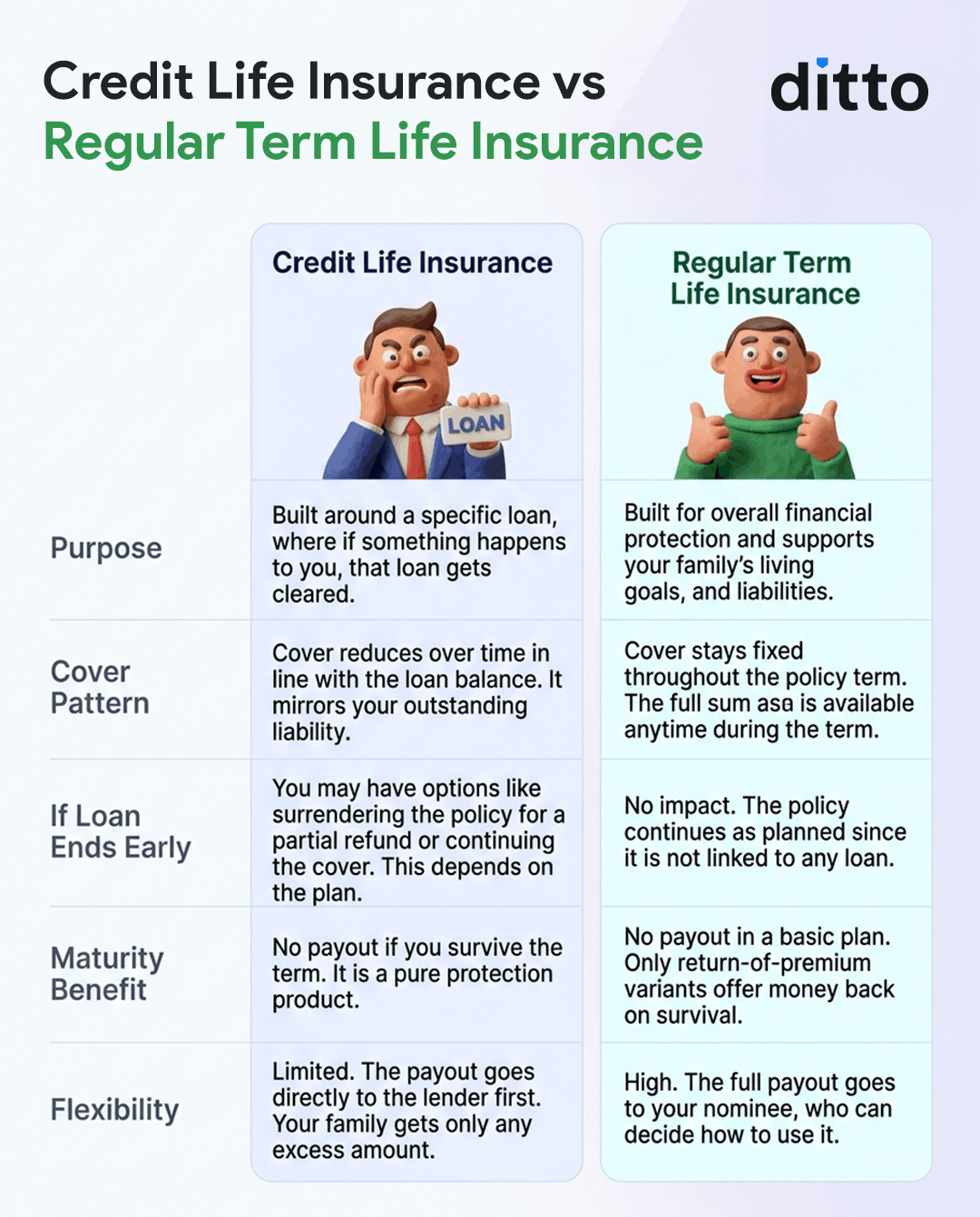
It is essential for borrowers to understand that credit life insurance is not a substitute for traditional life insurance. The primary distinction lies in the beneficiary and the payout structure. With traditional life insurance, the proceeds go to the individual’s named beneficiaries—such as a spouse or children—who can use the funds at their discretion. With credit life insurance, the lender is the beneficiary. If the borrower passes away, the insurer pays the lender directly to extinguish the debt.
Borrowers should evaluate this offer by comparing the "Cost-to-Benefit" ratio against their existing life insurance coverage. If a borrower already holds a substantial term life policy, adding credit life insurance may result in redundant coverage at a higher cost than necessary.
Factors Influencing Eligibility and Costs
Eligibility for credit life insurance is usually simplified compared to individual life insurance policies. Most credit life plans are "guaranteed issue" or "simplified issue," meaning the insurer does not require a comprehensive medical examination. Instead, eligibility is determined by age, employment status, and sometimes a few basic health questions.
The cost of these policies is usually determined by the loan amount and the length of the loan term. Because the benefit decreases as the loan balance is paid down, the premium structure is designed to reflect this diminishing risk. However, because the policy is often financed as part of the loan principal, borrowers should be aware that they may be paying interest on the insurance premium itself throughout the life of the loan.
Comparison of Credit Life vs. Standard Term Life
| Feature | Credit Life Insurance | Traditional Term Life Insurance |
|---|---|---|
| Beneficiary | The Lender | Named Individuals/Entities |
| Coverage Amount | Decreases with Loan Balance | Fixed for Policy Term |
| Underwriting | Minimal/Guaranteed Issue | Extensive (Medical Exam) |
| Flexibility | Tied to a Specific Debt | Portable/General Purpose |
| Cost Basis | Often a Flat/Bundled Fee | Based on Health/Age/Risk |
Regulatory Oversight and Consumer Protections
Regulatory bodies, including state insurance commissioners and the Consumer Financial Protection Bureau (CFPB), monitor the marketing and sale of credit insurance products. Because these products are sold within the lending process, there is a risk of "coercive" sales practices. Regulations require that lenders clearly state that the purchase of insurance is not a prerequisite for loan approval.
If you feel pressured to purchase credit life insurance as a requirement for your loan, it is a significant warning sign. Under fair lending practices, the choice to opt-in must be transparent, and the borrower must have a clear "opt-out" mechanism. Furthermore, consumers should scrutinize the "disclosure of premiums" section of their loan agreement to ensure they are not being charged for coverage they did not authorize.
Evaluating the Need: Is It Right for You?
Before accepting a credit life offer, conduct a quick audit of your current financial safety net. Ask yourself these three questions:
- Do I have existing life insurance? If your current policy is sufficient to cover your debts, including the new loan, credit life may be an unnecessary expense.
- What are the exclusions? Many credit life policies have "suicide clauses" or exclusions based on specific health events within a certain time frame. Ensure you understand these limitations.
- Is the premium reasonable? Calculate the total cost of the insurance premium over the term of the loan versus the total interest saved by not having the policy.
Common Troubleshooting and Next Actions
If you find yourself enrolled in a credit life policy by mistake or if you decide it no longer fits your financial goals, you generally have a "free-look" period—a specified timeframe following the purchase where you can cancel the policy for a full refund.
- Review your Loan Agreement: Look for the section titled "Credit Insurance Election" or similar.
- Contact the Lender: Use the formal cancellation process provided in the policy documents to notify them of your intent to drop the coverage.
- Check the Impact on Loan Payments: Ensure that the lender adjusts your monthly payment amount correctly once the insurance premium is removed.
If you decide to proceed with credit life insurance, keep a copy of the policy certificate in a secure, accessible location. Your executor or beneficiaries will need this documentation to file a claim in the event of your death, as they may not be aware that the policy exists.
Image Gallery