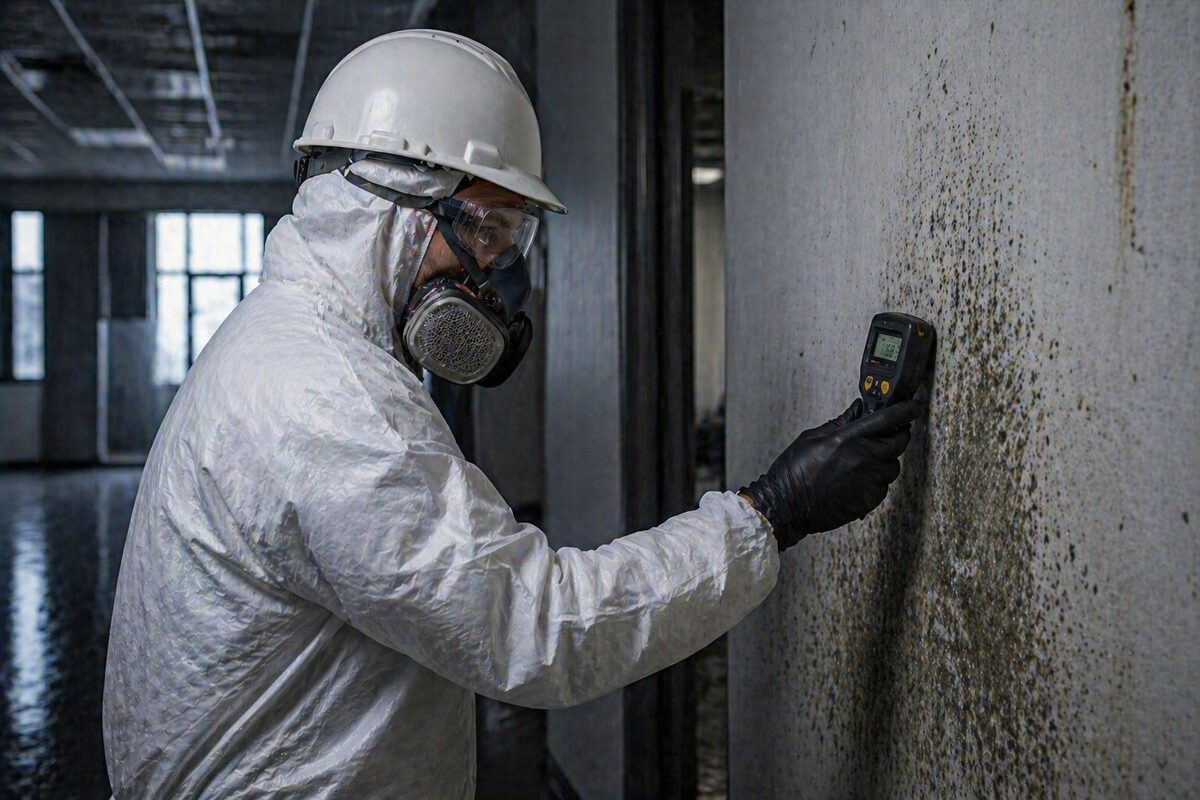
Mold Remediation and Removal in Palm Springs, CA Explained
Mold remediation in Palm Springs, California, involves identifying active indoor moisture sources, containing airborne fungal spores, physically removing contaminated building materials, and restoring indoor air quality to safe baselin...
Mold remediation in Palm Springs, California, involves identifying active indoor moisture sources, containing airborne fungal spores, physically removing contaminated building materials, and restoring indoor air quality to safe baseline levels. Despite the arid desert climate, high HVAC condensation, evaporative cooler moisture, and seasonal unoccupied homes make mold a frequent property challenge across the Coachella Valley.
Contents
Why Mold Thrives in the Palm Springs Desert Climate
Property owners often assume that the low outdoor humidity of the Sonoran Desert protects homes in Palm Springs from mold. However, indoor microclimates in desert environments create unique moisture traps that foster rapid mold growth if unaddressed. Fungal spores require only moisture, organic food sources (such as drywall paper, wood framing, or carpet backing), and ambient temperatures between 60°F and 90°F to colonize within 24 to 48 hours.
Several localized factors drive indoor mold issues in Palm Springs:
- HVAC Condensate Accumulation: During the summer, air conditioning units run continuously against exterior temperatures exceeding 100°F. This sharp thermal gradient causes condensation along ductwork, coil drain pans, and supply vents. Blocked condensate drain lines frequently spill water into attics, ceiling spaces, and wall cavities.
- Evaporative Coolers (Swamp Coolers): Older homes and mid-century modern properties in the Coachella Valley often use evaporative cooling. While energy-efficient in dry air, swamp coolers inject substantial humidity into building interiors. If airflow is restricted or units run without adequate relief venting, indoor relative humidity can exceed 60%, creating ideal conditions for fungal proliferation on drywall and furniture.
- The "Snowbird" Seasonal Home Effect: Many Palm Springs residences remain vacant during the summer months. When owners turn off climate control systems entirely to save energy, interior temperatures spike and trapped indoor humidity condenses on cool surfaces, allowing hidden mold colonies to spread unchecked for months.
- Desert Flash Floods and Monsoon Rains: Late summer monsoons bring intense downpours. Fast-moving stormwater can breach slab foundations, sliding glass doors, and flat architectural roofs, leading to rapid subterranean or structural water intrusion.
Understanding these desert-specific triggers helps homeowners identify root causes before initiating structural repairs.
Mold Removal vs. Mold Remediation: Understanding Technical Differences
The terms mold removal and mold remediation are frequently used interchangeably by property owners, but industry regulations and environmental standards distinguish them clearly.
| Mold Service | Details |
|---|---|
| MOLD REMOVAL (Misnomer) | Eradicating 100% of mold spores from an indoor environment.❌ Scientifically impossible; fungal spores naturally exist in all ambient air. |
| MOLD REMEDIATION (Industry Standard) | Containing spores, removing active colonies, fixing moisture, and restoring baseline.✔ Achieves safe, ecologically normal Indoor Air Quality (IAQ) per IICRC S520. |
Total mold removal is a misnomer because microscopic fungal spores naturally exist everywhere in indoor and outdoor air. Complete sterilization of an indoor environment is neither practical nor achievable under normal living conditions.
Mold remediation, by contrast, is the professional process of bringing mold spore concentrations back to normal, healthy background levels. Professional remediation follows established standards, such as the U.S. Environmental Protection Agency (EPA) Mold Remediation Guidelines, focusing on containment, physical removal of amplified growth, and permanent moisture control.
Industry standards established by the Institute of Inspection, Cleaning and Restoration Certification (IICRC S520 Standard for Professional Mold Remediation) classify indoor mold contamination into three condition levels:
- Condition 1 (Normal Uncontaminated): An indoor environment with normal background levels of mold spores and no active fungal growth.
- Condition 2 (Settled Spores): An environment contaminated with settled spores or traces of mold activity, but without active growth colonies on building materials.
- Condition 3 (Active Growth): An area with confirmed, active mold growth and high concentrations of airborne spores requiring physical containment and professional intervention.
California Regulations, Standards, and Seller Disclosures
Mold remediation in Palm Springs is governed by California statutory requirements, local municipal codes, and state health directives. Property owners, landlords, and contractors must comply with specific legal obligations regarding indoor air quality and hazard disclosures.
California Toxic Mold Protection Act & Disclosure Requirements
Under the California Toxic Mold Protection Act (California Health and Safety Code §§ 26100–26156), property sellers and landlords must disclose known mold contamination that exceeds permissible exposure limits or poses a material health hazard. When selling a home in Palm Springs, real estate transfer disclosure statements (TDS) require sellers to report any past or present water intrusion, structural dampness, or un-remediated mold growth.
Landlord-Tenant Habitability Laws
California Civil Code § 1941.1 defines residential habitability standards across the state. Under these regulations, visible mold growth caused by building defects, plumbing leaks, or structural failures renders a rental property legally uninhabitable. Landlords are obligated to repair the underlying moisture cause and contract qualified professionals to remediate the mold in a timely manner.
Licensing and Environmental Guidelines
The California Department of Public Health (CDPH) provides official guidelines on indoor dampness and mold, advising that visible mold or dampness should be remediated promptly regardless of the specific fungal species present.
While California does not issue a standalone "mold remediator" license, any contractor undertaking remediation work exceeding $500 in total project cost must hold an active license from the California Contractors State License Board (CSLB). Contractors typically operate under a Class B General Building Contractor license or specialty classifications such as C-61 / D-34 (Specialty Synthetic Products and Mold Removal). Additionally, contractors handling hazardous abatement frequently maintain formal certifications from organizations like the IICRC or the American Council for Accredited Certification (ACAC).
Disclaimer: Fungal exposure can cause respiratory symptoms or allergic reactions in sensitive individuals. Property owners involved in legal disputes or tenant habitability claims should consult a qualified California real estate attorney and a certified indoor environmental professional (IEP).
The Step-by-Step Professional Remediation Process
When addressing Condition 3 mold growth in a Palm Springs residence, qualified contractors follow a standard protocol designed to protect un-impacted areas of the property and prevent cross-contamination.
- Initial Assessment & IEP Testing
- Isolation & HEPA Negative Air Zone
- Moisture Abatement & Source Repair
- Demolition, HEPA Vac & Antimicrobial
- Independent PRV Clearance Testing
1. Initial Assessment and Moisture Identification
Before tearing out building materials, technicians perform thermal imaging inspections with infrared cameras and calibrated pinless moisture meters. This step maps hidden dampness behind drywall, beneath tile floors, or inside ceiling joists. In complex cases, an independent Indoor Environmental Professional (IEP) collects baseline air samples and surface swab tests.
2. Critical Containment Establishment
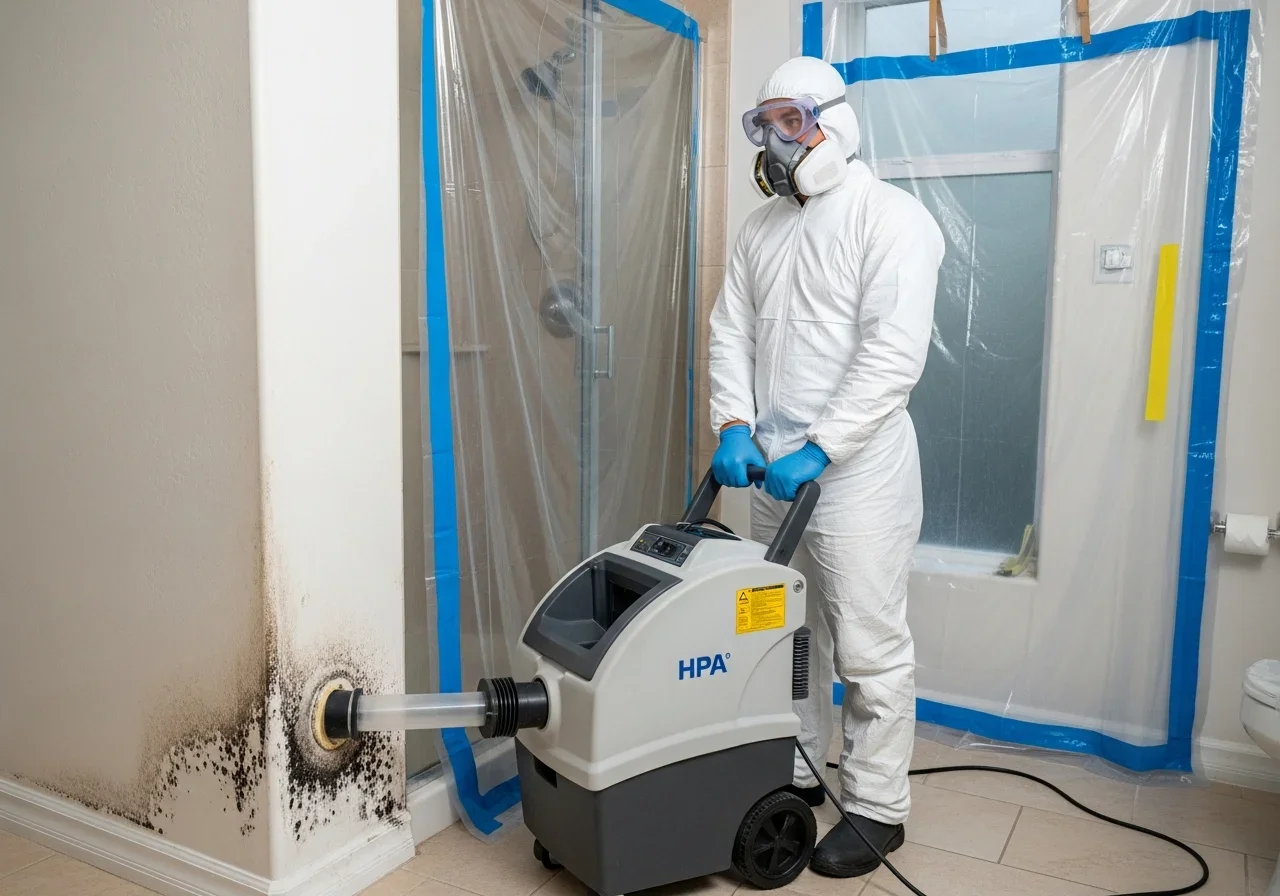
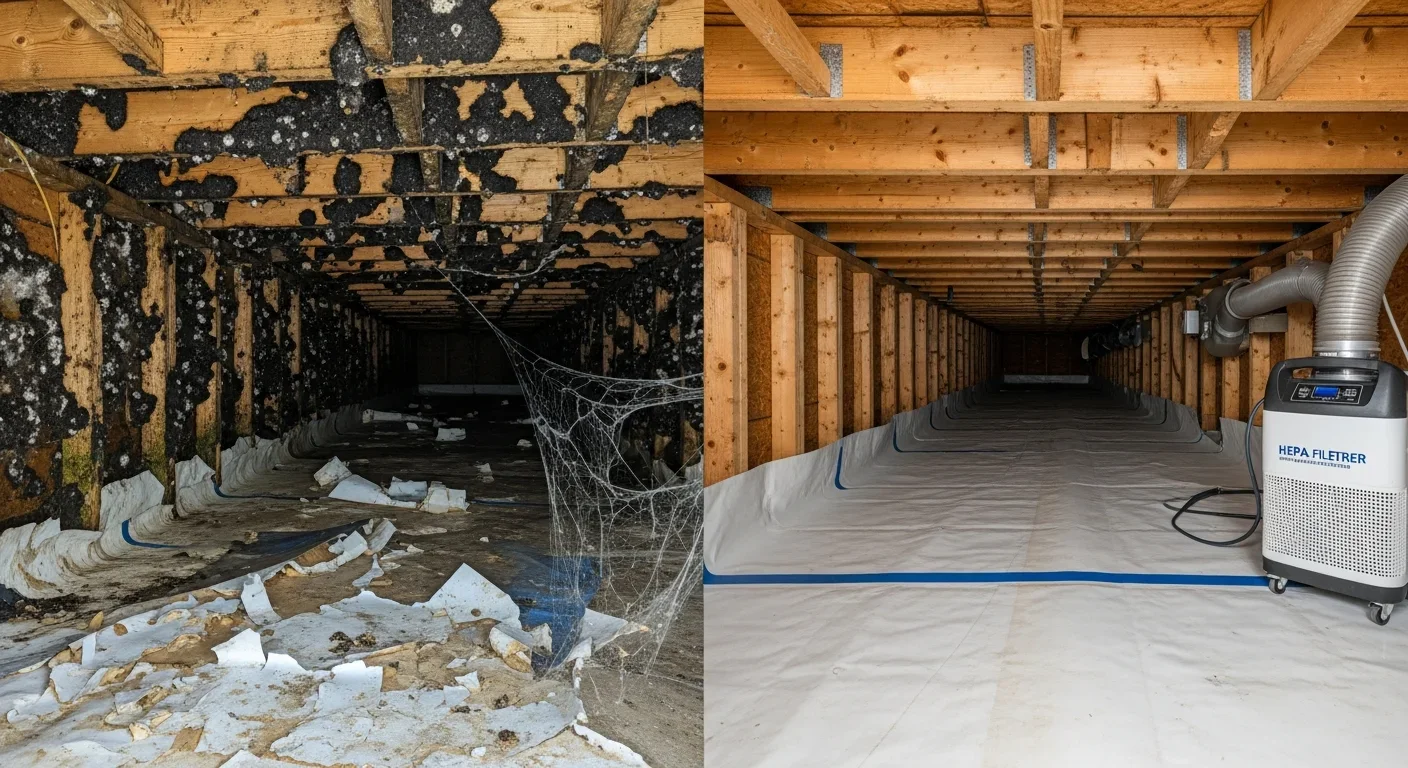
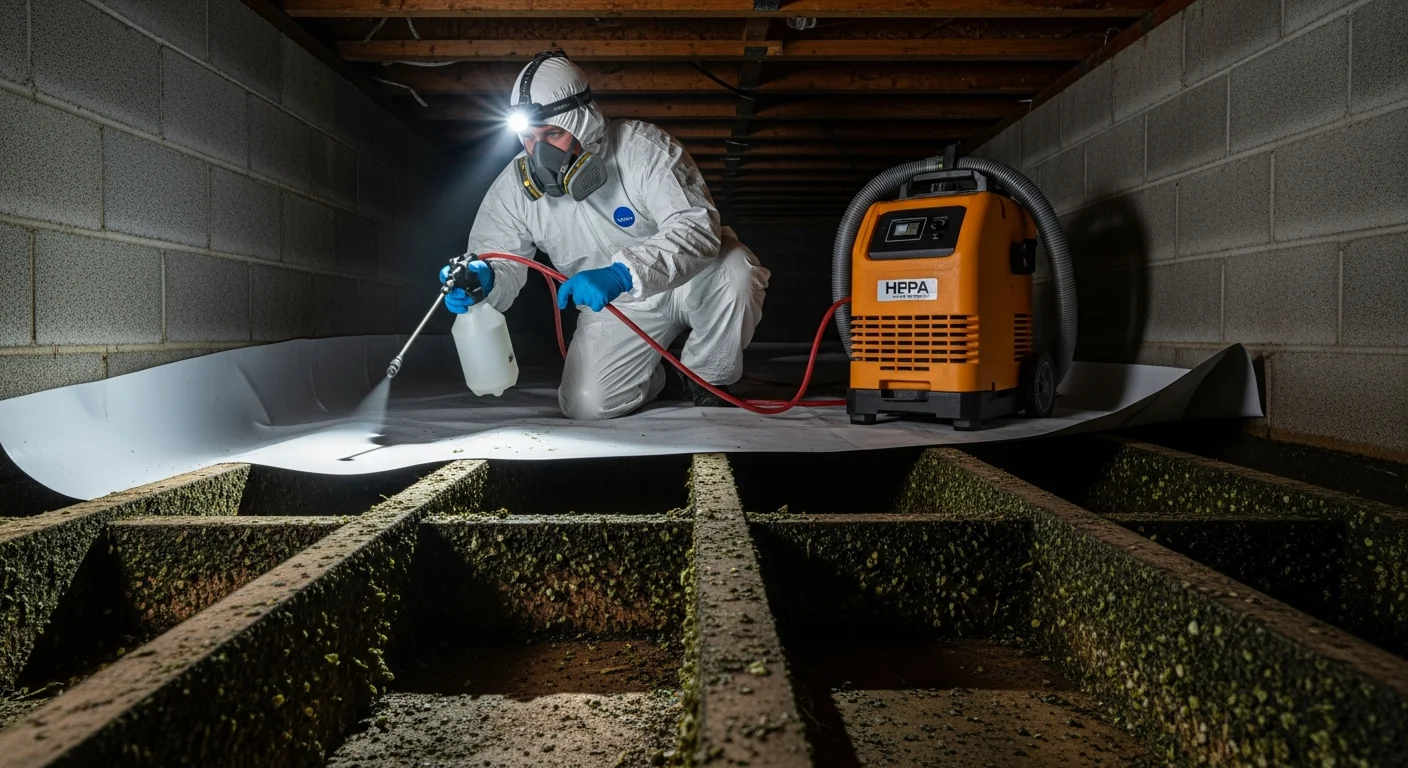
To prevent microscopic spores from spreading into living rooms or HVAC returns, contractors establish physical containment zones using heavy-duty 6-mil polyethylene plastic sheeting. Negative air pressure is maintained inside the containment zone using industrial HEPA (High-Efficiency Particulate Air) air scrubbers vented directly to the exterior.
3. Moisture Source Correction
Remediation cannot succeed if moisture continues to enter the structure. Technicians locate and resolve the underlying cause—whether repairing a leaking HVAC condensate line, re-routing a plumbing line, or sealing a compromised stucco exterior.
4. Controlled Demolition and Surface Cleaning
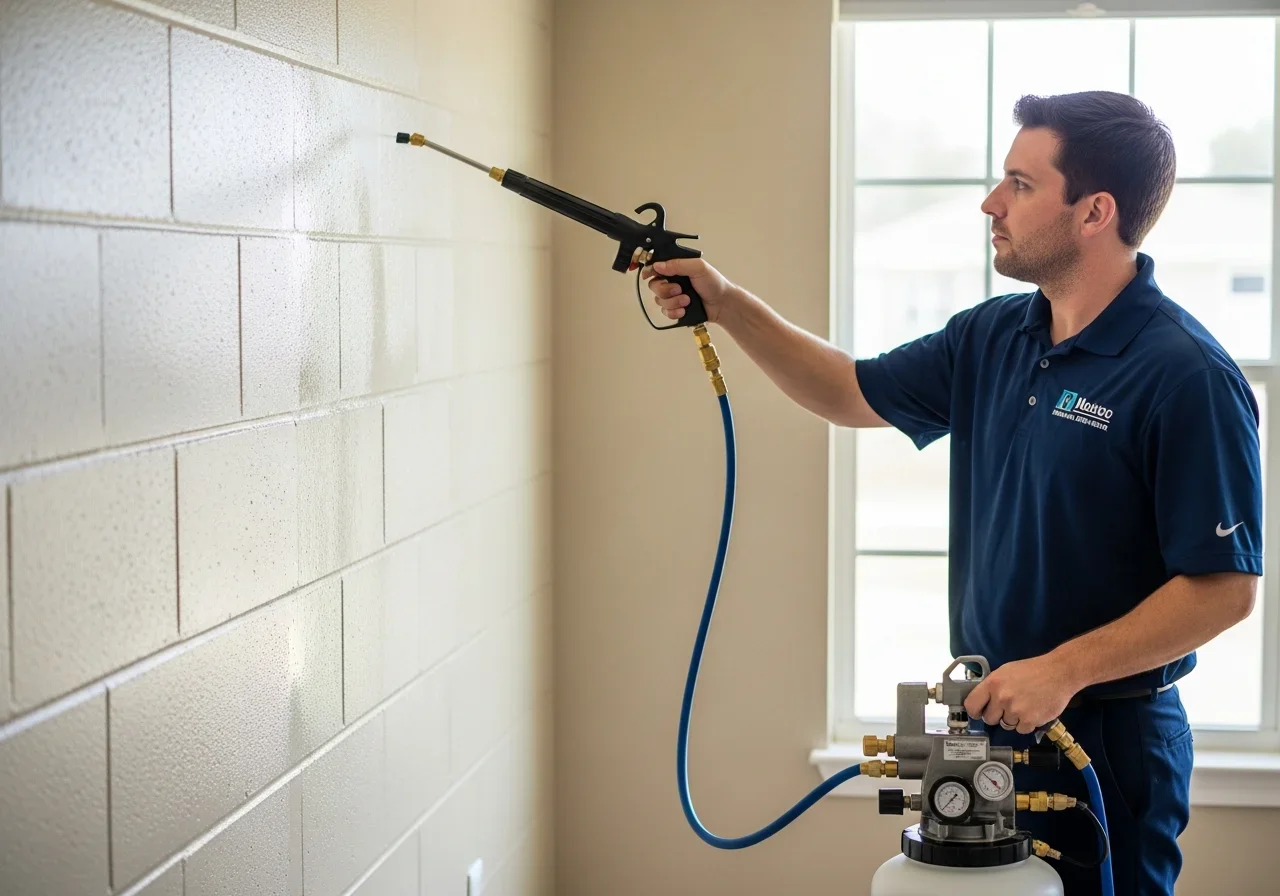
Porous building materials with deep fungal penetration (such as contaminated drywall, insulation, or carpet pad) cannot be effectively sanitized and must be removed. Workers seal contaminated material in heavy poly bags before transferring it through un-contained areas. Non-porous and semi-porous surfaces (such as wood framing or concrete slab) are scraped, sanded, HEPA-vacuumed, and washed with EPA-registered antimicrobial solutions.
5. Post-Remediation Verification (PRV) Clearance
Once cleaning and structural drying are complete, an independent IEP performs a Post-Remediation Verification (PRV) inspection. This includes visual checks and air sampling inside the containment zone. A successful clearance certificate verifies that indoor airborne mold spore levels are equal to or lower than outdoor baseline samples.
Cost Breakdown for Mold Remediation in Palm Springs
The total investment for mold remediation in the Coachella Valley depends on containment size, material accessibility, required demolition, and whether HVAC systems are contaminated.
| Project Scope | Average Cost Range | Common Palm Springs Triggers | Key Deliverables & Included Services |
|---|---|---|---|
| Small Isolated Remediation | $500 – $1,500 | Sink vanity leak, single window casing intrusion, small bathroom ceiling area | Poly containment zone, removal of affected drywall section, HEPA vacuuming, antimicrobial treatment. |
| Medium Containment Area | $1,500 – $4,500 | HVAC condensate overflow in attic, swamp cooler wall leaks, closet floor moisture | Full negative pressure containment, insulation removal, structural framing drying, antimicrobial fogging. |
| Whole-Home / Complex | $5,000 – $15,000+ | Summer vacant home failure, flash flood inundation, multi-room HVAC duct contamination | Multi-zone containment, extensive drywall tear-out, full HVAC duct restoration or replacement, independent PRV clearance. |
| Initial Assessment & Clearance | $300 – $900 | Pre-purchase home inspection, independent post-remediation verification | Comprehensive spore trap laboratory reports, thermal moisture mapping, formal clearance documentation. |
Homeowners Insurance Realities in California
Standard California homeowners insurance policies generally cover mold remediation only if the growth directly results from a sudden, accidental covered peril—such as a burst supply pipe or hot water heater rupture.
Insurance policies typically exclude mold remediation if the underlying cause is attributed to:
- Gradual or unaddressed plumbing leaks over time.
- Lack of routine maintenance (such as neglected roof flashing).
- Exterior surface water flooding (which requires a separate National Flood Insurance Program policy).
- Improper seasonal shut-down of climate control systems.
Property owners should review their specific policy endorsements, as some California insurers cap mold damage coverage at $5,000 to $10,000 unless extra endorsements are purchased.
Prevention Strategies for Coachella Valley Property Owners
Preventing mold growth in desert environments requires active management of indoor humidity and HVAC performance.
| Category | Recommended Action |
|---|---|
| HVAC Maintenance | Clear condensate drain lines twice yearly and install float switches. |
| Unoccupied Home Controls | Set smart thermostats to 80°F–85°F; never shut cooling off completely. |
| Evaporative Cooling Management | Ensure exterior relief vents are open; monitor indoor RH (<50%). |
| Foundation & Roofing Guards | Inspect stucco caps, flat roof membranes, and slab drainage post-storm. |
Property owners can minimize risk by following these proactive maintenance practices:
- Maintain HVAC Condensate Lines: Clean AC drain lines with a vinegar flush twice a year to prevent algae blockages. Install an automatic condensate overflow float switch, which shuts off the AC unit instantly if the drain line clogs.
- Manage Seasonal Vacancies with Smart Controls: If leaving a Palm Springs home unoccupied during the summer, never turn off the AC entirely. Set smart thermostats to maintain an interior temperature no higher than 80°F–85°F, or use a dedicated dehumidifier set to maintain indoor relative humidity below 50%.
- Upgrade Evaporative Systems: If using a swamp cooler, ensure that windows or relief vents are cracked open during operation to allow humid air to escape. Consider transitioning to high-efficiency mini-split heat pumps, which manage moisture control more precisely.
- Inspect Roofing and Flashings After Monsoons: Inspect flat roofs, parapet walls, and exterior stucco after heavy desert summer rains to identify hairline cracks or standing water before moisture penetrates interior framing.
Frequently Asked Questions
Can I perform DIY mold removal in my Palm Springs home?
DIY mold cleanup is generally suitable only for non-porous surfaces (such as tile or metal) with surface areas under 10 square feet (roughly 3 feet by 3 feet), provided the moisture source has been fully stopped. For areas larger than 10 square feet, or when mold penetrates porous drywall, carpet, or HVAC ducts, professional remediation under containment is recommended to avoid spreading airborne spores through the rest of the house.
How long does professional mold remediation take?
Most residential mold remediation projects in Palm Springs require between 2 and 5 days to complete. Small isolated jobs may take 24 to 48 hours, while major restoration projects involving structural drying, extensive demolition, and independent post-remediation clearance testing can take up to a week.
Does California homeowners insurance cover mold remediation?
Insurance coverage depends on the original cause of the moisture. If the mold developed directly from a sudden and accidental event—such as a burst pipe—remediation is typically covered up to the policy limit. If the mold stems from long-term deferred maintenance, slow leaks, or exterior desert floodwaters, coverage is standardly excluded unless specialized policy addendums are in place.
How do I know if my seasonal home in Palm Springs has hidden mold?
Common signs of hidden mold in unoccupied homes include a persistent musty or earthy odor upon entry, visible discoloration along baseboards or around HVAC vents, bubbled paint on exterior-facing walls, or unexpected spikes in water or electric utility bills while away.
What is the difference between a mold inspector and a remediation contractor?
A mold inspector (or Indoor Environmental Professional) assesses the property, collects laboratory air/surface samples, determines spore counts, and defines the scope of work without performing the physical cleanup. A remediation contractor builds containment zones, removes contaminated materials, and executes the physical cleanup. Separating assessment from execution avoids conflicts of interest during clearance verification.
Recommended Next Actions
If you suspect mold growth or hidden water intrusion in your Palm Springs property:
- Stop the Moisture Source: Immediately turn off water supply valves or adjust malfunctioning cooling equipment to halt active dampness.
- Engage an Independent Inspection: Hire an accredited Indoor Environmental Professional (IEP) to perform moisture mapping and baseline air sampling before disturbing affected walls or ceilings.
- Verify Contractor Credentials: Ensure any hired remediation contractor holds valid licensure with the California Contractors State License Board (CSLB), carries liability and workers' compensation insurance, and adheres to IICRC S520 containment protocols.
- Secure Final Clearance: Obtain a written Post-Remediation Verification (PRV) report showing acceptable indoor air quality results before closing containment walls or completing drywall repairs.
Image Gallery