Understanding Reverse Osmosis: What Is an RO Water Purifier?
An RO water purifier is a filtration system that uses a semi-permeable membrane to remove dissolved solids, ions, molecules, and impurities from water. By applying pressure to force water through this membrane, the system effectively s...
An RO water purifier is a filtration system that uses a semi-permeable membrane to remove dissolved solids, ions, molecules, and impurities from water. By applying pressure to force water through this membrane, the system effectively separates contaminants from clean, potable water, making it a standard choice for residential and commercial water treatment.
Contents
The Mechanism: How Reverse Osmosis Works
At the heart of every reverse osmosis (RO) system lies the semi-permeable membrane. To understand "reverse" osmosis, one must first understand the natural process of osmosis. In nature, osmosis occurs when a less concentrated solution moves through a membrane into a more concentrated solution to reach equilibrium. Reverse osmosis flips this process by applying external pressure to the more concentrated side (the contaminated water), forcing the solvent (water) through the membrane while leaving the solutes (contaminants) behind.
The process is not instantaneous; it relies on a multi-stage filtration sequence designed to protect the integrity of the RO membrane. Without pre-filtration, the membrane would quickly clog and fail.
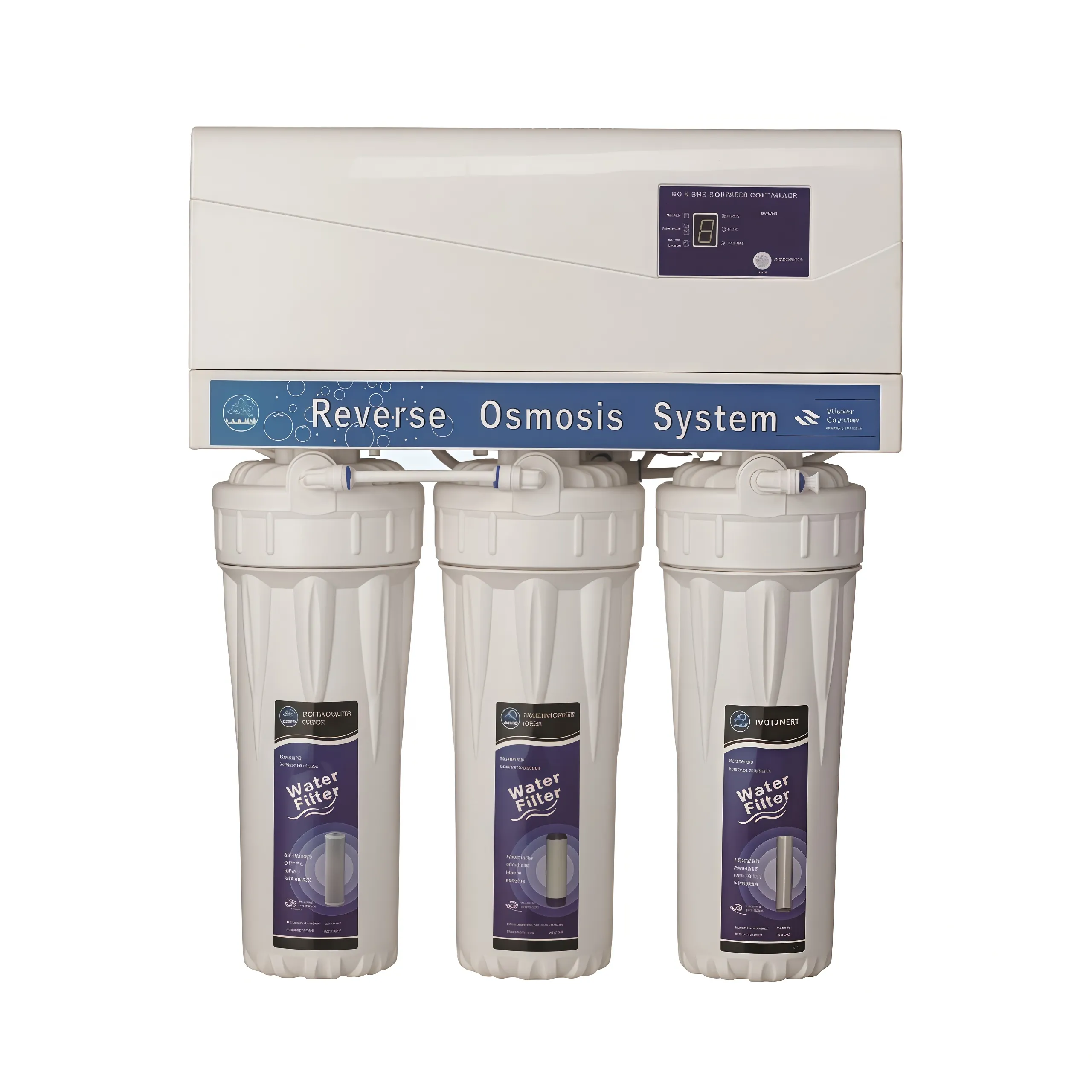
- Pre-Filtration: This usually involves a sediment filter to catch sand, dirt, and rust, followed by a carbon filter to remove chlorine and organic compounds that could chemically damage the RO membrane.
- Reverse Osmosis Stage: The pressurized water is forced through the thin-film composite membrane. The pore size of this membrane is extremely small—typically 0.0001 microns—which is small enough to block most viruses, bacteria, heavy metals like lead and arsenic, and dissolved salts.
- Post-Filtration: Once the water passes through the membrane, it enters a storage tank. Before reaching the faucet, it often passes through a final carbon "polishing" filter to ensure the taste remains crisp and free of any residual odors.
Key Components of an RO System
A standard residential RO purifier is a complex assembly of components, each serving a critical role in the purification cycle.
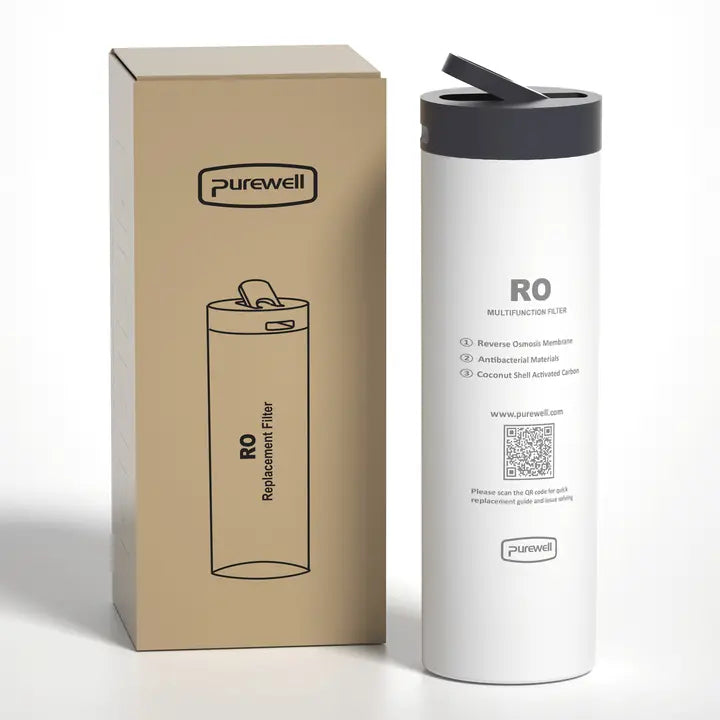
- The RO Membrane: The "engine" of the system. It is responsible for the majority of the purification work.
- The Storage Tank: Because the RO process is relatively slow—producing only a few ounces of water per minute—systems store the purified water in a pressurized tank so that it is available on demand.
- The Flow Restrictor: This component is essential to maintain the necessary pressure within the membrane housing. Without it, water would flow through the path of least resistance, bypassing the osmotic pressure required for purification.
- The Shut-off Valve: This mechanical device stops the flow of water into the system once the storage tank is full, preventing excessive water wastage.
- Drain Line: RO systems produce "reject water" (brine), which contains the concentrated impurities filtered out during the process. This waste stream must be routed to a drain.
Comparison of Water Purification Technologies
Understanding how RO fits into the broader water treatment landscape is essential for making an informed purchase. While various technologies exist, RO is often distinguished by its ability to remove dissolved solids.
| Technology | Targets | Best For | Typical Micron Rating |
|---|---|---|---|
| Reverse Osmosis | Dissolved salts, heavy metals, fluoride, bacteria | High-TDS water, well water | 0.0001 |
| Activated Carbon | Chlorine, taste, odors, VOCs | Improving taste, municipal water | 0.5 to 5.0 |
| UV Purification | Bacteria, viruses | Disinfection only | N/A |
| Sediment Filter | Sand, silt, rust | Removing large particulates | 1 to 50 |
Advantages and Operational Considerations
The primary benefit of an RO system is the level of purity it provides. It is one of the few consumer-grade technologies capable of significantly reducing Total Dissolved Solids (TDS). This makes it highly effective for regions where groundwater contains high levels of arsenic, fluoride, or nitrates.
However, users must be aware of the operational realities:
- Water Waste: RO systems are inherently inefficient regarding water consumption. For every gallon of pure water produced, a typical system may discharge 2 to 4 gallons of waste water down the drain. This ratio can be improved with modern high-efficiency systems or permeate pumps.
- TDS Reduction: By removing nearly all solids, RO water can sometimes taste "flat" because it lacks the natural minerals (like calcium and magnesium) that give water its flavor. Some modern units include a "re-mineralizer" stage to add back beneficial minerals after the purification process.
- Maintenance Requirements: An RO system is not a "set it and forget it" appliance. Pre-filters generally require replacement every 6 to 12 months, and the RO membrane itself typically lasts 2 to 3 years. Failure to replace these on schedule can lead to poor water quality and permanent membrane fouling.
Common Questions Regarding RO Systems
Does an RO purifier remove all minerals from water? Yes, it effectively removes the vast majority of minerals. While this ensures high purity, it also means the water loses the mineral content that many consumers associate with "healthy" water. If mineral content is a priority, consider an RO system with a dedicated re-mineralization stage.
Can I install an RO system on my own? Many homeowners successfully install under-sink RO systems, as they typically come with quick-connect fittings and clear instructions. However, if you are uncomfortable drilling a hole in your countertop for the faucet or working with pressurized plumbing, hiring a professional plumber is recommended to prevent leaks.
How do I know if I need an RO purifier? You should start by testing your water. If your local water quality report shows high levels of TDS, heavy metals, or if your water has a harsh metallic taste, an RO system is a highly appropriate solution. If your water is already high-quality municipal water, you may only require a carbon filter.
Why does my RO system make noise? A slight hissing sound as the system purifies water is normal—this is the sound of water flowing through the restrictor and into the drain. If you hear a loud, constant clunking or rattling, it may indicate a malfunctioning shut-off valve or a loose component that requires inspection.
Practical Next Actions
If you are considering an RO purifier, begin by performing a TDS water test. You can purchase a low-cost digital TDS meter to measure the concentration of dissolved solids in your tap water. If the reading is high, or if your local municipal water report identifies specific contaminants that carbon filters cannot catch, an RO system is the logical next step.
Once you determine the need, evaluate your space. Most RO systems are installed under the kitchen sink. Ensure you have adequate cabinet space for the filter canisters and the storage tank. Finally, check your water pressure; most RO systems require at least 40 PSI to function effectively. If your home has low water pressure, you may need a system equipped with a "booster pump" to ensure proper performance and consistent water output.
Image Gallery