Miami-Dade PD Guide: Services, Records Requests, and Operations in 2026
The Miami-Dade Police Department (MDPD) serves as the primary law enforcement agency for unincorporated areas and contracted municipalities within Miami-Dade County, Florida. Operating under a professional command structure, the depart...
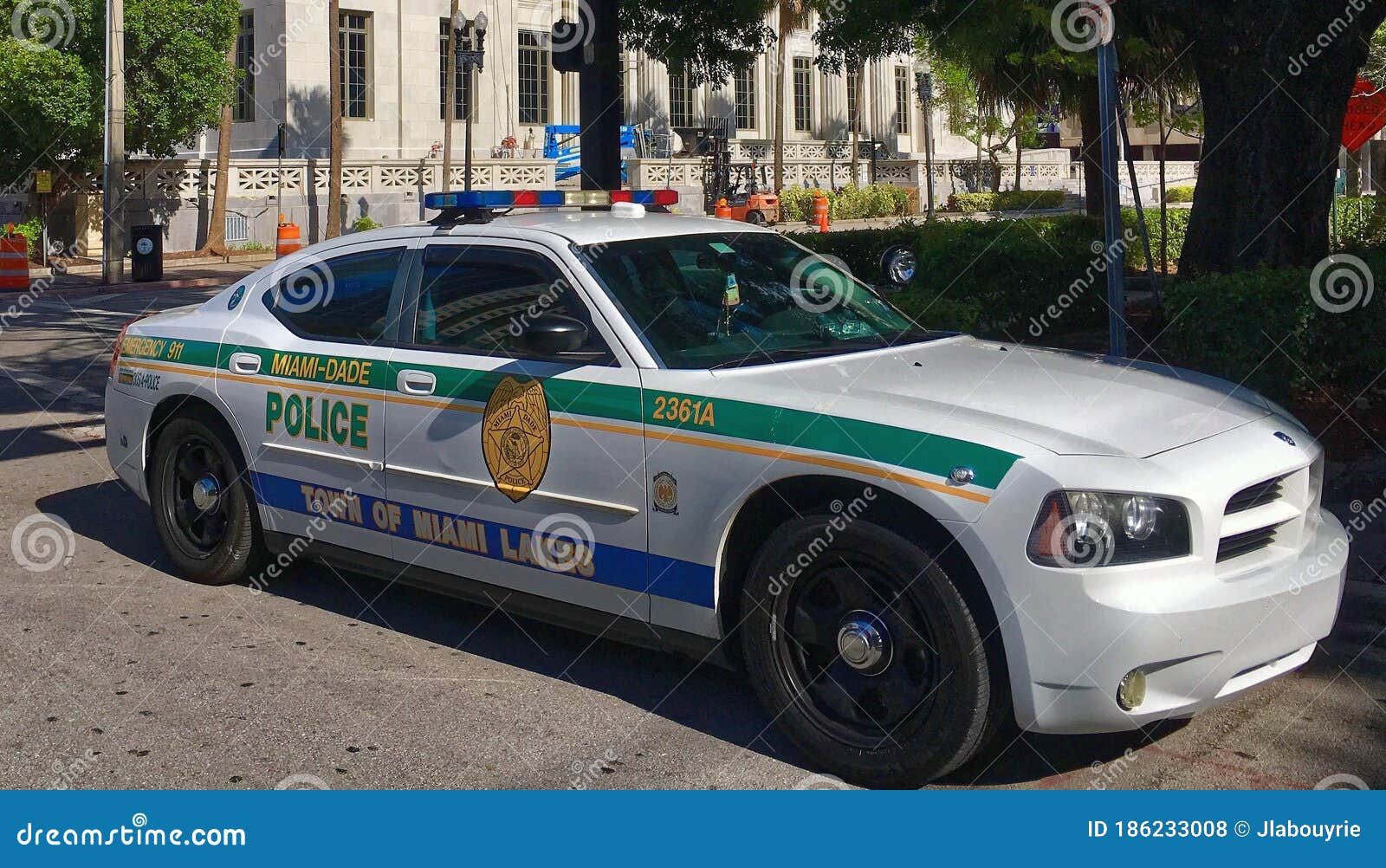
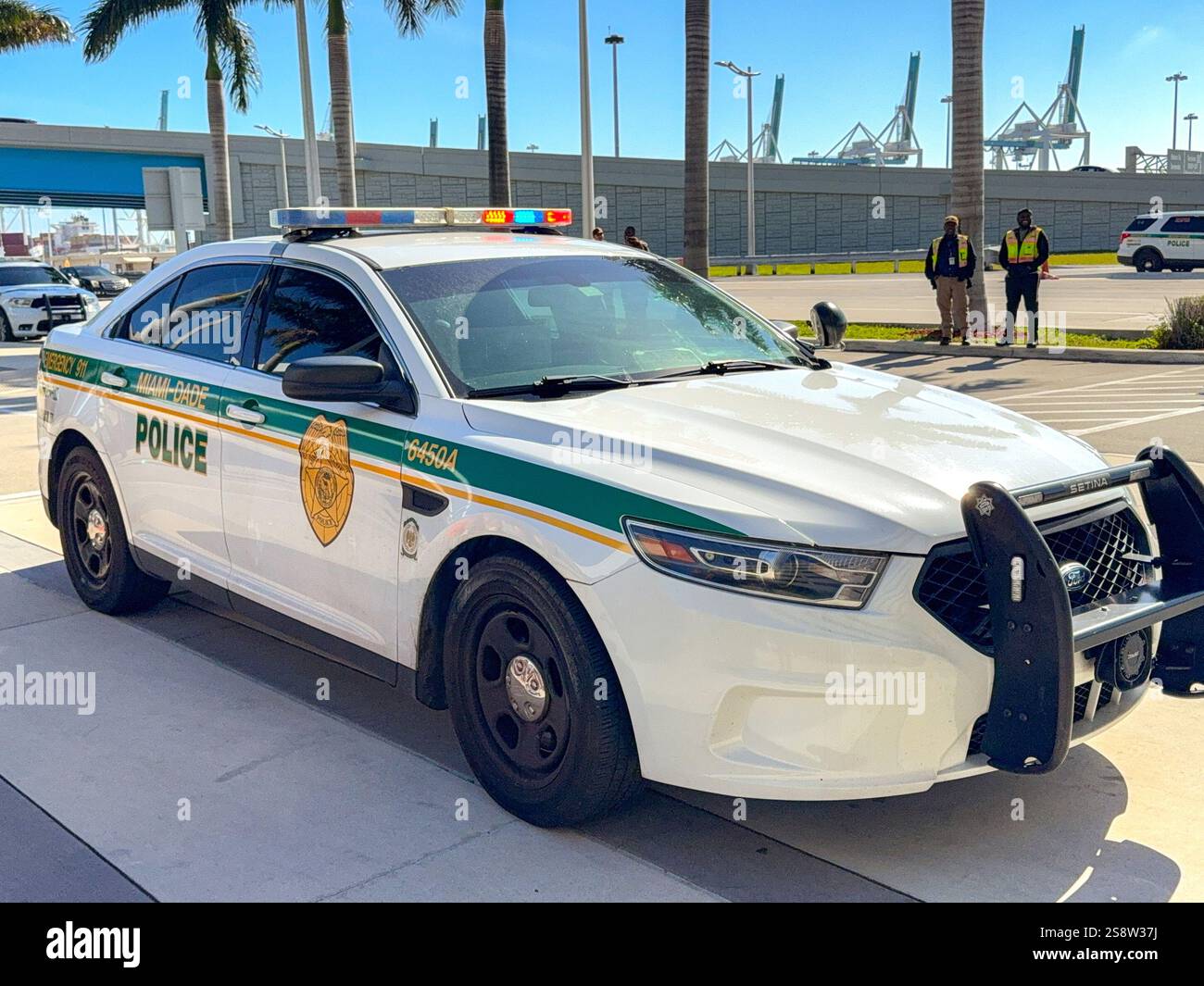
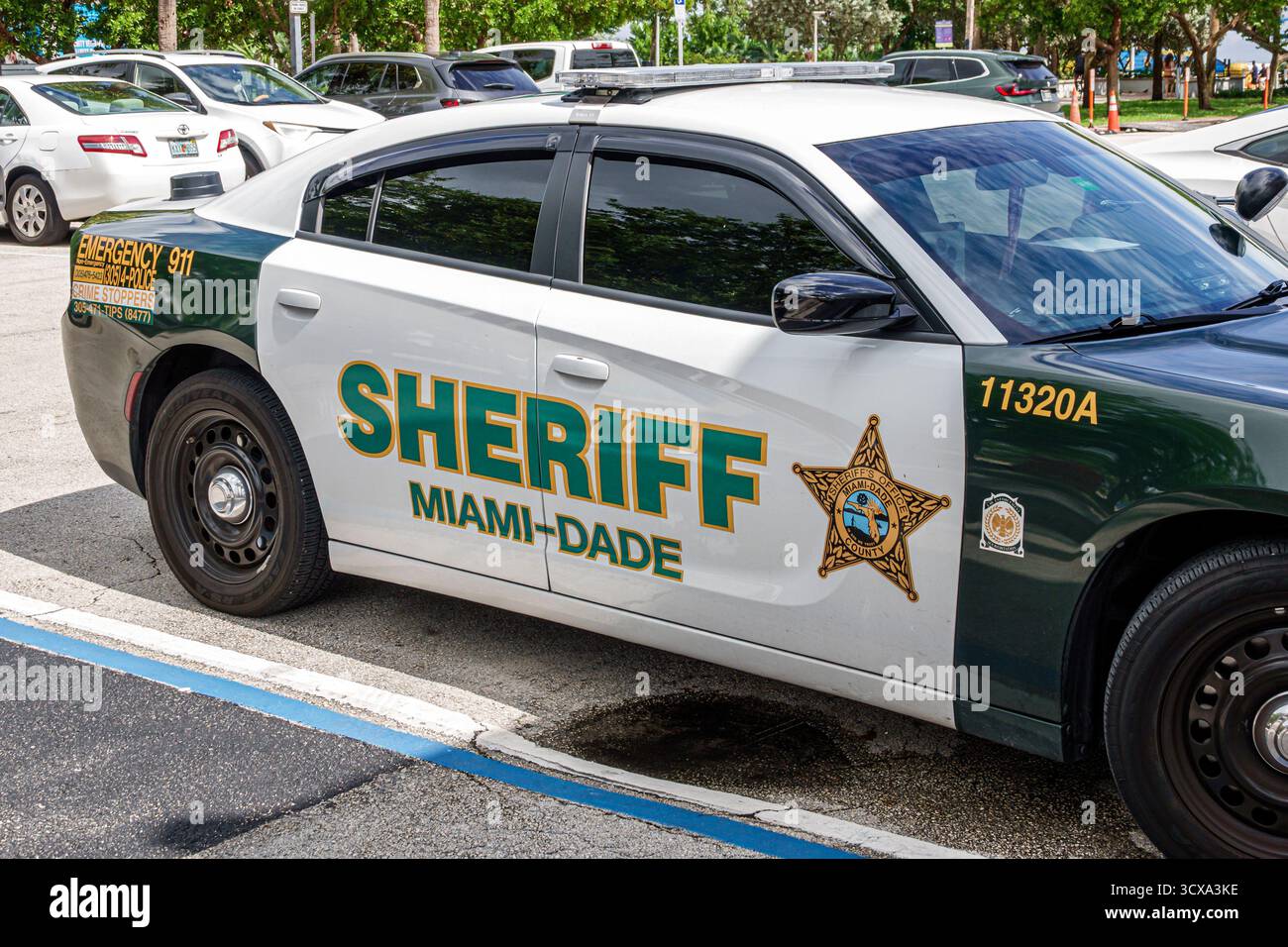
The Miami-Dade Police Department (MDPD) serves as the primary law enforcement agency for unincorporated areas and contracted municipalities within Miami-Dade County, Florida. Operating under a professional command structure, the department provides comprehensive public safety services, specialized investigative units, and public records access for a population exceeding 2.7 million residents.
Contents
Understanding the Miami-Dade Police Department Structure and Jurisdiction
The Miami-Dade Police Department functions as the largest law enforcement agency in the southeastern United States. Operating with an authorized strength of thousands of sworn and civilian personnel, the department manages public safety outside incorporated municipal boundaries where cities maintain their own police departments.
Jurisdictional boundaries define where MDPD troopers and patrol officers exercise primary authority. While many cities like Miami, Miami Beach, and Hialeah operate independent municipal police forces, MDPD maintains countywide jurisdiction for specialized functions such as homicide investigations, crime laboratory analysis, narcotics enforcement, and interstate cargo theft prevention.
- Unincorporated Areas: Full primary police services, routine patrol, traffic enforcement, and initial crime response.
- Contract Municipalities: Towns and cities that contract with MDPD to provide localized police services instead of establishing standalone departments.
- Countywide Operations: Specialized tactical units, aviation support, marine patrol, bomb disposal, and interstate corridor monitoring.
Accessing Public Records, Accident Reports, and Police Clearances
Securing official documentation from the Miami-Dade Police Department requires navigating specific procedural channels governed by Florida public records laws. Whether requesting a traffic crash report following an incident on county roads or seeking local background checks for employment, understanding the exact document retrieval workflow ensures efficient processing.
Traffic Crash Reports and Incident Logs
Traffic crash reports handled by MDPD officers are typically available online within 10 business days following the incident. Under Florida law, crash reports are confidential for the first 60 days after the date the report is filed, restricting access primarily to involved parties, legal representatives, and insurance carriers.
- Online Retrieval: Access the official Florida Highway Safety and Motor Vehicles (FLHSMV) portal or the Miami-Dade County public safety records interface to download digital copies.
- In-Person Requests: Visit the Miami-Dade Police Department Central Records Bureau located at the Fred Taylor Headquarters Building.
- Mail-In Requests: Submit a formal notarized request along with a self-addressed stamped envelope and applicable processing fees via check or money order.
Background Checks and Local Records
Obtaining a local police clearance or background check requires specific identification credentials and adherence to fingerprinting protocols. MDPD provides local criminal history records for individuals who have resided or worked within unincorporated Miami-Dade County.
Identification Requirements for Records: All applicants requesting personal criminal history data or local background checks must present a valid government-issued photo identification, such as a driver's license, state identification card, or active passport. Third-party requests require a notarized authorization form executed by the subject of the record.
Specialized Units and Community Policing Initiatives
Modern law enforcement operations within Miami-Dade County rely on advanced technological integration, specialized tactical response teams, and proactive community engagement programs designed to deter crime before it occurs.
Tactical and Investigative Divisions
The department houses numerous specialized bureaus designed to address complex criminal enterprises and emergency scenarios. These units maintain constant readiness status to support patrol operations and inter-agency task forces.
| Division Name | Primary Operational Focus | Key Tactical Assets |
|---|---|---|
| Special Response Team (SRT) | High-risk warrant service and hostage rescue | Armored tactical vehicles, specialized breach gear |
| Robbery Bureau | Armed robberies, bank heists, and carjackings | Surveillance tech, forensic tracking resources |
| Intrepid Marine Patrol | Coastal waterway security and port safety | High-speed interceptor vessels, dive rescue teams |
| Aviation Unit | Aerial surveillance, search and rescue | Helicopters equipped with thermal imaging cameras |
Community-Oriented Policing
Community engagement remains a foundational pillar of modern MDPD strategy. District stations regularly conduct town hall meetings, youth outreach programs, and business security seminars. These initiatives foster trust between law enforcement officers and the diverse neighborhoods they protect, improving intelligence gathering and cooperative crime prevention.
Contacting MDPD: Emergency, Non-Emergency, and Headquarters Locations
Knowing how to reach the correct division within the Miami-Dade Police Department prevents critical delays during emergencies and routine inquiries.
- Life-Threatening Emergencies: Dial 911 immediately for crimes in progress, severe medical emergencies, or active fires requiring police dispatch.
- Non-Emergency Dispatch: Call 305-4-POLICE (305-476-5423) to report property damage, noise complaints, or past-occurred crimes without suspect information.
- Headquarters Address: 9105 NW 25th Street, Doral, FL 33172.
- Central Records Bureau: Contact the records division during standard business hours for status updates on pending report requests.
Comparison of Law Enforcement Services in Miami-Dade County
Understanding the division of labor among local law enforcement entities prevents confusion regarding jurisdiction, reporting procedures, and service delivery across different neighborhoods.
| Agency Name | Primary Geographic Jurisdiction | Key Service Responsibilities |
|---|---|---|
| Miami-Dade Police Department (MDPD) | Unincorporated county and contract cities | Countywide specialized units, patrol, aviation, marine |
| City of Miami Police Department | City of Miami municipal boundaries | Downtown, Brickell, Overtown, and adjacent neighborhoods |
| Miami Beach Police Department | City of Miami Beach | South Beach, barrier island neighborhoods, tourism corridors |
| Florida Highway Patrol (FHP) | State highways and interstate systems | I-95, Florida's Turnpike, state road traffic enforcement |
Frequently Asked Questions
How can I obtain a copy of a police report from the Miami-Dade Police Department?
You can obtain a police report online through the county records portal, by mail, or in person at the MDPD Central Records Bureau. Ensure you have the case number, date of incident, and involved parties' names ready.
What is the difference between MDPD and municipal police departments in the county?
MDPD serves unincorporated areas of Miami-Dade County and specific contracted municipalities, whereas municipal police departments operate exclusively within their respective city limits, such as Miami, Coral Gables, or Doral.
How do I file a non-emergency police report with MDPD?
Non-emergency reports can be filed by calling the non-emergency dispatch number at 305-476-5423 or by utilizing the online reporting system for eligible property crimes and minor incidents.
Are traffic crash reports immediately available to the public in Florida?
No, traffic crash reports are confidential for the first 60 days following the date of the crash under Florida law, restricting immediate access to involved parties, legal counsel, and insurance providers.
How do I schedule a fingerprinting appointment for employment background checks?
Fingerprinting services for local background checks can be scheduled by contacting the MDPD Central Records Bureau or visiting designated county identification service centers during operating hours.
Conclusion
Navigating the resources, records divisions, and operational scope of the Miami-Dade Police Department requires clear awareness of jurisdictional boundaries and official administrative protocols. Whether requesting vital crash documentation, verifying local background data, or seeking emergency assistance, utilizing authorized channels ensures rapid and accurate service delivery across Miami-Dade County.
Image Gallery