Strategic Guide to Mortgage Marketing Postcards in Real Estate Lending
Mortgage marketing postcards remain a reliable, tangible offline medium for loan officers and brokers to generate targeted leads, build local brand awareness, and nurture relationships with prospective homebuyers and real estate profes...
Mortgage marketing postcards remain a reliable, tangible offline medium for loan officers and brokers to generate targeted leads, build local brand awareness, and nurture relationships with prospective homebuyers and real estate professionals.
Contents
In the fast-paced world of digital marketing, where email inboxes are constantly flooded and social media ads are easily scrolled past, physical mail offers a unique advantage. Mortgage marketing postcards put your message directly into the hands of potential clients. When executed with a clear strategy, precise list targeting, and compelling copywriting, direct mail postcards can deliver a strong return on investment (ROI) for mortgage professionals looking to scale their loan origination business.
Navigating the nuances of direct mail requires understanding design principles, regulatory compliance, data hygiene, and campaign tracking. Whether you are targeting first-time homebuyers, local renters, or past clients for refinancing, mastering mortgage marketing postcards demands a structured approach.
Understanding the Value of Direct Mail in Modern Lending
While digital channels dominate acquisition strategies, direct mail commands high consumer attention. Physical mail requires tactile interaction, giving it a psychological staying power that digital banners often lack. Homebuyers make high-involvement financial decisions; seeing a professional, well-designed postcard on a kitchen counter serves as a persistent physical reminder of your services.
For loan originators, postcards bypass spam filters and ad-blockers. When combined with modern data analytics, direct mail is no longer a shotgun approach. You can precisely target specific neighborhoods, home equity thresholds, or credit profiles, ensuring your marketing budget reaches households with a higher statistical probability of needing mortgage products.
Furthermore, direct mail acts as an effective complement to digital campaigns. Integrating postcards with digital touchpoints—such as personalized URLs (PURLs), QR codes, or retargeting ads—creates a multichannel ecosystem. This omnichannel visibility builds trust, which is the foundational currency of the mortgage industry.
Identifying Core Target Audiences and Campaign Types
A successful direct mail campaign begins with audience segmentation. Sending a generic rate-shopping postcard to an entire zip code often yields low conversion rates. Instead, divide your mailing lists into distinct categories based on specific borrower intents and milestones:
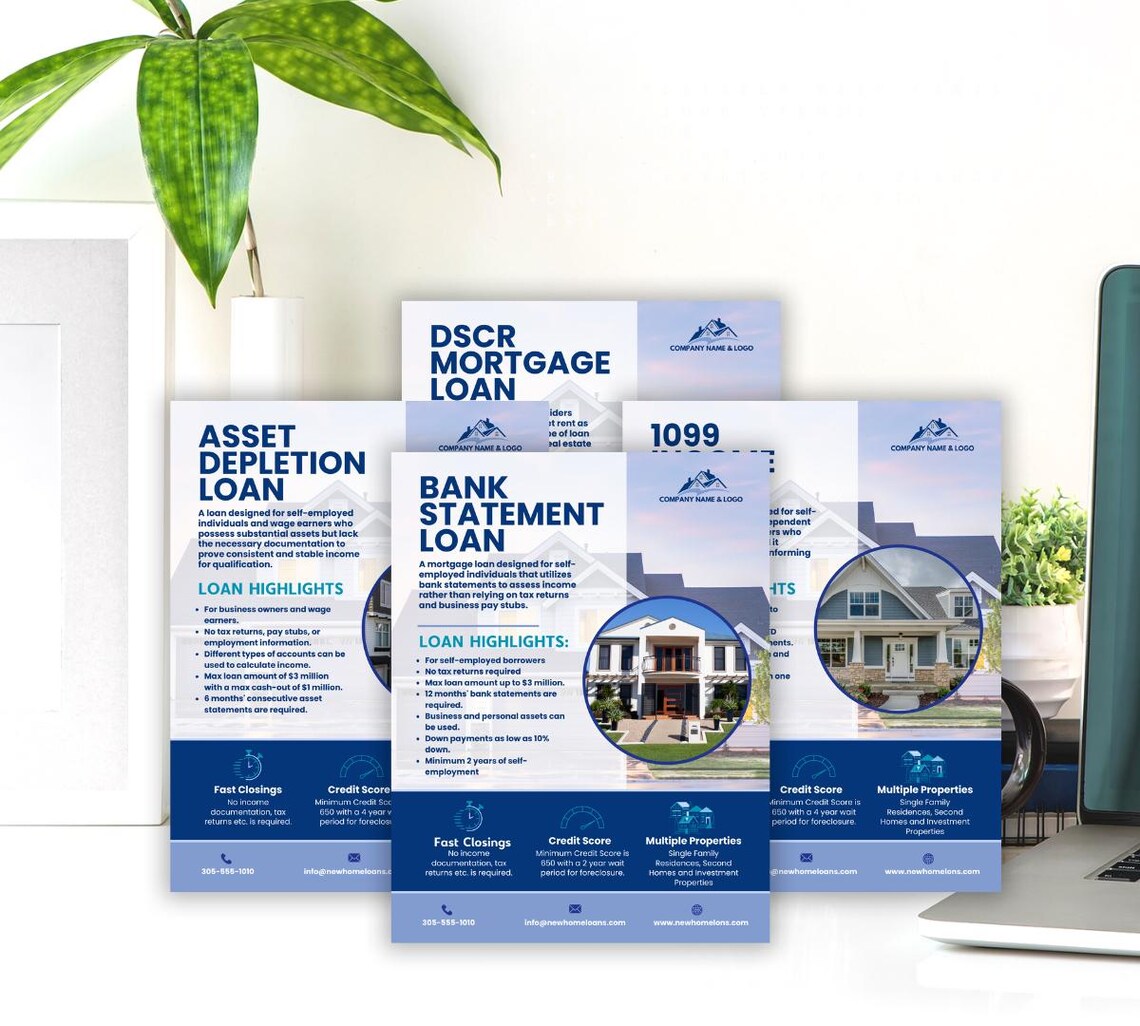
- First-Time Homebuyers: Target apartment complexes, multi-family rental units, or renters identified through demographic data overlays. Focus messaging on low-down-payment options, FHA loans, and down-payment assistance programs.
- Move-Up Buyers: Target neighborhoods characterized by starter homes where homeowners have lived for five to seven years. Highlight equity utilization, bridging strategies, and larger home options.
- Refinance Prospects: Monitor interest rate movements or target specific geographic zones where homeowners secured mortgages during higher-rate periods. Emphasize debt consolidation, lowering monthly payments, or tapping home equity for renovations.
- Real Estate Agent Partners: Direct mail is not exclusively for consumers. Send co-branded postcards to local real estate agents to showcase your closing speed, communication guarantees, and partnership support.
Design and Copywriting Best Practices
The physical constraints of a postcard mean every square millimeter matters. A recipient typically decides whether to read or discard a postcard within two seconds. Your design and copy must work in tandem to capture attention immediately.
Headline and Value Proposition
Your headline must address the reader's primary desire or problem. Avoid cluttering the front with dense paragraphs. Instead, use a clear, benefit-driven statement such as "Stop Paying Your Landlord's Mortgage" or "Unlock Your Home Equity for Your Next Big Project."
Imagery and Branding
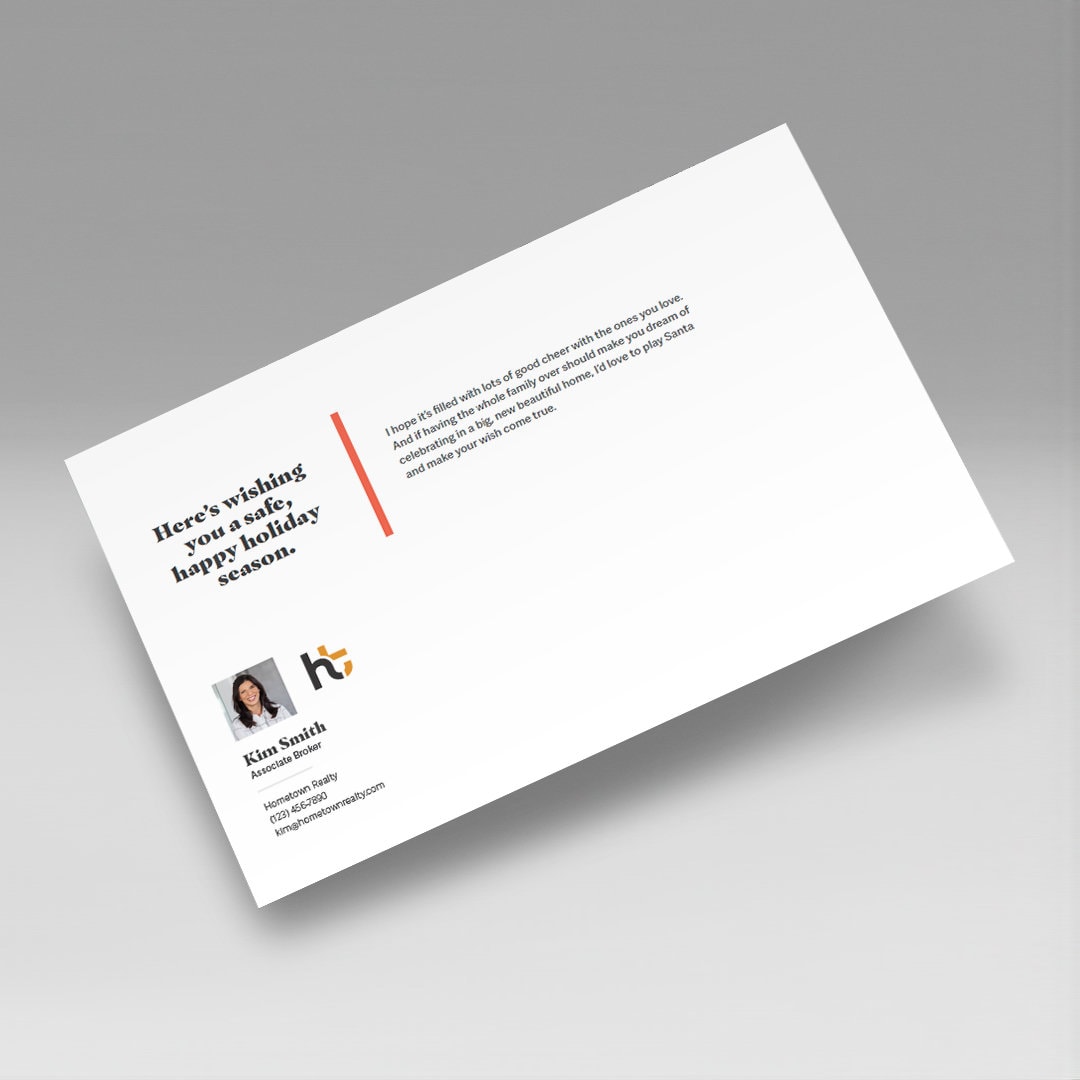
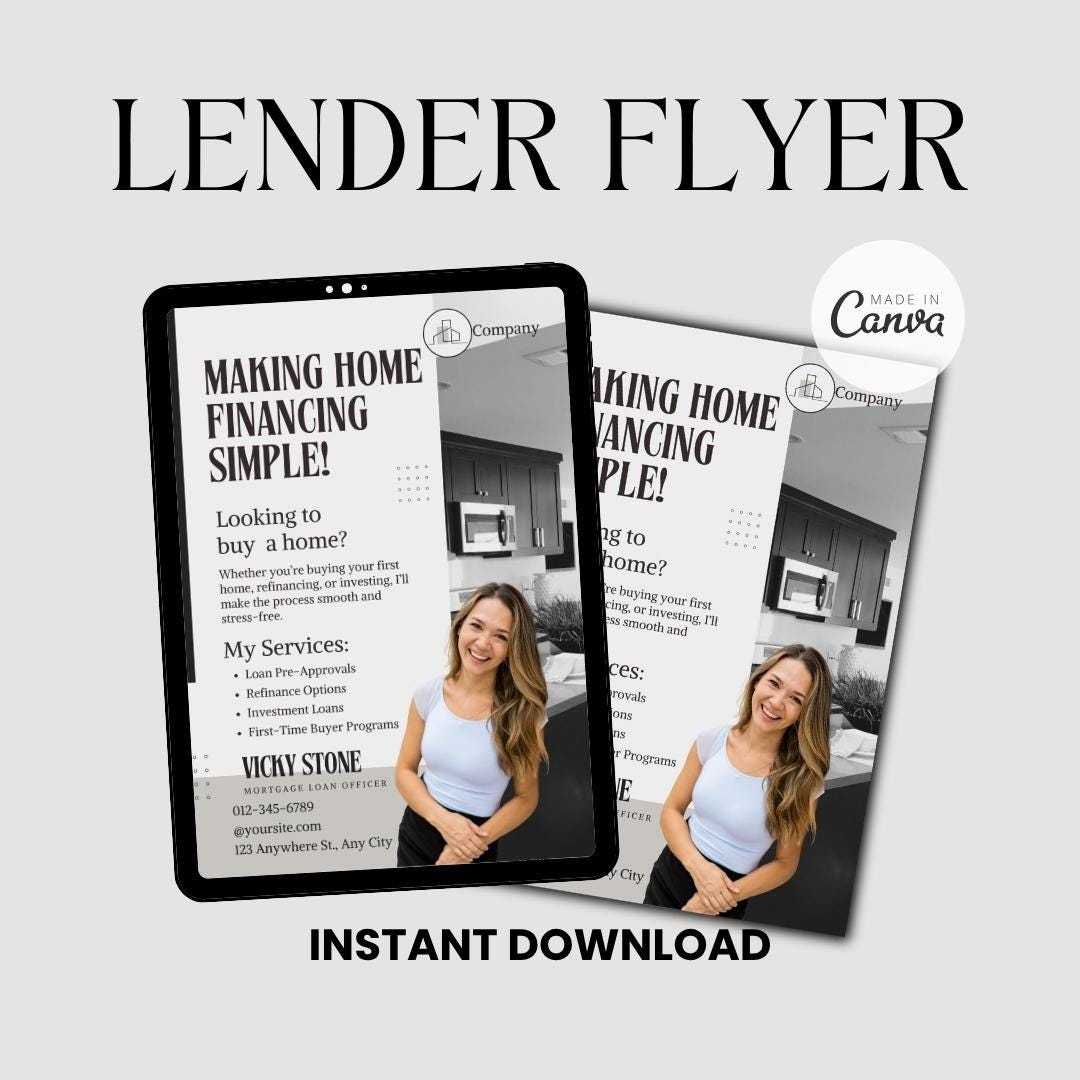
Use high-quality, professional imagery that resonates with your local market. Avoid generic, low-resolution stock photos that make your business look inauthentic. Maintain consistent branding by incorporating your company colors, professional headshot, NMLS number, and Equal Housing Opportunity logo prominently.
Call to Action (CTA)
Every postcard must direct the reader toward a specific next step. Vague statements like "Call us today" underperform compared to low-friction, high-value CTAs. Examples include:
- "Scan the QR code for a personalized rate quote in 60 seconds."
- "Visit [Webpage] to calculate your maximum buying power."
- "Text 'HOME' to [Number] for our free First-Time Buyer Guide."
Compliance, Regulations, and Disclosures
Mortgage marketing is heavily regulated to protect consumers from deceptive lending practices. Direct mail pieces must comply with federal and state laws, including Truth in Lending Act (TILA) guidelines, Real Estate Settlement Procedures Act (RESPA) regulations, and Equal Credit Opportunity Act (ECOA) mandates.
| Regulatory Requirement | What It Means for Postcards | Common Pitfalls to Avoid |
|---|---|---|
| NMLS Licensing | Your unique NMLS ID (and often your company's NMLS ID) must be clearly displayed on the mailer. | Omitting the license number or making it illegible due to small font sizes. |
| Equal Housing Opportunity | The Equal Housing Opportunity logo and logotype must be included on all marketing materials. | Using outdated logo variants or placing the logo where it cannot be easily seen. |
| Accurate Terms & Rates | Any advertised interest rates or loan terms must be available to qualified applicants and include proper Annual Percentage Rate (APR) disclosures if trigger terms are used. | Advertising hyper-specific rates without required APR disclosures or qualifying criteria. |
| RESPA Compliance | Co-marketing postcards with real estate agents must strictly follow cost-sharing rules where each party pays a proportional share based on space allocation. | One party subsidizing the other's marketing costs, which violates anti-kickback provisions. |
Consult with your corporate compliance officer or legal counsel before launching any new creative template to ensure adherence to current regulatory standards.
Data Hygiene and List Acquisition Strategies
The success of your direct mail campaign relies almost entirely on the quality of your mailing list. Purchasing cheap, unverified lists often results in high return-to-sender rates and wasted postage.
Utilize reputable data providers that integrate with public records, credit bureaus (where permissible for prescreened offers), and real estate deeds. Ensure your lists undergo regular National Change of Address (NCOA) processing and Cass certification to minimize undeliverable mail.
For geographic farming, target specific carrier routes with high turnover rates or strong home appreciation metrics. For demographic targeting, filter by length of residence, estimated equity, or credit tiers depending on your loan product focus.
Tracking ROI and Campaign Attribution
Measuring the direct impact of offline marketing requires intentional tracking mechanisms. Because many consumers receive a postcard, put it down, and later search for your brand on Google, direct attribution can be challenging without proper setup.
Implement these methods to track performance accurately:
- Dedicated Phone Numbers: Use call-tracking numbers specific to each postcard campaign so you can measure inbound call volume and listen to lead quality.
- Custom Landing Pages and PURLs: Direct mail recipients to a unique URL printed on the postcard (e.g., yourdomain.com/spring-refi). This isolates web traffic generated exclusively by the mailer.
- QR Codes with UTM Parameters: Embed trackable QR codes that automatically append UTM parameters to your analytics dashboard, tracking scans by date, neighborhood, and creative variant.
Calculate your cost per acquisition (CPA) by dividing total campaign costs (printing, postage, data lists, design) by the number of closed loans generated. Compare this metric across different list segments to refine your strategy over time.
Frequently Asked Questions
What size mortgage marketing postcard works best?
Standard sizes include 4x6 inches, 6x9 inches, and 6x11 inches. While 4x6 postcards are the most cost-effective to print and mail, larger sizes (like 6x9 or 6x11) provide significantly more visual real estate, stand out in mailboxes, and often yield higher response rates.
How often should I mail to the same list?
Consistency is key in direct mail marketing. A single mailing rarely yields optimal results. For geographic farming or sphere-of-influence lists, establish a cadence of mailing once every four to six weeks to build cumulative brand familiarity without fatiguing the audience.
Can I co-market postcards with real estate agents?
Yes, co-marketing is a common practice that splits printing and postage costs between a loan officer and a real estate agent. However, you must ensure strict compliance with RESPA guidelines by dividing costs proportionally to the space occupied by each party on the mailer.
Are prescreened credit lists worth using?
Prescreened lists allow you to target consumers who meet specific credit criteria. While highly effective for mortgage refinancing offers, these lists carry strict Fair Credit Reporting Act (FCRA) requirements, including the obligation to make a firm offer of credit and provide opt-out notices. Always verify compliance protocols with your data vendor.
How can I integrate direct mail with digital marketing?
You can synchronize your direct mail schedule with digital retargeting ads. By uploading your mailing list into social media ad platforms, you can serve digital ads to the exact same households before, during, and after they receive the physical postcard, creating a cohesive multi-touch campaign.
Next Actions for Implementation
To launch a successful mortgage marketing postcard campaign, start by auditing your database to segment past clients, referral partners, and target neighborhoods. Next, draft compliant messaging that clearly communicates your unique value proposition and includes a trackable call to action. Partner with a reputable print-and-mail fulfillment house that offers automated data hygiene services and integrated tracking tools. Begin with a targeted test batch, monitor your response metrics closely, and scale your budget as you identify your highest-converting audience segments.
Image Gallery