Why Pier and Beam Foundation Repair in Fort Lauderdale Matters
Pier and beam foundation repair in Fort Lauderdale is a critical necessity for preserving the structural integrity, market value, and safety of properties built on elevated framing systems. Given the region's unique combination of high...
Pier and beam foundation repair in Fort Lauderdale is a critical necessity for preserving the structural integrity, market value, and safety of properties built on elevated framing systems. Given the region's unique combination of high water tables, sandy soil composition, and frequent moisture exposure, these foundations require specialized maintenance to prevent moisture-related decay, wood-destroying organism infestation, and uneven settling.
Contents
Understanding the Pier and Beam Foundation in South Florida
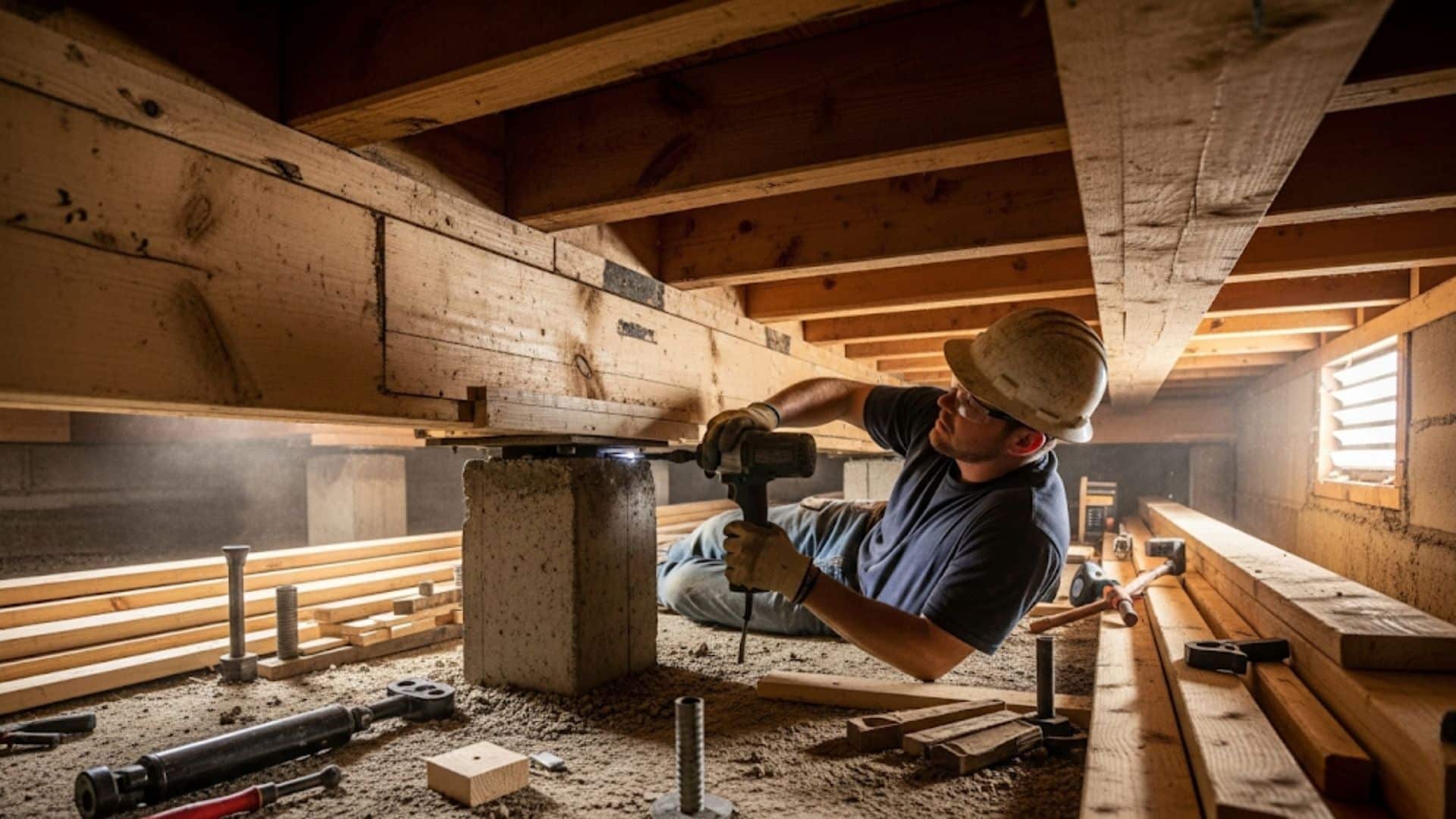
Pier and beam foundations—often referred to as crawlspace foundations—differ significantly from the slab-on-grade concrete foundations common in modern Florida construction. This system relies on a series of concrete or masonry piers that support a wooden frame, creating a crawlspace between the ground and the floor joists.
In Fort Lauderdale, the primary environmental challenge is the interaction between the soil and the structural components of the house. Because the elevation is close to sea level, the water table is notoriously high. When the crawlspace is not properly ventilated or sealed, humidity levels soar, creating a microclimate that fosters rot, fungal growth, and wood-boring insects. Repairing these foundations is not merely about leveling floors; it is about addressing the biological and geological pressures that threaten the home's "skeleton."
Environmental Catalysts for Foundation Distress
Fort Lauderdale experiences a climate that is uniquely hostile to traditional pier and beam construction. Several factors necessitate consistent professional evaluation and repair:
- High Water Table Saturation: Soil moisture levels fluctuate drastically during the rainy season. This consistent moisture keeps wooden piers and beams in a state of potential saturation, leading to wood rot and structural weakening.
- Sandy Soil Erosion: Florida’s sandy, loose soil provides less lateral stability than clay or rocky substrates. Over time, the piers can shift, tilt, or sink due to erosion caused by excessive rainfall or poor site drainage, leading to uneven floors.
- Termite and Pest Pressure: The humid, dark, and often damp environment underneath a pier and beam home is a prime habitat for subterranean termites. If the foundation's wooden components are compromised by moisture, they become significantly more susceptible to infestations that can remain hidden until structural failure occurs.
Identifying Signs of Foundation Failure
Homeowners in Fort Lauderdale must remain vigilant for specific warning signs that indicate their pier and beam foundation requires professional intervention. Detecting these issues early can prevent the need for more expensive, invasive, and extensive structural work.
- Sloping or Uneven Floors: If you notice a visible slant in your floor or objects rolling unexpectedly, the piers supporting those areas may have settled or shifted.
- Cracks in Interior Finishes: While minor settlement is common, diagonal cracks appearing in drywall or gaps between the floor and the baseboards often point to foundation movement.
- Sticking Doors and Windows: As the foundation shifts, the frame of the house warps. This misalignment prevents doors and windows from operating smoothly, causing them to stick or jam.
- Musty Odors: A persistent, damp, or earthy smell coming from the floor vents or around the perimeter of the home is a common symptom of moisture buildup and wood decay in the crawlspace.
- Visible Piers or Beam Damage: If you have access to your crawlspace, look for piers that are leaning, crumbling, or beams that show signs of sagging or fungal growth.
The Repair Process: Ensuring Longevity
When a professional contractor addresses pier and beam foundation issues in Fort Lauderdale, they follow a systematic approach to restore both stability and moisture resistance.
- Assessment: Engineers or foundation specialists conduct a site survey to identify the extent of settlement and the condition of the wooden members. They look for "deflection," which is the degree to which beams have sagged.
- Moisture Mitigation: Before structural repairs, it is standard practice to address the moisture issue. This might involve installing vapor barriers, improving crawlspace ventilation, or implementing a perimeter drainage system to prevent water pooling.
- Pier Shimming or Replacement: If a pier has settled, it may be shimmed to restore the level. If a pier is structurally failing, it is replaced, often with reinforced pre-cast concrete or steel piers.
- Beam Support: In cases where the main load-bearing beams have begun to rot or sag, the contractor may "sister" the beams (attaching new lumber alongside the old) or replace them entirely with pressure-treated or moisture-resistant materials.
Comparison of Foundation Repair Considerations
| Consideration | Slab-on-Grade Foundation | Pier and Beam Foundation |
|---|---|---|
| Primary Risk | Soil expansion/contraction | Moisture/Humidity decay |
| Accessibility | Limited (must break concrete) | High (via crawlspace) |
| Main Maintenance | Crack sealing/Leveling | Ventilation/Termite/Rot control |
| Common Climate Issue | Saltwater corrosion | High humidity/Water table |
Frequently Asked Questions
How long does a pier and beam foundation last in Florida? With proper maintenance, a pier and beam foundation can last for decades. However, because wood is a primary component, it is highly dependent on humidity control. If the crawlspace is kept dry and free of pests, these structures can endure as long as the rest of the home.
Can I fix a sagging floor myself? While simple leveling tasks can be tempting for DIY enthusiasts, foundation repair involves structural load-bearing elements. If a pier is not shimmed correctly or if the soil below is not properly compacted, the repair can fail and cause further damage to the home's framing. Professional assessment is highly recommended.
Why is moisture control more important in Fort Lauderdale than elsewhere? Fort Lauderdale’s coastal climate creates a high-humidity environment. Unlike drier climates where wood stays relatively stable, local homes are subject to "wood moisture content" (WMC) levels that consistently hover in the decay-risk zone, making mitigation essential to prevent fungal rot.
What is the role of a vapor barrier? A vapor barrier is a heavy-duty plastic sheeting installed over the soil in the crawlspace. It prevents moisture from evaporating from the ground and rising into the home’s floor system, which is a major factor in protecting wooden piers and beams from decay.
How does foundation damage affect my property value? Foundation issues are major red flags for prospective buyers and home inspectors. A compromised foundation can lead to a significant decrease in home appraisal value and may make it difficult to secure a standard mortgage, as lenders require a structurally sound building.
Professional Next Steps
If you suspect your foundation is showing signs of distress, the first step is to consult with a licensed structural engineer or a foundation specialist experienced in South Florida’s specific coastal environment. Do not wait for cracks to widen or for floors to become noticeably uneven. Schedule a crawlspace inspection to check for moisture intrusion, termite damage, or pier misalignment. Addressing these issues today protects the structural integrity of your home for the coming years and maintains your property’s overall market equity.
Image Gallery