Navigating Waikiki Beachfront Hotels: Choosing the Right Spot for Your Stay
Selecting the ideal beachfront hotel in Waikiki requires balancing your preference for vibrant nightlife, surfing proximity, or quiet relaxation, as distinct micro-locations along this iconic stretch of Oahu offer vastly different atmo...
Selecting the ideal beachfront hotel in Waikiki requires balancing your preference for vibrant nightlife, surfing proximity, or quiet relaxation, as distinct micro-locations along this iconic stretch of Oahu offer vastly different atmospheres, accessibility, and ocean views.
Contents
Understanding the Geography of Waikiki Beach
Waikiki is not a single, uniform stretch of sand. Instead, it is divided into distinct sections, each managed by different coastal conditions, historical developments, and zoning laws. Understanding these segments is the first step in ensuring your hotel choice matches your travel expectations. The beachfront is roughly two miles long, stretching from the Duke Kahanamoku Lagoon in the west to the slopes of Diamond Head (Lēʻahi) in the east.
When travelers search for Waikiki beachfront hotels, they often assume every property with ocean views sits directly on the sand. In reality, many properties are separated from the shoreline by Kalakaua Avenue or parklands like Kapiʻolani Park. True beachfront properties—those where you step straight from the lobby or pool deck onto the sand without crossing a public street—are relatively limited and command premium pricing. Knowing the micro-locations helps you narrow down where you want to sleep, swim, and dine.
Key Micro-Locations Along the Waikiki Shoreline
Each pocket of Waikiki has a distinct personality shaped by its proximity to surf breaks, shopping corridors, and natural landmarks. Breaking down these zones allows you to target the exact environment you want.
| Micro-Location | Atmosphere & Vibe | Primary Attraction |
|---|---|---|
| West Waikiki | Family-friendly, calmer waters | Duke Kahanamoku Lagoon, marina |
| Central Waikiki | High-energy, bustling, central | Royal Hawaiian Center, surf |
| East Waikiki | Sophisticated, quieter, scenic | Queen's Surf Beach, Park |
West Waikiki (Fort DeRussy and Hilton Village Area)
The western end of Waikiki centers around Fort DeRussy Park and the sprawling resort complexes near the marina. This area tends to be popular with families because the waters are protected by offshore reefs, creating calmer swimming conditions. The beach here is wide, offering ample space for lounging. Properties in this zone often feature large resort footprints with multiple pools, extensive dining options, and self-contained amenities.
Central Waikiki (The Royal Hawaiian and International Market Place Zone)
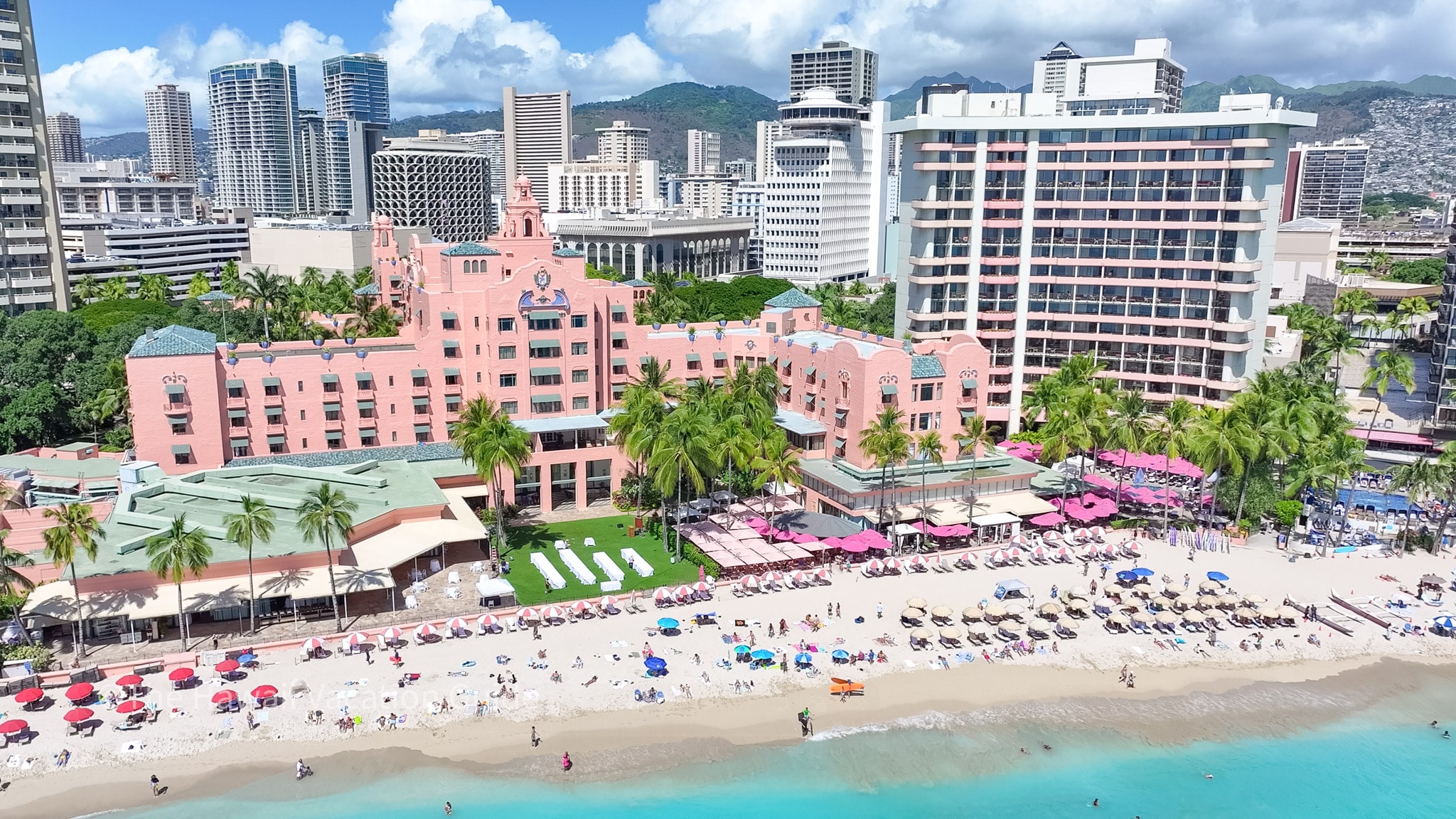
If you want to be in the epicenter of the action, Central Waikiki is the definitive choice. This stretch places you within steps of luxury designer boutiques, high-end restaurants, and legendary historic properties like The Royal Hawaiian (the "Pink Palace of the Pacific") and the Moana Surfrider. The beach here is lively, framed by the famous historic seawalls and iconic surf breaks like Canoes. However, expect higher foot traffic, street noise, and a bustling urban energy that persists well into the evening.
East Waikiki (Queen's Surf Beach and Kapiʻolani Park)
Moving eastward toward Diamond Head, the atmosphere shifts dramatically. The commercial density gives way to open green spaces, banyan trees, and a more relaxed, residential feel. Queen's Surf Beach is a favorite among local residents and visitors looking for a slightly more laid-back beach experience. Properties here offer stunning, unobstructed views of Diamond Head and are closer to the Honolulu Zoo and the Waikiki Aquarium. It is the ideal micro-location for travelers who want beach access paired with a quieter retreat at the end of the day.
Evaluating True Beachfront vs. Ocean View Properties
One of the most common points of confusion for first-time visitors to Oahu is the distinction between a beachfront hotel and an ocean-view hotel. Clarifying this difference prevents disappointment upon arrival and helps manage your vacation budget effectively.
True Beachfront Hotels
True beachfront hotels have no public roads, thoroughfares, or commercial buildings separating their property line from the sand. Examples include properties situated directly on the shoreline where the pool deck merges seamlessly with the seawall or beach access path. The primary advantage is absolute convenience: you can walk from your air-conditioned room to the ocean in under a minute without carrying gear across busy intersections.
Ocean-View and Ocean-Adjacent Hotels
Many famous hotels in Waikiki are located across Kalakaua Avenue from the beach. While these properties may offer sweeping, elevated vistas of the Pacific Ocean from upper-floor rooms, getting to the sand requires crossing a busy four-lane avenue filled with pedestrians, rental mopeds, and vehicular traffic. These hotels often cost less than true beachfront options while still delivering the visual reward of blue water and stunning sunsets.
Balancing Amenities, Resort Fees, and Hidden Costs
Booking a stay at a Waikiki beachfront hotel requires looking past the base nightly room rate. The total cost of your accommodation is frequently influenced by resort fees, parking charges, and amenity structures that vary significantly across properties.
- Resort and Amenity Fees: Many Waikiki hotels charge mandatory daily resort fees. These fees typically cover Wi-Fi, cultural activities (such as lei-making or hula lessons), fitness center access, and sometimes beach chair rentals. Always verify what is included before booking.
- Valet and Self-Parking: Parking in Waikiki is notoriously expensive and scarce. True beachfront properties rarely offer free parking, and valet charges can easily add $50 to $70 per night to your bill. If you plan on renting a car to explore the North Shore or the windward side, confirm the hotel's parking policies and garage clearance limits.
- Pool and Beach Services: True beachfront hotels usually provide towel service and pool loungers, but premium beach umbrellas and reserved chairs directly on the sand often incur separate daily rental fees managed by concessionaires.
Seasonality, Weather, and Ocean Conditions
Waikiki enjoys warm tropical weather year-round, but seasonal shifts dramatically alter ocean conditions, water safety, and crowd levels.
During the summer months (May through September), the south shore of Oahu experiences gentle swells, crystal-clear water, and wide sandy beaches, making it prime swimming season. Conversely, winter months (November through February) can bring larger swells, occasional storms, and beach erosion. While Waikiki is generally protected from the massive, dangerous waves that batter the North Shore during winter, rough surf can still impact beach width and swimming safety.
Travelers should also factor in peak tourism seasons. Summer and the winter holidays (mid-December through early January) see maximum occupancy rates, higher room tariffs, and crowded beaches. Shoulder seasons, such as April to May and September to October, often provide a balanced combination of favorable weather, lower occupancy, and more competitive hotel pricing.
Frequently Asked Questions
Are Waikiki beachfront hotels completely private?
No. Under Hawaii state law, all beaches up to the highest wash of the waves are public property. While beachfront hotels control their pool decks, lawns, and private property lines, anyone can walk along the sand directly in front of any Waikiki hotel. There are no private beaches in Hawaii.
How do I avoid loud street noise in Central Waikiki?
Central Waikiki is vibrant and loud due to nightlife, emergency vehicles, and street traffic on Kalakaua Avenue. To minimize noise, request a high-floor room facing away from the main avenue, or choose properties located further east toward Queen's Surf Beach or west near Fort DeRussy.
Is it necessary to rent a car when staying at a Waikiki beachfront hotel?
If you plan to stay entirely within Waikiki to enjoy the beach, dining, and shopping, a rental car is unnecessary and often a financial burden due to high parking fees. Public transit (TheBus), rideshares, and walking are sufficient. A car is only recommended if you plan multiple day trips outside urban Honolulu.
What is the best micro-location for families with young children?
West Waikiki, near the Hilton Hawaiian Village and Fort DeRussy, is generally considered the best choice for families. The waters are calmer, the parks offer open green space for children to play, and the resort properties feature expansive pool complexes tailored to younger guests.
Next Steps for Booking Your Stay
Start by auditing your travel priorities: Do you want quiet mornings near Diamond Head, family-friendly lagoon swimming in West Waikiki, or immediate access to designer shopping in Central Waikiki? Once you select your micro-location, compare true beachfront properties against ocean-adjacent alternatives to determine where you want to allocate your budget. Verify all mandatory resort fees and parking policies directly with the property before confirming your reservation to ensure your Waikiki getaway matches your expectations.
Image Gallery