Comprehensive Guide to California Vehicle Registration in 2026
Navigating the California vehicle registration process requires understanding specific timelines, smog inspection mandates, fee calculations, and documentation requirements enforced by the California Department of Motor Vehicles (DMV)....
Navigating the California vehicle registration process requires understanding specific timelines, smog inspection mandates, fee calculations, and documentation requirements enforced by the California Department of Motor Vehicles (DMV). Whether you are registering a newly purchased vehicle, transferring ownership, or bringing a car from out of state, compliance with California Air Resources Board (CARB) and DMV standards is mandatory to avoid late penalties and legal citations.
Contents
Understanding California Vehicle Registration Prerequisites
Before submitting an application for California vehicle registration, vehicle owners must satisfy several foundational legal and mechanical requirements. The State of California enforces stringent environmental and safety benchmarks, meaning your vehicle must clear specific verification hurdles before the DMV will issue license plates, registration cards, or validation stickers.
Mandatory Documentation Checklist
- Certificate of Title: Properly endorsed by the previous owner with odometer disclosure, or the manufacturer's certificate of origin for brand-new vehicles.
- Proof of Financial Responsibility: Valid California liability insurance meeting the state minimum limits of $15,000 for injury/death to one person, $30,000 for injury/death to more than one person, and $5,000 for property damage.
- Smog Inspection Certification: Electronically transmitted passing certificate from a licensed smog check station, unless the vehicle is exempt.
- Vehicle Verification (REG 31): Required for vehicles last registered outside California, performed by DMV personnel, law enforcement, or authorized mobile VIN inspectors.
The 2026 California Smog Check Mandate and Exemptions
Air quality regulations administered by the Bureau of Automotive Repair (BAR) dictate that most vehicles powered by gasoline, alternative fuels, or natural gas must pass a smog inspection every two years. Knowing your vehicle's status under these rules prevents wasted trips and processing delays.
Smog Inspection Requirements by Vehicle Type
Smog Check Policy Highlights Bi-Annual Requirement: Gasoline-powered vehicles manufactured after 1976 registered in non-exempt counties require a biennial smog check at the time of registration renewal. Change of Ownership: A smog certification is required whenever a vehicle is transferred to a new owner, unless the vehicle is less than four model years old. Exemptions: Electric vehicles, natural gas-powered vehicles with a Gross Vehicle Weight Rating (GVWR) of more than 14,000 pounds, motorcycles, trailers, and gasoline-powered vehicles that are eight or fewer model years old are exempt from the biennial check.
Step-by-Step Guide to Registering a Vehicle in California
The registration pathway depends on whether you acquired the vehicle locally through a private party or dealership, or if you imported it from another state or country. The following step-by-step workflow outlines the standard procedure for an out-of-state transfer.
- Secure Temporary Operating Permits: If your out-of-state registration is expired, visit a local DMV office to obtain a temporary operating permit to legally drive the vehicle to smog check and inspection stations.
- Complete the VIN Inspection: Take the vehicle to a DMV office or authorized inspection location to complete Form REG 31, verifying the physical Vehicle Identification Number matches your ownership documents.
- Pass the Smog Check: Visit a licensed smog test-only or test-and-repair station. Ensure the technician transmits the results directly to the DMV database.
- Obtain California Insurance: Contact your insurance provider to bind a California-compliant policy. Verify that your insurer reports policy updates electronically to the DMV's Insurance Program (IRP).
- Calculate and Submit Fees: Gather your completed Application for Title or Registration (Form REG 343), title, inspection reports, and payment for registration fees, weight fees, and applicable use tax.
- Receive Credentials: Once processed, the DMV will issue your license plates, year sticker, month sticker, and permanent registration card.
Breakdown of California Vehicle Registration Fees and Taxes
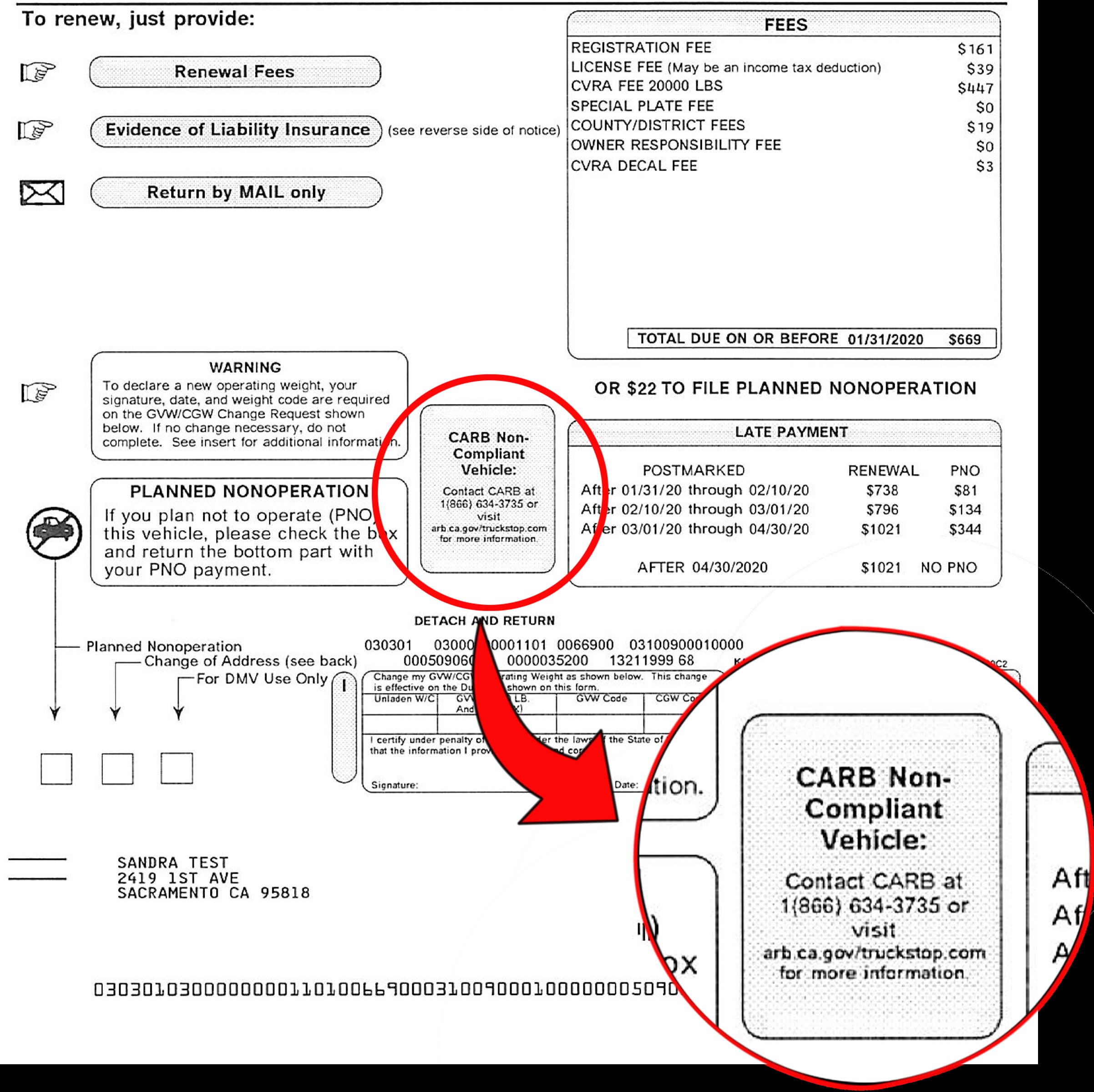
California vehicle registration fees are composed of several distinct line items, varying by vehicle weight, purchase price, county of residence, and fuel type. Budgeting for these costs requires an understanding of how the state structures its assessment formulas.
- Registration Fee: A flat base fee charged for all motor vehicles.
- Vehicle License Fee (VLF): An annual property tax based on the purchase price or value of the vehicle, depreciated over time.
- Transportation Improvement Fee (TIF): A sliding-scale fee based on the estimated market value of your vehicle, funding road and highway repairs.
- County-Specific District Taxes: Local surcharges levied by specific transit districts or counties (such as San Francisco, Los Angeles, or Alameda) to support public transportation networks.
- Zero-Emission Vehicle (ZEV) Fee: An additional annual road improvement fee applied to plug-in hybrid and fully electric passenger vehicles to offset lost gasoline tax revenue.
Comparing Registration Pathways: In-State vs. Out-of-State
Registering a vehicle originally purchased within California differs significantly from bringing a vehicle across state lines. The table below outlines the primary operational differences, required paperwork, and timelines.
| Registration Feature | In-State Transfer (Dealer / Private) | Out-of-State Import |
|---|---|---|
| Primary Forms Required | Application for Title (REG 262) & Smog | Application for Title/Registration (REG 343) & REG 31 |
| Timeframe to Register | 10 days (dealer) / 30 days (private party) | 20 days from establishing residency or entering the state |
| Smog Inspection | Required unless under 4 model years old | Required unless hybrid/electric or under 8 model years old |
| VIN Verification | Typically completed automatically via title | Mandatory physical inspection by authorized personnel |
| Use Tax Assessment | Calculated based on county of residence and purchase price | Assessed based on purchase price, minus tax paid to another state |
Common Failure Points and Troubleshooting Advice
Vehicle registration applications frequently face rejection or processing holds due to easily preventable errors. Reviewing these common pitfalls helps ensure a smooth transaction.
- Incomplete Signatures: Ensure all registered owners sign the title document precisely as their names appear on the front. If the title lists names with "AND/OR" connectors, verify which signatures are required.
- Odometer Discrepancies: Write the exact mileage at the time of sale on the title or REG 262 form. Alterations, cross-outs, or estimated numbers will invalidate the transfer document.
- Delayed Submissions: Submitting private party transfer documents or out-of-state registration requests past the 10-day, 20-day, or 30-day statutory windows results in mandatory late penalties and localized fee escalations.
- Incomplete Insurance Data: If your insurance company fails to upload your policy details to the DMV electronic verification system, your registration will be suspended, requiring manual confirmation from your insurance agent.
Frequently Asked Questions
What is the deadline to register a vehicle purchased from a private party in California?
Buyers must submit the transfer application, title, and applicable fees within 30 days of the actual purchase date to avoid statutory late penalties. Prompt submission ensures you do not inherit unpaid parking tickets or registration fees from the prior owner.
Are electric vehicles exempt from California registration fees?
No, while electric vehicles are exempt from biennial smog check inspections, they are subject to standard registration fees, local county assessments, and an annual Zero-Emission Vehicle (ZEV) road improvement fee designed to replace traditional gasoline tax contributions.
How do I register a vehicle if I have lost the original California title?
You must complete and submit an Application for Replacement or Transfer of Title (Form REG 227) along with the appropriate duplicate title fee. If there is an outstanding lien on the vehicle, the legal owner or lienholder must sign off on the replacement request.
What should I do if my vehicle fails its smog inspection?
You must have the vehicle repaired by a licensed smog repair technician, obtain a re-test, and secure a passing certificate before the DMV will finalize your registration. If repair costs are prohibitive, you may apply for a low-income repair assistance program or request a financial hardship economic waiver through the Bureau of Automotive Repair.
Can I complete my California vehicle registration online?
Most standard annual registration renewals can be completed online through the official California DMV website by entering your license plate number and the last five digits of your VIN. Initial registrations for out-of-state vehicles or complex title transfers typically require an in-person appointment or submission via authorized DMV partner services.
How is the use tax calculated on a vehicle brought from another state?
The use tax is calculated as a percentage based on the purchase price of the vehicle and your specific county of residence within California. If you purchased the vehicle and paid sales tax in another state, you may receive a credit against the California use tax owed, provided you supply valid proof of payment.
Practical Recommendation for DMV Compliance
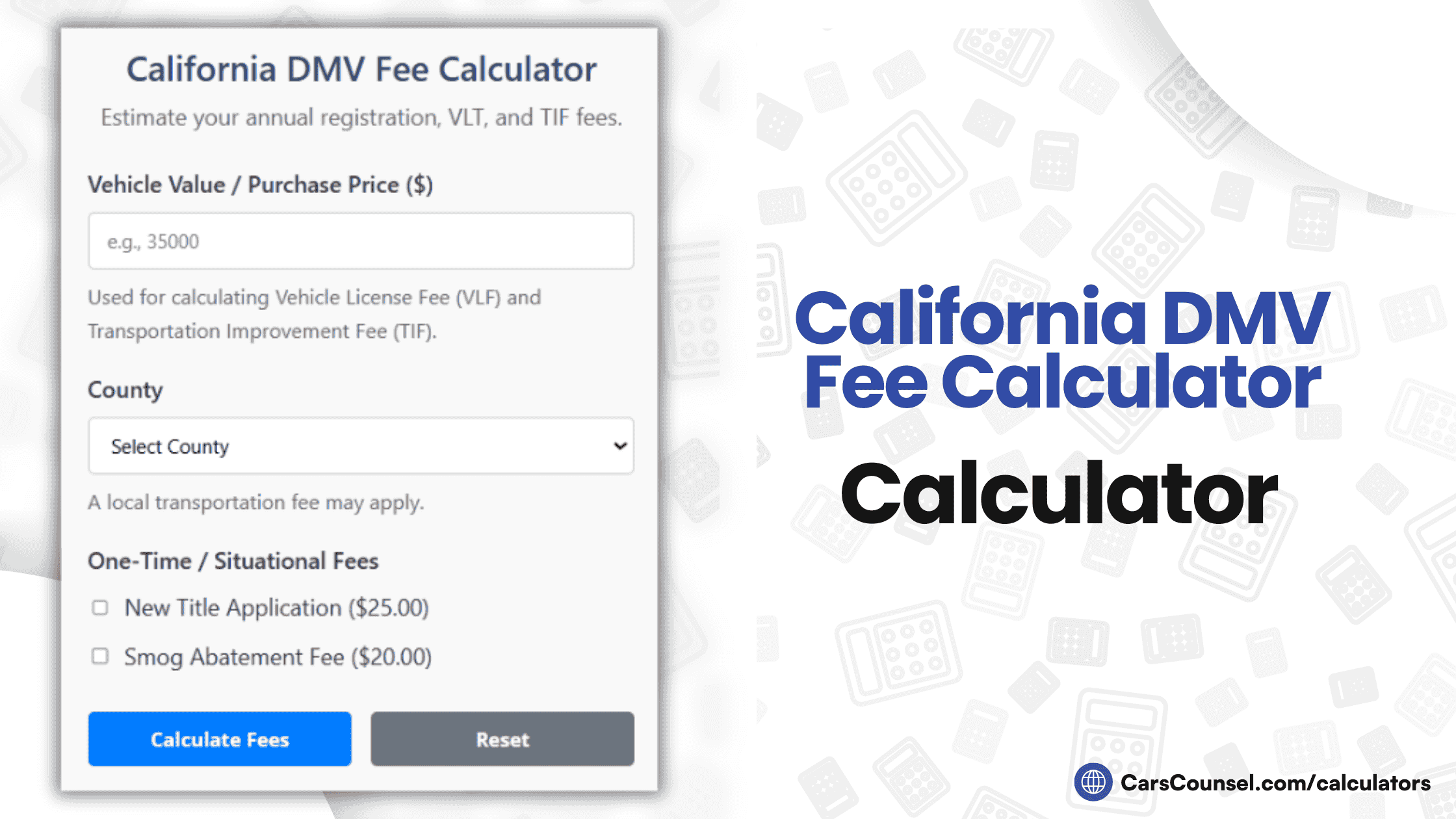
To minimize administrative friction, utilize the online California DMV fee calculator and document checklist tools prior to visiting a physical service window or mailing your paperwork. Gathering your smog certificate, active insurance binder, and properly signed title in advance guarantees compliance with state statutes and expedites the issuance of your active California vehicle credentials.
Image Gallery