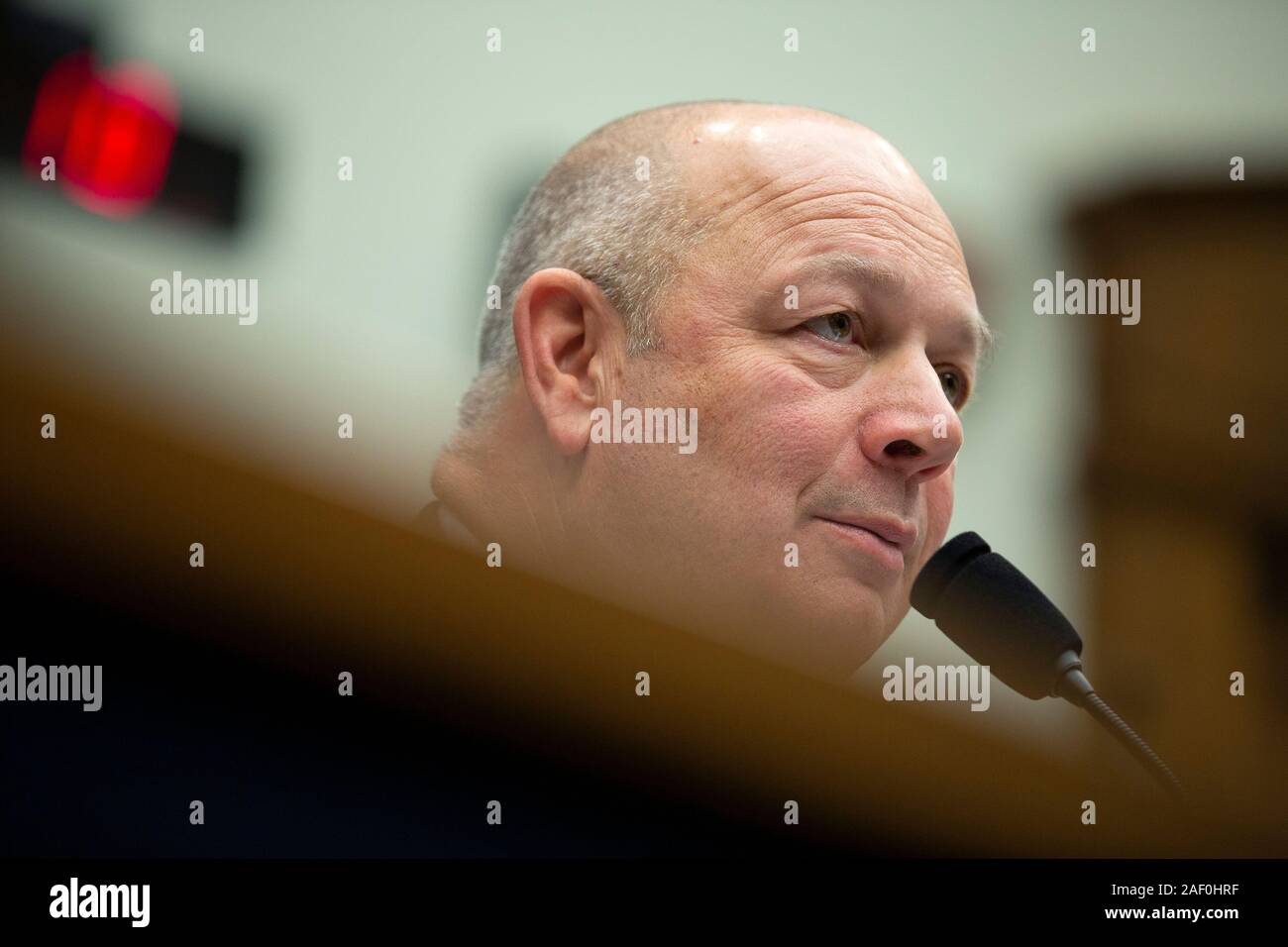
Stephen Dickson Net Worth: Career Earnings and Financial Profile
As of 2026, Stephen Dickson’s net worth is estimated to be between $8 million and $15 million. This valuation is primarily rooted in his 27-year career at Delta Air Lines, where he rose to the rank of Senior Vice President of Flight Op...
As of 2026, Stephen Dickson’s net worth is estimated to be between $8 million and $15 million. This valuation is primarily rooted in his 27-year career at Delta Air Lines, where he rose to the rank of Senior Vice President of Flight Operations, supplemented by his tenure as the FAA Administrator and subsequent post-government advisory roles.
Contents
Understanding the Financial Trajectory of Stephen Dickson
To analyze the net worth of Stephen Dickson, one must look at the intersection of high-level corporate aviation management and top-tier federal service. Dickson’s financial standing is not merely a product of a single salary but the result of decades of executive compensation, stock options, and the strategic management of assets within the highly volatile aerospace industry.
Before his transition into public service, Dickson was a foundational figure at Delta Air Lines. His career there spanned from the cockpit to the boardroom, providing him with a compensation structure that included base salaries, performance bonuses, and significant equity grants. When he was nominated to lead the Federal Aviation Administration (FAA) in 2019, his mandatory financial disclosures provided a rare window into the wealth accumulated by a career airline executive.
The Delta Air Lines Years: The Foundation of Wealth
The vast majority of Stephen Dickson’s net worth was generated during his nearly three decades at Delta Air Lines. Joining the company in 1991 after serving as an officer and F-15 fighter pilot in the United States Air Force, Dickson climbed the ranks with surgical precision.
By the time he reached the position of Senior Vice President of Flight Operations, he was responsible for the safety and operational performance of Delta’s global flight operations, as well as pilot training, crew scheduling, and regulatory compliance.
Executive Compensation Structures
At the Senior Vice President (SVP) level in a major U.S. carrier like Delta, compensation packages are multi-faceted. They generally consist of:
- Base Salary: Typically ranging from $400,000 to $600,000 annually for SVPs at major legacy carriers.
- Annual Incentives: Performance-based cash bonuses that can equal or exceed 50% of the base salary.
- Long-Term Incentives (LTI): This is where significant wealth is often built. LTIs usually take the form of Restricted Stock Units (RSUs) or performance shares that vest over several years.
- Pension and Retirement Benefits: Pilots and executives of Dickson’s era often benefited from specialized retirement structures, though many were modified following the industry's restructuring in the early 2000s.
According to financial disclosures filed during his FAA confirmation process, Dickson held substantial assets tied to Delta. These included common stock and various retirement vehicles. Estimates at the time suggested his Delta-related holdings and other diversified investments placed his liquid and semi-liquid assets well into the multi-million dollar range.
Public Service and the FAA Tenure
In July 2019, Stephen Dickson was confirmed as the Administrator of the FAA. While this role is one of the most powerful in global aviation, it represents a "pay cut" for someone coming from a top-tier executive position in the private sector.
Federal Salary Scales
As FAA Administrator, Dickson’s salary was determined by the Executive Schedule. For Level II positions, which includes the heads of major agencies like the FAA, the annual salary in the early 2020s was approximately $190,000 to $203,700.
While this salary is high by general standards, it is significantly lower than the total compensation of an airline SVP. However, the value of the FAA role for a professional like Dickson is often found in the prestige and the "public service" capstone it adds to a career, which can significantly enhance earning potential in the private sector following government service.
Ethical Divestiture and Financial Management
Upon entering the FAA, Dickson was required to navigate strict conflict-of-interest laws. This often involves divesting from specific industry stocks or placing assets into qualified blind trusts. For Dickson, this meant managing his substantial Delta Air Lines holdings to ensure no appearance of bias while he regulated the very industry that provided his wealth. The process of divesting and reinvesting into diversified mutual funds or treasury instruments is a standard procedure that preserves capital while complying with federal ethics requirements.
Post-FAA Career and Board Memberships (2022–2026)
Stephen Dickson resigned from the FAA in March 2022, citing a desire to spend more time with his family. However, top-tier former regulators rarely stay fully retired. Since 2022, Dickson has been a sought-after voice for corporate boards, aerospace consultancies, and think tanks.
The Value of a Former Administrator
The "revolving door" between regulatory agencies and the private sector is a well-documented phenomenon. A former FAA Administrator possesses unique insights into:
- Certification Processes: Critical for companies like Boeing or emerging Advanced Air Mobility (AAM) startups.
- Safety Management Systems (SMS): A global standard that Dickson championed.
- International Relations: Understanding how the FAA interacts with ICAO and EASA.
By 2026, it is common for individuals of Dickson’s caliber to hold seats on two or three corporate boards. In the aerospace and defense sector, a non-employee director can expect an annual retainer and equity awards totaling between $250,000 and $450,000 per board. If Dickson serves on multiple boards, his annual income post-2022 likely returned to, or exceeded, his previous executive levels at Delta.
Financial Summary and Key Assets
To provide a clearer picture of how Stephen Dickson’s net worth is distributed, the following table outlines the estimated breakdown of his career earnings and asset classes based on available public records and industry standards.
| Earnings Source / Asset Class | Estimated Value / Contribution | Notes |
|---|---|---|
| Delta Air Lines (27 Years) | $15M - $25M (Lifetime Gross) | Includes salary, bonuses, and vested stock. |
| FAA Salary (2019-2022) | ~$550,000 (Total) | Capped by federal Executive Schedule Level II. |
| Post-FAA Board/Advisory | $1M - $3M (Cumulative) | Estimated earnings from 2022 to 2026. |
| Real Estate Holdings | $2M - $4M | Primary residence and potential secondary properties. |
| Investment Portfolio | $5M - $8M | Diversified funds, bonds, and remaining equity. |
| Total Estimated Net Worth | $8M - $15M | Adjusted for taxes, divestiture, and market fluctuations. |
Factors Influencing Net Worth Stability
Several factors have influenced the stability and growth of Dickson’s net worth over the last decade.
Market Volatility in Aviation
Because a significant portion of his wealth was historically tied to Delta Air Lines equity, the performance of the airline industry has a direct impact. The COVID-19 pandemic caused a massive dip in airline stock values in 2020-2021. However, since Dickson was in government service during much of this time and likely had to divest or shift his holdings, he may have been insulated from the worst of the industry-specific volatility, depending on the timing of his transactions.
Retirement and Pension Plans
Unlike many modern professionals, airline pilots and executives of Dickson's tenure often had access to robust defined-benefit or high-match defined-contribution plans. These specialized retirement vehicles provide a "floor" for net worth that is less susceptible to market whims than standard brokerage accounts.
Legal and Consulting Fees
While not a direct asset, the cost of maintaining a high-profile legal and professional standing—especially during intense congressional testimony regarding the Boeing 737 MAX or the 5G rollout—can involve significant expenditure. However, in many cases, government officials have certain protections or insurance that mitigate these costs.
Comparison to Other FAA Administrators
When comparing Stephen Dickson’s net worth to his predecessors or successors, he falls into the "industry veteran" category.
- Michael Huerta (2013-2018): Coming from a background in transportation and the private sector, Huerta’s wealth was comparable, though perhaps more focused on consulting than long-term airline equity.
- Marion Blakey (2002-2007): As a former head of the Aerospace Industries Association (AIA), her post-FAA earnings were significant, often cited in the multi-million dollar range due to high-level lobbying and trade association leadership.
Dickson represents the "Executive-Pilot" archetype, where the wealth is built through a long-duration climb within a single major corporation, followed by a transition into the highest levels of global regulatory authority.
Frequently Asked Questions
What was Stephen Dickson’s salary at Delta Air Lines?
While specific annual figures are private, an SVP at a major carrier like Delta typically earns a base salary between $450,000 and $600,000. Total compensation, including bonuses and stock, can reach $1.5 million to $3 million annually depending on company performance.
Did Stephen Dickson own Boeing stock while at the FAA?
No. Federal ethics rules generally prohibit the FAA Administrator from holding significant interests in companies they directly regulate, such as Boeing or major airlines. Dickson was required to divest from such holdings or place them in a blind trust upon his confirmation.
How much does a former FAA Administrator make on a corporate board?
Board members for major aerospace or technology companies usually receive a compensation package of $250,000 to $450,000. This is typically split between a cash retainer and stock awards.
Is Stephen Dickson still involved in aviation in 2026?
Yes. Dickson remains a prominent figure in aviation safety circles, frequently appearing as a speaker at international safety forums and providing strategic advice to companies navigating the evolving regulatory landscape of drone integration and sustainable aviation fuels.
Did the Boeing 737 MAX crisis affect his net worth?
The crisis occurred just as he took office. While it defined his tenure and required immense professional effort, it did not directly impact his personal net worth, other than perhaps delaying his return to the high-earning private sector by focusing his time on the recertification process.
Final Financial Outlook
Stephen Dickson’s financial status in 2026 reflects a career characterized by stability and high-level responsibility. His transition from a decorated military officer to a corporate executive, and finally to a global regulator, has allowed him to accumulate a net worth that places him in the top tier of American earners. His wealth is a combination of long-term equity growth from the airline industry and the high-value consulting potential that follows a successful term as the world's most influential aviation regulator. For those tracking the intersection of public service and private wealth, Dickson serves as a prime example of how industry expertise can be leveraged into a substantial and diversified financial portfolio.
Image Gallery