Exploring the Dynamics of Older Women and Younger Guys in Movies: A Cinematic History
Relationships featuring older women and younger guys in movies—often categorized as "May-December" romances—examine the complex intersection of desire, societal judgment, and personal agency. From early cinematic warnings about aging t...
Relationships featuring older women and younger guys in movies—often categorized as "May-December" romances—examine the complex intersection of desire, societal judgment, and personal agency. From early cinematic warnings about aging to modern stories of empowerment and sexual reawakening, these films challenge traditional gender hierarchies and provide a nuanced look at intimacy across generational lines.
Contents
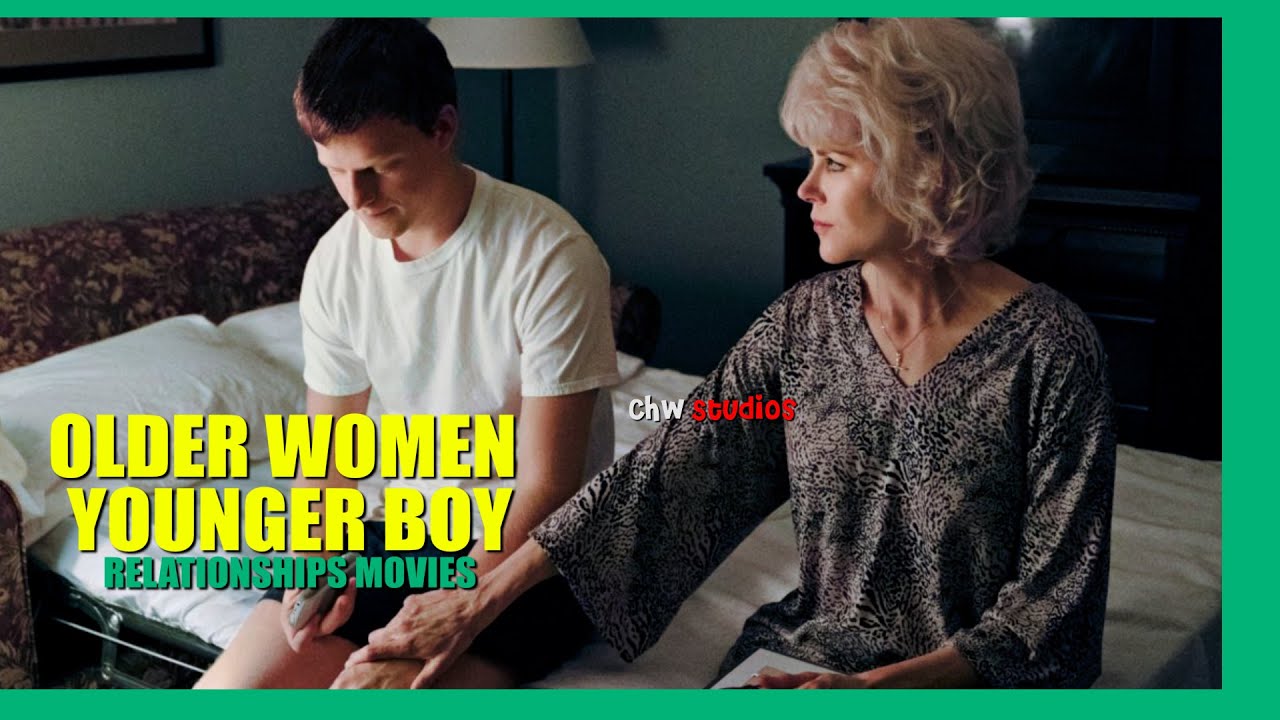
The portrayal of age-gap relationships where the woman is the elder has undergone a massive transformation in the history of cinema. For decades, these stories were relegated to the realms of tragedy, horror, or farce. However, as of 2026, the narrative has shifted toward a more humanistic and realistic exploration of how two people from different eras of life can find common ground. This article explores the history, archetypes, and cultural significance of these films, offering a comprehensive look at why this dynamic continues to fascinate audiences and filmmakers alike.
The Evolution of the May-December Narrative
In the early decades of Hollywood, the concept of an older woman pursuing a younger man was frequently framed through a lens of pathology or desperation. This reflected a societal double standard: while older men with younger women were seen as successful or "virile," older women in similar positions were often labeled as "cougars" or tragic figures clinging to a lost youth.
The Era of Tragedy: Sunset Boulevard
One of the most defining early examples is Billy Wilder’s 1950 masterpiece, Sunset Boulevard. The film depicts Norma Desmond, a faded silent film star, and her obsessive relationship with Joe Gillis, a struggling young screenwriter. In this era, the age gap was used to emphasize Desmond’s mental instability and the "unnatural" nature of her desires. The relationship is transactional and ultimately lethal, serving as a cautionary tale about the dangers of refusing to age gracefully within the studio system.
The New Hollywood Subversion: The Graduate
By 1967, the cultural revolution of the 1960s began to seep into cinema. Mike Nichols’ The Graduate introduced Mrs. Robinson, a character who remains the most famous archetype of the "older woman" in film. While the relationship with Benjamin Braddock is born of boredom and cynicism, the film treats Mrs. Robinson as a complex, albeit predatory, figure. It was one of the first times a mainstream film centered on the sexual agency of a middle-aged woman, even if the narrative ultimately favored the younger protagonists.
Common Archetypes and Themes
To understand the breadth of older women and younger guys in movies, it is essential to categorize the recurring archetypes that filmmakers use to explore these relationships.
1. The Sexual Awakening
In these films, the younger man often serves as a catalyst for the woman to rediscover her sensuality or sense of self. A quintessential example is Stella Got Her Groove Back (1998), where Angela Bassett’s character finds a new lease on life through a romance with a much younger man in Jamaica. These stories often prioritize the woman’s emotional journey over the long-term viability of the relationship.
2. The Forbidden or Scandalous Love
Many films focus on the societal backlash and the "forbidden" nature of the age gap. Notes on a Scandal (2006) and the more recent May December (2023) delve into the darker side of these dynamics, often involving power imbalances, legal ramifications, or moral ambiguity. These films use the age gap to explore the boundaries of consent and the performative nature of "appropriate" relationships.
3. The Intellectual and Emotional Peer
Modern cinema has moved toward depicting these couples as intellectual and emotional equals, despite the age difference. In Good Luck to You, Leo Grande (2022), the focus is almost entirely on the dialogue and mutual respect between a retired teacher and a young sex worker. This represents a significant shift toward normalizing the dynamic as a legitimate form of companionship.
Key Films and Their Impact
The following table provides a comparison of influential films that feature older women and younger guys, highlighting the diversity in tone and outcome across different decades.
| Movie Title | Year | Primary Theme | Tone | Cultural Impact |
|---|---|---|---|---|
| Sunset Boulevard | 1950 | Obsession & Decay | Noir/Tragedy | Established the "tragic aging star" trope. |
| The Graduate | 1967 | Cynicism & Rebellion | Satire/Drama | Created the "Mrs. Robinson" cultural shorthand. |
| Harold and Maude | 1971 | Existentialism | Cult Comedy | Challenged beauty standards with a 60-year gap. |
| White Palace | 1990 | Class & Grief | Romantic Drama | Subverted class expectations through age. |
| The Reader | 2008 | Guilt & Literacy | Historical Drama | Explored the legal and moral weight of age gaps. |
| The Idea of You | 2024 | Fame & Agency | Romance | Modernized the "fandom" and age-gap dynamic. |
| Babygirl | 2024 | Power & Desire | Erotic Thriller | Re-examined corporate power dynamics and lust. |
Addressing the Double Standard: The "Male Gaze" vs. The "Female Gaze"
The way older women and younger guys in movies are filmed often depends on who is behind the camera. Traditionally, the "male gaze" depicted these women as either predators (the "cougar") or humorous anomalies. However, the rise of female directors has introduced the "female gaze," which prioritizes the woman’s internal experience and erotic autonomy.
Films like Adore (2013) or the works of directors like Nicole Holofcener and Maggie Gyllenhaal often strip away the sensationalism. Instead of focusing on the "shock value" of the age difference, they focus on the tactile reality of the relationship. In 2026, critics point to this shift as a primary reason why these movies have moved from the "guilty pleasure" category into serious awards contenders.
The Removal of Stigma
As the average age of moviegoers increases and societal norms regarding marriage and partnership become more fluid, the stigma surrounding these films is evaporating. The 2024 release of The Idea of You, starring Anne Hathaway, demonstrated that there is a massive commercial appetite for stories where an older woman is the romantic lead without being punished for her choices. This has paved the way for more diverse casting and scripts that do not rely on the "tragedy of aging" as a plot point.
Essential Movies to Watch: A Curated List
If you are looking to explore this genre, the following films offer the most substantive takes on the dynamic:
- Harold and Maude (1971): A dark comedy about a death-obsessed young man who falls in love with a 79-year-old woman. It remains a pinnacle of the genre for its genuine emotional depth and refusal to mock its protagonists.
- Film Stars Don't Die in Liverpool (2017): Based on the true story of actress Gloria Grahame and her younger lover, Peter Turner. It is a tender look at how illness and fame intersect with age-gap romance.
- Queen of Hearts (2019): A Danish film that provides a provocative and unsettling look at a successful lawyer who enters into an affair with her stepson. It is a masterclass in tension and moral complexity.
- Gloria Bell (2018): While the age gap is less pronounced than in other films, Julianne Moore’s portrayal of a woman in her 50s navigating the dating world captures the spirit of modern age-gap narratives: the pursuit of joy regardless of life stage.
Common Tropes and How to Spot Them
When watching movies featuring older women and younger men, you will often notice specific narrative "shorthand" used by writers:
- The "Boy Toy" Misconception: The younger man is often initially dismissed as an accessory or a "rebound," only for the film to later reveal his emotional depth.
- The Judging Peer Group: A scene where the woman’s friends or adult children express shock or disapproval is almost a requirement of the genre, serving to heighten the "us against the world" stakes.
- The "Life Lesson" Finale: Frequently, the relationship ends with the younger man "growing up" and the older woman "feeling young again," suggesting the relationship was a transformative phase rather than a permanent destination.
Frequently Asked Questions
What is the most famous movie about an older woman and a younger man?
The Graduate (1967) is widely considered the most famous. Its portrayal of Mrs. Robinson and Benjamin Braddock became a cultural touchstone, influencing music, fashion, and the way age-gap relationships are discussed in popular media for decades.
Why are these relationships often called "May-December" romances?
The term "May-December" refers to the months of the year as a metaphor for the stages of life. "May" represents the spring of youth, while "December" represents the winter of one’s later years. In cinema, this term is used to describe any significant age gap, regardless of which partner is older.
Are there many movies where the age gap is 20 years or more?
Yes, films like Harold and Maude, Adore, and The Idea of You feature age gaps of 15 to 60 years. Cinema often uses these large gaps to maximize the dramatic contrast between the characters' life experiences and societal expectations.
Is the "cougar" trope still used in modern movies?
While the term was popular in the early 2000s, it has largely fallen out of favor in serious filmmaking by 2026. Modern directors prefer to focus on the psychological and emotional nuances of the characters rather than relying on a derogatory slang term that many find reductive.
Do these movies usually have happy endings?
Historically, they ended in tragedy or separation (as seen in The Reader or Sunset Boulevard). However, modern films like Stella Got Her Groove Back or The Idea of You have trended toward more optimistic or open-ended conclusions, reflecting a shift in how society views the validity of these partnerships.
Practical Recommendations for Viewers
When exploring this subgenre of film, it is helpful to look for movies directed by women or those that have won awards for their screenplays. These tend to offer the most realistic and less stereotyped portrayals. Avoid films that use the age gap purely for "gross-out" humor, as they rarely contribute anything meaningful to the conversation. Instead, focus on titles that explore the shared vulnerabilities of the characters, as these provide the most resonance and cinematic value.
Image Gallery