Lee Loughnane: Clarifying the Identity of the Renowned Trumpeter and Disambiguating the Irish Drummer Search
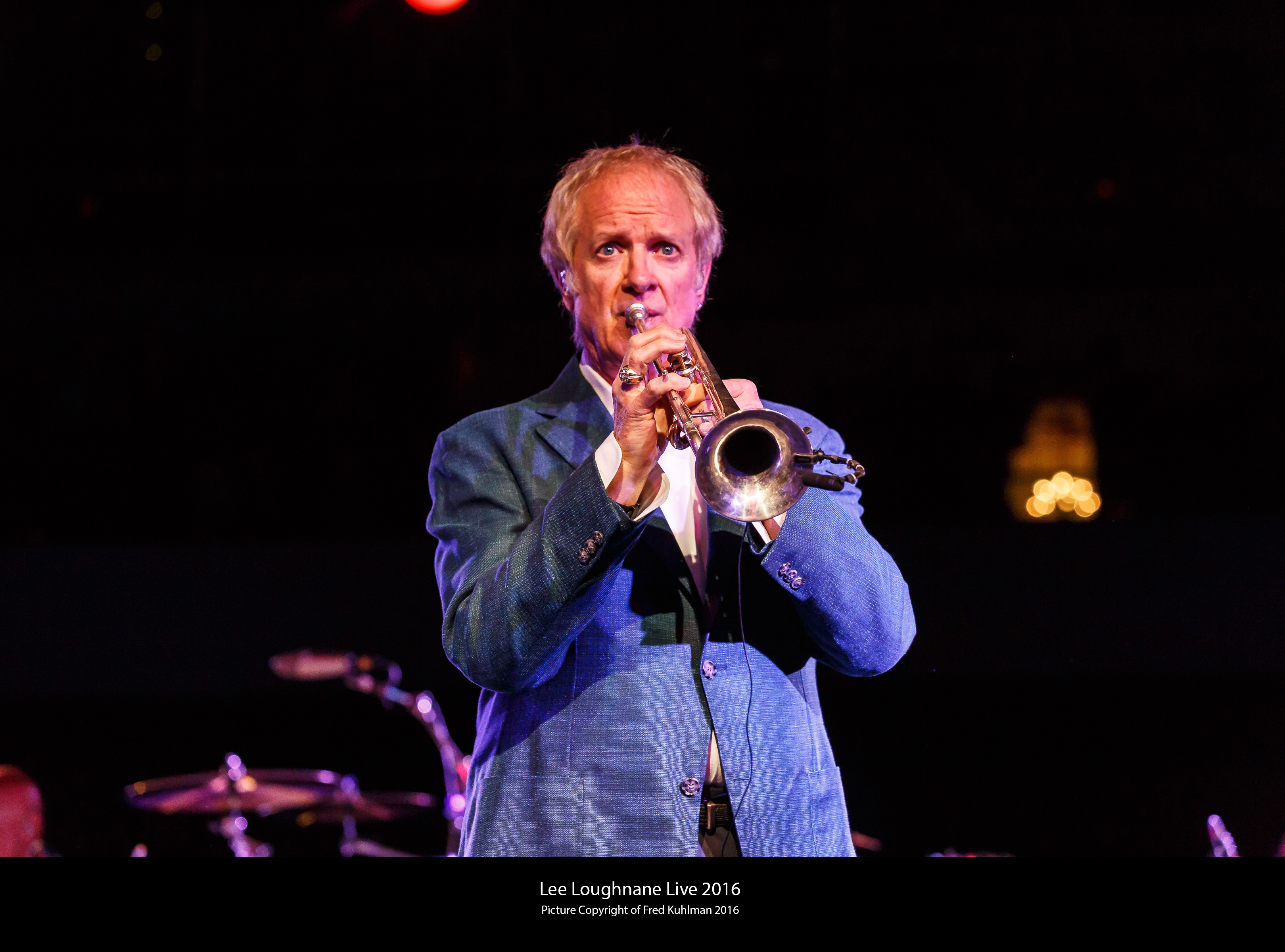
Lee Loughnane is internationally renowned as the founding trumpeter, vocalist, and songwriter for the legendary rock band Chicago, rather than an Irish drummer. Music enthusiasts occasionally search for "lee loughnane the irish drummer...
Lee Loughnane is internationally renowned as the founding trumpeter, vocalist, and songwriter for the legendary rock band Chicago, rather than an Irish drummer. Music enthusiasts occasionally search for "lee loughnane the irish drummer" due to name overlaps or confusion within traditional and contemporary music circles, but the core identity remains rooted in American brass-rock history.
Contents
Understanding the Identity of Lee Loughnane
Lee Loughnane, born October 21, 1946, in Elmhurst, Illinois, stands as one of the defining figures of horn-driven rock music. As a core member of the group Chicago—originally formed as The Chicago Transit Authority in 1967—Loughnane helped shape a distinct musical genre that seamlessly blended jazz improvisation, rock instrumentation, R&B grooves, and pop melodies. His soaring trumpet lines, crisp arrangements, and occasional lead vocals are embedded in dozens of Billboard-charting hits, including "Make Me Smile," "Does Anybody Really Know What Time It Is?," and "Saturday in the Park."
Given his extensive global touring history and enduring prominence in the music industry, searches occasionally conflate his name with various instrumentalists or percussionists from different genres, including traditional Irish music or European rhythm sections. However, historical and discographical evidence confirms that Lee Loughnane is exclusively an American trumpet player and composer, not an Irish drummer. This disambiguation helps clear up confusion for fans seeking specific percussion instruction, traditional Irish folk credits, or rhythm section breakdowns.
The Musical Legacy and Instrumentation of Lee Loughnane
To fully appreciate Loughnane's artistic footprint, it is necessary to examine his formal training, his role within Chicago, and his technical contributions to brass arrangements in popular music. Unlike a traditional rhythm section instrumentalist, Loughnane operates within the high-pressure, precision-driven environment of a major horn section alongside trombonist James Pankow and saxophonist Walter Parazaider.
Early Beginnings and Formal Education
Loughnane’s musical journey began during his youth in the Chicago metropolitan area. He pursued formal music education at DePaul University, where he honed his classical trumpet technique and jazz improvisation skills. This dual foundation allowed him to navigate complex charts that required both the discipline of classical performance and the expressive freedom of jazz.
Formation of Chicago
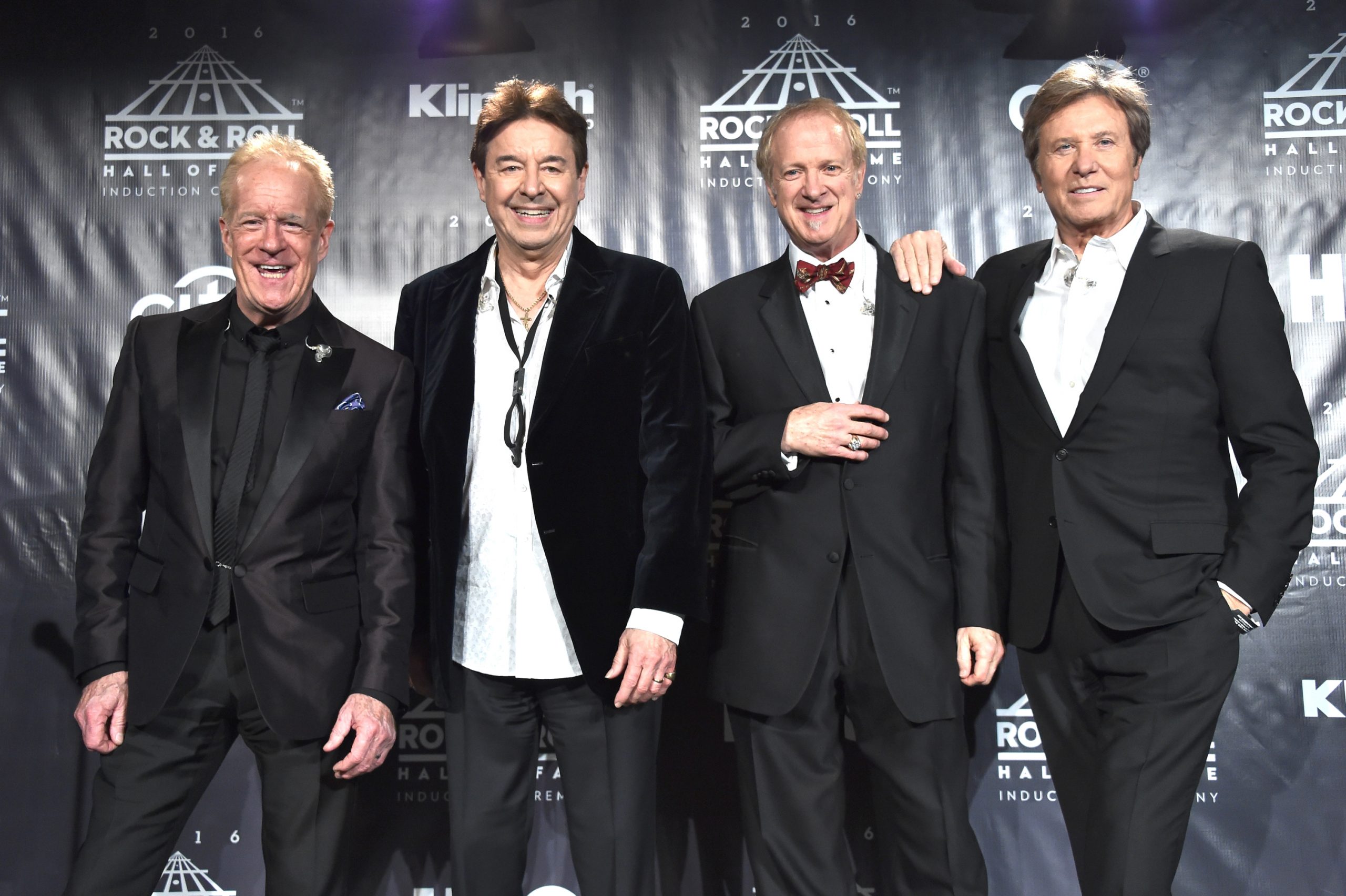
In 1967, Loughnane joined forces with fellow DePaul students Walter Parazaider and Terry Kath, along with Robert Lamm, Danny Seraphine, Lee Loughnane, and James Pankow. They formed a band that would revolutionize the use of horns in rock music. While Danny Seraphine anchored the group on the drum kit, providing the rock and jazz-fusion beats, Loughnane took charge of the trumpet department, contributing foundational horn arrangements and co-writing several tracks across the band's extensive catalog.
Technical Contributions and Sound
Loughnane’s trumpet playing is characterized by a bright, cutting tone, meticulous intonation, and a keen sense of melodic counterpoint. In horn-heavy arrangements, his parts often bridge the gap between the rhythm section and the vocal melodies. His work on albums such as Chicago II, Chicago V, and Chicago 17 demonstrates a versatility that spans gentle, muted ballad phrasing and high-energy, driving rock lines.
Comparing Instrumental Roles in Rock and Traditional Music
| Feature / Attribute | Lee Loughnane (Chicago) | Traditional Irish Drummer (Bodhrán / Snare) |
|---|---|---|
| Primary Instrument | Trumpet, Flugelhorn, Cornet, Backing Vocals | Bodhrán, Snare Drum, Percussion |
| Musical Genre | Rock, Brass-Rock, Pop, Jazz-Fusion | Traditional Irish Folk, Celtic, World Music |
| Primary Geographic Origin | United States (Chicago, Illinois) | Ireland and the global Celtic diaspora |
| Notable Associated Acts | Chicago (the band) | Various traditional folk ensembles, ceili bands |
| Role in Ensemble | Melodic brass, countermelody, horn arranging | Rhythmic foundation, syncopation, driving pulse |
Exploring Alternative Possibilities: Why the "Irish Drummer" Query Occurs
When users search for niche phrases like "lee loughnane the irish drummer," the anomaly usually stems from algorithmic cross-referencing, similar-sounding names in regional music registries, or autocomplete quirks.
Name Collisions in Regional Music Databases
In regional Irish music scenes, session drummers and percussionists—particularly those playing the bodhrán (the traditional Irish frame drum) or traditional snare—frequently appear in festival booklets, liner notes, and local archives. While no prominent recording artist named Lee Loughnane is documented as an Irish drummer, overlapping genealogical lines between Irish-American musicians in Chicago and traditional players in Ireland can occasionally trigger search engine crossovers.
The Role of the Drummer in Chicago
Listeners analyzing the rhythm section of the band Chicago often look toward the drummers who drove the band's intricate time signatures and jazz-inflected grooves. Danny Seraphine served as the foundational drummer from 1967 to 1990, followed by subsequent world-class percussionists such as Tris Imboden and Walfredo Reyes Jr. None of these primary drummers share the name Lee Loughnane, reinforcing that the moniker belongs strictly to the band's trumpeter.
Frequently Asked Questions
Is Lee Loughnane of Irish descent?
Like many Americans with roots in the Chicago area, Loughnane possesses European ancestry, but his professional identity and biography are firmly rooted in the American music scene. His career is defined entirely by his work as a trumpeter and songwriter for the rock band Chicago, rather than traditional Irish music.
What instruments does Lee Loughnane play?
Loughnane primarily plays the trumpet, flugelhorn, and cornet. In addition to his instrumental duties, he has contributed backing vocals, lead vocals on select tracks, and songwriting to Chicago's extensive discography over several decades.
Who was the original drummer for the band Chicago?
Danny Seraphine was the founding drummer for Chicago, holding the position from 1967 until 1990. His jazz-rock fusion drumming style was a cornerstone of the band's classic 1970s sound, working alongside the horn arrangements crafted by Loughnane and Pankow.
Why do people associate Lee Loughnane with drumming?
The association is typically a result of search query overlap, autocomplete errors, or confusion between horn players and rhythm section members in large ensemble bands. Because large rock bands feature multiple instrumentalists, casual listeners sometimes misattribute specific roles within the group.
Is Lee Loughnane still performing with Chicago?
Yes. Loughnane remains an active touring member of Chicago, maintaining a continuous performance schedule alongside original members Robert Lamm and James Pankow, upholding a touring legacy that spans well into the modern era.
Practical Next Steps for Music Researchers
If you are researching Lee Loughnane for biographical data, discography audits, or historical musicology, focus your inquiry on official band archives, Grammy Museum records, and authorized publications documenting the history of rock horn sections. Verify that any references to traditional Irish drumming are directed toward dedicated Celtic percussionists rather than American brass instrumentalists to maintain historical accuracy in your research.
Image Gallery