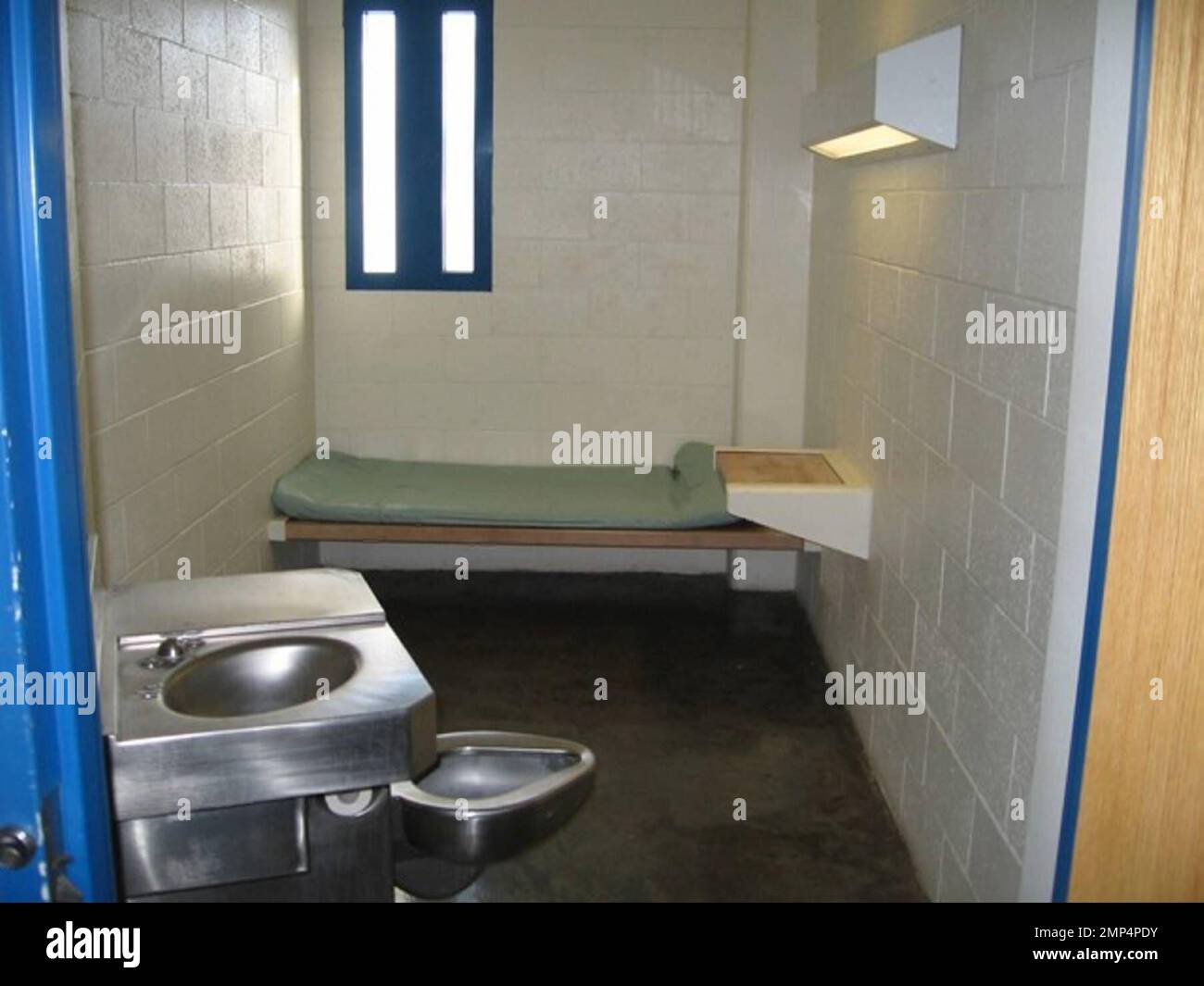
Navigating Clark County Detention Center Capacity and Choosing the Right Facility in Nevada
When dealing with the criminal justice system in Nevada, understanding local jail capacities and selecting the appropriate facility is essential for defendants, legal counsel, and concerned family members. Clark County encompasses the...
When dealing with the criminal justice system in Nevada, understanding local jail capacities and selecting the appropriate facility is essential for defendants, legal counsel, and concerned family members. Clark County encompasses the Las Vegas metropolitan area and vast rural tracts, making its correctional landscape complex. The primary municipal and county holding hubs operate under distinct jurisdictions, operational capacities, and intake criteria. Navigating this system requires a clear grasp of facility classifications, population limits, and logistical realities to ensure individuals are located, processed, or transferred correctly.
Contents
Understanding the Clark County Detention Center Landscape
The Clark County detention ecosystem is anchored by major regional institutions designed to manage high volumes of pretrial detainees and sentenced misdemeanants. Understanding facility capacity requires examining how local law enforcement agencies distribute inmate populations across multiple jurisdictions. The primary facility serving the urban core is jointly managed, while surrounding municipalities maintain independent holding locations.
The Las Vegas Metropolitan Police Department (LVMPD) operates the main Clark County Detention Center (CCDC), located in downtown Las Vegas. This facility serves as the primary intake hub for arrests made by LVMPD and various regional partners within the Las Vegas jurisdiction. Meanwhile, neighboring cities such as Henderson and North Las Vegas operate their own independent detention facilities. Each of these institutions maintains specific bed capacities, classification protocols, and release procedures that dictate where an inmate will ultimately be housed.
The Role of County Versus Municipal Facilities
Distinguishing between county and municipal facilities is the first step in locating an inmate or addressing bond requirements. County facilities generally handle felony-level charges and high-volume misdemeanor intake for unincorporated areas and partner cities. Municipal jails, by contrast, focus primarily on city ordinance violations and low-level misdemeanors originating within city limits.
When an arrest occurs, the arresting agency determines the initial booking location based on jurisdictional boundaries. For instance, an arrest executed by the North Las Vegas Police Department typically results in booking at the North Las Vegas City Jail, provided space permits. Conversely, arrests by state troopers or county constables usually route directly to CCDC. Understanding these jurisdictional lines prevents wasted travel and streamlines communication regarding bail schedules and court dates.
Analyzing Facility Capacity and Overcrowding Pressures
Correctional facility capacity is not a static number; it fluctuates based on staffing levels, classification mandates, and court-ordered population caps. The Clark County Detention Center operates as one of the largest holding facilities in the state, accommodating thousands of inmates across multiple high-rise towers. However, peak arrest periods, weekend surges, and judicial backlogs can strain available bed space.
Jail capacity management involves balancing safety, security, and statutory compliance. Facility administrators must separate inmates based on gender, security risk levels, medical needs, and legal status (pretrial versus sentenced). When populations approach maximum operational thresholds, administrators may implement accelerated release protocols for low-level offenders, transfer inmates to regional contract facilities, or utilize electronic monitoring alternatives to manage population flow.
Factors Influencing Inmate Housing Assignments
Once an individual is booked into a facility, classification officers evaluate multiple risk factors to determine their housing assignment. This process directly impacts where an inmate resides within the system and influences their access to legal counsel, visitation, and medical services.
- Security Risk Assessment: Criminal history, current charges, and institutional behavior dictate whether an inmate is placed in general population, protective custody, or maximum-security units.
- Medical and Mental Health Needs: Facilities maintain specialized infirmaries and psychiatric observation units for individuals requiring continuous clinical care or medication management.
- Gender and Special Classifications: Strict regulatory standards mandate the complete separation of male and female populations, along with provisions for vulnerable demographics.
- Gang Affiliation and Keep-Separate Orders: Operational protocols require staff to identify rivalries or protective mandates, housing incompatible individuals in separate blocks to maintain institutional safety.
Comparing Nevada Correctional and Detention Facilities
To properly navigate the system, stakeholders must compare the operational scope, intake criteria, and geographic reach of the primary facilities operating within Clark County and surrounding regions.
| Facility Name | Managing Agency | Primary Jurisdiction | Typical Intake Focus |
|---|---|---|---|
| Clark County Detention Center (CCDC) | LVMPD / Clark County | Las Vegas Metro / County-wide | Felonies, gross misdemeanors, major misdemeanor arrests |
| Henderson Detention Center | City of Henderson | Henderson Municipal Limits | City ordinance violations, local misdemeanor warrants |
| North Las Vegas Community Correctional Center | City of North Las Vegas | North Las Vegas Limits | Municipal cases, local misdemeanor holds, overflow housing |
| High Desert State Prison (HDSP) | Nevada Department of Corrections | State of Nevada | Convicted felons serving long-term state sentences |
Note: Operational capacities and intake acceptance criteria change periodically based on court orders, population management policies, and maintenance schedules.
Step-by-Step Guide to Verifying Inmate Status and Location
Locating an individual within the Clark County correctional system requires systematic verification across multiple municipal and county databases. Because inmates may be transferred during initial processing or court staging, verifying current status prevents confusion.
- Identify the Arresting Agency: Review the circumstances of the arrest to determine whether LVMPD, Henderson Police, North Las Vegas Police, or the Nevada Highway Patrol made contact.
- Check the Primary County Database: Access the official CCDC inmate search portal online to determine if the individual is currently booked at the downtown Las Vegas facility. You will need the inmate's full legal name and date of birth, or their identification number.
- Search Municipal Databases: If the search yields no results at CCDC, check the Henderson Detention Center or North Las Vegas facility search tools, as municipal arrests are frequently housed locally.
- Verify Court Holds: Contact the relevant justice court or municipal court clerk to check for outstanding warrants, hold orders, or pending transfer statuses that might prevent immediate release.
- Monitor Transfer Status: Keep in mind that defendants awaiting trial may be moved between facilities for court appearances, medical appointments, or population balancing.
Common Mistakes and Troubleshooting When Locating Inmates
Navigating jail capacity and inmate location systems often presents challenges for families and legal representatives. Avoiding common pitfalls ensures faster access to accurate information.
One frequent error is relying on outdated third-party bail bond directories or inmate search aggregators. These websites often display stale data, leading users to visit the wrong facility or assume an inmate has been released when a hold is still active. Always rely on official municipal and county portals or direct telephone inquiries to the facility booking desks.
Another common hurdle involves misunderstanding release timelines. Even after bail is posted or a judge orders release at a court hearing, administrative processing takes time. Facilities must complete identity verifications, warrant clearances, and property returns. This process can take anywhere from several hours to a full day depending on facility population volume and staffing levels.
Frequently Asked Questions
What is the maximum capacity of the Clark County Detention Center?
The Clark County Detention Center operates with a fluctuating bed capacity that generally accommodates over 4,000 inmates across its multi-tower footprint. Exact operational limits are adjusted dynamically by facility administrators to comply with safety regulations and staffing mandates.
Can an inmate be transferred from CCDC to a municipal jail?
Yes, inmate transfers occur frequently between CCDC and municipal facilities like Henderson or North Las Vegas based on bed availability, court jurisdiction, and inter-agency housing agreements. Checking multiple databases is essential if an inmate does not appear at the primary county facility.
How can I find out if someone has a medical hold?
Medical and mental health classifications are confidential under privacy regulations. However, facility booking desks can typically inform authorized family members or legal counsel whether an inmate is housed in a medical unit or cleared for general population and bond release.
What happens when detention facilities reach maximum capacity?
When population thresholds are reached, administrators utilize legal and operational tools such as accelerated release processing for non-violent misdemeanor offenders, electronic monitoring programs, or approved inter-facility transfers to relieve pressure on local housing blocks.
Are state prisons and county detention centers managed by the same agency?
No. County detention centers and city jails manage pretrial detainees and short-term misdemeanor sentences, whereas state prisons—such as High Desert State Prison—are managed by the Nevada Department of Corrections for individuals serving long-term felony sentences after conviction.
Next Actions and Professional Guidance
When managing issues related to Clark County detention facilities, prompt verification and adherence to institutional rules are paramount. Begin by utilizing official online lookup tools provided by LVMPD and municipal police departments to confirm the exact location of the individual. If legal representation or bail bond services are required, consult licensed Nevada professionals who understand local court procedures and facility release protocols. For detailed legal or procedural matters, contact the specific court clerk having jurisdiction over the case to ensure all filings and appearances are addressed accurately.
Image Gallery