How to Find a Wedding Website by Couple Name in 2026
Locating a couple's wedding website by their names involves utilizing major registry platforms, search engine operators, and digital invitation aggregators where modern couples host their event details, schedules, and RSVP forms. Becau...
Locating a couple's wedding website by their names involves utilizing major registry platforms, search engine operators, and digital invitation aggregators where modern couples host their event details, schedules, and RSVP forms. Because thousands of new domains launch daily, narrowing down results requires specific search strategies, knowledge of popular hosting platforms, and an understanding of privacy settings.
Contents
Understanding Wedding Website Architecture and Discovery Mechanics
Modern wedding planning relies heavily on centralized digital hubs. Couples typically build these platforms months in advance to manage guest lists, accommodation details, and registry links. When attempting to find a wedding website by couple name, understanding where these sites live on the internet determines your search success.
Most wedding websites are not hosted on independent, custom-named domains like couple-names.com. Instead, they operate as subdomains or subdirectories on specialized wedding aggregation platforms. This architectural choice makes them indexed by search engines differently than standard personal blogs or business websites.
When a couple publishes their page, the platform generates a unique URL structure. Knowing the primary providers helps direct your search efforts accurately. Major providers dominate the landscape, each maintaining its own internal directory and search visibility profiles:
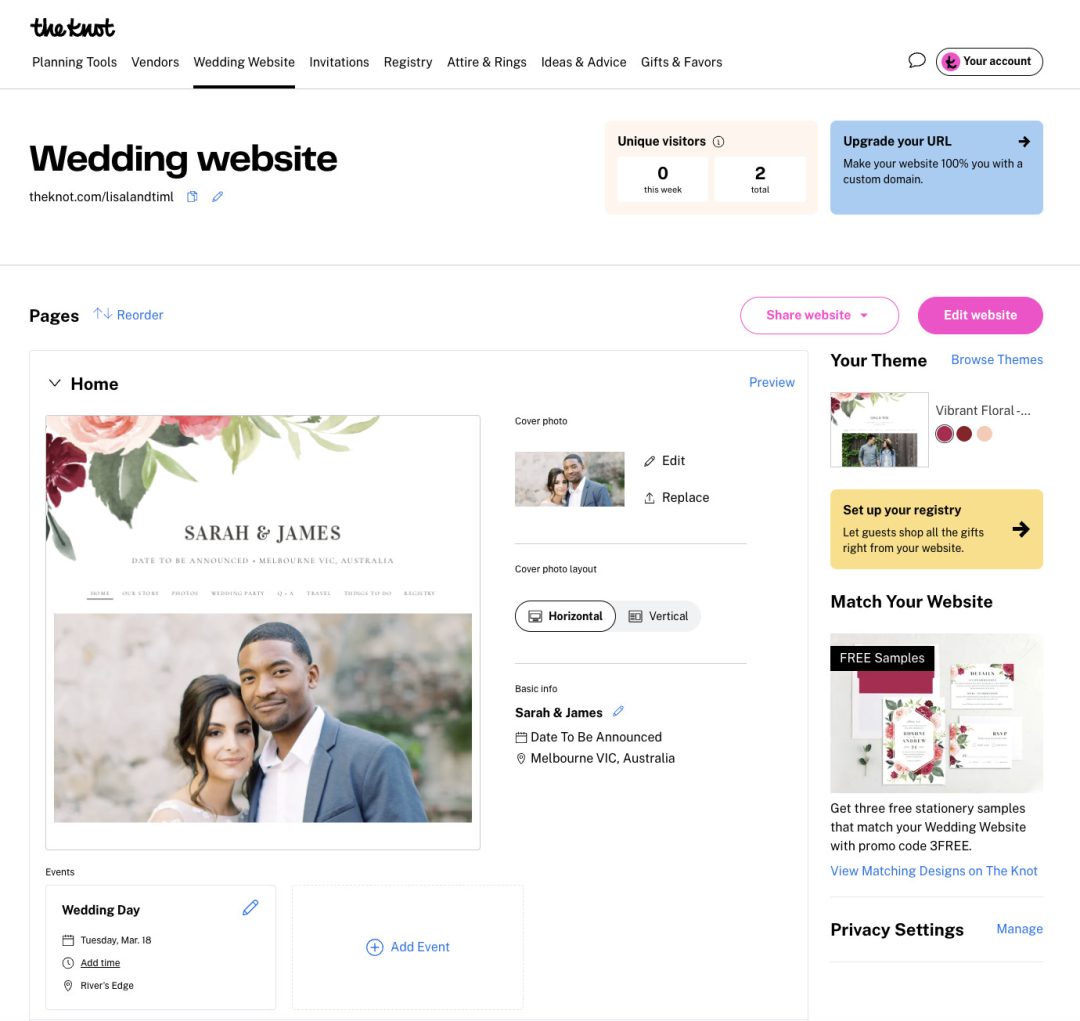
- The Knot: Features robust internal search directories where public wedding websites can often be found by entering the couple's first and last names.
- Zola: Operates a widespread registry and website builder ecosystem, allowing guests to search for couples via shared registry lookups.
- Minted: Focuses on custom stationery and matching websites, typically indexed via direct search engine queries due to distinct URL slugs.
- Joy (With Joy): Offers customizable privacy controls, meaning some sites are fully public while others require exact passcodes or unindexed security settings.
- WeddingWire: Provides shared infrastructure with The Knot, meaning directory searches often cross-pollinate results across both brands.
Step-by-Step Guide to Locating a Couple Online
When you only have the names of the bride, groom, or partners, finding the exact digital portal requires a methodical approach. Follow this structured workflow to bypass common dead ends and privacy roadblocks.
Step 1: Execute Targeted Search Engine Queries
Standard search engines remain the most powerful tool for initial discovery. However, simply typing two names into a search bar often yields social media profiles or unrelated news items rather than a wedding website.
Use targeted search operators to refine your query. Combine the full names of both individuals with specific keywords related to matrimony.
- Type the full names in quotation marks to force exact matches:
"Jane Doe" AND "John Smith" wedding - Add geographic modifiers if known, such as the city, state, or general region where the ceremony is taking place:
"Jane Doe" "John Smith" wedding website New York - Include platform names directly in the search bar if you suspect a specific host:
"Jane Doe" "John Smith" site:theknot.com
Step 2: Utilize Dedicated Registry and Aggregator Search Tools
If search engines fail to surface a direct link, leverage the internal search engines of major wedding registries and planning platforms. Many platforms allow users to look up a couple to buy gifts, which simultaneously directs the user to the main wedding website.
Navigate to the homepage of major platforms like Zola or The Knot. Locate the search or "Find a Couple" tool, typically located in the main navigation menu or footer. Enter the first and last name of either partner. If the couple has registered through that specific platform, the system will display their event landing page, provided the privacy settings allow public indexing.
Step 3: Check Social Media and Digital Announcements
Couples frequently drop digital breadcrumbs across social networks. Platforms like Instagram, Facebook, and LinkedIn often contain links to wedding portals in bio sections or announcement posts.
If direct searches yield nothing, search for engagement announcements or photo tags involving the couple. Friends and family members frequently share direct links to the wedding website when posting about bridal showers, bachelor parties, or save-the-date card arrivals.
Comparing Major Wedding Website Platforms and Search Visibility
Evaluating where couples build their sites clarifies why certain search methods succeed while others fail. The table below outlines major hosting platforms, their default search indexing behaviors, and methods for locating a couple within their systems.
| Platform Name | Default Search Indexing | Internal Directory Search | Privacy & Password Protection |
|---|---|---|---|
| The Knot | Publicly indexed by search engines unless manually hidden | Available via public guest registry lookups | Optional password protection for entire site or specific pages |
| Zola | Indexed by search engines; prominent in registry searches | Available via "Find a Couple's Registry" feature | Optional PIN or password required to view event details |
| Minted | Highly indexed if URL uses standard naming conventions | Limited internal directory; relies heavily on direct links | Custom password protection available per site |
| Joy | Frequently unindexed to maximize privacy | Minimal public directory; heavily reliant on direct sharing | High security; frequently requires passcodes by default |
| WeddingWire | Publicly indexed and cross-referenced with partner networks | Integrated search matching sister platforms | Flexible privacy toggles managed by the couple |
Troubleshooting Common Roadblocks and Privacy Barriers
Even with correct spelling and targeted search terms, you may encounter obstacles that prevent you from accessing a wedding website. Modern couples prioritize digital privacy, leading to strict security configurations.
- Privacy Settings and Unindexed Pages: Many couples choose to hide their wedding websites from public search engine indexing to prevent unsolicited visitors or data scraping. If a site is unindexed, typing the names into Google will yield zero results, even if the site is fully active.
- Password-Protected Portals: When you successfully locate a URL but encounter a login screen or password prompt, the couple has restricted access to invited guests only. In this scenario, searching online will go no further; you must reach out directly to a member of the wedding party or family to obtain the access credentials.
- Name Variations and Legal Surnames: Hyphenated last names, reverted maiden names, or the use of nicknames can completely disrupt search algorithms. If your initial search fails, try searching with individual last names separately, or include middle names and parental affiliations if available.
- Outdated or Expired Domains: Wedding websites are frequently taken down or archived by hosting providers several months after the event concludes. If the wedding occurred in a past year, the domain may no longer resolve, or it may redirect to a generic platform landing page.
Frequently Asked Questions About Finding Wedding Websites
Can I find a wedding website if the couple used pseudonyms or unlisted names?
No. If a couple intentionally masks their names or uses pseudonyms on their digital platforms for privacy reasons, standard name-based search queries will fail. You will need to obtain the direct, unlisted URL or a direct invitation link from the couple.
Why does a Google search show the registry but not the wedding website?
Couples often separate their registry pages from their main narrative wedding websites, or the website platform has restricted search engine robots from crawling the main event pages while leaving registry pages public for gift purchases.
What should I do if the website requires a passcode that I do not have?
If you are an invited guest and cannot find or remember your passcode, contact the maid of honor, best man, or a family member of the couple. Avoid attempting to bypass security walls, as unauthorized penetration violates platform terms of service.
Are wedding websites kept active indefinitely after the event?
Most platforms automatically archive, deactivate, or delete wedding websites between 30 days and one year following the wedding date to free up server storage and protect user data privacy.
Can I RSVP through a wedding website if I found it via a random search?
While technical access may be possible, doing so without a formal invitation is a breach of etiquette. Wedding websites are private event management tools intended solely for individuals on the approved guest list.
Conclusion and Next Steps
Finding a wedding website by couple name requires a combination of targeted search engine operator use, platform-specific directory lookups, and an awareness of modern privacy safeguards. Start with exact-match quotations in major search engines, transition to platform registry lookups on sites like Zola or The Knot, and respect digital security barriers if password protection is enforced. When all digital methods fail, direct communication with mutual acquaintances remains the most reliable path to securing your invitation details.
Image Gallery