Properties of Steel: A Comprehensive Guide to Mechanical and Physical Characteristics
Steel’s properties, such as high tensile strength, durability, and versatility, stem from its crystalline iron structure modified by carbon and other alloying elements. It is defined by mechanical traits like ductility, hardness, and t...
Steel’s properties, such as high tensile strength, durability, and versatility, stem from its crystalline iron structure modified by carbon and other alloying elements. It is defined by mechanical traits like ductility, hardness, and toughness, alongside physical attributes like thermal conductivity, allowing it to be tailored for diverse industrial applications.
Contents
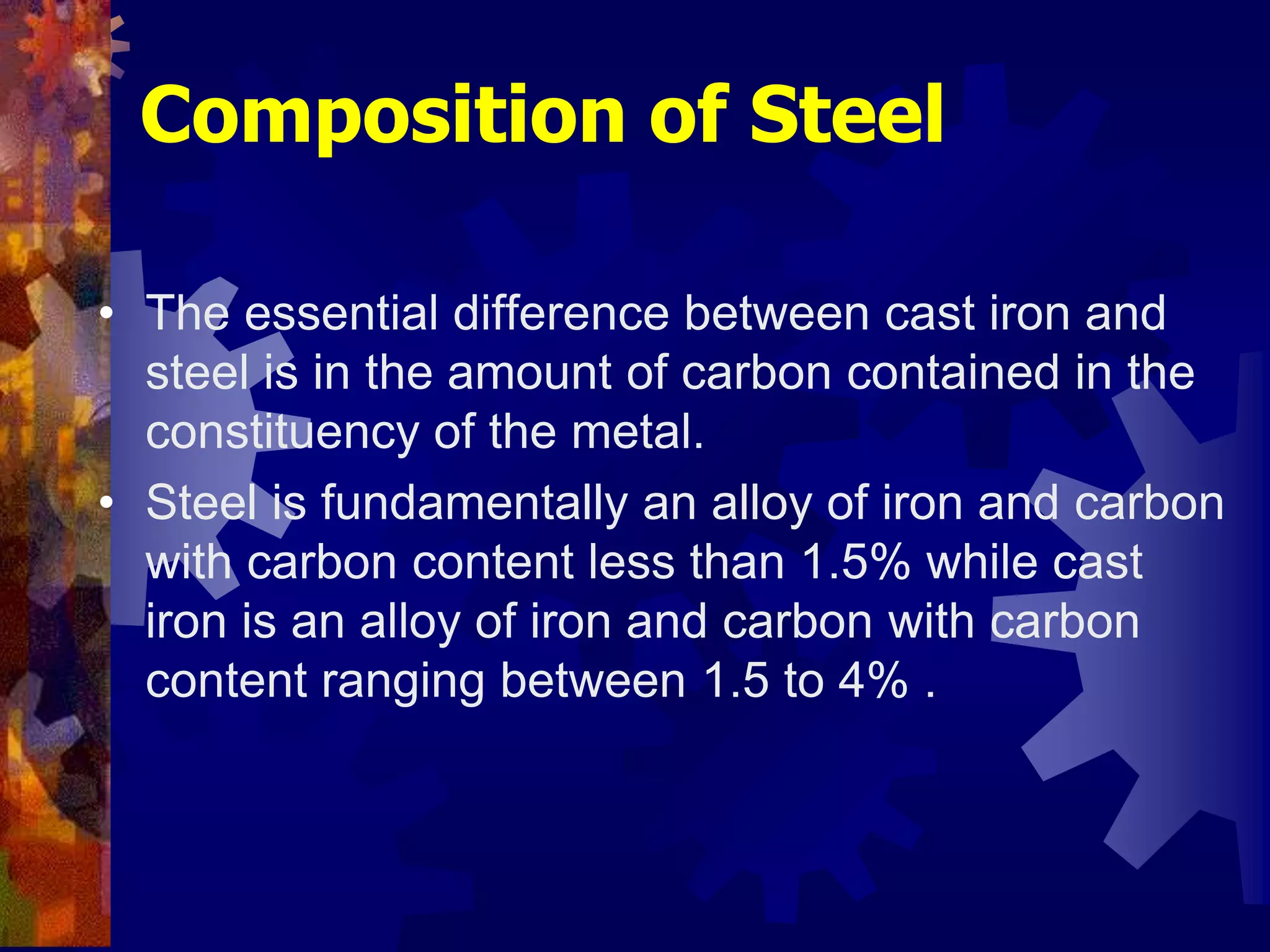
As we move through 2026, steel remains the backbone of global infrastructure, transport, and energy sectors. Understanding the properties of steel is not merely an academic exercise for metallurgists; it is a fundamental requirement for engineers, architects, and manufacturers who must select the right grade of material to ensure safety, longevity, and cost-effectiveness. Steel is an alloy primarily composed of iron and carbon, but its "properties" are a complex tapestry woven from its chemical composition, internal microstructure, and the thermal treatments it undergoes during production.
The Atomic Foundation: Composition and Microstructure
To understand why steel behaves the way it does, one must look at the atomic level. Pure iron is relatively soft and ductile because its atoms can slide past each other with ease when force is applied. By adding carbon—typically in amounts ranging from 0.02% to 2.1% by weight—the carbon atoms lodge themselves into the gaps (interstices) of the iron's crystal lattice. These carbon atoms act as "speed bumps," making it harder for the iron atoms to slide, which significantly increases the material's strength and hardness.
In 2026, advanced microscopy allows us to manipulate these microstructures with extreme precision. The arrangement of these atoms can result in different phases of steel, such as ferrite (soft and ductile), pearlite (strong and tough), or martensite (extremely hard and brittle). The specific balance of these phases determines the overall macro-properties of the steel. Furthermore, the addition of alloying elements like manganese, chromium, nickel, and molybdenum introduces new characteristics, such as increased depth of hardening or improved resistance to environmental degradation.
Primary Mechanical Properties of Steel
Mechanical properties describe how steel reacts when subjected to external forces or loads. These are the most critical factors for structural integrity and machine design.
Tensile Strength and Yield Strength
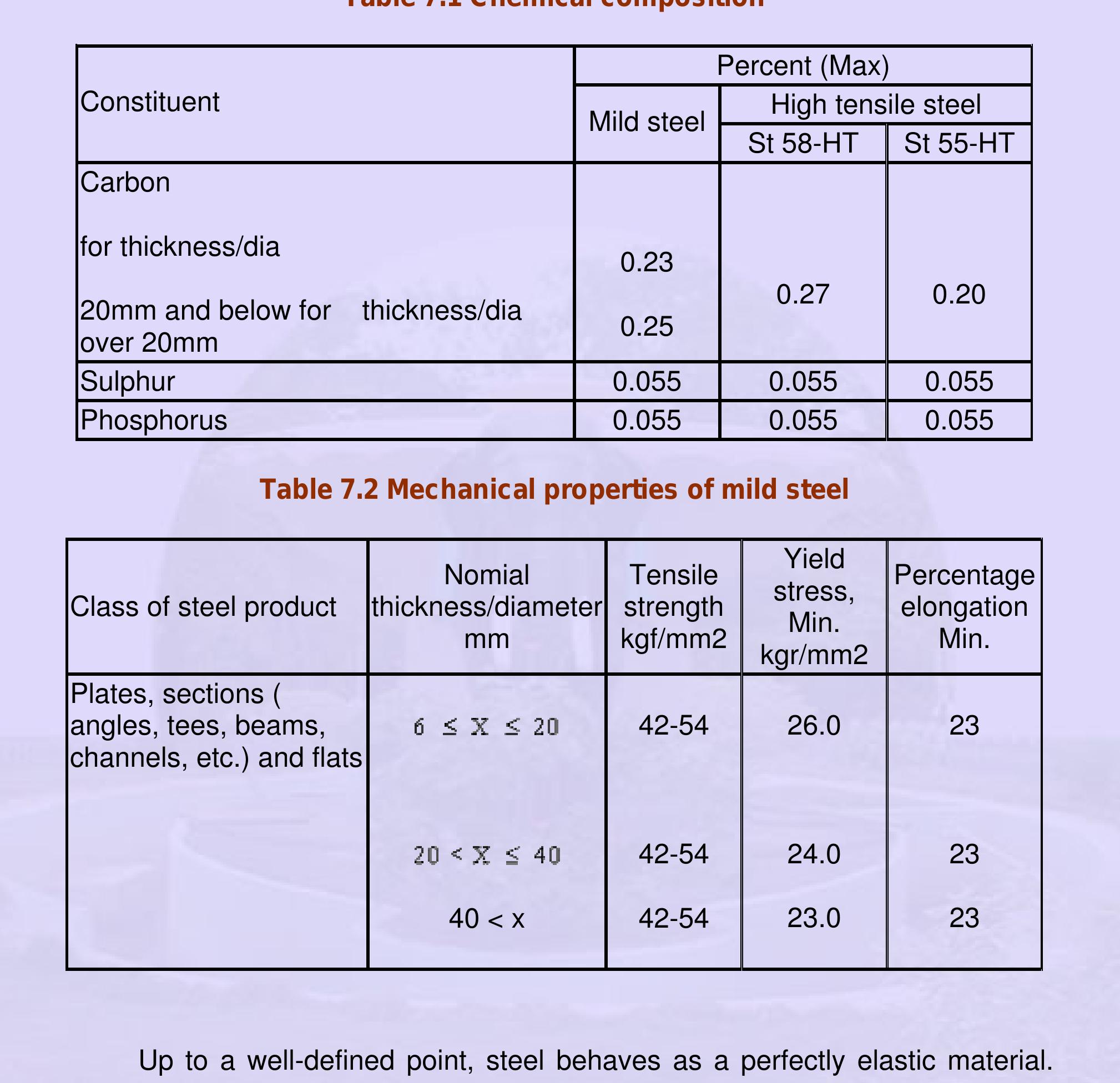
Tensile strength is the maximum stress that a material can withstand while being stretched or pulled before necking, which is when the specimen's cross-section starts to significantly contract. However, for most engineering applications in 2026, yield strength is the more vital metric. Yield strength represents the point at which the steel stops behaving elastically (returning to its original shape) and begins to deform plastically (permanent deformation).
High-strength low-alloy (HSLA) steels are specifically engineered to provide high yield strengths without the excessive weight of traditional carbon steels. This allows for lighter vehicle frames and taller skyscrapers that can withstand seismic activity or high winds without permanent structural damage.
Ductility and Malleability
Ductility is the ability of steel to undergo significant plastic deformation before rupture. It is often measured by the percentage of elongation during a tensile test. A ductile steel is desirable because it provides a "warning" before failure—it will bend or stretch rather than snapping suddenly.
Malleability, a related property, refers to the material's ability to be compressed into sheets or different shapes without cracking. These properties are essential for manufacturing processes like deep drawing, rolling, and forging. Generally, as the carbon content in steel increases, its ductility decreases, making the material more brittle.
Hardness and Wear Resistance
Hardness is the resistance of the steel's surface to localized plastic deformation, such as an indentation or a scratch. It is typically measured using the Rockwell, Brinell, or Vickers scales. Hardness is a primary indicator of wear resistance.
In tool steels and machinery components, high hardness is required to ensure that the parts do not wear down during repetitive contact with other materials. Heat treatment processes like quenching (rapid cooling) are used to transform the steel into a martensitic structure, which is the hardest possible form of steel, though it often requires subsequent tempering to reduce brittleness.
Toughness and Impact Resistance
Toughness is the material's ability to absorb energy and deform plastically before fracturing. It is the "area under the stress-strain curve." A material can be strong but not tough (like glass) or tough but not strong (like rubber). Steel strikes a unique balance.
The Charpy V-notch test is the standard method used to measure impact toughness, especially at low temperatures. This is a critical property for 2026 Arctic engineering projects or cryogenic storage tanks, where steel can become "cold-short" or brittle if not properly alloyed with nickel.
Physical and Thermal Properties
While mechanical properties focus on force, physical properties describe the material's inherent characteristics and its reaction to heat and electricity.
- Density: The density of steel is remarkably consistent across different grades, typically averaging around 7,850 kg/m³ (0.284 lb/in³). This high density contributes to steel's structural "heft" and stability.
- Thermal Conductivity: Steel is a moderate conductor of heat. While not as efficient as copper or aluminum, it can dissipate heat effectively in engine components and industrial heat exchangers.
- Coefficient of Thermal Expansion: Steel expands when heated and contracts when cooled. Engineers must account for this by using expansion joints in bridges and railways to prevent buckling during summer heatwaves or snapping during winter freezes.
- Electrical Conductivity: Carbon steel is a poor electrical conductor compared to copper. However, its magnetic properties (specifically for ferritic and martensitic steels) make it essential for the cores of transformers and electric motors.
Chemical Properties: Corrosion and Oxidation
The primary chemical challenge for steel is its tendency to return to its natural state: iron oxide, commonly known as rust. This occurs when iron reacts with oxygen and moisture.
Carbon Steel vs. Stainless Steel
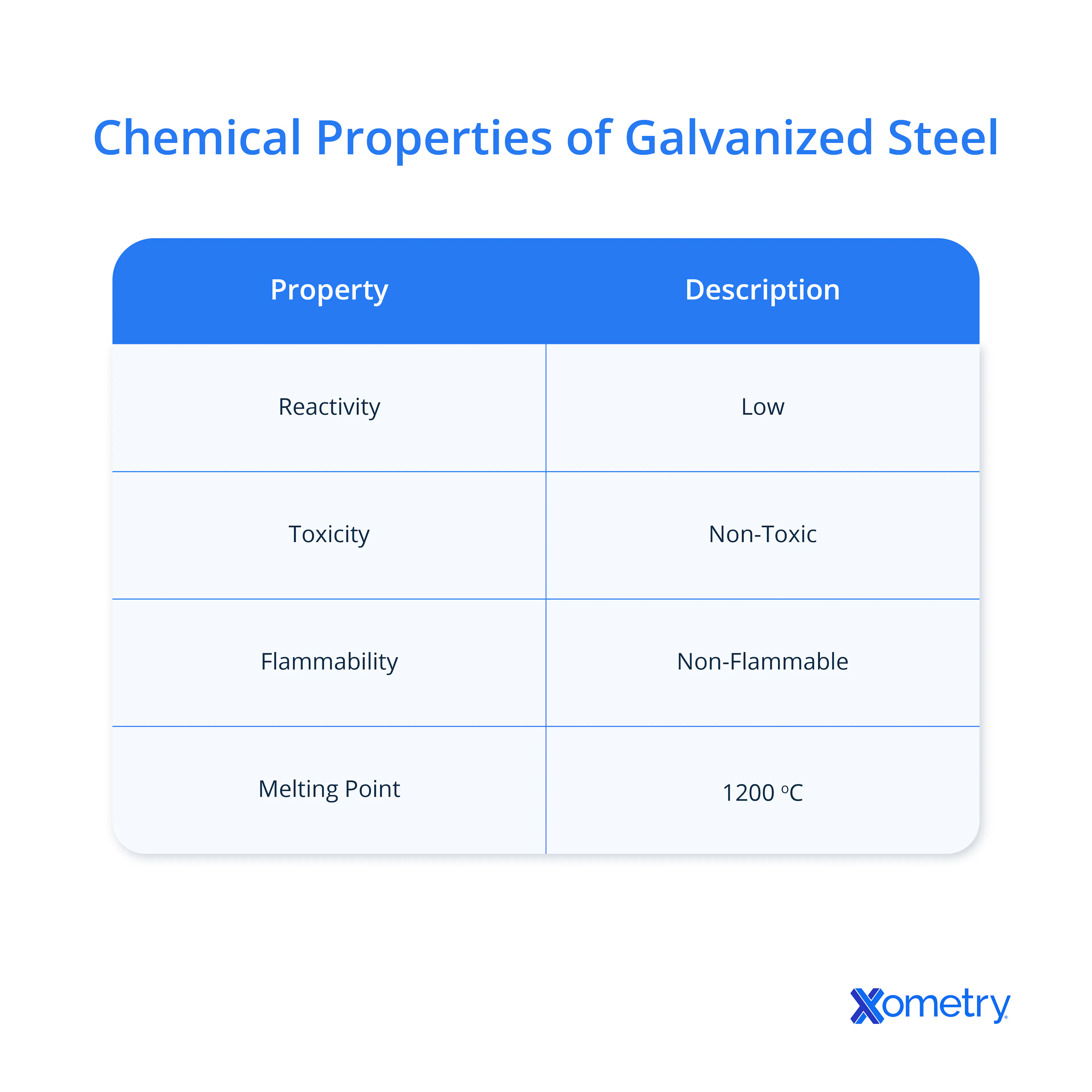
Standard carbon steels require protective coatings—such as paint, powder coating, or galvanization (zinc plating)—to prevent corrosion. However, the development of stainless steel revolutionized the industry by adding a minimum of 10.5% chromium.
When exposed to oxygen, the chromium in the steel forms an invisible, self-healing layer of chromium oxide on the surface. This "passive layer" prevents oxygen from reaching the underlying iron, providing exceptional resistance to rust and chemical attack. In 2026, specialized grades of stainless steel with added molybdenum (like Grade 316) are standard in marine environments to resist "pitting" caused by chloride ions in seawater.
Comparison of Common Steel Grades and Their Properties
The following table compares widely used steel grades, illustrating how varying compositions result in different functional properties.
| Steel Grade | Type | Yield Strength (MPa) | Key Property | Common Applications |
|---|---|---|---|---|
| ASTM A36 | Mild Carbon | 250 | High Ductility / Weldability | Bridges, general construction |
| AISI 1045 | Medium Carbon | 310 - 500 | Balance of strength & toughness | Axles, gears, crankshafts |
| AISI 4140 | Alloy Steel | 415 - 1000+ | High fatigue strength | Oil & gas drills, high-stress bolts |
| Grade 304 | Stainless | 215 | Superior corrosion resistance | Food processing, kitchenware |
| Grade 316 | Stainless | 290 | Chloride/Marine resistance | Chemical tanks, marine hardware |
| D2 Tool Steel | Tool Steel | N/A (Hardness focus) | Extreme wear resistance | Cutting dies, industrial shears |
Factors That Alter Steel Properties
A unique aspect of steel is that its properties are not static; they can be modified even after the steel has been cast or forged.
- Heat Treatment: By heating steel to specific temperatures (above the critical point) and cooling it at controlled rates, the microstructure can be completely rearranged. Annealing softens the steel for easier machining, while Quenching and Tempering creates a balance of hardness and toughness.
- Cold Working: Deforming steel at room temperature (such as cold rolling or wire drawing) increases its strength through a process called strain hardening. This increases the yield strength but reduces ductility.
- Alloying: As mentioned, elements like Vanadium increase grain refinement, while Silicon improves magnetic permeability. The precise "recipe" of these elements is what differentiates a standard structural beam from a high-performance jet engine turbine blade.
Frequently Asked Questions
Does steel lose its properties at high temperatures?
Yes. As steel is heated, its yield strength and stiffness (Young’s modulus) decrease significantly. Most structural steels begin to lose substantial load-bearing capacity at temperatures above 400°C (750°F). By 600°C, a steel beam may retain less than 50% of its room-temperature strength, which is why fireproofing is mandatory in high-rise construction.
Why is steel considered a sustainable material in 2026?
Steel is one of the most recycled materials on the planet. Its magnetic properties make it easy to separate from waste streams, and it can be recycled infinitely without losing its inherent mechanical properties. In 2026, "Green Steel" produced using hydrogen instead of coking coal is becoming more prevalent, reducing the carbon footprint of its chemical properties.
What is the difference between hardness and toughness?
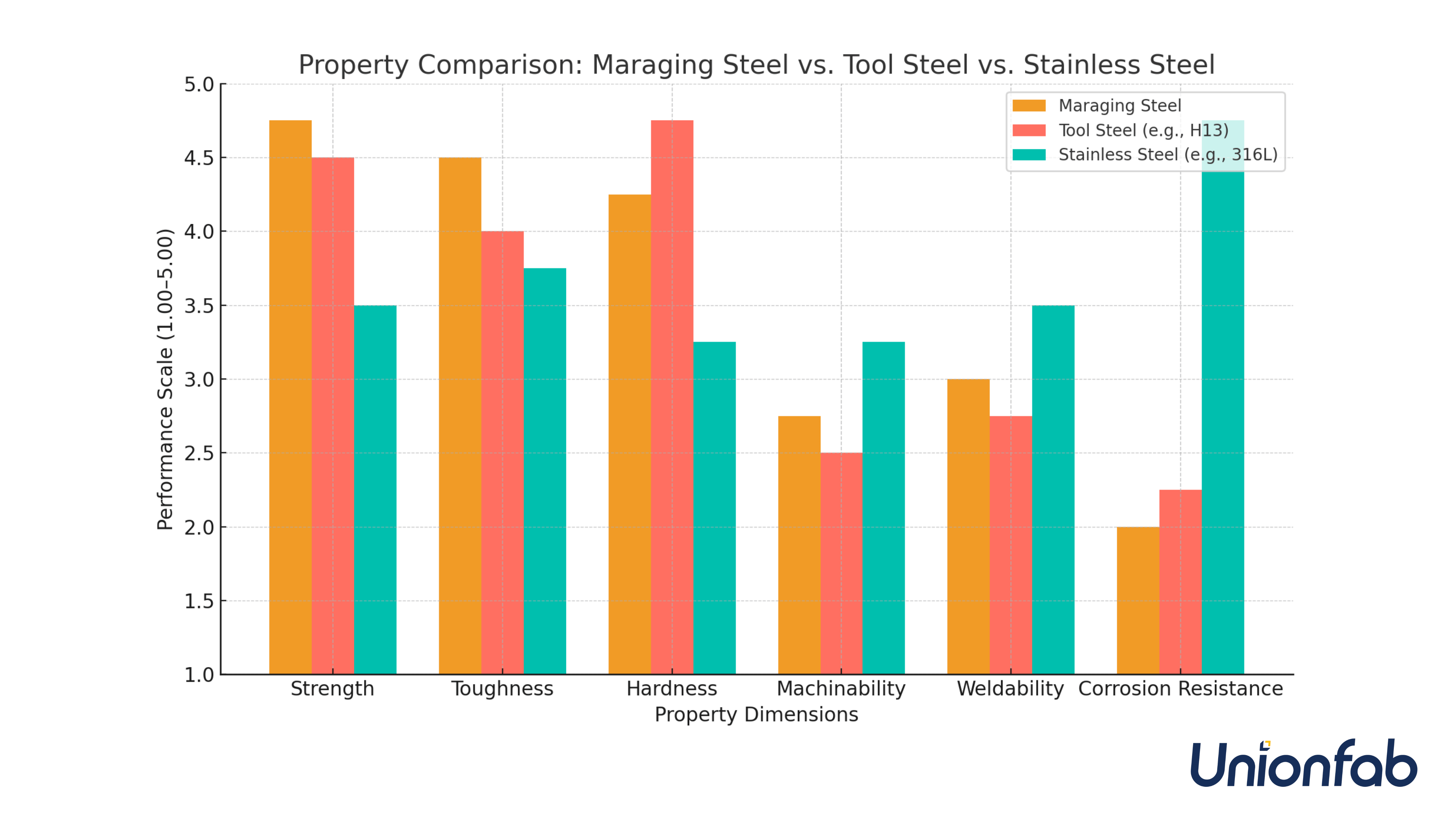
Hardness is the resistance to surface penetration or scratching. Toughness is the ability to absorb energy and resist fracturing under impact. Usually, there is an inverse relationship: as you make steel harder (via more carbon or quenching), it becomes more brittle and less tough. Achieving the perfect "middle ground" is the primary goal of heat treatment.
Can the properties of steel be affected by its environment?
Absolutely. Beyond simple rust, steel can suffer from "hydrogen embrittlement" if exposed to certain chemicals, where hydrogen atoms penetrate the metal and cause it to crack under stress. Additionally, in very cold environments, many steels undergo a "ductile-to-brittle transition," meaning they can shatter like glass if struck, even if they are perfectly strong at room temperature.
Practical Recommendation for Material Selection
When selecting a steel for a specific project, always prioritize the Yield Strength for load-bearing requirements and Impact Toughness if the component will be used in low-temperature or high-vibration environments. For projects where maintenance access is limited, investing in a corrosion-resistant grade like 316 Stainless or a weathering steel (like Corten) will yield lower total lifecycle costs despite the higher initial investment. Always consult the latest ASTM International or ISO standards to verify that the specific batch of steel meets the necessary chemical and mechanical thresholds for your jurisdiction.
Image Gallery